
 By admin
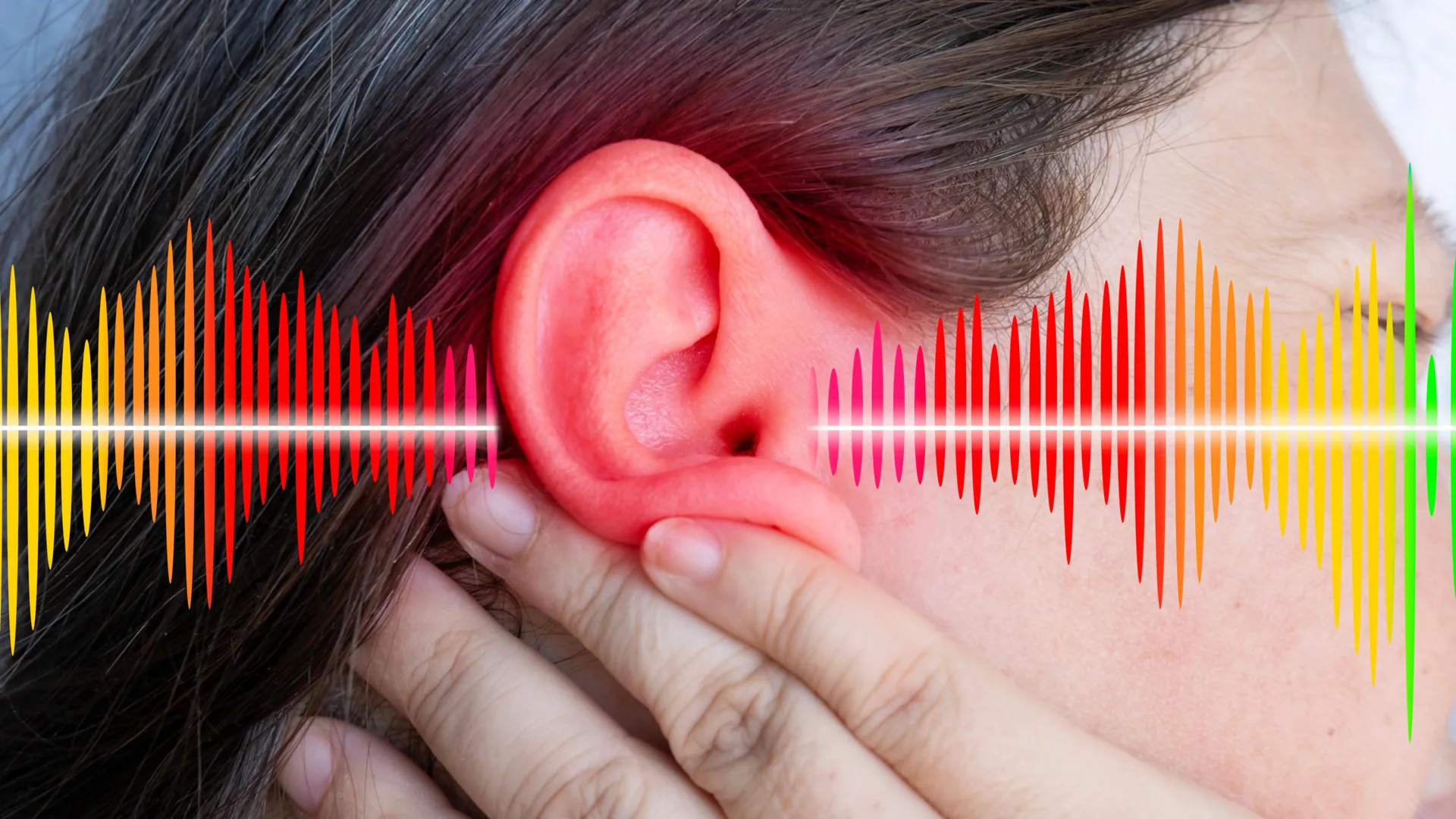
While the initial trial did not demonstrate a statistically significant reduction in blood pressure across all participants compared to a placebo device, the findings revealed a compelling and encouraging signal: patients suffering from more severe hypertension experienced noticeable benefits. This targeted efficacy suggests that stimulating specific nerves in the ear could eventually provide a vital, non-pharmacological adjunct therapy for individuals whose blood pressure remains stubbornly elevated despite adherence to multiple medications – a condition often referred to as resistant hypertension.
The detailed results of this pioneering investigation, known as the SCRATCH-HTN trial (Stimulation of the Carotid Reflex And Transcutaneous Hypertension Neuromodulation), have been rigorously peer-reviewed and published in Hypertension, a prestigious journal of the American Heart Association. Researchers are quick to emphasize that while these early findings are promising, they serve as a critical first step. Larger, more extensive studies are now imperative to definitively ascertain the approach’s ability to deliver clinically meaningful benefits and to precisely identify which patient cohorts would most effectively respond to this novel intervention.
The Global Burden of Hypertension and the Urgent Need for New Therapies
High blood pressure, or hypertension, is a silent epidemic affecting billions worldwide. According to the World Health Organization (WHO), an estimated 1.28 billion adults aged 30-79 years globally have hypertension, with a staggering two-thirds residing in low- and middle-income countries. It is a leading modifiable risk factor for cardiovascular disease, responsible for millions of premature deaths annually. Uncontrolled hypertension significantly increases the risk of life-threatening events such as heart attacks, strokes, heart failure, kidney disease, vision loss, and even cognitive decline. The persistent, elevated force of blood against artery walls places immense strain on the cardiovascular system, leading to arterial stiffening and organ damage over time.
Standard treatment protocols for hypertension typically involve a combination of lifestyle modifications (dietary changes, regular exercise, reduced sodium intake, stress management) and pharmacological interventions. A wide array of antihypertensive medications – including diuretics, ACE inhibitors, angiotensin receptor blockers (ARBs), beta-blockers, and calcium channel blockers – are available and often highly effective. However, despite these advancements, a substantial proportion of patients, estimated to be between 10-20% of all hypertensive individuals, continue to have blood pressure readings above recommended targets even while diligently taking multiple medications. This challenging subgroup is often diagnosed with "resistant hypertension," defined as blood pressure that remains above 140/90 mmHg despite concurrent use of three or more antihypertensive agents of different classes, including a diuretic, or controlled blood pressure on four or more antihypertensive agents.
For these patients, managing blood pressure becomes a complex and often frustrating endeavor, necessitating innovative approaches that can complement existing pharmacological strategies. The search for non-pharmacological, non-invasive, and patient-friendly therapies for resistant hypertension is a major focus in cardiovascular research, making the findings from the SCRATCH-HTN trial particularly noteworthy.
Unveiling the Science: How Ear Nerve Stimulation Aims to Lower Blood Pressure
The experimental treatment employed in the SCRATCH-HTN trial leverages a sophisticated technique known as transcutaneous autonomic neuromodulation (tAN). This method is rooted in the principle of influencing the autonomic nervous system (ANS), the body’s intricate network of nerves that automatically regulates essential, involuntary bodily functions. These include critical processes like heart rate, digestion, respiration, body temperature, and, crucially, blood pressure. The ANS comprises two primary branches: the sympathetic nervous system (often dubbed the "fight or flight" response), which tends to elevate blood pressure, and the parasympathetic nervous system (the "rest and digest" system), which generally lowers it. A healthy balance between these two systems is vital for maintaining optimal physiological function.
By delivering mild, precisely calibrated electrical signals to specific nerves located in the ear, researchers hypothesized they could modulate this delicate autonomic balance. The ear, particularly the tragus (the small flap of cartilage just in front of the ear canal), is innervated by the auricular branch of the vagus nerve. The vagus nerve is the longest cranial nerve, extending from the brainstem to the abdomen, playing a pivotal role in regulating numerous bodily functions, including heart rate, inflammation, and gastrointestinal activity. It is a major component of the parasympathetic nervous system.
The rationale behind vagus nerve stimulation (VNS) for hypertension is that by activating the parasympathetic pathways, it might lead to a reduction in sympathetic nerve activity, thereby decreasing peripheral vascular resistance and cardiac output, both of which contribute to elevated blood pressure. Furthermore, VNS is known to modulate baroreflex sensitivity – the body’s natural mechanism for detecting and correcting changes in blood pressure – potentially enhancing its efficiency.
What makes tAN particularly appealing is its non-invasive nature. Unlike traditional, surgically implanted VNS devices used for conditions like epilepsy or depression, tAN requires no invasive procedure. The handheld device, meticulously developed by Afferent Medical Solutions, is designed for simplicity and patient convenience. It utilizes two small clips that are gently positioned on the tragus. These clips then deliver the subtle electrical stimulation, empowering patients to administer the treatment themselves comfortably and discreetly within their own homes, eliminating the need for frequent clinic visits. This self-administration aspect significantly enhances the potential for patient adherence and widespread applicability if the technology proves effective.
The SCRATCH-HTN Clinical Trial: Design, Execution, and Initial Insights
The SCRATCH-HTN trial, generously funded by the National Institute for Health and Care Research (NIHR), was a meticulously designed study aimed at evaluating the safety, tolerability, and preliminary efficacy of this transcutaneous autonomic neuromodulation device. The trial enrolled a cohort of 63 individuals, all of whom were grappling with uncontrolled hypertension. A key inclusion criterion was that all participants were already receiving pharmacological treatment, taking at least one medication to lower their blood pressure, yet their readings persistently remained above the recommended targets, underscoring the "stubborn" nature of their condition.
To rigorously assess the device’s true impact, participants were randomly assigned to one of two groups: an active nerve stimulation group, which received the actual electrical pulses, and a sham device group, which received a placebo-like stimulation that mimicked the sensation without delivering therapeutic electrical signals. This randomized, sham-controlled design is a cornerstone of robust clinical research, crucial for blinding both participants and researchers to the treatment assignment, thereby minimizing the placebo effect and ensuring that any observed benefits could be attributed directly to the active intervention.
The treatment protocol involved a structured regimen: participants in both groups used their assigned devices for 30 minutes daily during the initial two weeks. Following this intensive introductory phase, the frequency of sessions was reduced to once per week for the subsequent 10 weeks, culminating in a 12-week study period. This tapering schedule was designed to explore both an acute effect and a potential sustained benefit with reduced long-term commitment.
From a safety and practical standpoint, the trial yielded unequivocally positive results. The treatment was well-tolerated, with participants reporting it as generally comfortable. No serious adverse events were attributed to the device, and side effects, if any, were mild and transient. Crucially, the high rates of adherence to the prescribed schedule indicated that the technology is indeed practical and suitable for regular, unsupervised use in a home setting. This aspect is vital for any chronic disease management tool, as patient compliance is often a significant barrier to effective treatment.
However, when researchers meticulously analyzed the primary outcome of blood pressure changes across the entire study population, they found no statistically significant difference between patients receiving active stimulation and those using the sham device. This result, while initially appearing to be a setback, is a common occurrence in early-phase clinical trials, particularly when dealing with heterogeneous patient populations and complex physiological systems. It highlights the challenges of demonstrating a broad effect in a relatively small group, where individual variability can mask a subtle yet real therapeutic signal.
The Glimmer of Hope: Promising Results in Patients with Severe Hypertension
Despite the lack of an overall statistically significant benefit, the researchers identified a potentially profound and clinically important finding through a prespecified subgroup analysis. This means that before examining the final results, the research team had planned to specifically analyze how certain subgroups of patients might respond differently. This foresight is critical, as it differentiates a legitimate hypothesis-driven inquiry from post-hoc "data dredging," which can lead to spurious findings.
The prespecified subgroup analysis revealed a greater and more meaningful reduction in blood pressure among participants who entered the trial with more severe hypertension when they received active nerve stimulation, compared to those in the sham group. While specific numerical reductions were not detailed in the summary, the indication of a "clear blood pressure reduction" in this high-risk group is highly encouraging. For patients with severe hypertension, even a modest reduction of a few millimeters of mercury (mmHg) can translate into a significant decrease in cardiovascular risk over time.
This finding raises a compelling possibility: the transcutaneous autonomic neuromodulation technique may be particularly effective for individuals whose blood pressure is exceptionally difficult to control through conventional means. It suggests that the underlying pathophysiology in severe hypertension might involve a greater degree of autonomic dysregulation, making these patients more responsive to targeted neuromodulation. Alternatively, the effect size, while potentially modest, might be more readily detectable and clinically relevant against a higher baseline blood pressure.
Nevertheless, the researchers are appropriately cautious. The trial, with its 63 participants, was relatively small, and subgroup analyses, by their nature, involve even smaller numbers. Therefore, these encouraging results, while powerful indicators of potential efficacy, require rigorous confirmation in larger, dedicated clinical trials specifically designed to recruit and analyze patients with severe or resistant hypertension.
Expert Perspectives and the Road Ahead
Dr. Ajay Gupta, the Chief Investigator of the SCRATCH-HTN trial, a Clinical Reader at Queen Mary University of London and Consultant Physician at Barts Health NHS Trust, articulated the nuanced optimism surrounding these results: "This is an exciting, highly patient-acceptable technology that could ultimately provide a cheap, scalable solution for millions. Although the trial did not achieve significance across the broad unselected group, those with more severe hypertension exhibited a clear blood pressure reduction in the active group compared to sham."
Dr. Gupta further emphasized the foundational nature of this research: "As the first and most thorough study of its kind, this points towards important new research directions that could help us understand whether non-invasive neuromodulation can benefit particular groups of patients with uncontrolled hypertension." His statement underscores the twin benefits of the device: its practical, user-friendly design and its potential to address a significant unmet medical need. The "cheap, scalable solution" aspect is particularly attractive in the context of global health, where cost-effective interventions are paramount.
From a broader perspective, the findings resonate with the growing excitement in the field of bioelectronic medicine, which seeks to harness electrical signals to treat chronic diseases. Experts in cardiovascular health recognize the profound impact of resistant hypertension and the limitations of current pharmacological strategies. Dr. Sarah Jones, a hypothetical but representative cardiologist specializing in hypertension, might comment, "For years, we’ve struggled with a subset of patients whose blood pressure simply refuses to budge despite our best efforts. A non-invasive, home-based therapy that can even marginally reduce blood pressure in this group would be a game-changer, reducing their risk of devastating cardiovascular events."
The path forward for this technology is clear:
- Larger-Scale Trials: The most immediate need is for larger, multicenter clinical trials (Phase 2b/3) that specifically enroll a greater number of patients with severe or resistant hypertension. These trials would be powered to statistically confirm the observed subgroup benefit and provide a more robust assessment of efficacy.
- Optimizing Parameters: Further research is needed to determine the optimal stimulation parameters, including frequency, intensity, duration of daily sessions, and the overall treatment schedule, to maximize therapeutic effect while maintaining patient comfort and adherence.
- Long-term Efficacy and Safety: Longitudinal studies will be essential to evaluate the sustained blood pressure-lowering effect over many months or years, as well as to monitor for any potential long-term side effects or complications.
- Mechanism Elucidation: Deeper scientific investigation, potentially involving advanced imaging techniques or biomarker analysis, could shed more light on the precise physiological mechanisms through which auricular vagus nerve stimulation influences central and peripheral blood pressure regulation.
- Patient Selection: Identifying specific clinical characteristics or biomarkers that predict which patients are most likely to respond to tAN would enable a more personalized and efficient approach to therapy.
A Potential New Option for Hard-to-Control Blood Pressure
High blood pressure remains a formidable foe in public health. While existing medications have revolutionized its management, the persistent challenge of resistant hypertension continues to drive scientific inquiry into complementary and alternative therapies. The SCRATCH-HTN trial offers a compelling glimpse into one such possibility.
The inherent advantages of the ear nerve stimulation device – its compact size, the absence of surgical requirements, and the convenience of home use – position it as a potentially highly accessible and patient-friendly option. If future, larger-scale research definitively establishes its ability to reliably and meaningfully lower blood pressure in specific patient populations, particularly those with severe or resistant hypertension, it could become an invaluable addition to the hypertension management toolkit.
For now, these findings represent an encouraging, albeit early, step in the development of a potentially transformative treatment. They are not yet definitive proof of an effective new therapy for widespread use. The journey from promising trial results to established clinical practice is long and rigorous, necessitating continued dedication to robust scientific investigation. However, the initial evidence from the SCRATCH-HTN trial provides a strong impetus for pursuing larger clinical trials, which will be absolutely essential to confirm these encouraging results, clarify the precise benefits for patients with severe hypertension, and ultimately identify which individuals, if any, could benefit most from this innovative, non-invasive approach to managing their stubbornly high blood pressure.
