
 By admin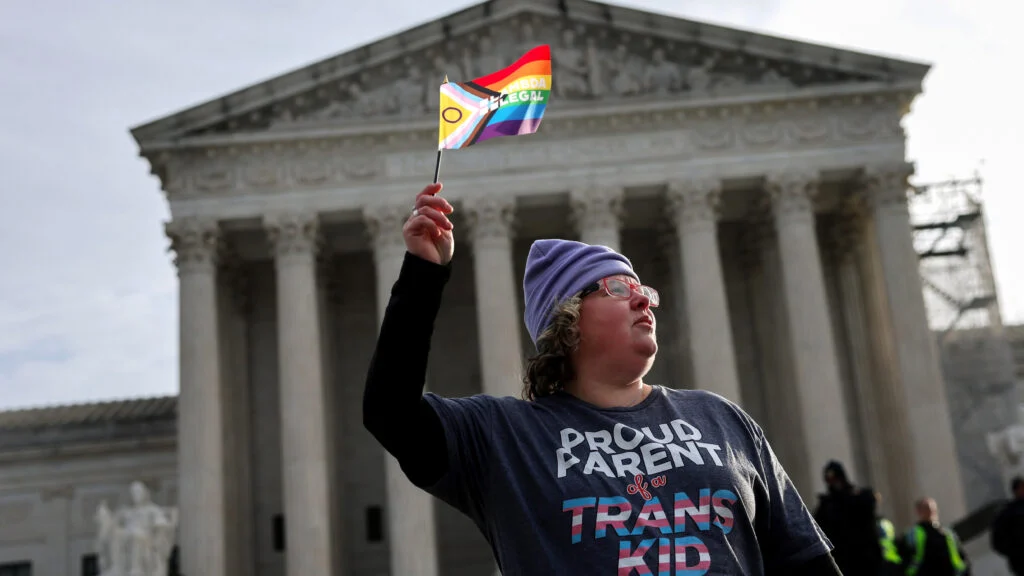
The most prominent of these conflicts involves Dr. Anthony Fauci, the former director of the National Institute of Allergy and Infectious Diseases (NIAID), who now faces the possibility of criminal contempt of Congress. The controversy stems from a contentious hearing held last week by a Senate committee investigating the origins of the Covid-19 pandemic and the federal government’s response. During the proceedings, Dr. Fauci declined to answer several key questions, leading to a committee vote to hold him in contempt. The matter now moves to the full Senate floor. If the Senate confirms the contempt citation, the case will be referred to the Justice Department, where federal prosecutors must decide whether to bring charges. A conviction for contempt of Congress carries significant weight, including potential fines of up to $100,000 and a prison sentence ranging from one to 12 months.
The political stakes of a potential Fauci prosecution are immense. Former President Trump has already signaled his support for such a move, drawing parallels to the prosecutions of Peter Navarro and Steve Bannon. Trump’s assertion that Fauci’s actions are "far more serious than a lot of crimes" underscores the deep-seated animosity toward the public health measures implemented during the pandemic. Conversely, the Biden administration had previously attempted to shield Fauci through a "preemptive pardon," a rare legal maneuver born of the belief that he would be targeted by future Republican-led investigations. This preemptive move, once seen as a defensive political tactic, now appears prescient as the legal pressure on Fauci intensifies. Legal scholars are currently debating the validity of such a pardon against a Congressional contempt charge, particularly one that arose after the pardon was issued, setting the stage for a potential constitutional showdown over executive and legislative power.
Simultaneously, the Trump administration has turned its attention to the Department of Health and Human Services, specifically targeting the Head Start program. Head Start, a cornerstone of the "War on Poverty" initiated in the 1960s, provides comprehensive early childhood education, health, and nutrition services to low-income children and their families. A new proposal published in the Federal Register seeks to "streamline" the program by rescinding over 1,400 regulatory provisions. While the administration frames this as an effort to reduce "federal bureaucratic burden," health and disability advocates view it as a systematic dismantling of quality standards.
The proposed rule would shift much of the oversight to a state-by-state approach, effectively rolling back federal benchmarks for teacher qualifications, curriculum standards, and nutritional requirements. Perhaps most controversially, the proposal mandates English-only instruction, a move that critics argue will marginalize non-English speaking families and hinder the cognitive development of dual-language learners. Furthermore, disability advocates warn that the removal of federal mandates will leave children with special needs at the mercy of varying state requirements, which often lack the rigor and funding of the original federal standards. This push for deregulation represents a fundamental change in how the federal government interacts with the nation’s most vulnerable youth, prioritizing local control over national quality consistency.
This atmosphere of regulatory upheaval coincides with a somber anniversary for the Centers for Disease Control and Prevention (CDC). One year ago, on August 8, 2025, the agency’s Atlanta headquarters was the site of a devastating mass shooting. Daniel Jernigan, the former director of the National Center for Emerging and Zoonotic Infectious Diseases, recently reflected on that day, describing the initial confusion as gunfire was mistaken for construction noise. The attack, which saw hundreds of rounds fired into CDC buildings, served as a violent manifestation of the growing hostility toward public health institutions. Jernigan’s subsequent resignation highlights a broader trend of "brain drain" within federal health agencies, as veteran scientists and administrators leave due to safety concerns and political interference. The CDC now operates under a cloud of perpetual threat, struggling to fulfill its mission of disease surveillance and prevention while navigating a landscape where the agency itself is viewed as an adversary by a segment of the public.
The Justice Department’s role in medical regulation has also expanded into the realm of gender-affirming care. Connecticut Children’s Medical Center recently became the third hospital to reach a settlement agreement with the DOJ regarding the provision of such care to minors. Under the terms of the settlement, the hospital will continue its moratorium on gender-affirming treatments for patients under 19, pay an unspecified fine, and establish a $500,000 fund for individuals who claim to have been harmed by previous treatments. This occurs despite the fact that pediatric gender-affirming care remains legal under Connecticut state law, illustrating a growing tension between federal enforcement and state-level protections.
The details emerging from a similar settlement with Texas Children’s Hospital have sent shockwaves through the medical community. The agreement requires the hospital to maintain a "Break the Glass List"—a confidential, ten-year record of every patient who has ever received a diagnosis related to gender dysphoria or identity disorders. This list must be updated monthly, and the hospital is strictly prohibited from removing any individual from it, regardless of changes in their medical status or identity. Privacy experts and civil rights attorneys warn that such databases create a dangerous precedent for government surveillance of medical records. Unlike the Cleveland Clinic settlement, the Texas agreement’s inclusion of this tracking mechanism suggests a more aggressive federal strategy to monitor and potentially criminalize certain types of medical care, raising profound questions about HIPAA protections and the sanctity of the doctor-patient relationship.
In another corner of the HHS, Secretary Robert F. Kennedy Jr. is leading a crackdown on the nation’s organ procurement system. The administration has moved to decertify "Network for Hope," a Kentucky-based organ donation group, following allegations of gross negligence and ethical violations. The most chilling allegation involves a case where the organization allegedly pressured a hospital to proceed with organ retrieval from a patient who showed signs of life during a procedure intended to withdraw life support. While the patient survived, the incident has become a focal point for RFK Jr.’s campaign to reform what he describes as a "broken and corrupt" system.
The decertification of a major Organ Procurement Organization (OPO) is a rare and drastic measure. Network for Hope has vowed to appeal, arguing that the administration’s actions are politically motivated and based on a misunderstanding of clinical protocols. However, the move reflects a broader administration policy of aggressive oversight and a willingness to disrupt established medical networks in the name of safety and accountability. The reform of the organ transplant system is a complex task involving thousands of stakeholders, and the administration’s "bad apple" approach signals a departure from the collaborative reform efforts of previous years.
As these various threads of federal policy and legal action converge, the portrait of American healthcare in 2026 is one of intense volatility. The potential imprisonment of Dr. Fauci would mark a historic moment in the relationship between science and the state, while the overhaul of Head Start and the crackdown on gender-affirming care suggest a concerted effort to realign social services and medical practice with specific ideological goals. Meanwhile, the trauma of the CDC shooting and the ongoing battles over organ procurement ethics highlight the fragility of the institutions tasked with protecting the public. For healthcare providers, policymakers, and the public, these developments represent a crossroads where the future of medical autonomy, federal oversight, and public health safety hangs in the balance. The coming months will likely see these issues play out in the courts and the halls of Congress, determining the direction of the American health system for a generation.
