
 By admin
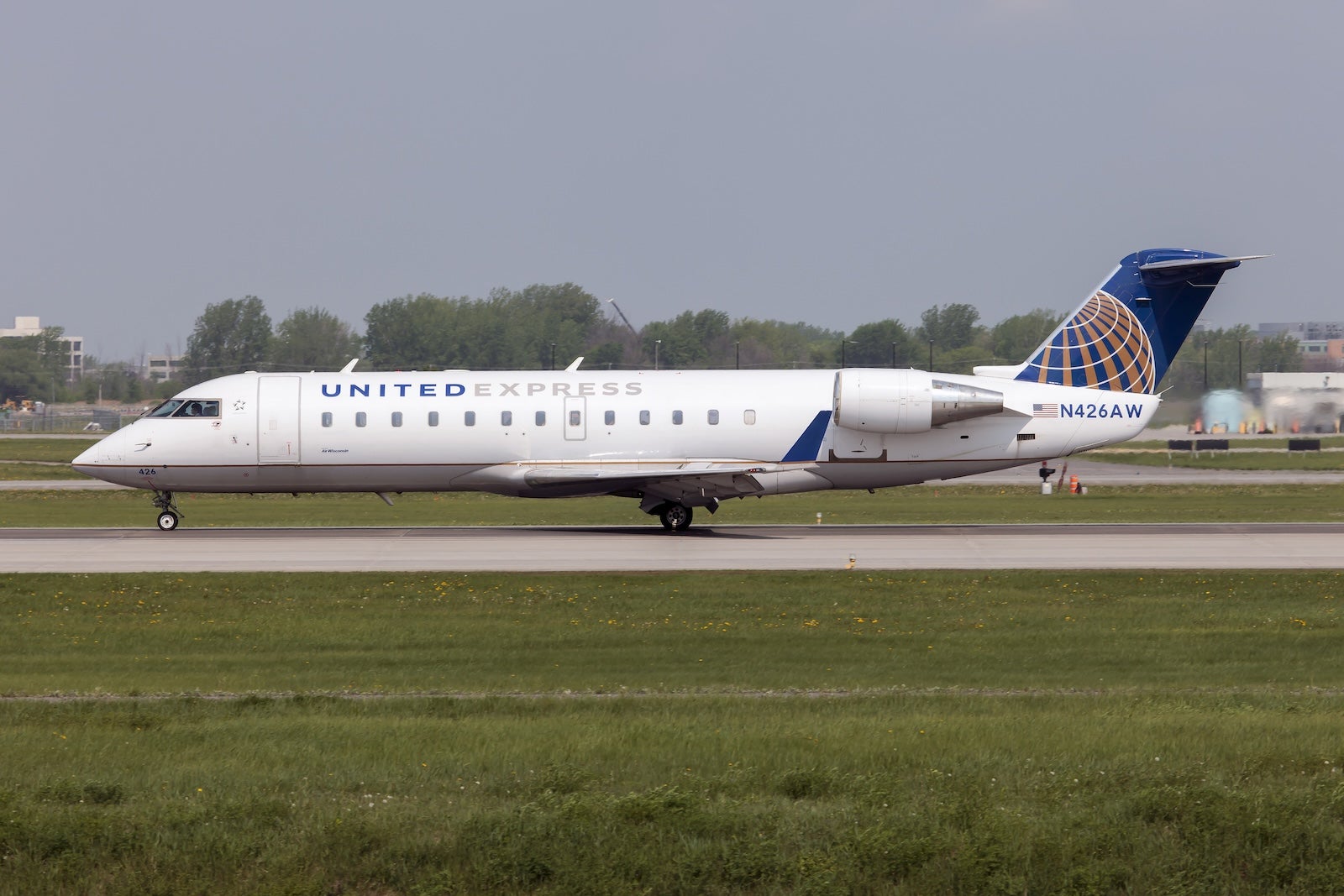
Next month, the reigning national champion Indiana University Hoosiers will descend upon Lincoln, Nebraska, for a highly anticipated college football showdown against the University of Nebraska Cornhuskers, and United Airlines is stepping up to ensure the fan frenzy is met with unprecedented logistical support. In a move that highlights the growing synergy between the aviation industry and the "passion economy," the Chicago-based carrier is launching a rare direct flight between Indianapolis and Lincoln specifically for the game weekend. Under normal circumstances, United would never connect these two secondary markets with nonstop service, but the sheer volume of "Hoosier" fans looking to witness their team defend its prestige has forced a rewrite of the traditional hub-and-spoke playbook.
This specialized route is merely the tip of the iceberg in a season defined by "sports-centric" scheduling. During the same week, United will also bridge the 2,400-mile gap between Eugene, Oregon, and Columbus, Ohio, with unusual nonstop service. This route is designed to cater to the high-stakes clash between the University of Oregon and Ohio State University, a matchup that has gained even more weight following the recent seismic shifts in conference realignments. As West Coast powerhouses integrate into the Big Ten, the geographic distance between rivals has widened, creating a lucrative vacuum that airlines are more than happy to fill.
United is not alone in this tactical pivot. Southwest Airlines, known for its point-to-point efficiency, has unveiled a comprehensive fall schedule that includes a full slate of "fan-first" flights. These aren’t just minor adjustments; they are surgically placed routes intended to carry thousands of fans to away games that would otherwise require grueling layovers or multi-day road trips. Later this month, American Airlines is taking the concept even further—and much farther south. When the Dallas Cowboys travel to Brazil for a historic NFL international fixture, American will deploy one of its flagship Boeing 787 Dreamliners to offer a special nonstop flight from Dallas-Fort Worth to Rio de Janeiro. This move represents a significant investment of high-capacity widebody aircraft for a one-off sporting event, signaling that the "Big Three" carriers now view major games as Tier-1 revenue opportunities.
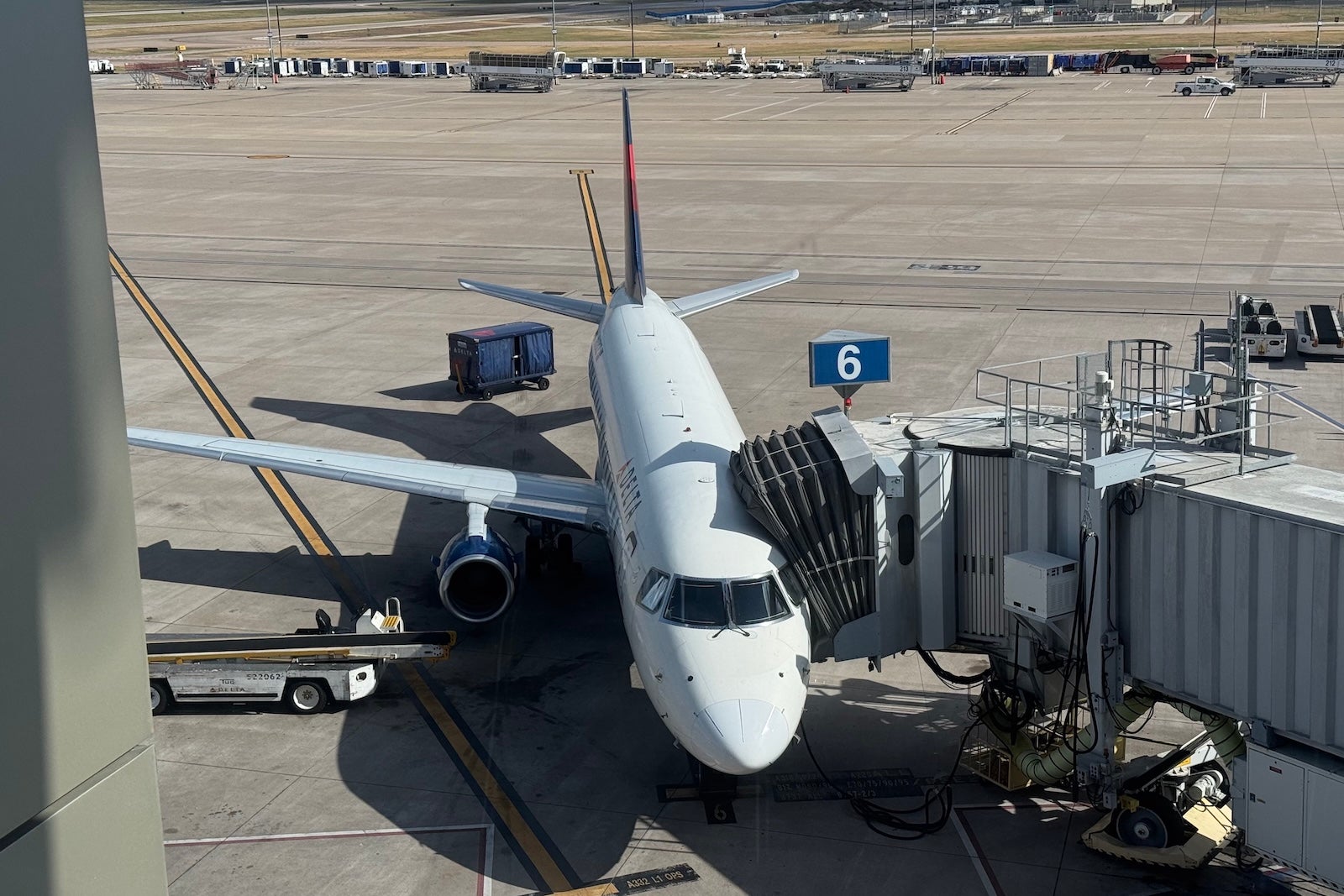
The aggressive expansion into sports travel is backed by cold, hard data. Everywhere you look in the current travel landscape, airlines are leaning into the sports market because it has proven to be remarkably resilient against economic headwinds. "The local market in sports is so popular right now, and so much money is being spent," Joe Esposito, Chief Commercial Officer at Delta Air Lines, noted during a recent industry panel in Texas. Esposito’s observation highlights a broader trend: while business travel continues its slow, post-pandemic evolution, leisure travel driven by "events" is skyrocketing. "No matter where you look in this country—whether it’s college, pro, or the WNBA—everything is packed," he added. "It’s an insatiable business."
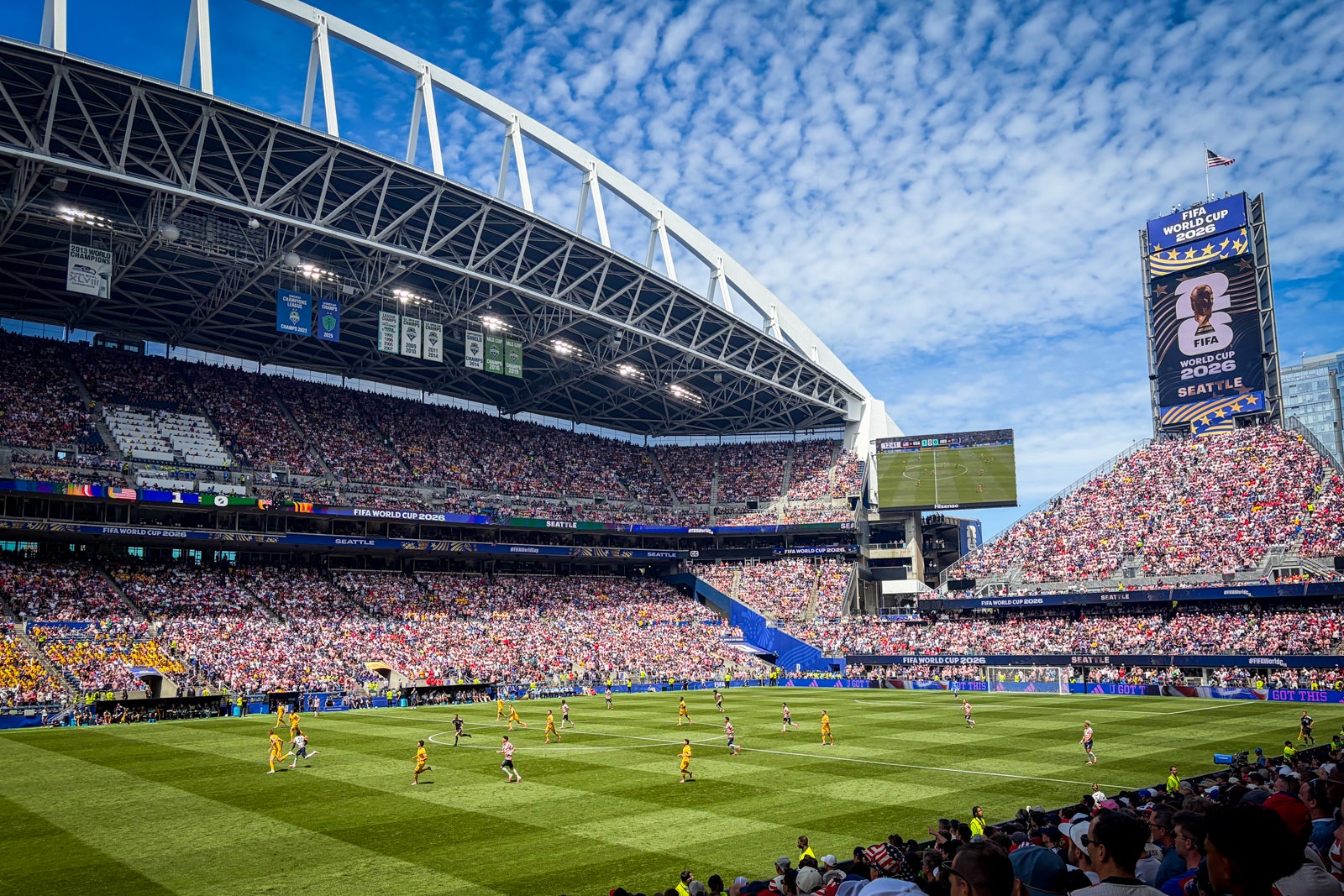
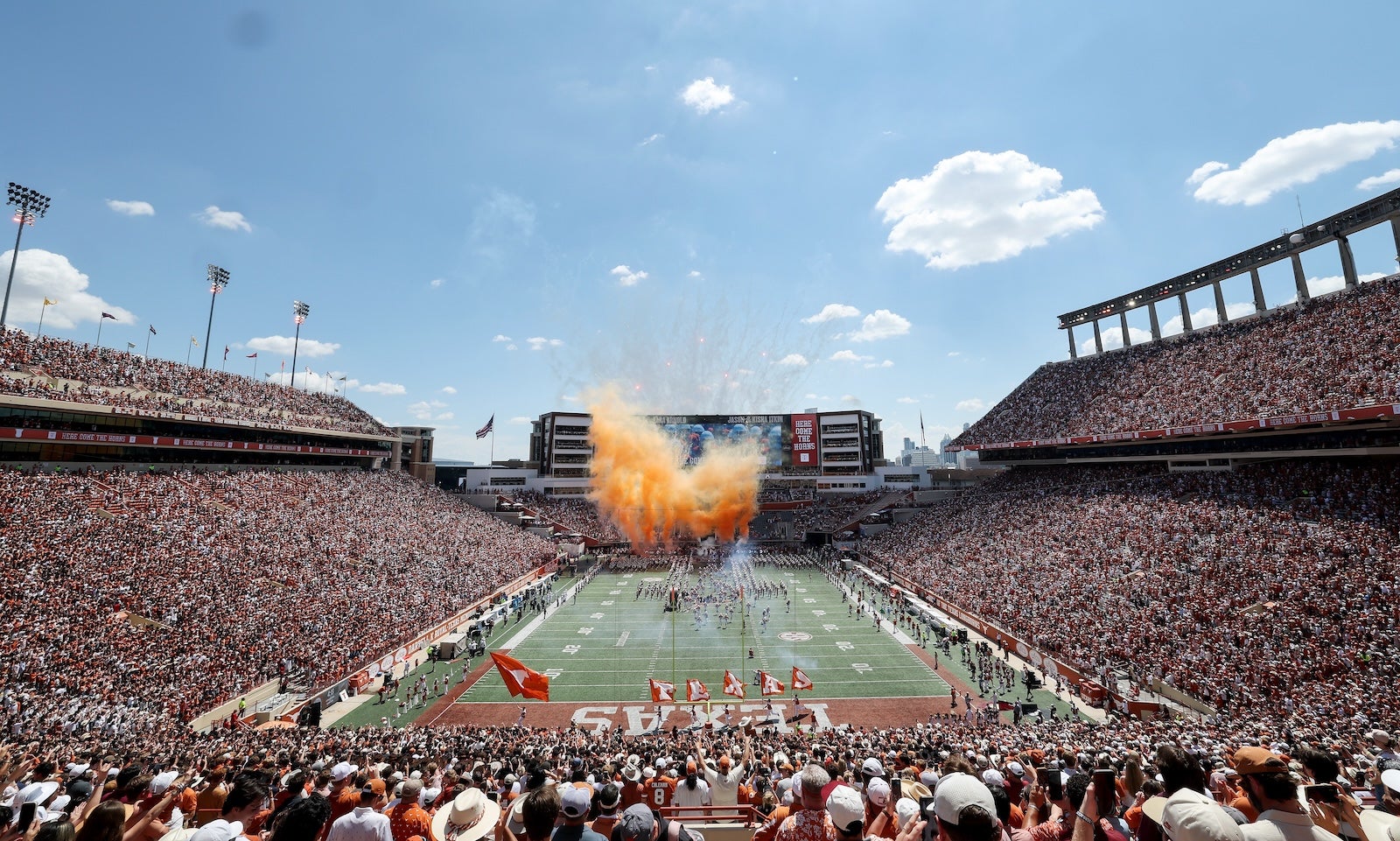
The scale of this "insatiable business" is staggering. According to the Sports Events and Tourism Association, fans spent an estimated $51.1 billion traveling to spectator sporting events in 2025 alone. Crucially, this figure was recorded even before the massive influx of international visitors arrived for the FIFA World Cup matches hosted in major U.S. cities. This surge in spending has transformed local economies. In Austin, Texas, tourism leaders report that one out of every six hotel room nights is now directly attributable to sports-related travel. Tom Noonan, CEO of Visit Austin, recently emphasized that sports "drives the summer" and "drives the weekends," calling it a cornerstone of the city’s economic future. The presence of the University of Texas Longhorns and the massive infrastructure of the Darrell K Royal–Texas Memorial Stadium have turned the city into a year-round pilgrimage site for fans, regardless of whether the local team is winning or losing.
While the concept of the "traveling fan" is as old as the games themselves, the methodology of that travel has undergone a radical transformation. Rose Gray, a veteran travel adviser with Wisconsin-based Fox World Travel, has spent over 40 years helping Green Bay Packers fans follow their team across the frozen tundra and beyond. She has observed a fundamental shift in consumer expectations. The era of the "budget fan"—the traveler who looks for the cheapest possible ticket, stays in a roadside motel an hour from the stadium, and survives on cooler-packed sandwiches—is being eclipsed by the "experience seeker."
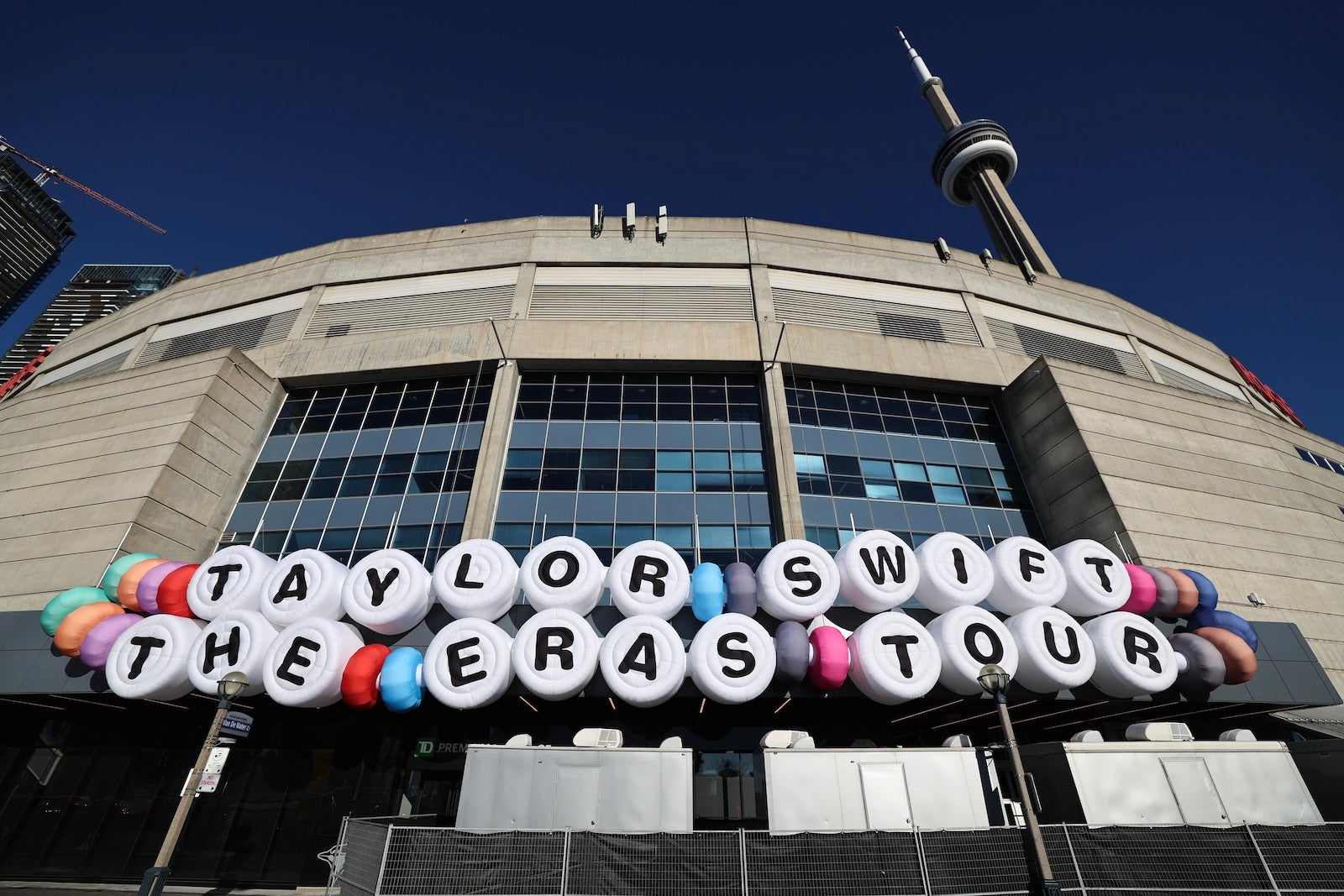
Today’s fans are increasingly likely to request high-end packages. Gray notes that clients are no longer satisfied with just being in the city; they want to be in the center of the action. They are asking for Formula One packages in Monaco that include prime grandstand seating and exclusive meet-and-greets with drivers. "They’re looking for an experience," Gray explained. "It’s not just a game. It’s talking to the locals, learning about the local cuisine, and being as close as possible." This "all-in" approach is a cultural phenomenon cut from the same cloth as the "Swiftie" effect seen during Taylor Swift’s record-breaking Eras Tour. Just as fans spent thousands on flights, sequins, and luxury hotels to see a three-hour concert, sports fans are viewing a weekend away as a justifiable splurge in an era of high inflation.
Wendy Zajack, an adjunct professor specializing in consumer behavior at Georgetown University’s McDonough School of Business, argues that this spending isn’t necessarily a sign of widespread wealth, but rather a shift in priorities. In the face of higher borrowing costs and stubborn grocery prices, consumers are choosing to "save for a big moment." When they finally commit to that trip, they choose to "go all in" rather than cut corners. This psychological shift suggests that "live" events have become a form of social currency that fans are unwilling to sacrifice, even when their discretionary income is squeezed.
Airlines have refined their ability to capitalize on this sentiment. Southwest’s strategy for November includes a unique nonstop service between Oklahoma City and Jacksonville to accommodate Oklahoma State fans heading to play the University of Florida. Additionally, the weekend before Thanksgiving will see a special route between Columbus and Omaha for the Ohio State-Nebraska game. While these "game day" flights are not entirely new—United has been experimenting with the concept for nearly a decade—the sophistication of the data used to schedule them has reached new heights.
"We’ve developed a much deeper understanding of where fans want to go and how they prefer to travel," Michael Weeks, United’s Managing Director of Domestic Schedule Development, told TPG. By bypassing hubs and offering point-to-point service between cities like Birmingham, Alabama, and Baton Rouge, Louisiana, for the Alabama-LSU matchup, United is reducing friction for the traveler. "That experience has helped us become more strategic in identifying the right games, matching capacity to demand, and creating schedules that work well for customers," Weeks said.
The horizon for sports travel extends far beyond the American gridiron. The link between athletics and aviation is becoming increasingly global as leagues seek to colonize new markets. The NFL is currently planning its most ambitious international tour for 2026, building on the momentum of its first-ever game in Australia at the Melbourne Cricket Ground. Major League Baseball is also doubling down on "destination games," including a return to the iconic "Field of Dreams" site in Iowa next summer. Furthermore, the 2028 Olympics in Los Angeles are already triggering a surge in long-term planning and ticket inquiries.
As the world becomes more digitized, the value of the "in-real-life" experience continues to climb. Wendy Zajack believes we are currently "craving unique time-bound events," and she sees no end in sight for the sports travel boom. For fans looking to navigate this high-demand landscape, the experts at TPG recommend a proactive approach. The most successful travelers are "schedule-watchers" who begin searching for flights and hotels the moment the season calendar is released. Because airlines often price these special event flights at a premium, booking 11 months in advance using miles and points can yield significant savings, provided the traveler chooses refundable or changeable options.
Moreover, protecting these high-stakes trips is essential. Experts suggest using credit cards with built-in travel insurance to cover potential flight delays or cancellations that could cause a fan to miss the opening kickoff. To avoid the peak pricing and airport congestion that occurs on the Friday before and the Monday after a big game, fans should consider arriving a few days early or staying a few days late. This not only eases the financial burden but allows for a deeper immersion into the local culture—turning a three-hour game into a week-long vacation. As airlines continue to bet big on the "big game," the message to fans is clear: the sky is no longer a limit for your loyalty, but you’ll need to plan as strategically as a head coach to make the most of it.
