
 By admin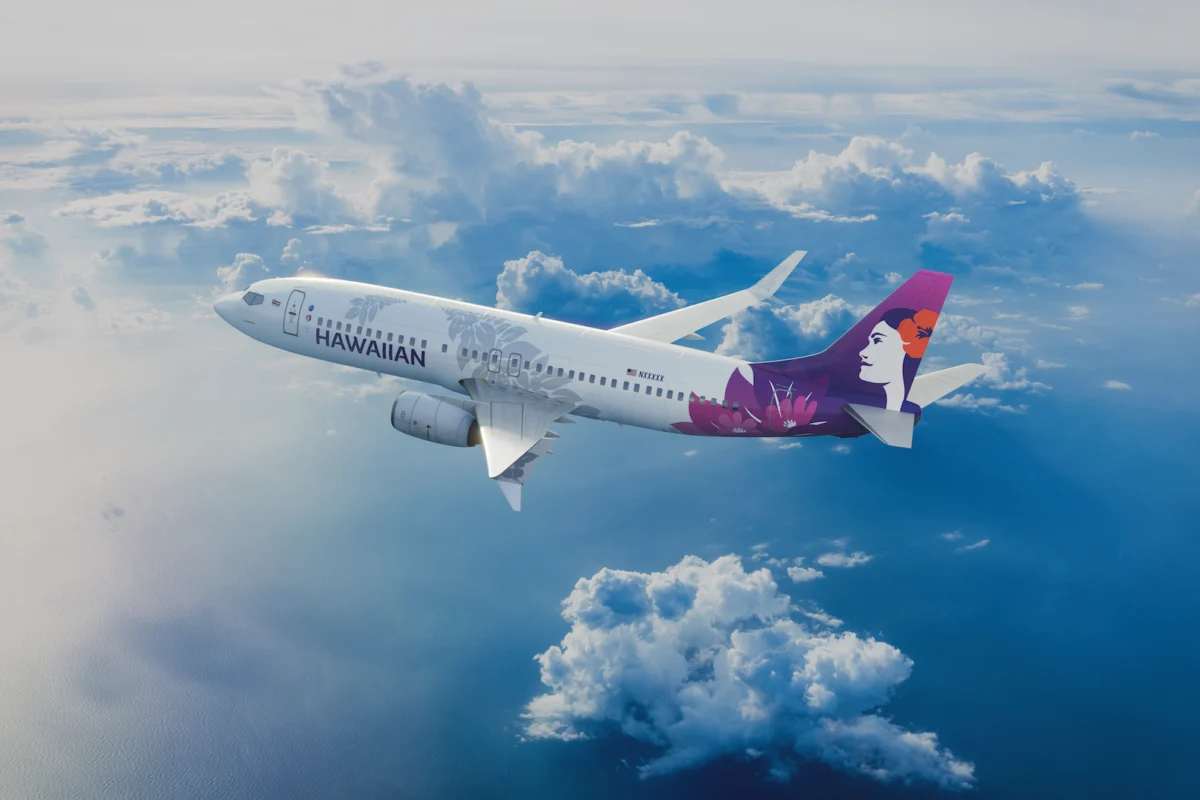
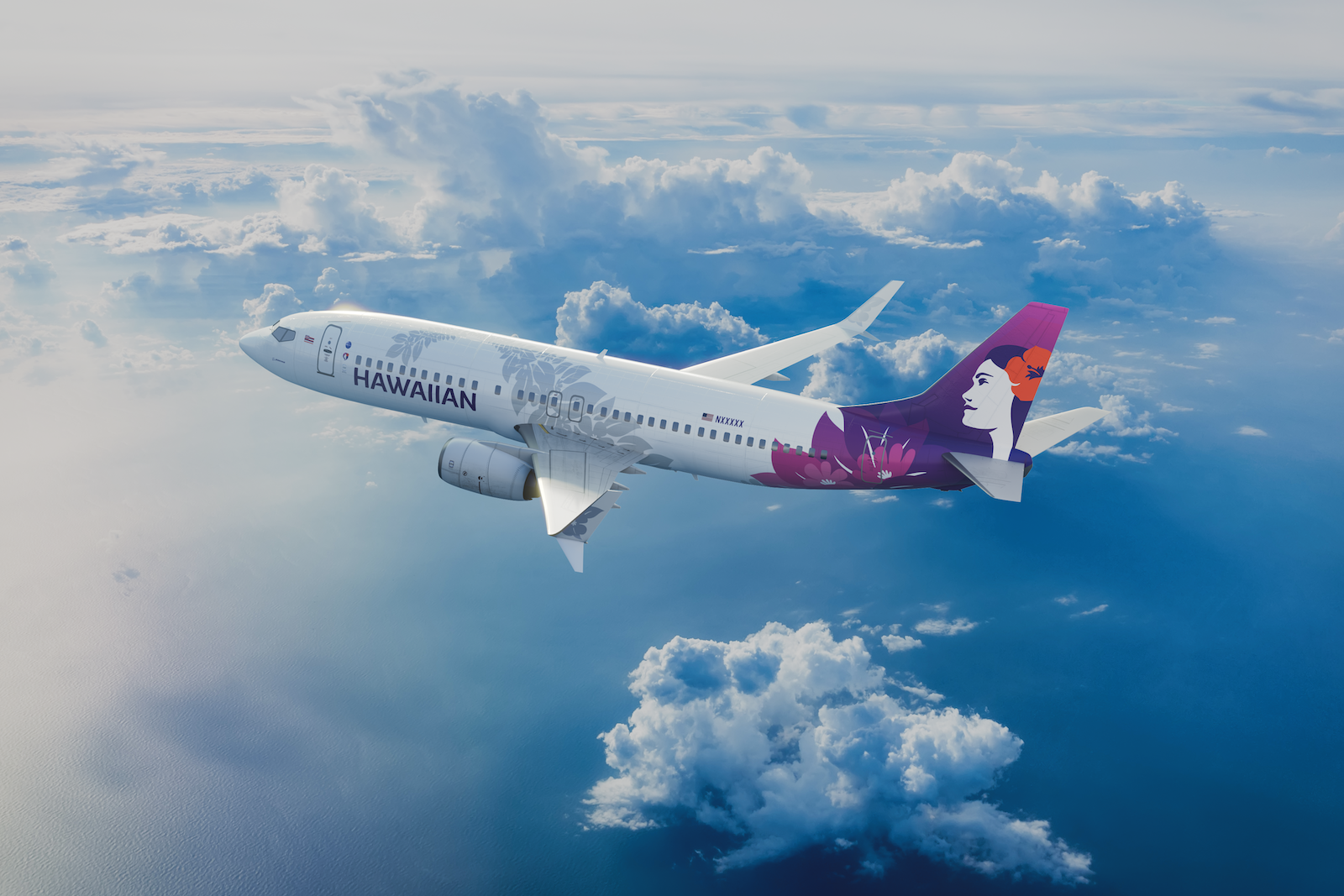
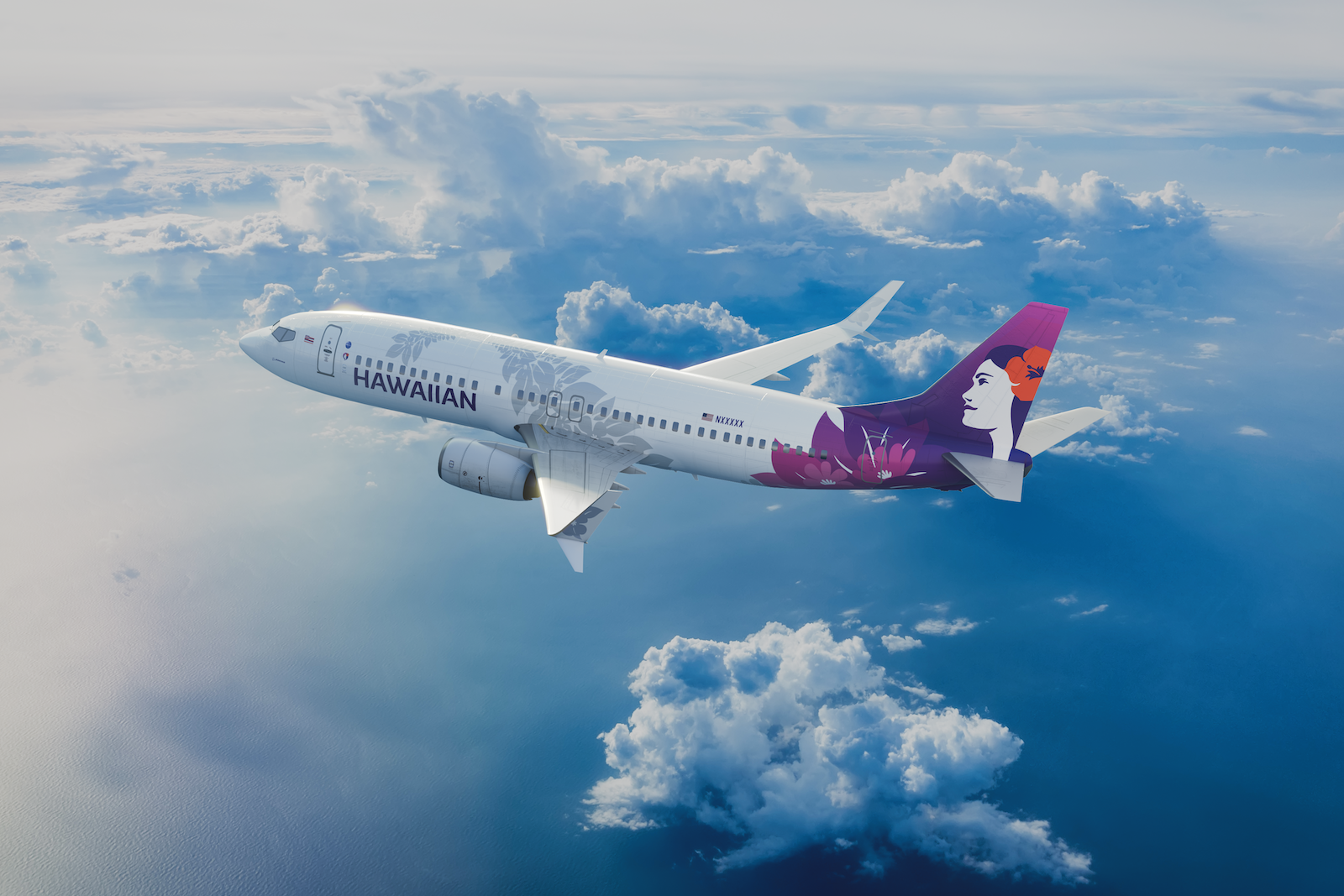
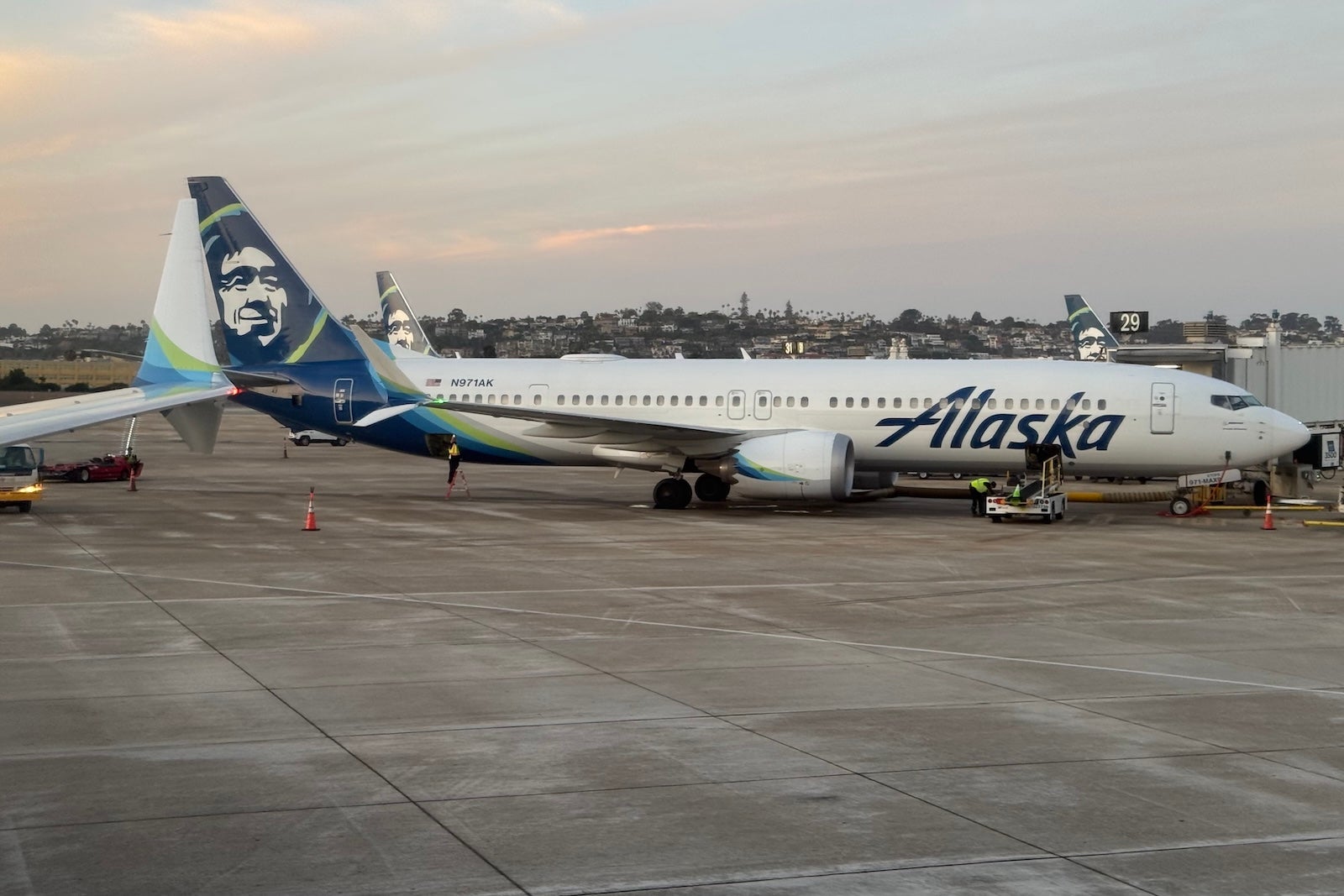
In a strategic move that marks one of the most significant operational shifts since the blockbuster merger of Alaska Air Group and Hawaiian Airlines, the parent company has officially announced a comprehensive fleet modernization plan for the "neighbor island" routes. The centerpiece of this initiative involves the phased retirement of Hawaiian Airlines’ iconic but aging Boeing 717-200 fleet, which has served as the backbone of inter-island transit for over two decades. In their place, Alaska Airlines will deploy refreshed Boeing 737-800 aircraft, specifically tailored to meet the unique demands of the Hawaiian market while wearing the storied livery of Hawaiian Airlines.
The transition, slated to begin in earnest in 2028, represents a pivotal moment for aviation in the Aloha State. For years, the Boeing 717 has been the workhorse of the Pacific, performing short-hop "cycles"—takeoffs and landings—at a frequency rarely seen in mainland operations. However, with the average age of Hawaiian’s 717 fleet hovering around 25 years, the cost of maintenance and the scarcity of parts for the out-of-production airframe have made a replacement strategy inevitable. By leveraging Alaska’s extensive 737-800 inventory, the combined company aims to harmonize its maintenance protocols, increase passenger capacity, and introduce modern amenities to a segment of travel that has long remained a "no-frills" experience.
The Sunset of the Boeing 717 "Mad Dog" Heritage
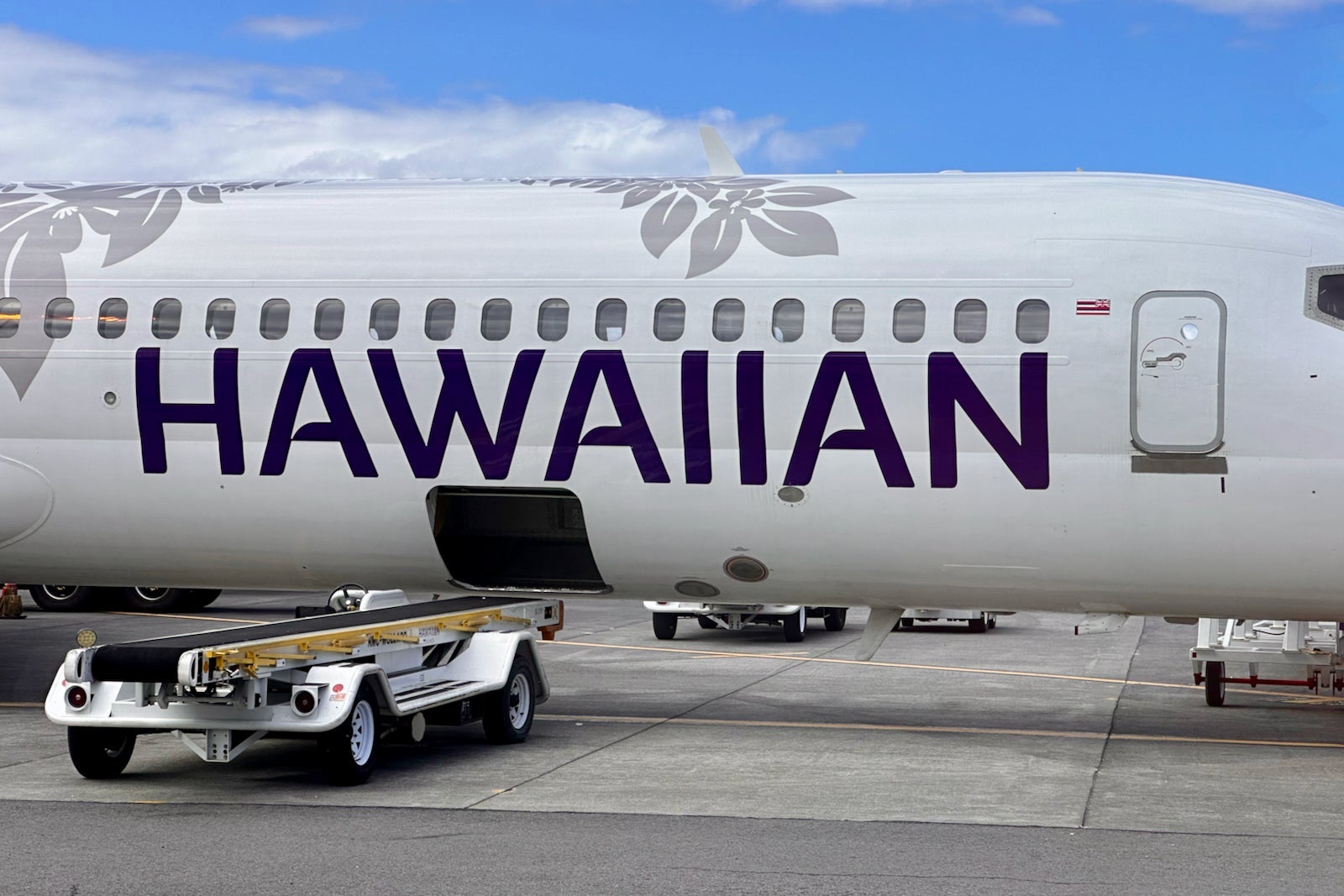
The Boeing 717, originally designed by McDonnell Douglas as the MD-95, is a rare breed in modern aviation. Known for its rapid climbing ability and rugged durability, it was purpose-built for high-frequency, short-duration flights. Hawaiian Airlines currently operates approximately 19 to 20 of these aircraft, facilitating upwards of 160 daily departures between Honolulu (HNL), Kahului (OGG), Lihue (LIH), Kona (KOA), and Hilo (ITO).
Despite its reliability, the 717 is a product of a bygone era. It lacks the fuel efficiency of modern narrow-body jets and, perhaps more importantly, lacks the cabin flexibility required for today’s tiered passenger experience. As these aircraft reach the end of their structural lifespans, Alaska Air Group’s decision to move toward the Boeing 737-800 reflects a broader industry trend toward fleet commonality. By operating a single primary aircraft type across both brands, the company can streamline pilot training, spare parts inventory, and ground handling procedures, significantly reducing the overhead costs that have historically squeezed margins on inter-island routes.
A New Era of Passenger Comfort and Capacity
The introduction of the Boeing 737-800 to the inter-island network is not merely a logistical swap; it is a significant upgrade in the passenger experience. One of the most striking changes will be the increase in seat density and premium offerings. While the Boeing 717 typically accommodates between 123 and 128 passengers, the 737-800 will be configured with 161 seats.
The seating breakdown reveals a clear focus on the premium traveler. The 737-800 will feature 16 First Class seats, doubling the eight currently offered on the 717. Furthermore, the "Premium Class" section—offering extra legroom—will see an even more dramatic expansion, jumping from 17 seats on the 717 to 36 on the 737. The Main Cabin will also see an increase from 98 to 109 seats. This roughly 28% increase in total capacity per flight will allow the airline to better manage peak demand periods, such as holidays and weekends, without necessarily increasing the number of daily departures.
Beyond seat counts, the 737s will bring high-speed connectivity to the Hawaiian skies. Alaska Airlines has been an early adopter of Starlink’s satellite-based Wi-Fi, which offers low-latency, high-speed internet capable of streaming and gaming. Integrating this technology into the inter-island fleet will be a first for the market, providing a competitive edge over rivals who have traditionally viewed the 20-to-40-minute flights as too short to justify Wi-Fi investments. Additionally, the larger cargo holds of the 737-800 will be a boon for local residents and sports enthusiasts, as the aircraft can more easily accommodate oversized items like surfboards and specialized athletic gear, which are integral to the Hawaiian lifestyle.
Strategic Implementation and Early Rollout
While the full fleet transition is a long-term project beginning in 2028, travelers will see the 737-800 in action much sooner. Alaska Air Group confirmed that it plans to base a 737-800 in Honolulu starting in October 2026. This aircraft will initially operate three daily round-trips between Honolulu and Maui’s Kahului Airport. This early deployment serves as a "proof of concept," allowing the airline to test ground operations, turnaround times, and passenger boarding flows for the larger aircraft at Hawaii’s busy terminals.
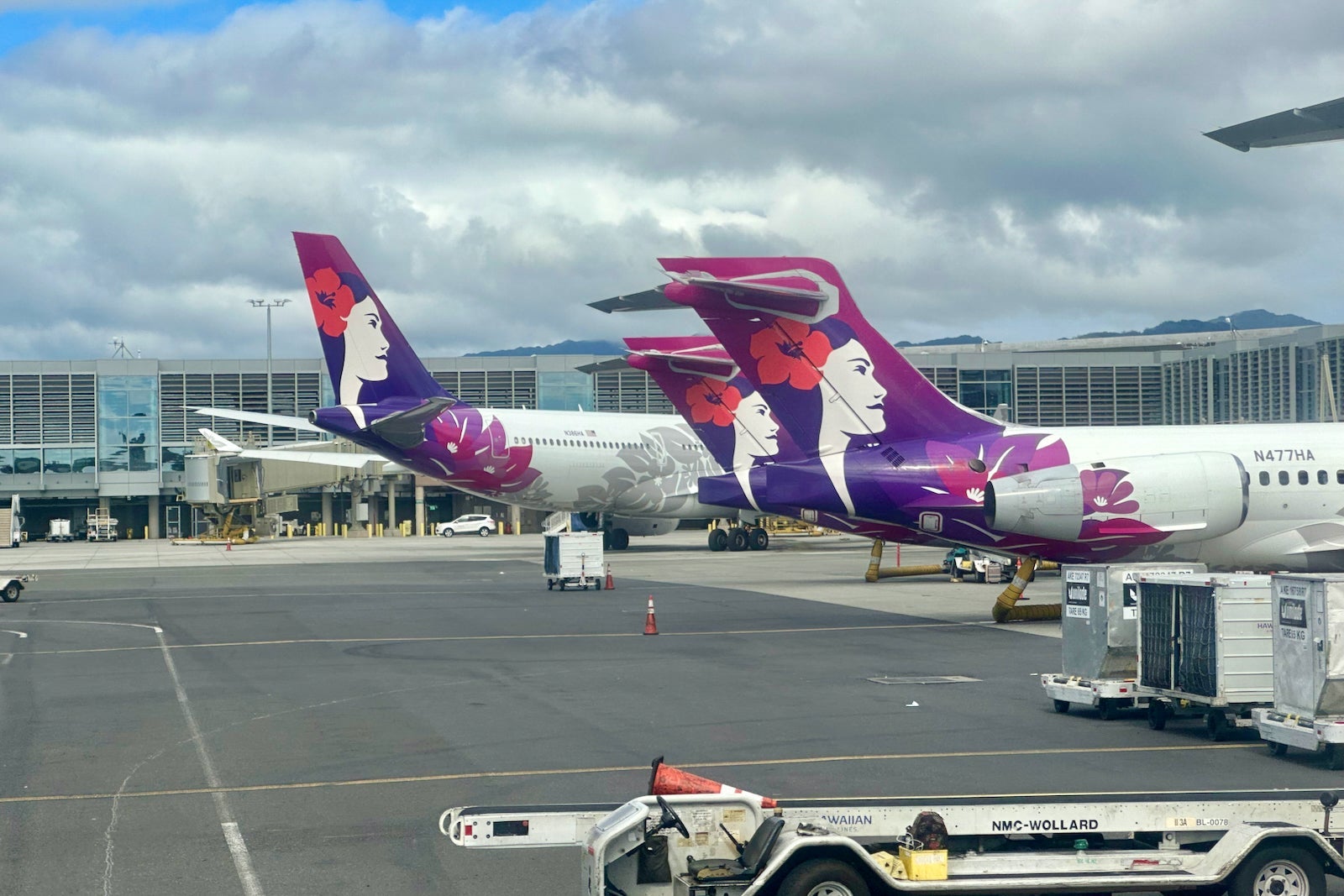
Crucially, the airline is emphasizing the "Hawaiian" identity. Although the planes are coming from Alaska’s fleet, they will undergo a complete rebranding. "This decision reflects our commitment to invest in Hawai’i for the long term, to strengthen Hawaiian Airlines and to honor the local expertise, culture and care that have made Hawaiian the airline of Hawaii for nearly a century," stated CEO Diana Birkett Rakao. The company intends for all aircraft flying within the state or between the mainland and the islands to eventually sport the iconic Pualani livery, ensuring that the brand remains a symbol of local pride.
The Broader Merger Context: Reshuffling the Global Deck
The fleet changes on inter-island routes are just one piece of a much larger puzzle following the $1.9 billion acquisition of Hawaiian Airlines by Alaska Air Group in 2024. The merger was predicated on the idea of "two brands, one airline," and the management team has been busy optimizing assets to play to each brand’s strengths.
One of the most notable moves has been the redeployment of Hawaiian’s new Boeing 787-9 Dreamliners. While these aircraft were originally intended to bolster Hawaiian’s long-haul Pacific routes, Alaska has shifted focus, using the Dreamliners to launch or support routes from Seattle to major hubs in Europe and Asia. This allows Alaska to compete more effectively in the international long-haul market, while Hawaiian’s existing Airbus A330-200 fleet continues to handle the bulk of the domestic mainland-to-Hawaii traffic.
To ensure the A330s remain competitive, Alaska has announced a comprehensive retrofit program for these twin-aisle jets. The upgrades will include the installation of modern lie-flat business-class suites and a dedicated premium economy cabin, aligning the onboard product with the expectations of modern transpacific travelers.
Economic and Environmental Implications
The transition to the 737-800 also carries significant environmental and economic weight. The 737-800 is considerably more fuel-efficient than the 717, especially when considering the "per-seat" fuel burn. In an era where airlines are under increasing pressure to meet carbon neutrality goals, replacing older, thirstier engines with the 737’s CFM56-7B powerplants is a major step forward.
From a competitive standpoint, the move is a direct response to Southwest Airlines’ entry into the inter-island market in 2019. Southwest utilizes the Boeing 737-800 and 737 MAX 8 for its Hawaii flights, offering a consistent product and significant cargo capacity. By matching the aircraft type, Alaska/Hawaiian can compete on a level playing field regarding operating costs and capacity, while leaning on Hawaiian’s deep-rooted brand loyalty and superior frequency to maintain its market-leading position.
Looking Toward 2035: A Growing Fleet
The reallocation of 737-800s to Hawaii is made possible by Alaska’s aggressive fleet renewal on the mainland. Earlier this year, the carrier placed a massive order for 105 Boeing 737 MAX 10s, the largest variant of the MAX family. As these newer, more efficient planes arrive to handle transcontinental and mid-haul routes, the existing 737-800s—which are still highly capable and well-maintained—become available for the specialized mission in Hawaii.
Alaska Air Group expects its total fleet to grow by approximately 33% between now and 2035. This growth is not just about numbers; it is about precision. By placing the right aircraft on the right routes—Dreamliners for international expansion, MAX 10s for high-density mainland corridors, and 737-800s for the rugged, high-frequency Hawaiian circuits—the company is positioning itself as a dominant force in Pacific aviation.
Ultimately, the retirement of the Boeing 717 marks the end of a chapter for Hawaiian aviation history, but the arrival of the 737-800 signals a more sustainable and passenger-friendly future. For the residents of Hawaii, for whom these flights are often a necessity rather than a luxury, the promise of more seats, better Wi-Fi, and a continued commitment to the local brand is a welcome evolution in the sky.
