
 By Titik Puspa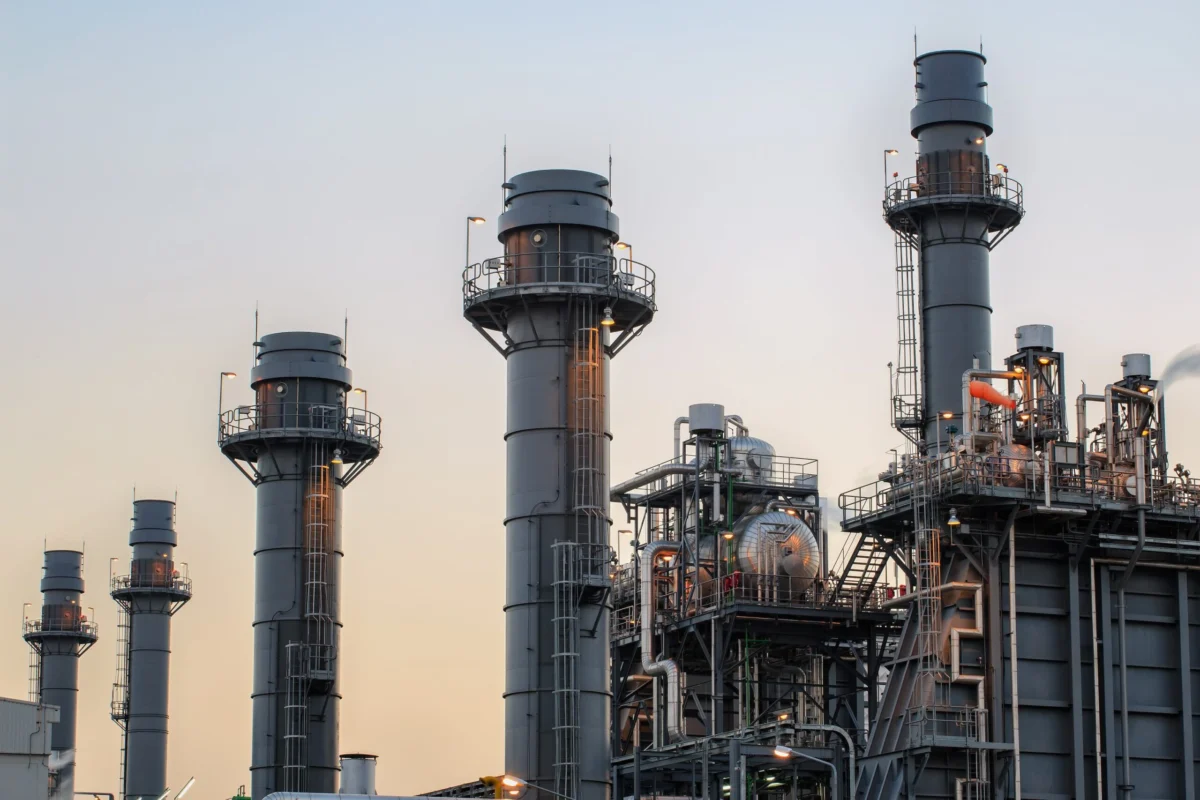
Amazon’s ambitious expansion into data center infrastructure in Pecos County, Texas, is drawing significant scrutiny, not for its technological prowess, but for the potential environmental consequences of its proposed on-site power plant. According to a report by The New York Times, this facility, designed to fuel the company’s burgeoning data operations, could ascend to the unenviable position of the largest source of climate pollution in the United States. The implications of this development are far-reaching, casting a shadow over Amazon’s public commitments to sustainability and raising critical questions about the environmental footprint of the rapidly expanding artificial intelligence (AI) sector.
The New York Times investigation reveals that the proposed power plant is slated to operate by burning natural gas, a fossil fuel whose combustion releases significant amounts of greenhouse gases, primarily carbon dioxide (CO2). The facility has reportedly been permitted to emit a staggering 33 million tons of CO2 annually. To contextualize this figure, it’s crucial to understand that this volume of emissions would surpass that of any other existing power plant in the United States. This revelation is particularly concerning given the global urgency to decarbonize energy systems and mitigate the impacts of climate change. The scale of potential emissions from a single facility underscores the monumental challenge of balancing technological advancement with environmental responsibility.
In response to these concerns, an Amazon spokesperson offered a statement attempting to allay fears. They confirmed that the data center will indeed be powered by "new on-site generation" and asserted that this setup "won’t raise electricity costs for Texas families." This latter point is a nod to the growing public apprehension surrounding data centers, which are increasingly facing political opposition. These centers are notorious for their voracious energy consumption, and their demand can indeed place a strain on local power grids, potentially impacting electricity prices. The spokesperson’s assertion, however, does little to address the core environmental concern: the significant carbon emissions associated with the proposed power source.
The broader context of Amazon’s environmental performance further complicates this narrative. The company has publicly pledged to eliminate its carbon emissions by 2040 through its co-founded Climate Pledge. However, recent reports indicate a concerning trend: Amazon’s carbon emissions actually increased by 16% last year. This upward trajectory is a stark warning sign, particularly as the company, like many other major tech firms, is heavily investing in and relying upon the development of massive, power-hungry data centers. These centers are the backbone of modern digital services, including the burgeoning field of artificial intelligence, which itself is proving to be an insatiable consumer of energy.
The spokesperson’s attempt to reconcile Amazon’s actions with its climate commitments also reveals a subtle shift in perspective. They acknowledged that "the world looks different now than when we co-founded the climate pledge," while simultaneously maintaining that "our commitment hasn’t changed." This statement suggests a potential re-evaluation of how those commitments are being interpreted or implemented in light of evolving technological demands and market realities. It raises the question of whether the original pledges adequately accounted for the immense energy requirements of next-generation technologies like AI, and whether the urgency of the climate crisis necessitates more aggressive and immediate action than initially envisioned.
The reliance on natural gas for power generation, especially at this scale, is a point of contention for environmental advocates. While often presented as a "cleaner" alternative to coal, natural gas is still a fossil fuel, and its extraction and combustion contribute to greenhouse gas emissions. Methane, the primary component of natural gas, is a potent greenhouse gas with a much higher warming potential than CO2 over shorter timescales. Furthermore, the extraction process, particularly through hydraulic fracturing (fracking), can lead to environmental damage, including water contamination and seismic activity. The decision to build a massive natural gas-fired power plant, therefore, directly contradicts the spirit, if not the letter, of ambitious climate goals.
The environmental impact of data centers is a growing concern globally. These facilities, essential for cloud computing, streaming services, and the processing power required for AI algorithms, consume vast amounts of electricity. As demand for digital services and AI capabilities continues to skyrocket, so too does the demand for energy. This has led to a global race to build more data centers, often in regions with access to affordable electricity. However, the environmental consequences of this rapid expansion are becoming increasingly apparent. Reports have surfaced of data center developers seeking to build large natural gas plants to meet their energy needs, raising alarms about a potential resurgence of fossil fuel infrastructure under the guise of technological progress.
The Pecos County project exemplifies this trend. The sheer scale of the proposed power plant suggests a long-term commitment to natural gas as a primary energy source for Amazon’s data operations in the region. This raises questions about the company’s investment strategy and its willingness to explore or prioritize renewable energy sources for such critical infrastructure. While Amazon has invested in renewable energy projects, the decision to build a dedicated, potentially massive, fossil fuel power plant for its data center suggests a gap between its broader sustainability rhetoric and its operational choices for its most energy-intensive assets.
Experts in the energy and environmental fields have weighed in on the implications of such projects. Dr. Anya Sharma, a climate policy analyst at the Global Environmental Institute, commented, "The scale of emissions permitted for this Amazon facility is deeply concerning. It highlights a critical tension between the rapid growth of the digital economy, particularly AI, and our collective ability to decarbonize. While companies like Amazon make public commitments to net-zero, the reality on the ground, as evidenced by this project, suggests a continued reliance on fossil fuels to meet immediate energy demands." She added, "This isn’t just about Amazon; it’s a microcosm of a larger challenge facing the entire tech industry. The insatiable appetite of AI for computing power requires immense energy, and without a clear and aggressive transition to renewables, we risk locking in decades of new fossil fuel infrastructure."
The economic rationale behind Amazon’s decision is also worth exploring. Natural gas has historically been a relatively inexpensive and abundant energy source in Texas, a state with a deregulated energy market. Building an on-site power plant can provide Amazon with greater control over its energy supply and costs, insulating it from the volatility of wholesale electricity prices. The spokesperson’s claim that this won’t raise costs for Texas families might be accurate if the plant is designed to serve the data center exclusively and not to supplement the public grid in a way that drives up overall rates. However, the environmental externalities of burning fossil fuels are often not fully accounted for in such economic calculations, leading to a situation where the true cost to society and the planet is not reflected in the price of electricity.
Furthermore, the concept of "new on-site generation" can be interpreted in various ways. If this generation is entirely renewable, the environmental concerns would be significantly reduced. However, the New York Times report explicitly states the plant would burn natural gas. This distinction is crucial. The potential for this facility to become the largest single source of climate pollution in the U.S. is a direct consequence of relying on a fossil fuel at such an unprecedented scale for a single entity.
The political landscape surrounding data centers and energy infrastructure in Texas is also a relevant factor. Texas has a long history of supporting the oil and gas industry, and the state’s regulatory environment has often been favorable to fossil fuel development. This can create a challenging environment for renewable energy advocates and may influence the choices made by large energy consumers like Amazon.
The situation also raises broader questions about corporate accountability and the effectiveness of voluntary climate pledges. The Climate Pledge, while a laudable initiative, relies on corporate commitment and self-reporting. When operational decisions, like the construction of a massive natural gas power plant, appear to contradict stated goals, it erodes public trust and calls into question the sincerity of these pledges. Critics argue that stronger regulatory frameworks and independent oversight are necessary to ensure that corporate climate commitments translate into tangible environmental action.
The spokesperson’s statement about the world looking different also alludes to the rapid evolution of AI. The computational demands of advanced AI models, particularly generative AI and large language models, are significantly higher than those of earlier computing technologies. This escalating demand for processing power directly translates into an escalating demand for electricity. Amazon, as a major player in cloud computing and AI development through AWS, is at the forefront of this trend. Their investment in such a large power plant suggests a strategic response to the projected future energy needs of their AI-focused services.
The potential environmental legacy of this project is significant. If the power plant operates at its permitted capacity for its expected lifespan, it will contribute a substantial amount of CO2 to the atmosphere. This will not only directly contribute to global warming but also set a precedent for other companies in the tech sector facing similar energy demands. The "business as usual" approach, characterized by continued reliance on fossil fuels for power generation, is incompatible with the urgent need to transition to a low-carbon economy.
In conclusion, Amazon’s planned data center in Pecos County, Texas, and its accompanying on-site power plant, represent a critical juncture in the company’s environmental journey and highlight the complex challenges of powering the digital age sustainably. While Amazon asserts its commitment to climate goals, the reported scale of potential emissions from its natural gas-fired plant raises serious concerns. This development underscores the urgent need for greater transparency, robust regulatory oversight, and a decisive shift towards renewable energy sources to ensure that technological progress does not come at the irreversible expense of our planet’s health. The future of climate action hinges on the ability of major corporations to align their operational realities with their ambitious environmental promises, especially in the face of escalating energy demands from transformative technologies like AI.
