
 By admin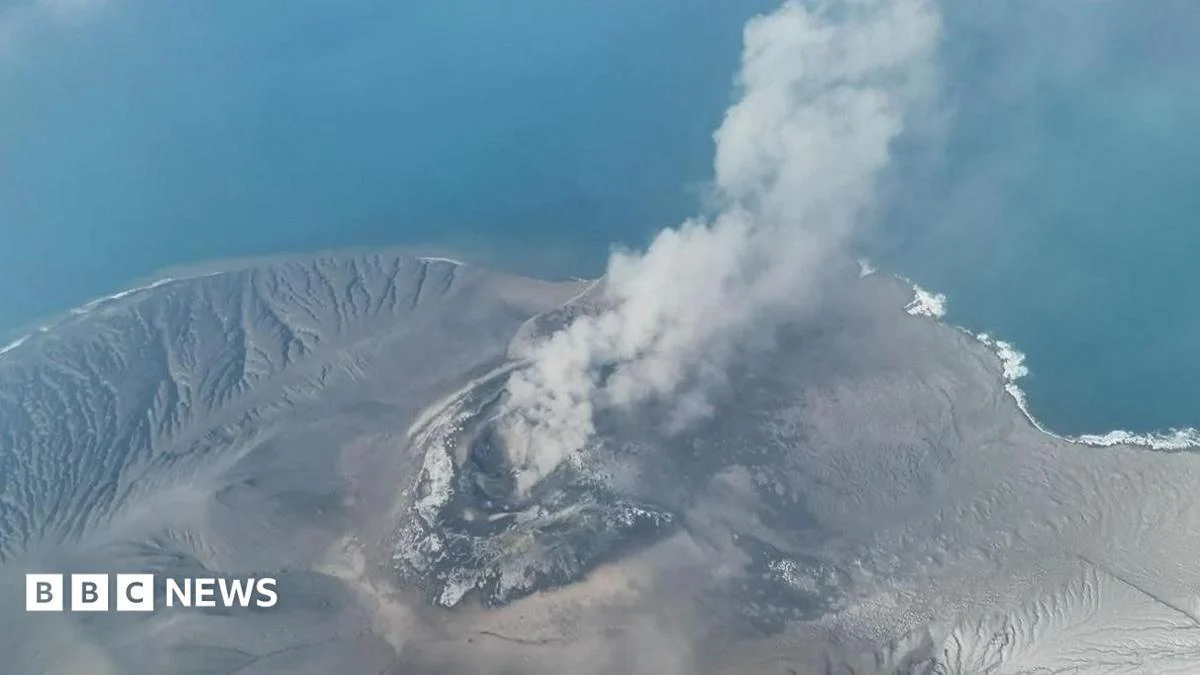
Authorities have confirmed there is no tsunami warning linked to the recent activity of the volcano, which is in the Sunda Strait between the islands of Java and Sumatra. However, the pervasive ashfall emanating from Anak Krakatau has prompted significant health concerns and disruption for nearby communities. The Indonesian Minister of Health has issued a stern directive, urging residents in the affected regions to remain indoors and to utilize face masks as a critical protective measure against the myriad respiratory, ocular, and dermatological risks posed by the volcanic particulate matter. This advisory underscores the tangible impact of the volcano’s renewed activity, which, while not posing a tsunami threat, is demonstrably affecting the daily lives and well-being of the populace.
The immediate consequences of the ash cloud are being felt acutely by the local population. According to a report in the esteemed local newspaper Kompas, educational institutions were compelled to cancel all activities on Saturday. This drastic measure was implemented after a concerning number of students and residents began reporting distressing symptoms of eye irritation. The fine volcanic ash, carried by prevailing winds, settled over populated areas, transforming what would have been a normal Saturday into a day of discomfort and concern. The impact was not confined to land-based activities; several fishermen, who ply their trade in the waters of the Sunda Strait, also reported similar experiences of sore eyes, leading them to cancel their planned fishing trips at sea. This highlights the widespread nature of the ash dispersal and its immediate impact on economic activities reliant on clear visibility and comfortable outdoor conditions.
The personal accounts of those directly experiencing the ashfall paint a vivid picture of the severity of the situation. Aldi Candra Prayogi, a resident of one of the affected areas, shared his unsettling experience with Kompas. He described a persistent, gritty sensation in his eyes, akin to “small grains of sand had gotten into my eyes,” which began on Friday evening. The irritation was so pronounced that he found himself reliant on eye drops to find any measure of relief. His ordeal extended beyond mere discomfort; the ashfall was so dense that he reported needing to sweep the front yard of his house with a frequency of every five minutes. This remarkable detail illustrates the sheer volume of ash descending from the sky, creating an almost insurmountable layer of particulate matter that disrupts even the most basic of daily routines. The constant need to clear the ash signifies not only a nuisance but also a potential long-term environmental challenge for the communities.
Anak Krakatau, a name that translates to "Child of Krakatoa," carries a potent historical legacy. The volcano has been characterized by sporadic periods of activity since its dramatic emergence from the sea at the dawn of the 20th century. Its genesis lies within the caldera formed in the aftermath of the cataclysmic 1883 eruption of the original Mount Krakatoa. This geological context is crucial to understanding the volcano’s current behavior. Unlike many other volcanoes that exhibit more predictable eruption patterns, Anak Krakatau’s history is marked by sudden and significant events, often with profound consequences. Its emergence itself was a testament to the powerful geological forces at play in the region.
The destructive potential of Anak Krakatau was tragically underscored in December 2018. In a devastating event, the volcano experienced a significant collapse, an event that triggered a colossal tsunami. This natural disaster resulted in the deaths of over 400 people and left thousands more displaced and injured along the nearby coastlines of Sumatra and Java. The scale of the 2018 tsunami was a stark reminder of the inherent dangers associated with volcanic activity in this geologically active zone. Scientific investigations following the event revealed the immense scale of the collapse; researchers found that some of the rock fragments that slid from the volcano were astonishingly large, measuring approximately 70 to 90 meters in height. This finding provided critical insights into the mechanics of the collapse and the sheer force involved in generating the subsequent tsunami.
The geographical location of Anak Krakatau is intrinsically linked to the broader context of the Pacific Ring of Fire. This vast and dynamic geological zone is a horseshoe-shaped belt that encircles the Pacific Ocean, characterized by a high concentration of volcanic activity and seismic events. The Ring of Fire stretches across an immense 40,000 kilometers (25,000 miles), extending from the southern tip of South America all the way to New Zealand. It is within this volatile region that approximately 90% of all earthquakes worldwide occur, and a staggering 75% of all active volcanoes on Earth are situated. This includes an estimated 452 individual active volcanoes, making the Ring of Fire a region of perpetual geological interest and, at times, significant hazard. Anak Krakatau, by its very location, is a participant in this ongoing geological drama.
The current ashfall from Anak Krakatau, while not triggering a tsunami, presents a different set of challenges. Volcanic ash, composed of finely ground rock, mineral, and volcanic glass, can have far-reaching effects. Beyond the immediate irritation to eyes, skin, and the respiratory system, fine ash particles can infiltrate buildings, disrupt transportation networks (particularly air travel), and contaminate water sources. The long-term implications of prolonged ashfall can include damage to agricultural land and potential impacts on marine ecosystems. The persistent nature of the ashfall, as evidenced by Mr. Prayogi’s account, suggests a sustained period of emission from the volcano, necessitating ongoing monitoring and preparedness.
The health minister’s directive to stay indoors and wear masks is a standard and prudent response to volcanic ash. Respirators, particularly those rated for fine particulate matter (such as N95 masks), are recommended to prevent inhalation of ash, which can exacerbate pre-existing respiratory conditions like asthma and bronchitis, and even cause acute respiratory distress in healthy individuals. For the eyes, protective eyewear or regular flushing with clean water is advised. Skin contact with ash can lead to irritation and rashes, so covering exposed skin is also beneficial. The dispersal of volcanic ash is a complex phenomenon, influenced by wind patterns, ash particle size, and eruption intensity, meaning that the affected areas can shift and change over time.
The scientific community plays a crucial role in understanding and mitigating the risks associated with volcanic activity. Ongoing monitoring of Anak Krakatau, employing seismometers, GPS, and satellite imagery, provides vital data on its internal processes and potential for future eruptions. Understanding the magma chamber, the rate of magma ascent, and the structural integrity of the volcano are all critical for issuing timely and accurate warnings. The history of Anak Krakatau, particularly its dramatic collapse in 2018, serves as a constant reminder that even seemingly dormant periods can be followed by sudden and powerful events. Researchers are continually refining their models to better predict the behavior of such complex volcanic systems.
The socio-economic impact of such events cannot be understated. Beyond the immediate health concerns and property damage, ashfall can cripple local economies. Fishermen are unable to go to sea, impacting their livelihoods and the supply chain for seafood. Farmers may face crop damage and loss of livestock. Tourism, a vital industry for many coastal communities, can be severely affected by ash-laden skies and disrupted travel. The psychological toll on residents, living under the constant threat of volcanic activity and dealing with its immediate consequences, is also a significant factor. Rebuilding and recovery efforts after such events require sustained support and careful planning.
In conclusion, while the immediate threat of a tsunami has been ruled out, the ongoing activity of Anak Krakatau and its resultant ashfall present a clear and present danger to the health and well-being of the surrounding communities. The Indonesian government’s proactive health advisories, coupled with the diligent work of scientists and the resilience of the local population, are crucial in navigating this challenging period. The history of Anak Krakatau serves as a potent reminder of the immense power of nature and the importance of preparedness and understanding in living alongside such formidable geological forces. The continuous monitoring and scientific research into this dynamic volcano are essential for safeguarding lives and livelihoods in the Sunda Strait region.
