
 By Titik Puspa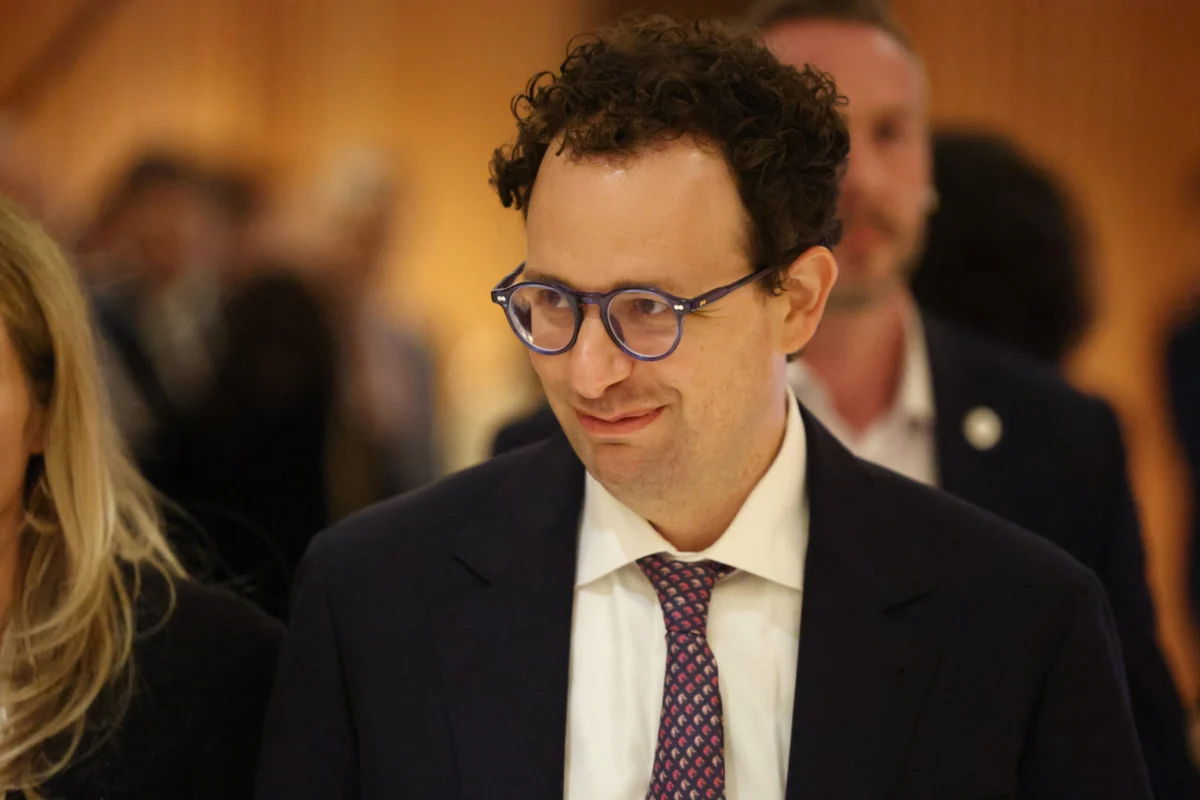
In a whirlwind weekend that underscores the escalating prominence of artificial intelligence in both policy and popular culture, Anthropic CEO Dario Amodei found himself at the center of two vastly different, yet equally significant, events. On Saturday, September 27, 2026, the AI luminary was humorously lampooned on the highly anticipated season premiere of "Saturday Night Live." Just hours later, the same evening, Amodei was scheduled to have a private dinner with President Donald Trump at the White House. This juxtaposition highlights the complex and often contradictory landscape surrounding AI development and regulation.
The news of Amodei’s dinner engagement, first reported by Axios and subsequently confirmed by TechCrunch through a source close to his plans, marks a pivotal moment in the ongoing dialogue about artificial intelligence. This meeting represents the first one-on-one encounter between Amodei and President Trump, two figures who have recently occupied opposing ends of the critical AI safety debate. Amodei, a leading voice advocating for a more cautious approach to AI advancement, recently unveiled a comprehensive plan aimed at moderating the pace of AI development, emphasizing the need for deliberate progress and robust safety measures. Conversely, President Trump has publicly dismissed concerns about AI, attributing the growing apprehension to what he terms a "Democratic hoax," and has proposed rebranding the technology as "super intelligence." This ideological chasm sets the stage for a potentially illuminating, albeit challenging, conversation at the highest levels of government.
The relationship between Amodei, his company Anthropic, and the Trump administration has been characterized by a degree of friction, even predating the current discourse on AI safety. Earlier in 2026, the Pentagon controversially designated Anthropic as a supply-chain risk, a move that stemmed from the company’s efforts to implement guardrails and ethical constraints on the deployment of its AI technologies. Anthropic has actively contested this designation, engaging in legal battles to challenge the Pentagon’s assessment. Despite this adversarial stance from certain sectors of the administration, other government officials have exhibited a more amenable disposition towards Anthropic, suggesting a nuanced and evolving relationship.
The "Saturday Night Live" appearance adds another layer to Amodei’s public profile, demonstrating how AI’s societal impact has permeated mainstream entertainment. While the specifics of the SNL sketch are not detailed in the provided content, the fact that the CEO of a leading AI company is a subject of comedic satire underscores the growing public awareness and, perhaps, a degree of apprehension surrounding the rapid advancements in artificial intelligence. This cultural commentary, juxtaposed with a high-stakes political meeting, paints a vivid picture of the multifaceted challenges and opportunities presented by AI in 2026.
The AI safety debate, which Amodei is actively shaping, revolves around profound questions concerning the potential risks and benefits of increasingly sophisticated AI systems. Amodei’s proposal to "slow AI development" is not an outright moratorium but rather a call for measured progress, emphasizing the need for rigorous testing, ethical frameworks, and international cooperation to prevent unintended consequences. This perspective is informed by Anthropic’s foundational commitment to developing AI that is helpful, honest, and harmless. The company has consistently stressed the importance of alignment—ensuring that AI systems operate in accordance with human values and intentions. This involves addressing potential issues such as bias, misuse, and the existential risks that some researchers believe could arise from superintelligent AI.
President Trump’s stance, on the other hand, reflects a more optimistic, and some would argue, less cautious view of AI. His assertion that the AI backlash is a political fabrication suggests a belief that the concerns are exaggerated or politically motivated, rather than stemming from genuine technological risks. The suggestion to rebrand AI as "super intelligence" could be interpreted as an attempt to reframe the narrative, perhaps to emphasize the potential for AI to drive economic growth and national competitiveness, while downplaying the associated dangers. This approach aligns with a broader tendency to prioritize technological advancement and innovation, often with less emphasis on preemptive risk mitigation.

The Pentagon’s "supply-chain risk" designation for Anthropic is a significant point of contention. In the context of national security and defense, supply chains are meticulously scrutinized for vulnerabilities that could be exploited by adversaries. Designating an AI company as such a risk implies concerns about the security of its technology, its potential for misuse, or its reliance on components or processes that could be compromised. Anthropic’s legal challenge to this designation highlights the critical need for clear and consistent governmental frameworks for evaluating and regulating AI technologies, especially those with defense applications. The company’s assertion that it is actively working to build "guardrails" around its technology suggests a commitment to responsible development, which may be at odds with a government focused on rapid deployment and perceived technological superiority.
The contrast between Amodei’s measured approach and Trump’s more dismissive rhetoric is emblematic of a wider division within the tech industry, government, and society at large. While some tech leaders and policymakers echo Amodei’s concerns about AI safety and advocate for robust regulation, others, including many in the venture capital and startup communities, prioritize rapid innovation and market dominance, often viewing regulatory efforts as impediments to progress. This tension is further amplified by geopolitical considerations, as nations vie for leadership in AI development, recognizing its potential to reshape economies and military power.
The timing of this dinner is particularly noteworthy. Coming in the wake of Amodei’s public call for caution and Trump’s counter-arguments, the meeting offers an opportunity for direct dialogue that could potentially bridge some of the ideological divides. The White House, under any administration, serves as a crucial platform for shaping national policy. A conversation between the President and a leading AI innovator could influence the administration’s understanding of AI, its potential implications, and the appropriate policy responses. It also signals a recognition from the Trump administration that AI is a significant issue demanding attention, regardless of the President’s personal views on its risks.
The "In Brief" format of the original report suggests that this is a developing story, with more details likely to emerge. The inclusion of links to related articles on TechCrunch indicates a broader context of coverage on Anthropic, AI safety, and Trump’s views on technology. These links provide valuable background, allowing readers to delve deeper into the specific arguments and events that have shaped the current landscape. For instance, the article referencing Amodei’s plan to "pace the frontier" likely elaborates on the technical and ethical considerations underpinning his proposal for cautious AI development. Similarly, the article on Trump’s suggestion to rebrand AI and create an "AI force" would offer insight into his vision for the technology’s role in national strategy.
The presence of an image of Anthropic CEO Dario Amodei, credited to Ludovic MARIN/AFP via Getty Images, adds a visual element that grounds the story in reality. The image, likely a professional portrait, conveys a sense of authority and seriousness, befitting a CEO of a major technology company. The accompanying caption provides attribution, adhering to journalistic standards.
The inclusion of a "Newsletters" section and a "Latest in AI" heading suggests that this article is part of a larger publication, likely a technology news outlet, that aims to keep its readers informed about the most significant developments in the AI sector. The call to "Subscribe for the industry’s biggest tech news" reinforces this goal.
In conclusion, Dario Amodei’s weekend of high-profile appearances—from comedic satire on national television to a pivotal dinner with the President—encapsulates the complex and rapidly evolving narrative surrounding artificial intelligence. His role as a prominent advocate for AI safety places him at the forefront of a critical global conversation, while his interactions with figures like President Trump highlight the intersection of technological innovation, political discourse, and societal concern. As AI continues its relentless advance, the ability of leaders like Amodei to navigate these diverse arenas will be crucial in shaping a future where artificial intelligence serves humanity’s best interests. The ongoing dialogue, marked by both public scrutiny and private diplomacy, is essential for forging a path forward that balances innovation with responsibility.
