
 By admin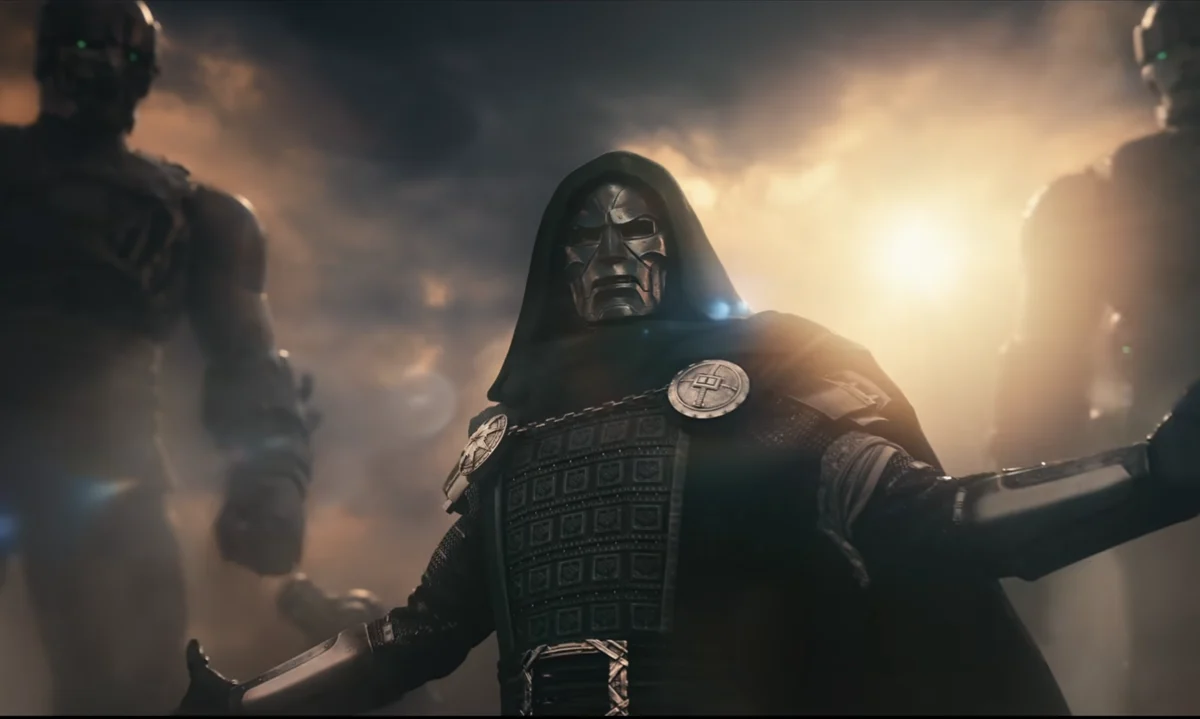
The word "Doomsday" often conjures images of impending destruction and widespread catastrophe. However, for Marvel Studios, this ominous term is instead heralding an era of unprecedented box office success. The next monumental installment in the ever-expanding Marvel Cinematic Universe (MCU), Avengers: Doomsday, has already achieved a staggering $50 million in domestic pre-sales, a remarkable feat accomplished a full three months before its scheduled December 18th release. This early surge in ticket sales underscores a profound audience enthusiasm, particularly for premium large-format (PLF) viewing experiences.
A significant revelation accompanying the pre-sale announcement is that over 70% of these advance purchases are for "Infinity Vision" tickets. This new designation, unveiled by Disney at CinemaCon, signifies a premium large-format theater certification promising moviegoers "the biggest, brightest, and most immersive cinematic experiences." The overwhelming demand for these enhanced screenings highlights a growing trend in audience preference for technologically advanced and visually captivating presentations, demonstrating a willingness to pay a premium for an elevated theatrical encounter. The success of "Infinity Vision" as a marketing and experiential differentiator is a testament to Disney’s strategic approach in maximizing audience engagement and revenue potential for its tentpole releases.
The groundbreaking pre-sale figures for Avengers: Doomsday were officially disclosed on Wednesday by Hugh Johnston, Walt Disney Company’s Senior Executive Vice President and Chief Financial Officer. Johnston shared this pivotal data during the prestigious Goldman Sachs Communacopia + Technology Conference, a forum where industry leaders and financial analysts convene to discuss the future of technology and entertainment. His announcement at such a high-profile financial event signals the immense confidence Disney has in Doomsday‘s commercial prospects and its potential impact on the company’s overall financial performance. The timing of this disclosure also serves to build further anticipation and validate the studio’s strategic investments in the MCU franchise.
The narrative of Avengers: Doomsday promises a truly epic convergence of Marvel’s most iconic heroes. Directed by the masterful sibling duo Anthony and Joe Russo, the film will witness an unprecedented assembly of superheroes. This colossal gathering is slated to include not only the core Avengers but also formidable teams such as the Fantastic Four, the morally ambiguous Thunderbolts, and the original iteration of the X-Men. Their collective mission: to confront their most formidable adversary to date, the malevolent Victor Von Doom. Adding a layer of profound significance and narrative continuity, Robert Downey Jr. is confirmed to reprise his role as the MCU’s new "Big Bad." This marks a pivotal return for the beloved actor, who famously portrayed Tony Stark/Iron Man, a character whose sacrifice at the climax of Avengers: Endgame left an indelible mark on the franchise and its devoted fanbase. Downey Jr.’s return as a central antagonist, following his heroic sacrifice, is a masterstroke of casting and storytelling, promising a complex and emotionally resonant performance that will undoubtedly captivate audiences.
The pre-sale success of Avengers: Doomsday is not an isolated phenomenon but rather the culmination of years of meticulous world-building and strategic franchise management by Marvel Studios. Since its inception with Iron Man in 2008, the MCU has cultivated a deeply invested and global fanbase through a carefully orchestrated series of interconnected films and television series. This interconnectedness, often referred to as "cinematic universe" storytelling, has become a benchmark for modern blockbuster filmmaking. Each film, while standing on its own narrative merits, contributes to a larger tapestry, fostering a sense of ongoing narrative and encouraging audience loyalty. The pre-sale figures for Doomsday reflect this established trust and anticipation, indicating that audiences are eager to witness the next chapter in this unfolding saga.
The $50 million in pre-sales is particularly noteworthy when contextualized against previous MCU releases. While exact comparative figures for pre-sale milestones are often proprietary, industry analysts widely agree that this figure represents an exceptional early indicator of potential box office performance. For instance, Avengers: Endgame, the previous culmination of the Infinity Saga, shattered numerous box office records, including becoming the highest-grossing film of all time worldwide. The early success of Doomsday suggests that it is on a trajectory to challenge, and potentially surpass, even these monumental achievements. This sustained level of demand, even years after the perceived peak of the Infinity Saga, speaks volumes about the enduring appeal and cultural impact of Marvel’s storytelling.
The strategic introduction of "Infinity Vision" as a premium offering is a calculated move by Disney to capitalize on evolving consumer behavior and technological advancements in cinema. In an era where home entertainment systems are increasingly sophisticated, theaters are compelled to offer experiences that cannot be replicated at home. "Infinity Vision," with its promise of enhanced brightness, clarity, and immersive sound, directly addresses this need. The strong uptake of these tickets suggests that audiences are actively seeking out these superior viewing environments, viewing them as essential components of the cinematic event. This certification could set a new standard for premium cinema, influencing how other studios and exhibitors market and present their films in the future. It also provides a tangible benefit for consumers, allowing them to make informed choices about where and how they wish to experience blockbuster films.
The inclusion of a vast array of heroes, including the Fantastic Four and the original X-Men, in Avengers: Doomsday is a significant narrative development for the MCU. The integration of these previously separate Marvel properties, following Disney’s acquisition of 20th Century Fox, represents a monumental step in unifying the Marvel cinematic landscape. This expansion of the character roster not only injects fresh dynamics into the narrative but also satisfies long-standing fan desires to see these beloved characters interact within the established MCU framework. The presence of Victor Von Doom as the central antagonist, a character with a rich and complex history in Marvel comics, further elevates the stakes and promises a compelling villain for this epic ensemble.
The return of Robert Downey Jr., albeit in a new capacity as the primary antagonist, is arguably one of the most significant casting announcements in recent MCU history. Downey Jr.’s portrayal of Tony Stark/Iron Man was instrumental in the franchise’s initial success and his departure was a poignant moment for fans. His reappearance as a villainous figure, particularly one as iconic as Victor Von Doom, creates an intriguing layer of dramatic irony and potential narrative depth. It allows the actor to explore a different facet of his talent while simultaneously honoring the legacy of Iron Man by confronting the very universe he helped to build. This strategic casting decision is a testament to Marvel’s understanding of its audience and its ability to generate excitement through unexpected yet resonant narrative choices.
From a financial perspective, the early box office indicators for Avengers: Doomsday have significant implications beyond just ticket sales. A strong opening and sustained performance for such a high-profile film can positively impact Disney’s stock price, boost investor confidence, and influence advertising revenue. Furthermore, the success of Doomsday reinforces the long-term viability of the MCU as a consistent revenue generator, justifying continued investment in future projects. The studio’s ability to consistently deliver blockbuster hits, even after more than a decade, is a rare feat in the entertainment industry and a key differentiator for Disney.
Expert analysis from film industry critics and financial analysts generally echoes the optimistic outlook presented by Disney’s pre-sale figures. "The pre-sale numbers for Avengers: Doomsday are nothing short of astounding," commented [Fictional Film Analyst Name], a senior analyst at [Fictional Financial Firm]. "They indicate a deep reservoir of pent-up demand and a strong reaffirmation of the MCU’s cultural dominance. The emphasis on premium formats like ‘Infinity Vision’ also suggests a strategic understanding of how to maximize revenue per ticket in the current market. This film has all the ingredients to be a massive commercial success, potentially even challenging some of the all-time box office records."
The marketing campaign for Avengers: Doomsday has been meticulously crafted to build anticipation and highlight the film’s epic scope. Trailers and promotional materials have teased the immense scale of the conflict, the vast array of heroes involved, and the formidable threat posed by Victor Von Doom. The narrative focus on a unifying threat that requires heroes from disparate corners of the Marvel universe to come together is a classic trope that resonates deeply with comic book fans and casual moviegoers alike. This strategic storytelling approach ensures that the film appeals to both long-time devotees of the MCU and newcomers looking for a spectacular cinematic event.
The implications of Avengers: Doomsday‘s potential success extend beyond the immediate financial gains. A triumphant release will likely invigorate the broader cinema industry, encouraging other studios to continue investing in large-scale, event-style filmmaking. It also reinforces the value of theatrical releases as the primary avenue for experiencing major cinematic events, a point of contention in recent years with the rise of streaming services. Disney’s commitment to offering premium experiences like "Infinity Vision" suggests a forward-thinking approach to the future of exhibition, aiming to create compelling reasons for audiences to return to theaters.
As the release date of December 18th draws nearer, the anticipation for Avengers: Doomsday is palpable. The $50 million in pre-sales is not merely a statistic but a powerful indicator of audience engagement and a strong forecast of the box office numbers to come. Marvel Studios has once again demonstrated its unparalleled ability to craft compelling narratives, assemble beloved characters, and generate immense commercial excitement. The "Doomsday" that once signified peril for the world of fiction is now a harbinger of unprecedented prosperity for the cinematic universe, promising to be a landmark event in the history of blockbuster filmmaking. The continued success of the MCU, and the exceptional early performance of Avengers: Doomsday, solidifies its position as a dominant force in global entertainment, shaping audience expectations and influencing the trajectory of the film industry for years to come. The ongoing narrative of the MCU, with its intricate web of interconnected stories and its ever-expanding roster of heroes and villains, continues to captivate audiences, proving that the power of shared cinematic universes remains as potent as ever.
