
 By Titik Puspa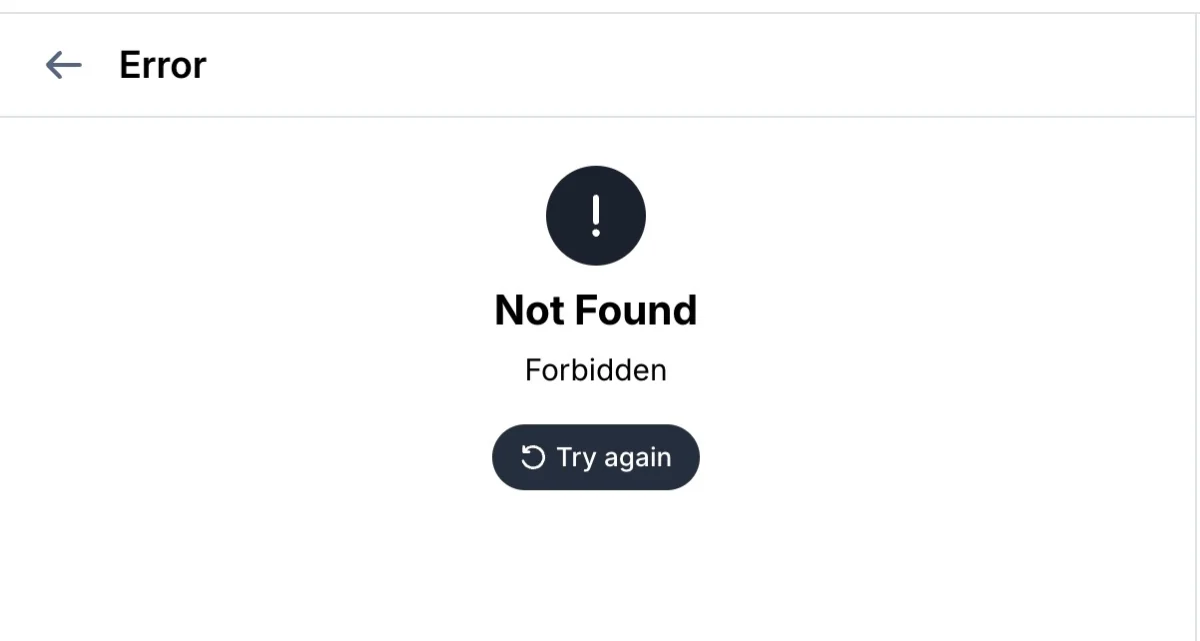
In a significant disruption that began in the early hours of Thursday, April 16, 2026, the decentralized social network Bluesky has been grappling with extensive service interruptions affecting its website and mobile application. Users attempting to access the platform have encountered intermittent loading times, error messages, and a general unavailability of key features. The company’s Chief Operating Officer, Rose Wang, has publicly attributed these issues to a coordinated denial-of-service (DoS) attack, a cybersecurity threat that aims to overwhelm a target system with traffic, rendering it inaccessible.
The severity of the outage became apparent around 2:42 a.m. Eastern Time on Thursday, according to Bluesky’s dedicated status page, which serves as a real-time tracker for service health. Since then, the platform has remained in a precarious state, with users experiencing a frustrating on-again, off-again connection. The implications of such an attack are far-reaching, particularly for a platform that prides itself on its innovative decentralized architecture and its promise of a more open and resilient social media experience.

Upon attempting to navigate the Bluesky platform during the outage, users are frequently met with discouraging messages. For instance, accessing certain curated feeds, such as the popular "Discover" feed or the official "Bluesky Team" feed, often results in a pop-up stating: "This feed is currently receiving high traffic and is temporarily unavailable. Please try again later. Message from server: Rate Limit Exceeded." This specific error indicates that the system is being flooded with an overwhelming number of requests, exceeding its capacity to process them. While personal user feeds may occasionally load, the broader discovery and curated content sections, which are crucial for user engagement and platform exploration, have been largely rendered unusable.
The impact extends beyond feed loading. Attempts to visit user profiles or engage with other core functionalities of the application also frequently result in generic error messages, compelling users to repeatedly refresh the page in hopes of a successful connection. This inconsistent and unreliable user experience stands in stark contrast to the seamless interaction users expect from modern digital platforms and undermines the very notion of a readily accessible social network.
The technical challenges were acknowledged internally by Bluesky’s team. Bryan Newbold, a protocol engineer at Bluesky, commented on the situation around 3:46 a.m. ET, stating, "oof, our services are getting pretty hard tonight." This candid remark from a core team member underscores the intensity of the attack and the strain it placed on Bluesky’s infrastructure. While the company has been somewhat transparent about the nature of the attack, it has yet to provide a detailed explanation of the specific vectors employed or an estimated timeframe for full service restoration. Bluesky has also not yet formally responded to requests for further comment from the press, leaving many questions about the incident unanswered.

This incident raises critical questions about the security and resilience of decentralized social networks. Bluesky, which was initiated by Twitter co-founder Jack Dorsey and launched as an independent entity, is built upon the AT Protocol. This protocol is designed to enable interoperability and data portability, allowing users to migrate their data and social graph between different applications. The very foundation of Bluesky is its decentralized nature, which theoretically makes it more resistant to single points of failure and censorship compared to traditional centralized platforms. However, as this event demonstrates, even decentralized systems can be vulnerable to sophisticated distributed attacks.
The fact that the attack appears to be a denial-of-service attack is particularly noteworthy. DoS attacks are a common form of cyber warfare and activism, often employed to disrupt online services. In the context of a social media platform, such an attack can have significant consequences, including reputational damage, loss of user trust, and potential financial repercussions if advertising or other revenue streams are affected. The motivation behind this specific attack remains unclear, but possibilities range from competitive sabotage to ideological protest against the platform or its policies.
It is important to distinguish between the Bluesky application and the underlying AT Protocol. While the Bluesky social network is experiencing severe disruptions, initial reports suggest that other communities and applications leveraging the AT Protocol may not be as severely impacted. This highlights the layered nature of decentralized systems. The protocol itself might remain functional, allowing for independent servers and applications to operate, while a specific implementation or service built on top of it, like the Bluesky app, becomes a target. This resilience of the underlying protocol is a key tenet of decentralized design, aiming to prevent a single point of failure from bringing down an entire ecosystem.

The ongoing service interruptions come at a critical juncture for Bluesky. The platform has been steadily growing its user base, attracting individuals disillusioned with the direction of other social media giants and those seeking a more open and user-controlled online environment. This growth, however, also makes it a more attractive target for malicious actors. The ability of Bluesky to recover from this attack and restore user confidence will be a crucial test of its operational capabilities and its underlying technological robustness.
The broader implications for the decentralized web are also significant. As more users and developers explore alternatives to centralized platforms, the security and stability of decentralized networks become paramount. Incidents like the one affecting Bluesky can either serve as valuable learning experiences that lead to stronger security measures or, conversely, sow seeds of doubt about the feasibility and reliability of decentralized social media. The development of more sophisticated defenses against DoS attacks, as well as proactive strategies for threat detection and mitigation, will be essential for the continued growth and adoption of the decentralized web.
Experts in cybersecurity and decentralized technologies are closely watching the situation. Many have pointed out that while decentralization offers advantages in terms of censorship resistance and data ownership, it does not inherently confer immunity from distributed attacks. The challenge lies in building robust infrastructure that can withstand the immense scale and sophistication of modern cyber threats. This often involves a combination of technical solutions, such as advanced traffic filtering and load balancing, as well as community-driven efforts to identify and neutralize threats.

The current situation underscores the ongoing arms race between those who seek to disrupt and those who seek to protect online services. For Bluesky, the immediate priority is to restore service and ensure a stable user experience. In the longer term, the company will need to analyze the attack, implement enhanced security measures, and communicate transparently with its user base about the steps being taken to prevent future incidents. The resilience of Bluesky, and by extension, the promise of a more robust and user-empowered social media landscape, hinges on its ability to navigate this significant cybersecurity challenge. The coming days and weeks will reveal the full extent of the impact and Bluesky’s capacity to emerge stronger from this ordeal.
