
 By admin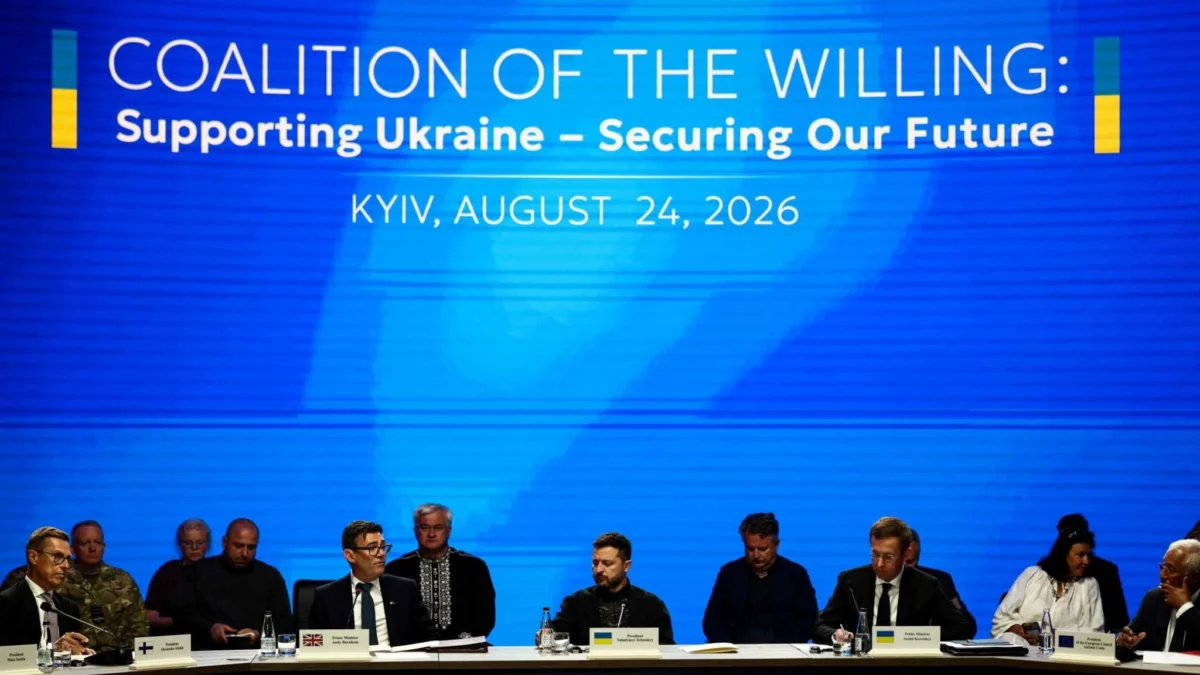
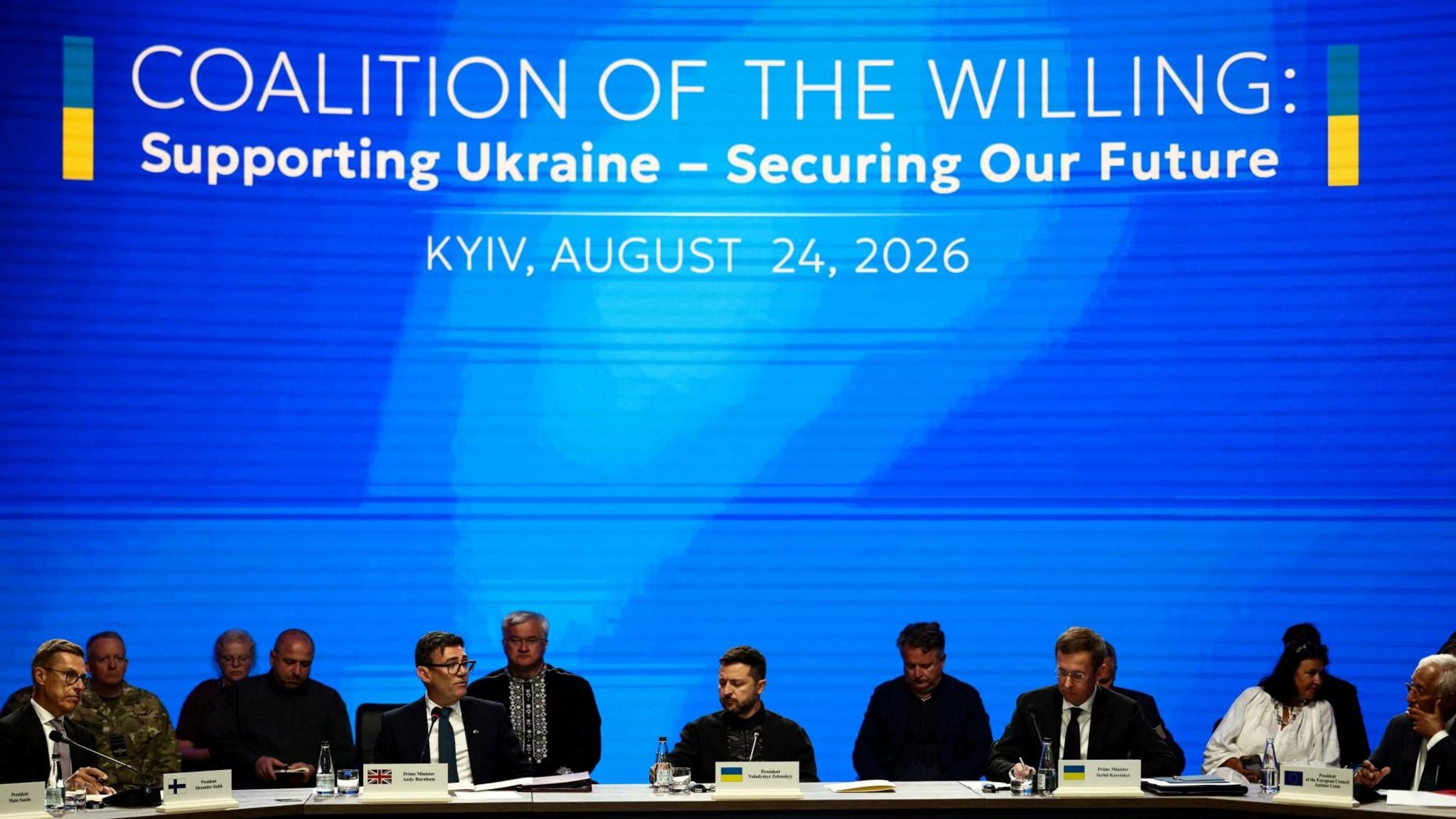
Prime Minister Andy Burnham has unequivocally pledged continued and unwavering support for Ukraine, directly confronting Russia’s "outrageous threats" during his inaugural official visit to Kyiv. The visit, marking a significant moment in the ongoing conflict, saw Burnham engage in crucial discussions with Ukrainian President Volodymyr Zelensky and preside over his first "Coalition of the Willing" meeting, an initiative established by his predecessor, Sir Keir Starmer, in partnership with France. Burnham emphasized the collective efforts of the coalition, stating they were "doing everything we can" and simultaneously urged the United States Congress to intensify economic sanctions against Russia, highlighting the need for sustained pressure to cripple Moscow’s ability to fund its illegal war.
A key development announced during the visit underscores the deepening strategic cooperation between the UK and Ukraine. The British government has agreed to transfer blueprints for the manufacture of British-made components for the Scalp missile. This French variant of the highly effective Storm Shadow cruise missile will now enable Ukraine to produce this crucial long-range weapon domestically, significantly bolstering its indigenous defence capabilities. This move represents a substantial step forward in empowering Ukraine to sustain its defence efforts and respond to Russian aggression with enhanced strategic depth.
During the press conference following his meeting with President Zelensky, Burnham articulated the broader international commitment to bolstering Ukraine’s defences. "Allies are doing everything we can to dig into our own stocks and help others dig into their stocks" of air defence systems, he stated, emphasizing the urgent need to shield Ukraine from aerial assaults. He forcefully asserted, "This is the moment to keep up the pressure on Russia, the moment to squeeze their ability to fund this illegal war," while simultaneously commending the "strength" and resilience of the Ukrainian people. Burnham eloquently framed Ukraine’s role in the global security landscape, declaring, "Ukraine has been Europe’s protector, not a drain on our security but the front line in keeping Europe safe."
The British Prime Minister’s strong stance came in direct response to sharp criticism from the Kremlin. Russian foreign ministry spokesperson Dmitry Peskov had previously denounced the UK’s decision to share the missile blueprints, claiming it hindered any prospect of achieving peace. Peskov ominously told reporters that Russian military forces were actively gathering intelligence to identify and destroy any potential missile production sites. He further accused Britain of "methodically and regularly adding fuel to the fire" of the conflict, positioning the UK as an active participant "on the side of the Kyiv regime." In a pointed retort, Burnham countered Peskov’s accusations by posing the rhetorical question, "Who started the fire? That’s the question, isn’t it?" He underscored that the critical issue of missile interceptors would be a paramount topic of discussion at the "Coalition of the Willing" meeting, signaling a clear focus on enhancing Ukraine’s air defence capabilities.
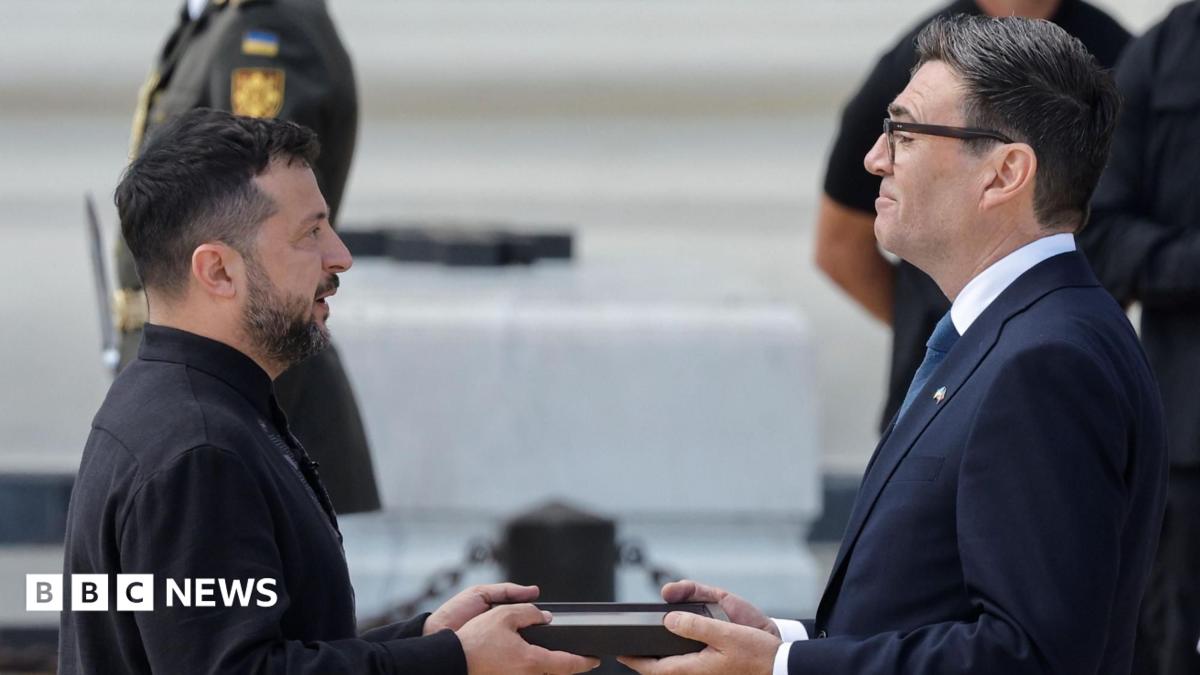
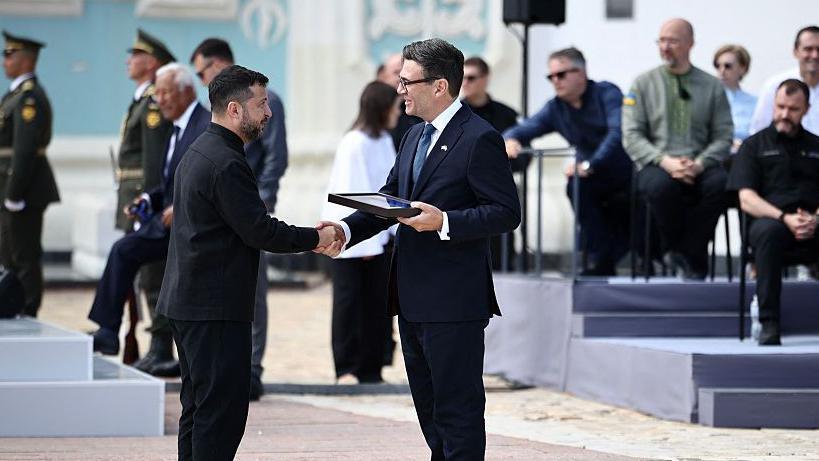
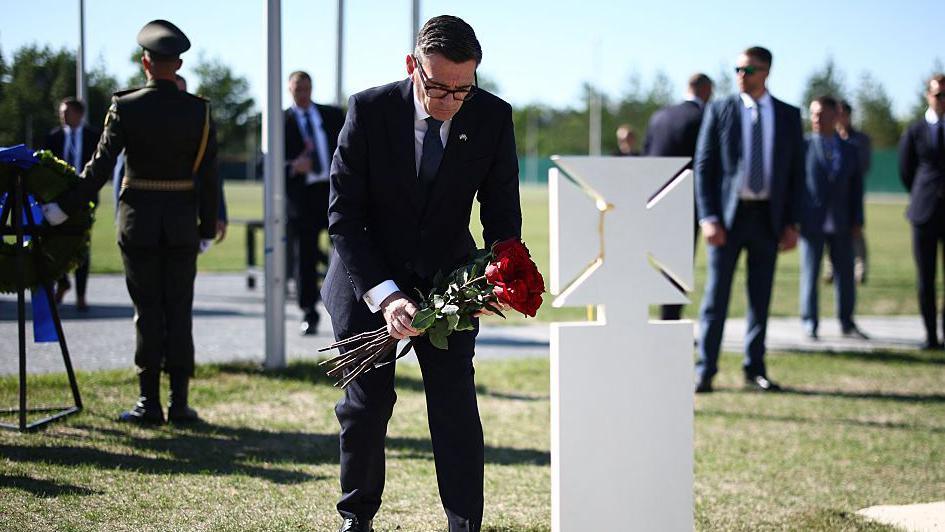
The visit also included a poignant moment as Burnham laid flowers at the graves of Ukrainian soldiers at the National Military Memorial Cemetery, a solemn act of remembrance and solidarity. Later, during an independence day event held outside the St Sofia cathedral in Kyiv, President Zelensky presented Burnham with an award on behalf of the British people, recognizing the UK’s extensive support for Ukraine. In a powerful speech, Burnham drew a historical parallel between Ukraine’s current resistance and the UK’s fight against Nazi Germany in the 20th century. He declared, "My nation kept the flame of European freedom alive in the 20th century, you hold that flame in the 21st."
In a statement released prior to his arrival in Kyiv, Prime Minister Burnham had articulated the enduring commitment of the United Kingdom. "On Ukraine’s 35th anniversary of independence, the Ukrainian people should be in no doubt: the UK is behind you today and for as long as it takes," he affirmed. "I am proud of the contribution our country has made to Ukraine and I want the Ukrainian people to hear it directly from me that our support will not waver. After all, Ukraine’s security is our security." He further emphasized that the strong friendship between Ukraine and the UK would "long outlast Russia’s illegal war," concluding with a resolute message to Moscow: "Russia should be in no doubt of our resolve. We will not back down until there is a just and lasting peace."
This commitment to providing advanced weaponry and technological support is further exemplified by a new military technology partnership between the UK and Ukraine. This agreement grants British experts access to Kyiv’s Avengers AI Labs database. Downing Street explained that Ukraine has been meticulously gathering data through sensors and cameras across the battlefield, which can now be utilized to train advanced AI models designed to address key national security challenges faced by both nations. This collaboration signifies a forward-looking approach to defence, leveraging cutting-edge technology to counter emerging threats.
The "Coalition of the Willing," chaired by Burnham, convened to address the escalating Russian strikes, including a devastating attack on a shopping centre that resulted in at least 16 fatalities. In a joint statement issued after the meeting, Burnham, alongside co-chairs French President Emmanuel Macron and German Chancellor Friedrich Merz, declared the group’s commitment to strengthening Kyiv’s air defences "as a matter of urgent priority." The coalition also issued a strong condemnation of Moscow’s "systemic and escalating strikes against Ukraine’s cities, critical infrastructure and civilians" and pledged to "constrain Russia’s war chest through sanctions and actions against the ‘shadow fleet’," referring to vessels used by Russia to circumvent oil sanctions. The Coalition of the Willing is a broad alliance comprising 34 countries, including Ukraine itself. Members participated in Monday’s discussions either in Kyiv or via video conference, with a joint statement reaffirming their "commitment to support Ukraine’s independence."
Adding to the international support, the European Union announced the release of €6.1 billion (£5.2 billion) in military aid for Ukraine, specifically earmarked to bolster its air defence systems. This significant financial injection is part of a larger €90 billion loan package extended by the EU to Ukraine.
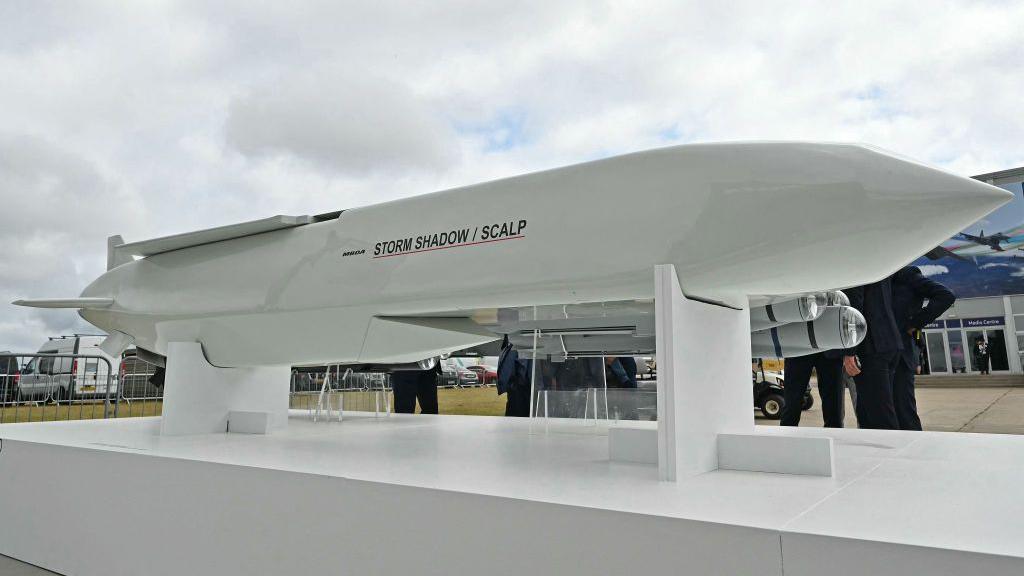
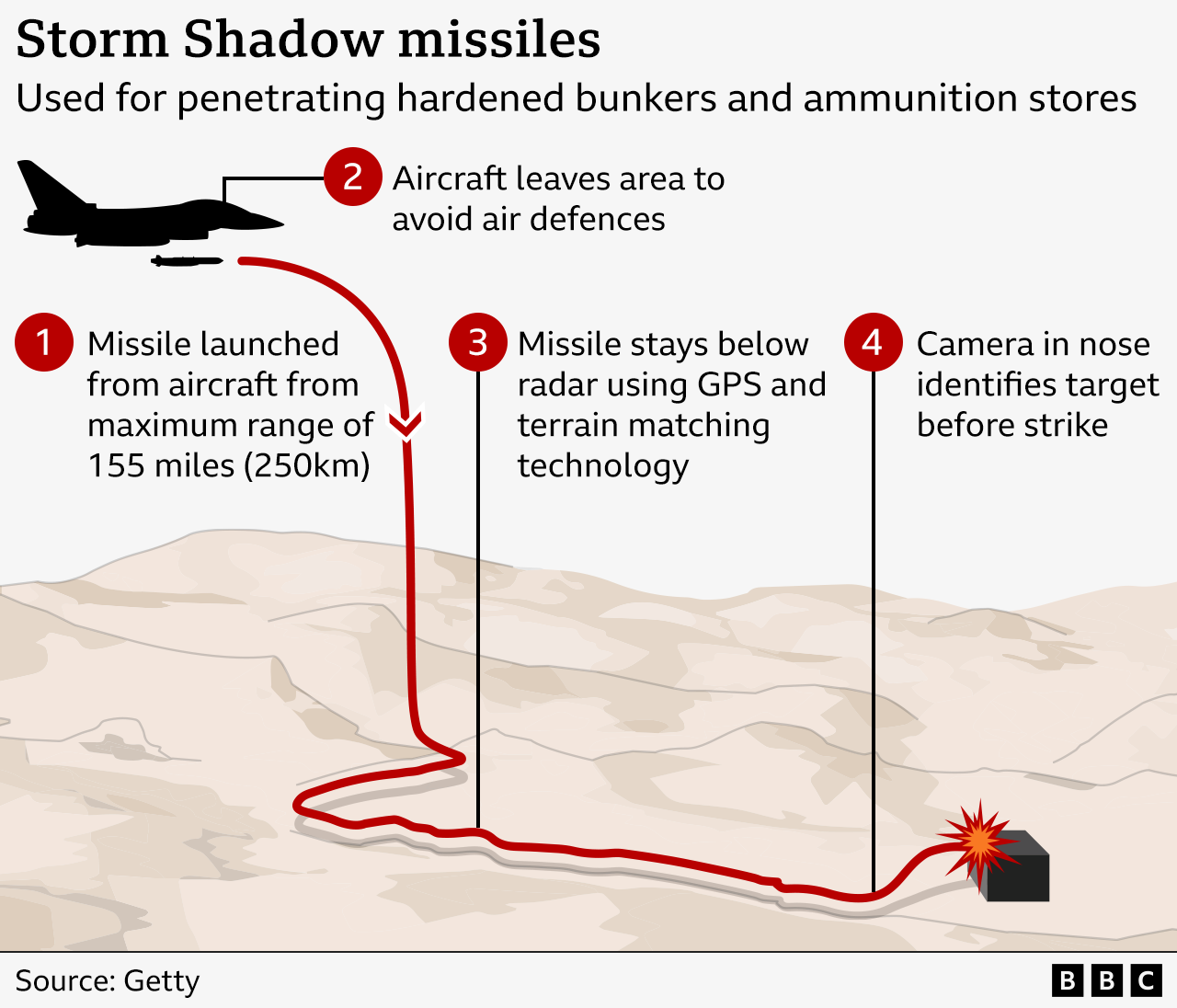
The decision to share blueprints for the Scalp missile is particularly noteworthy. The UK defence company MBDA has been authorized to declassify information pertaining to its components, facilitating the establishment of assembly lines in Ukraine in collaboration with France. Both the Scalp and its British counterpart, the Storm Shadow, have already been supplied to Kyiv and have proven effective in striking military targets within Russian territory. Ukraine has also expressed a critical need for additional Patriot interceptor missiles, a weapon system vital for countering Russia’s ballistic missile threats. However, with Ukraine’s stockpiles dwindling due to ongoing conflicts and reliance on American supplies, the country faces increased vulnerability.
The escalating rhetoric from Moscow has been met with firm resolve from the UK. The Russian embassy in the UK has accused Britain of "deliberately opting for an escalation of the Ukraine crisis," warning that "the deeper its involvement in the conflict… the higher the price it will pay." Prime Minister Burnham, addressing these threats last week, reiterated the UK’s unwavering stance: "We are not fair-weather friends, we will be there in Ukraine’s hour of need and that won’t change." When questioned about the Russian threats on Tuesday, Burnham maintained that the UK was "providing support so that Ukraine can defend itself and that’s been the British position all the way through this conflict, by previous prime ministers – it remains the case with me."
The Prime Minister’s visit coincided with confirmation from Russia that its ambassador to the UK, Andrei Kelin, had departed his post in London. While a replacement has not yet been named, the Russian embassy in the UK has stated that this development does not signify an intention to downgrade diplomatic relations between the two nations.
The conflict continues to inflict a heavy toll on civilians. Overnight exchanges saw tragic incidents, including the deaths of two children and injuries to seven others when debris from a Ukrainian drone struck a private children’s centre in Russia, according to local authorities. In a separate incident, a warehouse belonging to the online retailer Ozon caught fire, two days after Ukraine stated it would target the company for allegedly selling dual-use items that could be utilized by the Russian military. This marked the third consecutive night that Ozon’s warehouses have been targeted, with reports of an attack on a logistics centre in the Samara region on Saturday and a warehouse in Orenburg on Sunday. Meanwhile, in the north-eastern Ukrainian city of Kharkiv, a Russian attack resulted in the deaths of three individuals, as reported by regional Governor Oleh Syniehubov. These continued attacks underscore the persistent and devastating nature of the conflict, highlighting the urgent need for sustained international efforts to achieve a just and lasting peace.
