
 By admin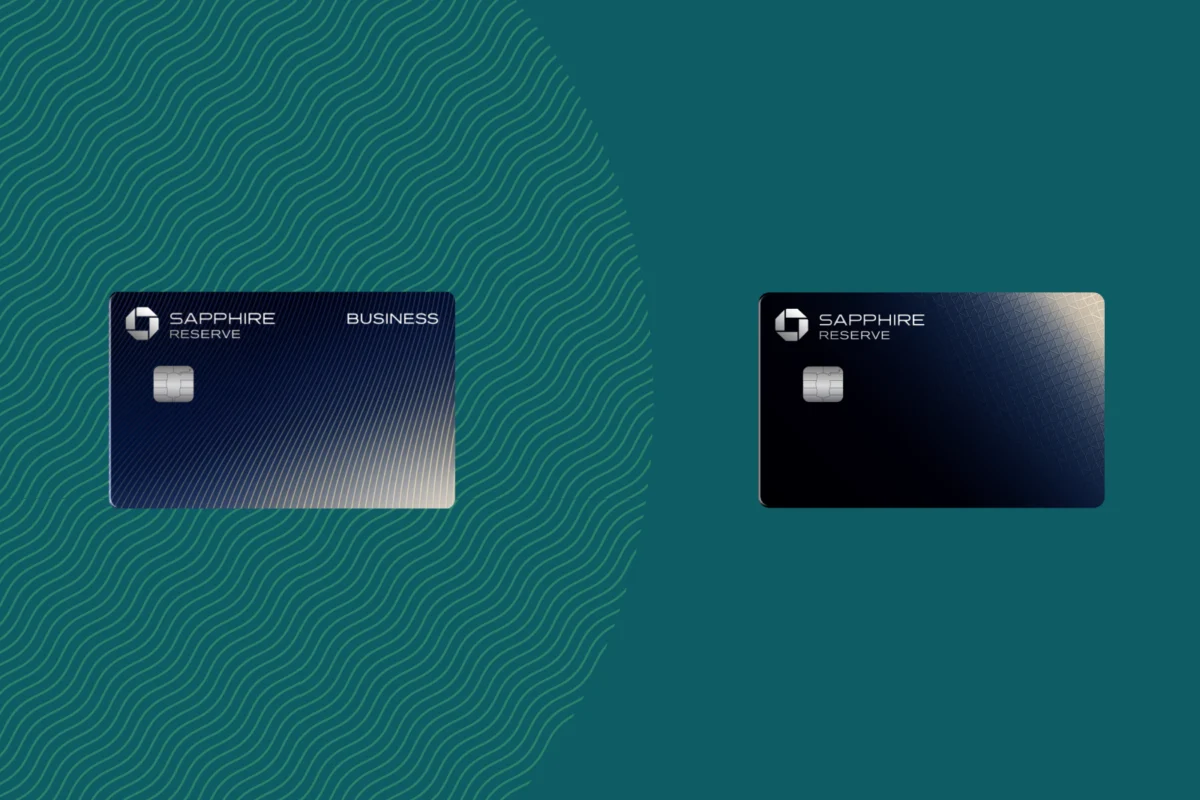
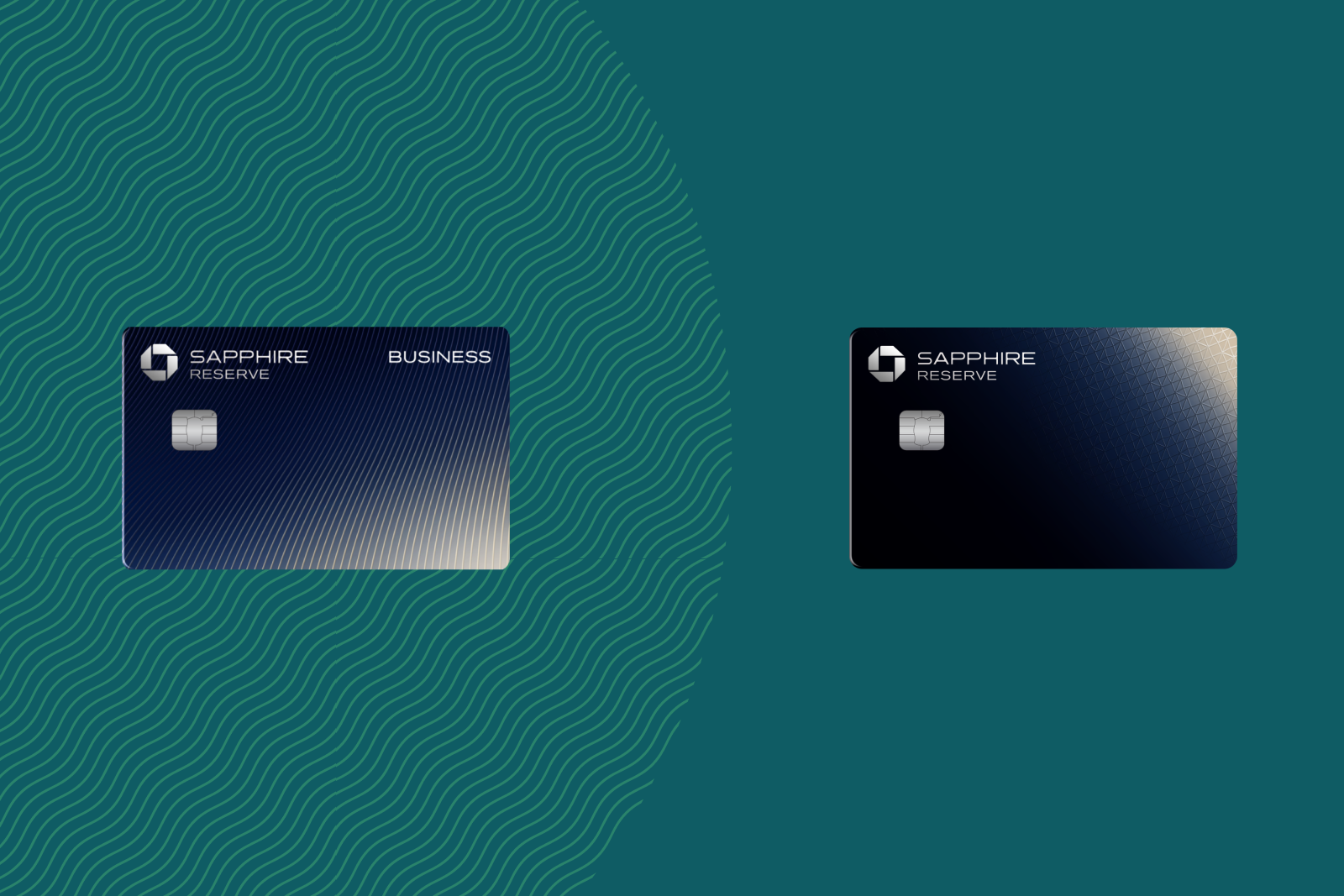
The landscape of premium travel rewards has shifted significantly in recent years, moving from a niche market for high-flying executives to a highly competitive arena where savvy consumers and business owners alike seek to maximize every dollar spent. At the center of this evolution is Chase, a financial powerhouse that has long dominated the market with its Ultimate Rewards ecosystem. For years, the personal Chase Sapphire Reserve was the undisputed heavyweight champion of the "premium" category. However, with the introduction of the Chase Sapphire Reserve for Business, the bank has created a dual-track strategy, offering two flagship cards that carry identical $795 annual fees but cater to vastly different spending profiles.
Choosing between these two cards requires more than a glance at the shiny metal exterior; it demands a deep dive into your monthly overhead, your travel habits, and your ability to hit substantial spending targets. Both cards sit at the top of the Chase hierarchy, offering a suite of benefits including the industry’s most flexible $300 annual travel credit, expansive airport lounge access, and the ability to transfer points to a curated list of airline and hotel partners. Yet, the nuances in their earning structures and "lifestyle" versus "operational" credits can mean the difference between a card that pays for itself and one that becomes a costly burden.
The Welcome Offer: A Tale of Two Spending Tiers
The most immediate differentiator between the personal Sapphire Reserve and the Sapphire Reserve for Business is the "gate" required to enter the rewards ecosystem: the welcome offer. These bonuses are designed to attract high-value users, but the barrier to entry for the business version is significantly higher.
New applicants for the personal Chase Sapphire Reserve can earn 100,000 bonus points after spending $6,000 on purchases within the first three months of account opening. Based on current industry valuations, which peg Chase Ultimate Rewards points at approximately 2.05 cents each when utilized through strategic transfer partners, this bonus is worth a staggering $2,050. For the average consumer, a $2,000 monthly spend is often attainable through regular expenses like groceries, gas, and utilities.

In contrast, the Chase Sapphire Reserve for Business offers a massive 200,000-point welcome bonus, but it requires a much more intensive commitment: $30,000 in purchases within the first six months. While the valuation of this bonus sits at roughly $4,100—effectively doubling the personal card’s offer—the spending requirement is five times higher. For a small business with significant inventory costs, payroll services that accept credit cards, or a heavy advertising budget, $5,000 a month in spend is standard. For a freelancer or a casual traveler, however, this requirement might be out of reach without "manufactured" spending, which carries its own risks.
Earning Potential: Lifestyle vs. Business Operations
The long-term value of a premium card is dictated by its "multiplier" categories. This is where Chase has clearly bifurcated the two products. The personal Sapphire Reserve is built for the modern "bon vivant." It rewards 10x points on hotels and car rentals purchased through Chase Travel, 5x points on flights booked through the same portal, and a solid 3x points on all other travel and dining worldwide. This 3x dining category is a significant draw, as it encompasses everything from high-end Michelin-starred restaurants to local coffee shops and delivery services.
The Sapphire Reserve for Business maintains the 10x and 5x travel portal multipliers but swaps the dining focus for a category more aligned with corporate growth: advertising. Business cardholders earn an unlimited 3x points per dollar spent on social media and search-engine advertising. This is a critical distinction. Most business cards, including Chase’s own Ink Business Preferred, cap their 3x categories (usually at $150,000 in annual spend). The Sapphire Reserve for Business removes that ceiling, making it an incredibly powerful tool for digital marketing agencies or e-commerce brands that spend tens of thousands of dollars a month on platforms like Meta, Google, or TikTok.
Furthermore, while the personal card rewards 3x on dining, the business card shifts its 3x focus primarily to travel and advertising. If your business involves entertaining clients at restaurants, you may find the lack of a dining multiplier on the business version to be a drawback, potentially necessitating a "two-card" strategy involving the personal version or the Chase Ink Business Cash.
Statement Credits: The "Coupon Book" Analysis
With a $795 annual fee, both cards must provide tangible "out-of-pocket" savings to justify their cost. Both cards start with a $300 annual travel credit, which is widely considered the best in the industry because it is automatically applied to any purchase that codes as travel—from subway fares and parking garages to airline tickets and hotels. This effectively brings the "real" cost of the cards down to $495.
From there, the credits diverge based on the target audience. The personal Sapphire Reserve leans into lifestyle and wellness. Cardholders often see credits for streaming services (up to $120 annually), dining (up to $180 annually via specific partners), and entertainment. These are designed to integrate into a consumer’s daily life, making the card valuable even when they aren’t traveling.
The Sapphire Reserve for Business, meanwhile, focuses on productivity and recruitment. It offers substantial credits for services like ZipRecruiter (up to $400 annually) and Google Workspace (up to $200 annually). For a growing startup, these credits are "as good as cash" because they cover essential operational software. However, for a sole proprietor who doesn’t need to hire staff or already has a legacy email setup, these credits may go entirely unused, making the $795 fee much harder to stomach.
Premium Perks and Airport Lounge Access
In terms of travel luxury, the two cards are nearly identical. Both grant the primary cardholder and up to two guests access to the Priority Pass network, which includes over 1,300 lounges worldwide. More importantly, both provide entry into the burgeoning network of Chase Sapphire Lounges. These lounges, currently open in locations like Boston (BOS), New York (JFK and LGA), and Hong Kong (HKG), have set a new standard for domestic lounge quality, offering made-to-order food, high-end cocktails, and wellness rooms.
The cards also share a robust suite of travel protections, including primary rental car insurance, trip cancellation and interruption insurance, and emergency medical evacuation coverage. This "safety net" is often cited by frequent travelers as a primary reason for holding a Sapphire Reserve card, as a single interrupted trip can result in thousands of dollars in reimbursed costs.
The "Unlockable" Tiers: High-Spend Incentives
A unique feature of the Sapphire Reserve ecosystem is the ability to "unlock" additional benefits by hitting high annual spend thresholds. This is where the cards cater to truly high-net-worth individuals and profitable businesses. On the personal Sapphire Reserve, spending $75,000 in a calendar year unlocks a tier of "VIP" benefits, which can include specialized concierge services, enhanced hotel perks, or exclusive event access.

The Sapphire Reserve for Business sets this bar higher, requiring $120,000 in annual spend to unlock its premium tier. While the benefits are similar, the higher threshold reflects the reality of business expenses, which often dwarf personal spending. For businesses that can easily clear $10,000 a month in expenses, this tier provides a "bonus" layer of luxury that rewards their loyalty to the Chase brand.
Strategic Redemptions and the Power of Transfer Partners
The true magic of the Sapphire Reserve family lies in the redemption of Ultimate Rewards points. Both cards allow cardholders to book travel through the Chase Travel portal at a rate of 1.5 cents per point. However, the "Points Boost" feature can occasionally elevate this to 2 or even 2.5 cents per point for specific luxury hotel bookings.
The most sophisticated way to use these points, however, is by transferring them 1:1 to one of Chase’s 14 partners. This list includes World of Hyatt, which is widely considered the most valuable hotel loyalty program due to its low redemption rates for high-end properties. For example, a night at a Park Hyatt that costs $1,200 might only require 35,000 to 45,000 points. When you transfer points from your Sapphire Reserve to Hyatt, you are effectively getting 3 cents or more in value per point.
Other valuable partners include Air Canada Aeroplan and Air France-KLM Flying Blue, both of which offer excellent "sweet spots" for business-class travel to Europe and Asia. Because both the personal and business versions of the Sapphire Reserve allow for these transfers, the "winner" in this category is a tie. The choice simply comes down to which card allows you to accumulate the points faster.
Final Verdict: Which One Should You Carry?
The decision between the Chase Sapphire Reserve and the Sapphire Reserve for Business ultimately hinges on the nature of your expenses.

For the majority of consumers—even those who have a small side hustle or freelance occasionally—the personal Sapphire Reserve is the superior choice. Its $6,000 spending requirement for the welcome bonus is manageable, and its 3x dining multiplier captures one of the most common daily expense categories. The lifestyle credits for streaming and dining are also far easier for the average person to utilize than recruitment or enterprise software credits.
However, for the established business owner, particularly those in the digital marketing, tech, or e-commerce sectors, the Sapphire Reserve for Business is a powerhouse. The 200,000-point bonus is one of the largest ever offered by Chase, and the unlimited 3x earning on advertising can generate hundreds of thousands of points annually that the personal card simply cannot match. If your business is already paying for Google Workspace and using ZipRecruiter for hiring, the card’s credits will offset the annual fee almost entirely before you even consider the travel benefits.
In some cases, the most strategic move is not "either/or," but "both." By holding both cards, a business owner can separate their personal and professional expenses while amassing a massive mountain of Ultimate Rewards points that can be pooled together for a truly unforgettable first-class trip around the world. Regardless of which path you choose, the Sapphire Reserve name remains the gold standard for travelers who refuse to settle for anything less than a premium experience.
