
 By Lina Irawan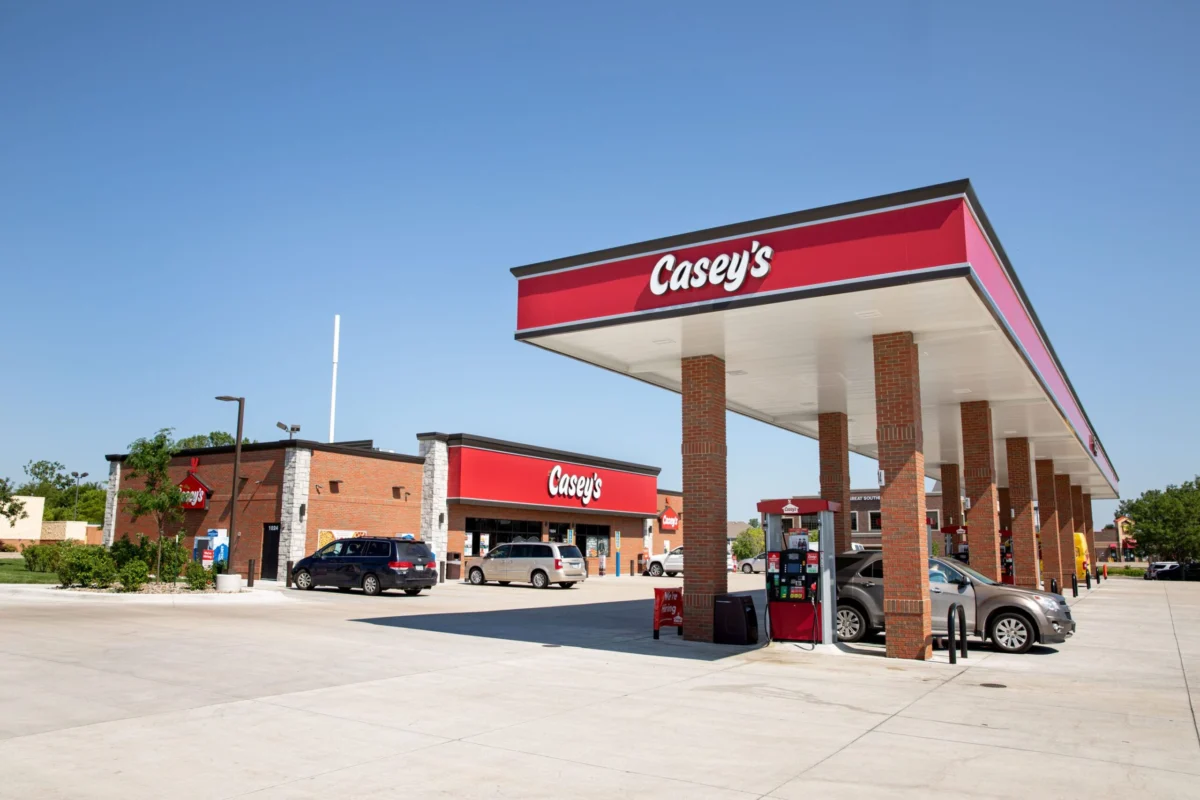
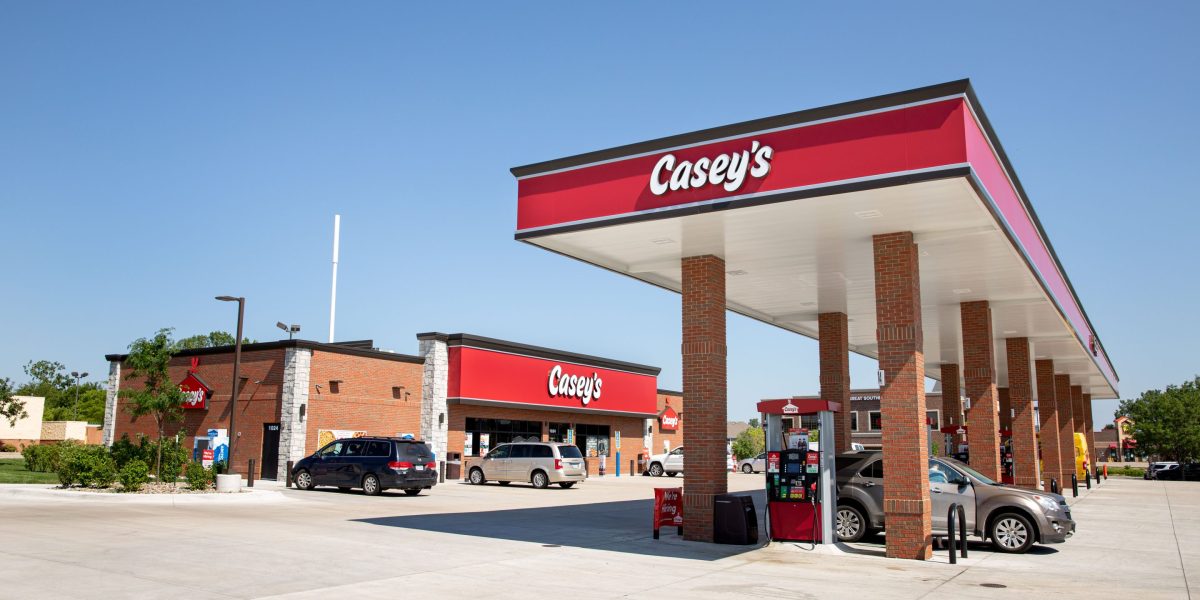
Drive through the heartland states of Iowa, Missouri, or Illinois, and the sight of a red-roofed Casey’s convenience store and gas station is as common as cornfields on the horizon. For Midwesterners, Casey’s is more than just a place to fuel up; it’s a trusted stop for diesel, a bag of ice, a lottery ticket, and, increasingly, a piping hot pizza. This regional staple has quietly cultivated a formidable culinary presence, becoming a significant player in the competitive U.S. pizza market with distinctive creations like its beloved taco pizza and breakfast pizza. What was once a local secret is now gaining national attention, revealing Casey’s as a stealth empire transforming the convenience store landscape.
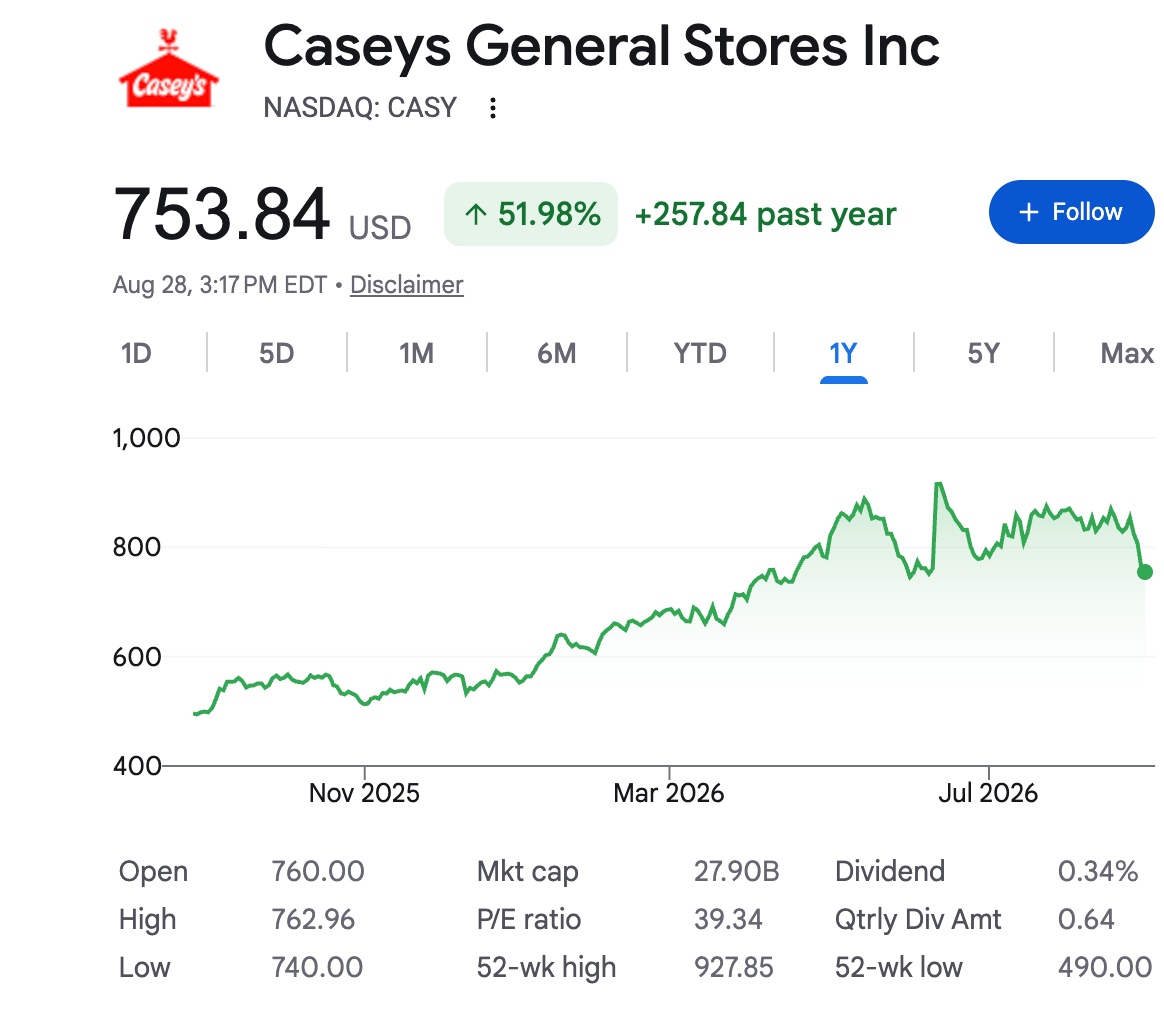
Casey’s General Stores, headquartered in Ankeny, Iowa, is rapidly approaching a milestone of 3,000 locations, a testament to its relentless expansion and deeply ingrained community presence. A remarkable aspect of its growth strategy is its focus on smaller communities: nearly half of its stores are situated in towns with populations of 5,000 people or fewer, and approximately two-thirds operate in towns under 20,000 residents. This grassroots approach has allowed Casey’s to become an indispensable hub in countless rural and suburban areas, often serving as the primary source for fuel, groceries, and prepared meals. The company’s financial performance reflects this strategic success, with its stock price surging by over 50% in the past 12 months, propelling its market capitalization to an impressive $28 billion and solidifying its position as a Fortune 500 company. America, it seems, is finally waking up to the quiet giant that has been flourishing under its nose for decades.
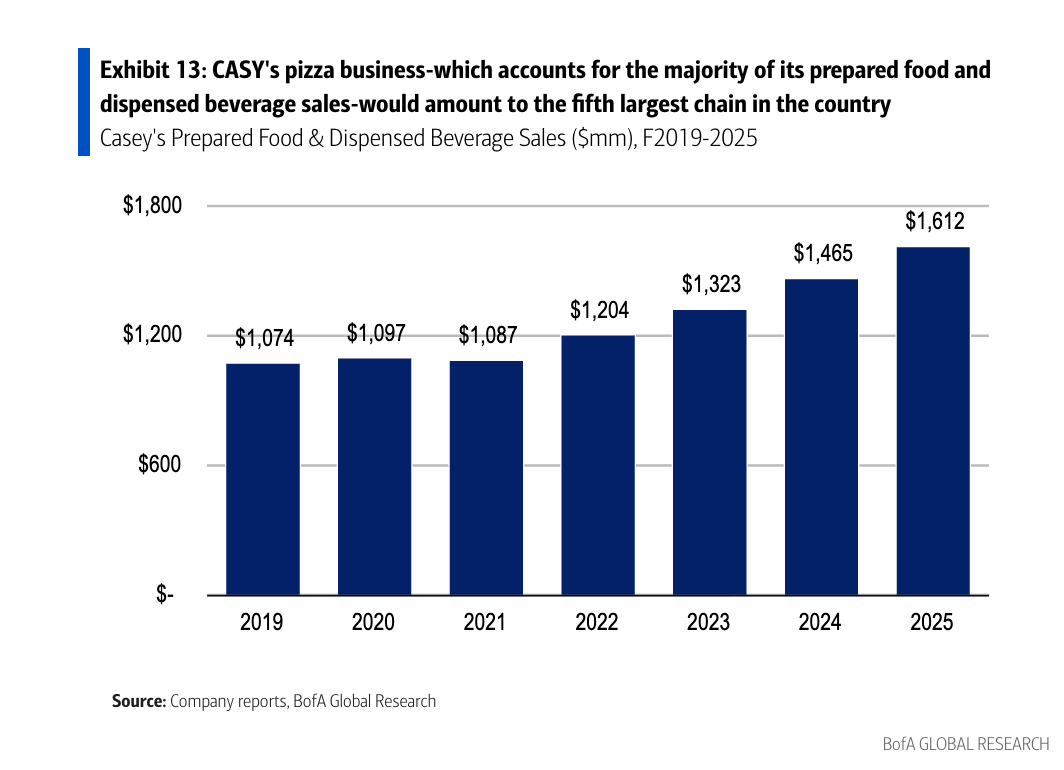
The true scale of Casey’s influence in the food industry was recently brought to light by Bank of America Research. Their comprehensive analysis, which crunched the numbers on prepared food and dispensed beverage sales, concluded that Casey’s pizza business now ranks as the fifth-largest pizza chain in the entire United States. This revelation places it among industry behemoths, a remarkable achievement for a brand primarily known as a convenience store. Tom Brennan, Casey’s chief merchandising officer, not only confirmed this impressive ranking to Fortune but also underscored the company’s broader market dominance, noting that Casey’s is the fourth-largest liquor license holder and the third-largest convenience store chain in the U.S. "You don’t hear the other big pizza players talk about Casey’s," Brennan observed, acknowledging the company’s understated profile in national conversations. "But at the same time, it’s evident from our growth… we’re taking share as we continue to grow." This aggressive yet often unnoticed market penetration speaks volumes about its unique business model and customer loyalty.
When asked if "stealth" accurately describes Casey’s, Brennan offered a nuanced perspective, chuckling at what he perceives as an "out-of-touch, coastal way of thinking." He conceded, "Certainly stealthy for, I think, a lot of the U.S.," but emphatically stated that anyone within its 19-state operational footprint would instantly recognize and appreciate Casey’s. This regional familiarity is now beginning to translate into a broader, more national recognition, particularly through the power of online culture. Platforms like TikTok and YouTube have organically fostered a small but surprisingly robust genre centered around "gas-station pizza." Content creators, initially bracing for the typically mediocre fare often associated with convenience store food, are frequently "wowed" by the genuine quality of Casey’s offerings. The chain consistently features prominently in this genre, earning widespread praise for its commitment to scratch-made dough and the presence of on-site pizza ovens, a rarity in the convenience store sector. Brennan enthusiastically welcomes this organic digital buzz, recognizing its power to amplify the brand’s reach.
Casey’s social media team has diligently tracked this burgeoning online engagement, revealing significant gains. Over the past three years, the company’s penetration with Gen Z, a crucial demographic for future growth, has climbed by an impressive 600 basis points based on engagement metrics. Brennan attributes this success to an underlying phenomenon that algorithms cannot replicate: "What underpins all of this is just this incredible fandom and brand love that we’ve generated." He argues that this authentic connection resonates deeply in an era marked by growing skepticism towards AI-generated content and a yearning for genuine, analog experiences. "It’s really built on decades of delivering high-quality pizza and food, a great experience," Brennan affirmed, positioning Casey’s as the "gathering spot" for the communities it serves. This commitment to quality extends beyond pizza, with the company continuously innovating its menu. Its Sauced Wings, for instance, began as a pilot program in January 2025 and have already expanded to nearly 900 stores, with a gradual rollout planned across the entire chain over the next two years.
The origin story of Casey’s General Stores traces back to 1968 when Donald Lamberti converted a service station in Boone, Iowa, into the first Casey’s. Brennan recounts his conversations with Lamberti, describing the founder’s simple yet profoundly effective strategy: "Hey, this will probably work in the next small town." This philosophy fueled a gradual, slow-and-steady expansion that has now culminated in explosive growth. "Literally, they just went from small town to small town, building Casey’s," Brennan explained. Over time, this deliberate, community-focused approach evolved into what Wall Street analysts now term a "defensible moat." This strategic advantage stems from the fact that most other major retail and food service brands are simply not inclined "to develop sites in towns that small," leaving Casey’s with little to no direct competition in vast swaths of the Midwest. Pizza officially joined the Casey’s menu in 1984, followed by the introduction of its now "iconic" breakfast pizza, a unique blend of sausage gravy, egg, and cheese, approximately two decades later. This deep understanding of small-town needs and a willingness to serve them where others won’t has been the bedrock of Casey’s enduring success.
This distinctive strategy means Casey’s operates in a different competitive arena than its traditional pizza rivals. The broader quick-service pizza category, a roughly $31 billion market, experienced a downturn, turning negative in 2025 after minimal growth the preceding year. A January 2026 Wall Street Journal report even suggested that America appeared to be "falling out of love with pizza." While Brennan acknowledged that Casey’s closely monitors these trends, he emphasized the company’s insulated position. "About half of our stores don’t have a national pizza competitor within what we consider a competitive rating," he stated. When Casey’s does establish a presence in a nearby town, "we’re bringing something that hasn’t been really on offer there. And it’s resonating." This highlights Casey’s role not just as a competitor, but often as a provider of a service that was previously unavailable or underserved.
Furthermore, Casey’s employs a shrewd pricing strategy, striving to keep its pizza and other key items priced slightly below the prevailing market rate. Brennan cited inflation data, noting that while food away-from-home prices have climbed approximately 14% over the past three years, Casey’s prepared food and dispensed beverage business prices have risen by only 5%. This ability to absorb costs and maintain competitive pricing is a direct result of its diversified business model. "We can leverage the other parts of the business to make the total P&L work while we invest, essentially, to grow food," Brennan explained. Bank of America’s analysis further illuminated this financial synergy, pointing out that prepared food and beverages boasted an estimated 58% gross margin in fiscal 2025, more than double Casey’s overall margin of roughly 23.5%. Brennan encapsulates this robust model as "three legs of the stool," where food, convenience items, and merchandise mutually support and enhance one another. While pizza remains the "crown jewel" of the food business, he asserts that Casey’s truly stands as a "category of one," with "the magic of the brand [being] when we have all three legs of the stool working together."
Looking ahead, the logical next frontier for Casey’s expansion is Texas. Brennan draws a compelling comparison: Iowa, with its approximately 3 million residents, hosts 550 Casey’s stores, while Texas, with roughly 30 million people, represents an enormous untapped market. "We see that as Casey’s country," Brennan declared, envisioning significant growth opportunities, particularly in the small towns along the Interstate-35 corridor that currently lack the comprehensive offerings Casey’s provides. This strategic move aligns perfectly with their proven "small town first" approach.
Brennan also contextualized Casey’s success within a broader industry trend. When asked if "gas-station food" is experiencing a moment, he argued that Casey’s is a Midwestern example of a phenomenon that has been bubbling for decades in specific regions of the U.S. and is now spreading nationwide. He recalled his three years at 7-Eleven in the Mid-Atlantic over a decade ago, where he witnessed how gas-station culture transformed into a rising tide, lifting all boats. His stores achieved the highest food sales in the enterprise in the U.S., not due to inherent differences in his 7-Elevens, but "because Wawa and Sheetz had legitimized eating at a gas station" in that region. This trend suggests a cultural shift, where consumers are increasingly willing to embrace quality food from unexpected sources.
Brennan, who serves on the retail board of the National Association of Convenience Stores (NACS), highlighted the unique "collegiality" among different brands within convenience retail. "We certainly are supportive of each other," he noted, despite being competitors. "But at the same time, the more good operators we have who really deliver delicious food in our channel, it lifts everybody up." This collaborative spirit underscores a shared goal of elevating the entire convenience store experience, benefiting all players.
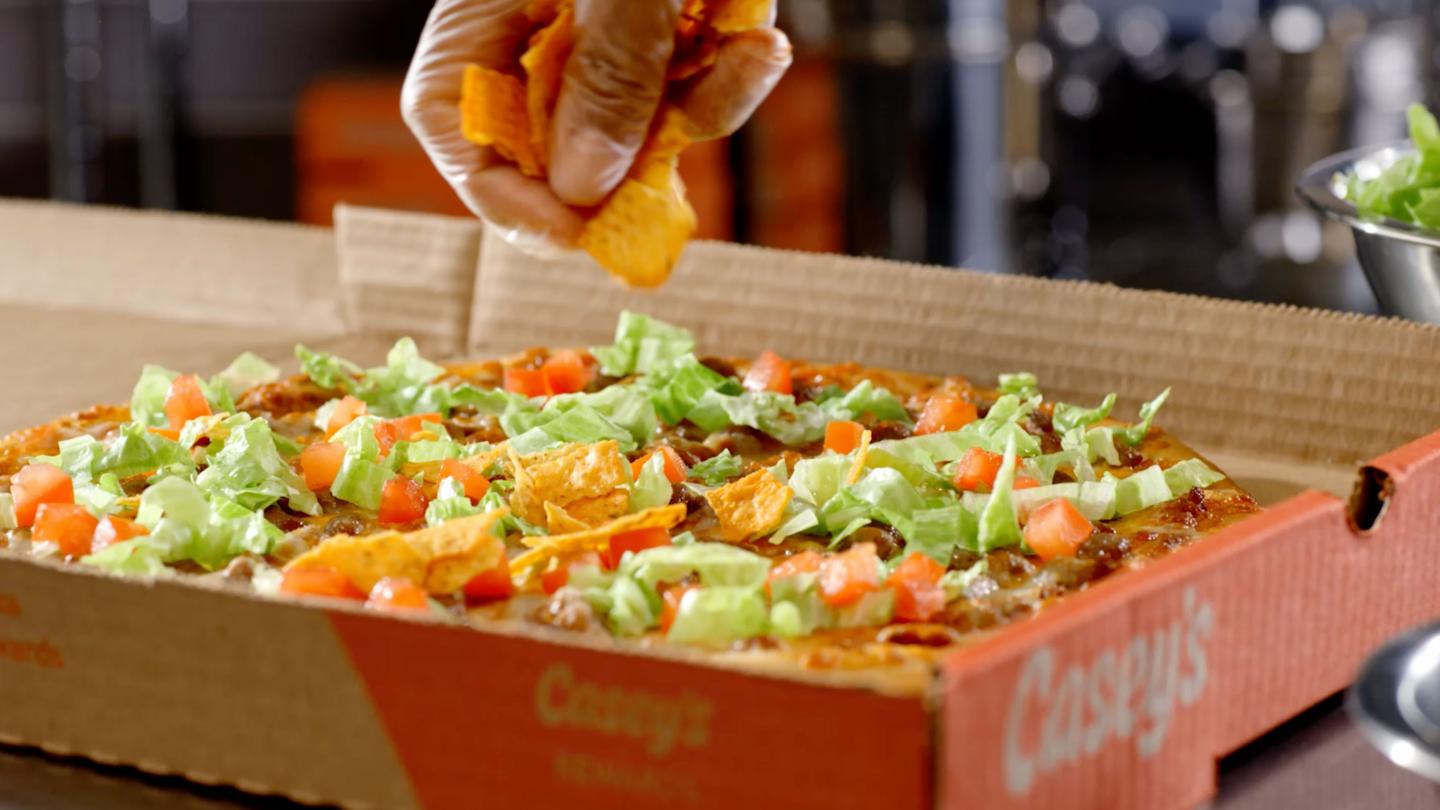
As for his personal preference, Brennan confessed that while the breakfast pizza with bacon is undeniably a strong contender, a new item has recently captured his attention: the four-cheese pizza. This creation features a blend of provolone, mozzarella, and cheddar, elevated by a special "post-bake shake" of cheese seasoning. "It is a game-changer," he enthusiastically concluded, encapsulating the innovative spirit that continues to drive Casey’s remarkable ascent from a regional convenience store to a national pizza powerhouse.
