
 By admin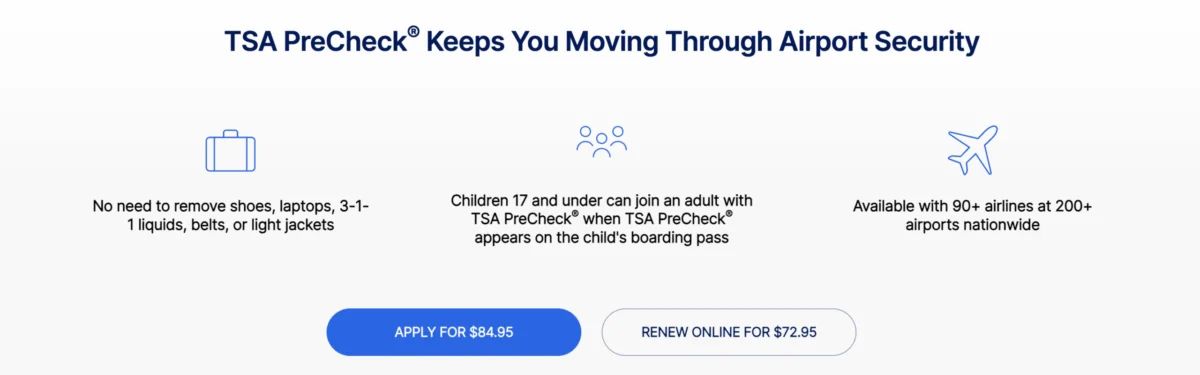
For years, the process of securing TSA PreCheck—a government-run program—and Clear—a private biometric service—required separate workflows, different locations, and distinct fee structures. However, as of September 2026, Clear has solidified its position as one of the three primary authorized enrollment providers for TSA PreCheck, alongside Idemia and Telos. This partnership is designed to handle the massive influx of applications as travel volume surpasses pre-pandemic levels, ensuring that the "fast lanes" remain truly fast.
The integration of these services comes at a pivotal moment. Industry analysts suggest that the "frictionless travel" movement is no longer a luxury but a necessity for frequent flyers. By allowing travelers to enroll in or renew their TSA PreCheck membership at dozens of Clear airport locations and hundreds of retail partners, the barriers to entry for expedited screening have been significantly lowered. This expansion is particularly relevant for those navigating high-traffic airports like San Francisco International (SFO), Hartsfield-Jackson Atlanta International (ATL), and John F. Kennedy International (JFK), where security wait times during peak holiday windows can often exceed an hour for those in standard lanes.
Understanding the Clear and TSA PreCheck Synergy
To appreciate the value of this new enrollment option, one must understand the distinct roles these two programs play. TSA PreCheck is a Department of Homeland Security (DHS) initiative that allows vetted travelers to use dedicated security lanes. In these lanes, members do not need to remove shoes, belts, or light jackets, and can leave laptops and compliant liquids in their carry-on bags. Clear, on the other hand, is a private membership service that uses biometric data—specifically iris scans and fingerprints—to verify a traveler’s identity, allowing them to skip the document-check line and move directly to the physical screening area.
While the programs are separate, they are highly complementary. A traveler with both Clear and TSA PreCheck can use the Clear pod to verify their identity in seconds and then be escorted to the front of the TSA PreCheck lane for a rapid physical screening. By becoming an official enrollment provider, Clear has effectively bridged the gap between the private and public sectors of airport security.

The Financial Breakdown: The $219 Bundle Strategy
One of the most compelling aspects of enrolling through Clear is the pricing strategy introduced for the 2026 travel season. As membership fees for various travel programs have seen incremental hikes over the last few years, bundling has become the most cost-effective way to maintain status.
Currently, Clear offers a bundle for new applicants that costs $219. This single payment covers a five-year TSA PreCheck membership and the first year of Clear+. Given that the standard annual rate for Clear+ has risen to $219, the bundle effectively provides the TSA PreCheck enrollment for free. For travelers who were already planning to invest in Clear’s biometric technology, this represents a significant saving of the $78 to $85 typically charged for a standalone PreCheck application.
Renewals are handled with similar efficiency. Existing TSA PreCheck members whose status is nearing expiration—usually within six months of the five-year mark—can opt to renew through Clear. If they choose to bundle this renewal with a Clear+ membership, the price remains $219 for the first year. After the initial year, the Clear+ membership renews at the standard annual rate, while the TSA PreCheck status remains valid for the full five-year term.
The Enrollment Workflow: Speed and Convenience
The hallmark of the Clear-led enrollment process is the removal of the "appointment hurdle." Historically, many travelers struggled to find available time slots at government-run enrollment centers, sometimes waiting weeks or traveling long distances to a regional office. Clear has disrupted this model by offering "no-appointment-necessary" registration.
The process begins online, where applicants fill out their basic biographical information and start the security questionnaire. Once the digital portion is complete, the traveler can visit any participating Clear airport location or retail partner at their convenience. At the location, a Clear Ambassador assists with the biometric capture—fingerprints and a high-resolution photo—and verifies the required documentation.
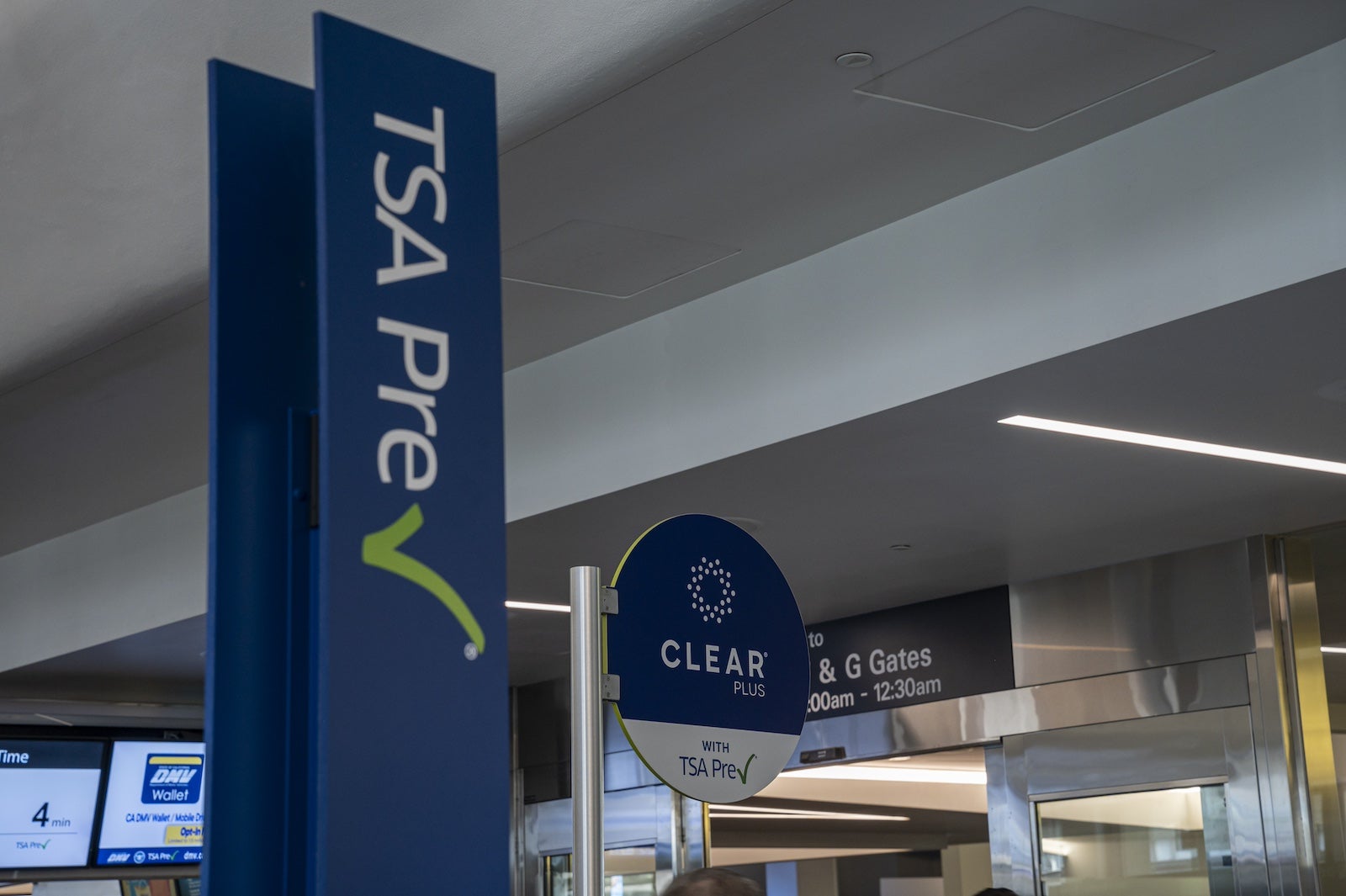
Applicants must bring valid proof of identity and citizenship, such as an unexpired U.S. Passport or a combination of a birth certificate and a driver’s license. Because these enrollment pods are located within the airport—often right next to the security checkpoints—many travelers are choosing to complete their enrollment just before boarding a flight, turning a chore into a quick stop on their way to the gate.
Market Competition: Clear vs. Idemia vs. Telos
While Clear’s expansion is impressive, it is important for consumers to recognize that they have choices. Clear is one of three authorized providers, and the competitive landscape has led to varying price points and service levels.
- Idemia: The long-standing incumbent in the space, Idemia operates the majority of enrollment centers, including many located in Staples retail stores. They often offer the most traditional experience and have the widest geographic footprint in non-airport locations.
- Telos: Known for a streamlined digital interface, Telos has focused on high-traffic airports and offers competitive renewal rates.
- Clear: The primary differentiator for Clear is the biometric integration and the ability to bundle with the Clear+ service.
Travelers who do not intend to use the biometric "front-of-the-line" service provided by Clear may find that renewing through Idemia or Telos is slightly cheaper on a standalone basis. However, for the frequent flyer, the convenience of the Clear airport pods often outweighs the marginal price difference.
Leveraging Premium Credit Cards to Offset Costs
In the current economic climate, savvy travelers are increasingly looking to credit card benefits to subsidize their security fees. Many premium travel cards have updated their offerings for 2026 to reflect the rising costs of these programs.
For instance, the American Express Platinum Card® and The Business Platinum Card® from American Express currently provide a statement credit of up to $219 per year for Clear+ membership. By using these cards to pay for the Clear/TSA PreCheck bundle, cardholders can essentially secure both programs at a net cost of zero.
Other cards, such as the Chase Sapphire Reserve® or the Capital One Venture X, offer credits specifically for TSA PreCheck or Global Entry (usually up to $100 or $120 every four years). While these credits typically cover the standalone cost of PreCheck through any provider, the Clear bundle allows travelers to maximize the utility of their "Clear-specific" credits found on Amex products. It is essential for travelers to check their specific card terms, as some credits are triggered only by certain providers or require enrollment in the benefit through the bank’s portal.
The Strategic Context: Why Now?
The push for expanded enrollment providers is a direct response to the "Travel Boom" of the mid-2020s. With airline capacity reaching all-time highs and airports struggling with staffing, the TSA has leaned heavily on the PreCheck program to maintain safety standards without causing terminal gridlock. Data shows that TSA PreCheck passengers wait less than 10 minutes on average, even during peak periods. By outsourcing the enrollment process to companies like Clear, the TSA can focus its resources on actual screening operations rather than administrative processing.
Furthermore, the technology behind Clear has evolved. The "Clear Concierge" service and the integration of "Touchless ID" at various airports represent the next generation of travel. As we approach the busy Thanksgiving and December holiday windows, the ability to process thousands of new PreCheck applicants through Clear’s existing infrastructure is expected to be a "pressure valve" for the entire aviation system.
Final Expert Perspectives
Travel experts suggest that if you are a traveler who flies more than three times a year, the investment in both programs is almost always justified. The 2026 Thanksgiving travel period is projected to be the busiest in history, with a combination of "bleisure" travelers (those combining business and leisure) and families making up the bulk of the volume.
The decision to enroll in TSA PreCheck through Clear ultimately comes down to a lifestyle choice: do you value your time more than the annual membership fee? For those who answer yes, the bundle is currently the most efficient "fast pass" available in the American travel market. As the industry continues to move toward a fully biometric and digital identity-based system, programs like these are no longer just perks—they are the blueprints for the future of global mobility. Travelers are encouraged to begin their enrollment now, well ahead of the November rush, to ensure their Known Traveler Number (KTN) is active and ready for their holiday bookings.
