
 By Lina Irawan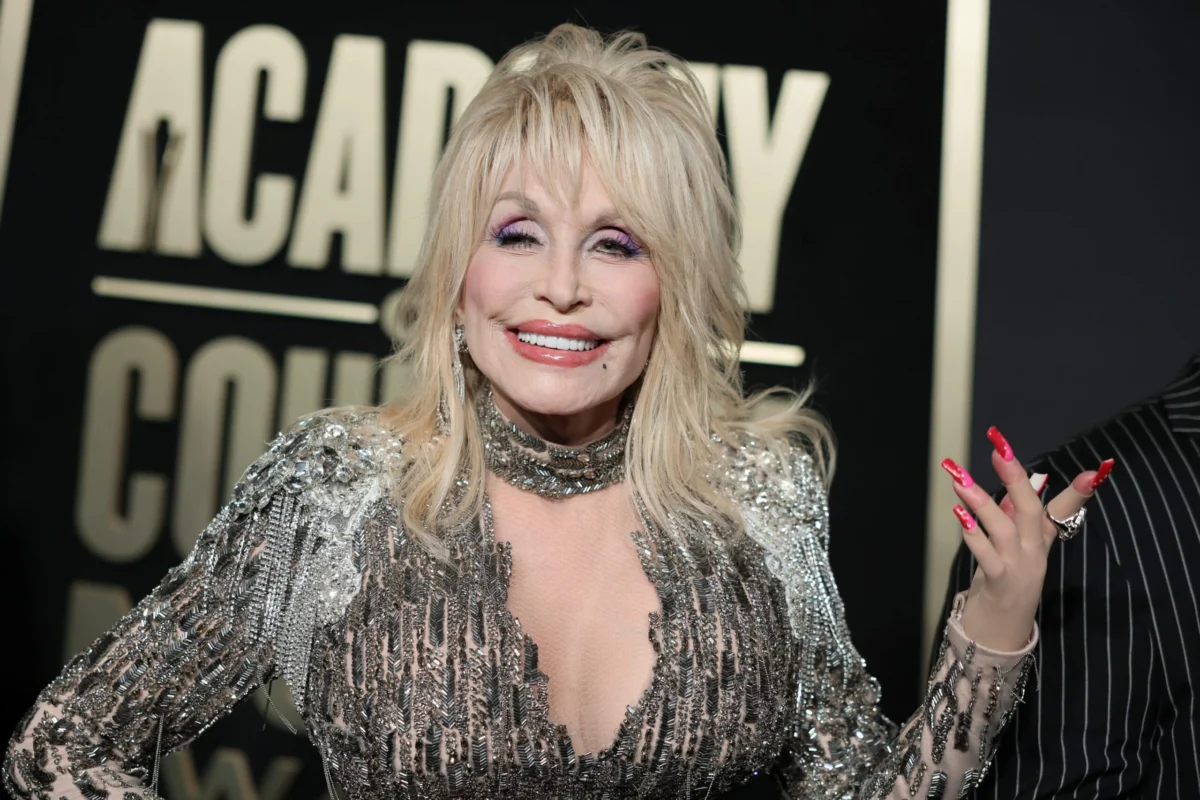
Within hours of the news breaking, a flurry of memecoins emerged, capitalizing on the emotional resonance and widespread media attention surrounding Parton’s reported death. Tokens with names like "Dolly," "DollyParton," and "RIP Dolly Parton" proliferated across various blockchain networks. The primary launchpads for these opportunistic ventures were Pump.fun, a widely adopted memecoin platform on the Solana blockchain known for its low barriers to entry and rapid deployment capabilities, and the newer Robinhood Chain, a network launched by the retail brokerage giant Robinhood, which, despite its aims for tokenized real-world assets, has also become a hotbed for memecoin activity.
The modus operandi was depressingly predictable and predatory. Issuers would aggressively promote their newly minted tokens across social media channels, leveraging the trending topic to attract a rapid influx of buyers. As the price of these tokens surged due to concentrated buying pressure and speculative excitement, often reaching significant market capitalizations within a matter of hours, the insiders – the developers or early investors who created and held a substantial portion of the token supply – would execute a "rug pull." This involves suddenly selling off their large holdings en masse near the peak of the token’s value. The sudden, massive sell-off would inevitably crash the token’s price, leaving late-entering retail investors with worthless digital assets and virtually no recourse. This maneuver, a staple scam in the unregulated corners of the crypto market, underscores the inherent risks and lack of consumer protection in the memecoin space.
Among the various Dolly Parton-themed tokens, "Dolly" emerged as one of the initial frontrunners. Launched on Pump.fun, it demonstrated the rapid ascent and precipitous fall characteristic of these speculative instruments. Within the first few hours of its existence, the "Dolly" token’s market capitalization soared to an impressive peak of nearly $480,000. This meteoric rise, fueled by a combination of FOMO (fear of missing out) and the hope of quick profits, was short-lived. Following the predictable rug pull, its value plummeted just as quickly, collapsing to below $180,000, and likely continuing its descent toward near zero as liquidity dried up and investor confidence evaporated. Such extreme volatility and vulnerability to manipulation are not anomalies but defining characteristics of the memecoin market, where fortunes can be made and lost in the blink of an eye, predominantly to the benefit of the anonymous insiders.
This exploitation of celebrity deaths is not an isolated incident but a disturbing, recurring pattern within the memecoin ecosystem. The rapid response to Dolly Parton’s passing mirrored similar campaigns that emerged following the deaths of other high-profile public figures. Notable examples include the launches of memecoins after the passing of former One Direction member Liam Payne, conservative commentator Charlie Kirk, and Black Sabbath frontman Ozzy Osbourne. In each instance, the sudden news of a celebrity’s death generates an immense wave of public interest, media coverage, and emotional engagement, creating a fertile ground for memecoin creators to launch speculative tokens. These events provide an immediate, widely understood narrative that can be easily packaged and promoted to a broad, internet-savvy audience, regardless of the ethical implications of profiting from grief or tragedy. The anonymity inherent in decentralized finance platforms often shields these creators from accountability, further incentivizing such cynical endeavors.
The recent Dolly Parton token launches also resurfaced a trend that had become one of cryptocurrency’s most defining and controversial narratives throughout 2025. That year witnessed an unprecedented surge in speculative capital flowing into these internet-driven tokens, particularly within the Solana ecosystem. Platforms like Pump.fun played a pivotal role in this boom, making the creation and launch of new tokens remarkably inexpensive and astonishingly simple. This democratization of token issuance transformed memecoin trading into a high-speed attention market, where traders, often referred to as "degens" (short for degenerates, a self-deprecating term for high-risk traders), sought to capture extreme short-term returns. The allure of turning a small investment into a substantial sum overnight proved irresistible to many. However, the overwhelming majority of such launches achieve little to no genuine economic value, and almost all of them inevitably collapse to near zero, leaving a trail of significant financial losses for the vast majority of participants. This "casino-like" environment, while generating massive trading volumes, also solidified public skepticism about the broader utility and legitimacy of the crypto space.
Public skepticism of memecoins intensified further as even high-profile political figures began to dabble in, and in some cases, directly launch their own memecoins, blurring the lines between internet culture, speculative finance, and public office. Two days before assuming office in January 2025, President Donald Trump notably launched the "TRUMP" token. This token briefly reached an astounding market capitalization of approximately $8.7 billion, fueled by immense political fervor and speculative trading. However, like many before it, its value proved unsustainable, ultimately losing more than 90% of its peak value, according to data from crypto analytics provider CoinGecko. This incident raised significant questions about the ethics of a sitting or incoming head of state engaging in such speculative financial activities.
The trend continued when First Lady Melania Trump followed suit, launching the "MELANIA" token just two days after her husband’s venture. This token also experienced a dramatic, albeit brief, surge, reaching a high of almost $9 per token. Today, its value languishes at a mere 11 cents, serving as another stark reminder of the fleeting nature of memecoin pumps. These high-profile political endorsements, rather than legitimizing the sector, often highlighted its inherent volatility and potential for significant investor losses, particularly for those who bought in at the peak.
Globally, similar controversies emerged. In February 2025, Argentine President Javier Milei publicly endorsed the "LIBRA" memecoin. His endorsement triggered an immediate and dramatic surge in the token’s value, reflecting the power of a prominent figure’s backing. Yet, mirroring the pattern, the LIBRA token’s value collapsed within hours of its peak. The fallout was severe, leading a federal judge to open an investigation into allegations of fraud, although President Milei has consistently denied any wrongdoing. These incidents involving national leaders underscored the urgent need for regulatory clarity and consumer protection in the memecoin space, as public trust and national economies could be implicated by such speculative ventures.
Despite memecoins’ troubled reputation, their propensity for attracting high trading volumes and generating fees means the sector remains a curious focus for certain parts of the crypto industry, including established financial players. In July, Robinhood, a company historically associated with democratizing stock trading, launched Robinhood Chain. The stated ambition for this new blockchain network was to facilitate tokenized stocks and other real-world assets, aiming for a more "serious" and regulated approach to digital finance. Paradoxically, memecoins quickly became among its most actively traded assets, demonstrating the pervasive influence of speculative fervor. Within days of the chain’s launch, a token named "Cash Cat," humorously referencing an early possible name for the brokerage itself, surged to a market capitalization of roughly $150 million, according to CoinGecko. This phenomenon highlighted the inherent tension within the crypto industry: while many aspire to build robust, utility-driven decentralized applications, the raw, speculative energy of memecoins often dominates user attention and trading activity, bringing both liquidity and significant reputational risk to platforms that embrace them.
The ease of creating and trading these tokens is central to their proliferation. Platforms like Pump.fun streamline the entire process, requiring minimal technical expertise and capital to launch a new token. This accessibility, combined with the low transaction fees on networks like Solana, creates an environment where anyone can become a "developer" and anyone can become a "trader." Liquidity pools and automated market makers (AMMs) on decentralized exchanges allow for instant trading, further fueling the rapid pump-and-dump cycles. The allure for traders lies in the dream of astronomical, rapid returns – the "100x" or "1000x" gains often touted in memecoin communities. This hope, however, frequently overshadows the stark reality that the vast majority of these tokens are designed either as explicit scams or are inherently destined for failure due to their lack of fundamental value and extreme price volatility.
The regulatory landscape surrounding memecoins remains largely undeveloped, presenting a significant challenge for authorities attempting to protect consumers and maintain market integrity. The decentralized nature of many memecoin launches, coupled with the anonymity of their creators, makes enforcement difficult. While some jurisdictions are beginning to explore frameworks for digital assets, memecoins often fall into gray areas, not fitting neatly into existing securities or commodities regulations. This regulatory vacuum allows bad actors to operate with relative impunity, exacerbating the risks for retail investors.
The Dolly Parton memecoin incident, like those before it involving other celebrities and political figures, serves as a stark reminder of the enduring, yet deeply problematic, nature of memecoins. They represent a curious intersection of internet culture, speculative finance, and human psychology – a realm where virality can be instantly monetized, often at the expense of unsuspecting investors. While proponents argue they offer a fun, accessible entry point into crypto or a new form of digital expression, their consistent association with rug pulls, scams, and extreme volatility casts a long shadow. Until robust regulatory frameworks are established and platforms take greater responsibility for the tokens hosted, the memecoin market will likely continue to be a wild west, where opportunistic individuals readily exploit viral moments and public sentiment for personal gain, leaving behind a trail of disillusionment and financial losses.
