
 By admin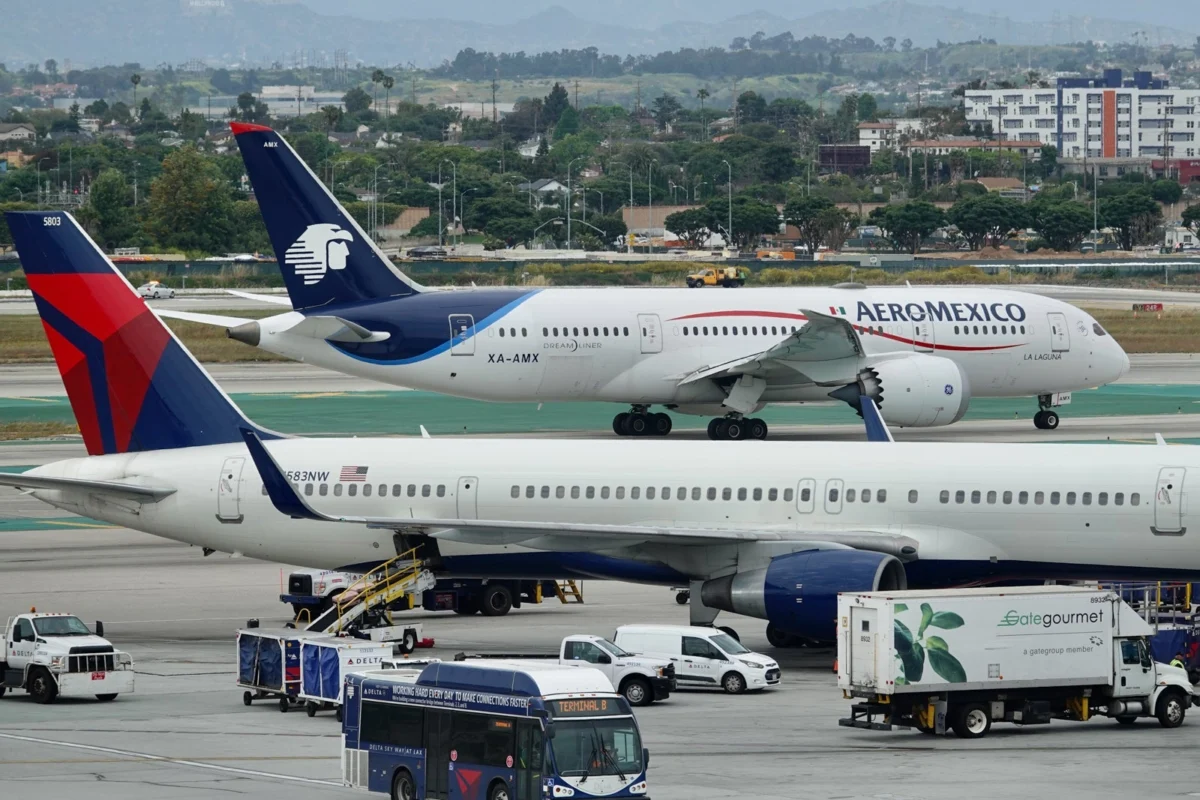
The legal battle began when the DOT issued a tentative order in early 2024 to terminate the airlines’ antitrust immunity. The regulator’s move was largely seen as a diplomatic and regulatory lever aimed at the Mexican government, which had implemented controversial changes at Mexico City’s Benito Juárez International Airport (MEX). These changes included a significant reduction in flight slots and the mandatory relocation of all-cargo operations to the newer, more distant Felipe Ángeles International Airport (AIFA). The DOT argued that these actions were discriminatory and violated the Open Skies agreement between the two nations, ultimately concluding that the competitive environment at MEX had degraded to the point where the Delta-Aeromexico partnership was no longer in the public interest.
However, the U.S. Court of Appeals for the Eleventh Circuit found the DOT’s logic fundamentally flawed. The court’s decision rested on the observation that the DOT had shifted its analytical goalposts. When the joint venture was originally approved in 2016, the DOT evaluated its impact on the broad U.S.-Mexico market. In its recent attempt to terminate the pact, the regulator narrowed its focus almost exclusively to the Mexico City market. The court ruled that the DOT failed to provide a sufficient legal or economic basis for this sudden change in scope, effectively declaring the termination order invalid.
For Delta Air Lines and Aeromexico, the reprieve is more than just a legal win; it is a vital preservation of a deep-rooted commercial synergy. A joint venture (JV) in the airline industry is the highest form of cooperation short of a full merger. Under an immunized JV, airlines are granted "antitrust immunity," allowing them to coordinate on pricing, scheduling, and sales. They operate as a single entity on specific routes, sharing both the risks and the rewards of the operation. This "metal neutrality" ensures that neither airline has a financial incentive to favor its own aircraft over its partner’s, leading to a more seamless experience for the traveler.
Aeromexico expressed its satisfaction with the ruling in a formal statement, noting that the continuation of the joint venture allows the airlines to provide "enhanced connectivity, a broader network, more convenient service options, and increased competition for customers traveling between Mexico and the United States." Delta echoed this sentiment, emphasizing its commitment to ensuring that customers, employees, and communities continue to benefit from the decade-long partnership.
The U.S.-Mexico market is currently the largest international aviation market for the United States based on seat capacity. According to data from aviation analytics firm Cirium, the corridor is a vital artery for both business and leisure travel. As of the end of 2024, American Airlines holds the largest individual market share with just over 20% of the seats. The Delta-Aeromexico alliance follows closely behind with a combined share of nearly 20%. The third major player is the Mexican ultra-low-cost carrier Volaris, which commands approximately 19% of the market. Without the joint venture, Delta and Aeromexico would be forced to compete against one another, likely leading to a reduction in service on less profitable routes and a fragmentation of the schedule that currently benefits connecting passengers.
The partnership has been instrumental in launching several "long-tail" routes that might not be sustainable for a single carrier operating in isolation. Since the implementation of the JV, the airlines have introduced dozens of new routes, including direct service from Mexico City to U.S. cities like Phoenix Sky Harbor International Airport (PHX), Raleigh-Durham International Airport (RDU), and Tampa International Airport (TPA). These routes provide critical links for the tech industry in North Carolina, the tourism sector in Florida, and the growing commercial ties in the Southwest. Had the DOT’s termination order stood, many of these routes were considered to be in immediate jeopardy, as the airlines would no longer be able to coordinate the connecting traffic necessary to fill the planes.
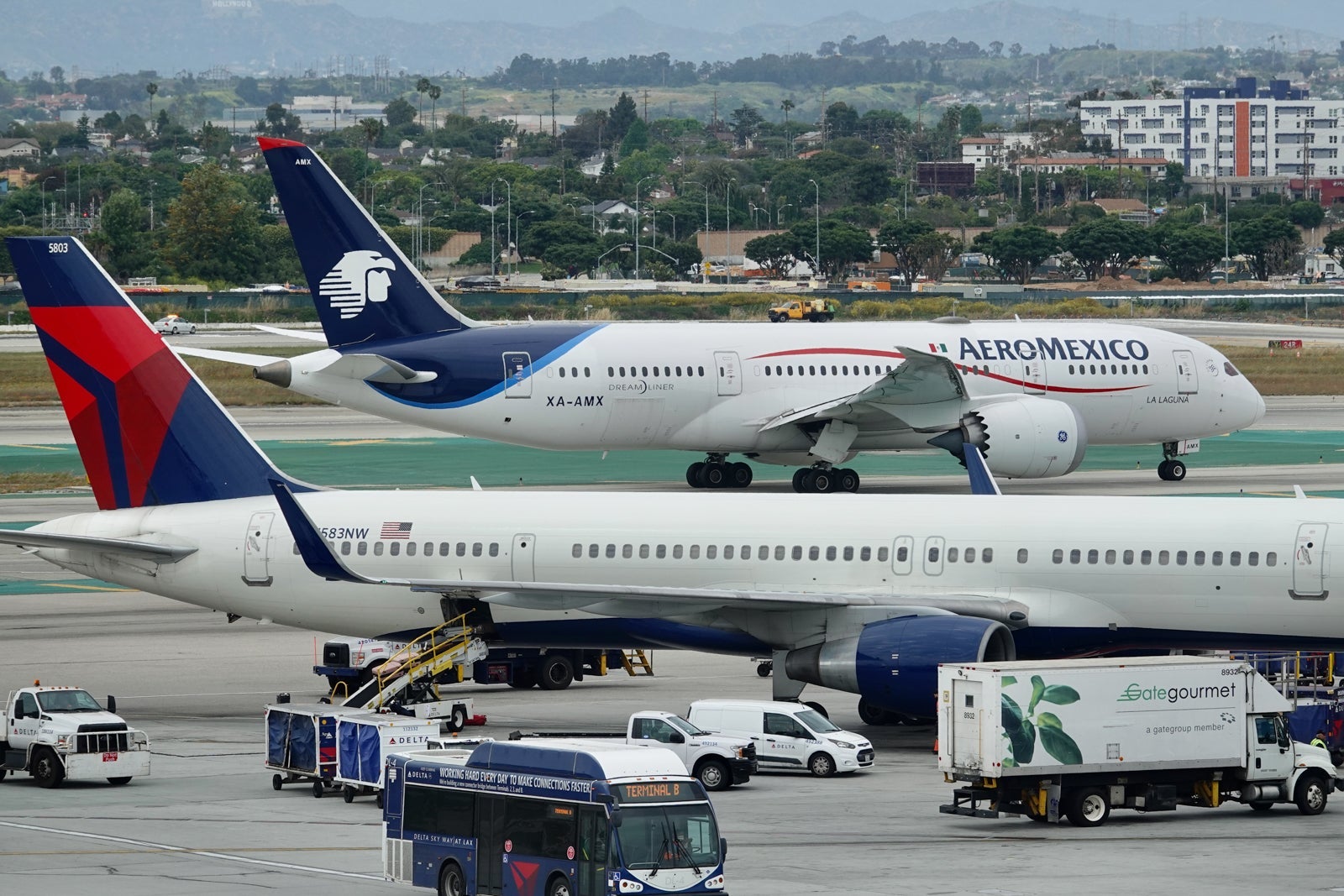
The history of the Delta-Aeromexico partnership is one of resilience and strategic alignment. Delta holds a significant equity stake in Aeromexico, a relationship that was tested and ultimately reaffirmed during Aeromexico’s Chapter 11 bankruptcy restructuring amid the COVID-19 pandemic. The two airlines have spent years aligning their technology, ground handling, and loyalty programs to create a "borderless" feel for their passengers. For members of Delta SkyMiles and Aeromexico Rewards, the partnership offers reciprocal benefits, including mileage accrual, redemption, and elite status recognition, such as priority boarding and lounge access.
The regulatory path for the alliance has not been without its hurdles. Between 2021 and 2023, the partnership was effectively hamstrung when the Federal Aviation Administration (FAA) downgraded Mexico’s aviation safety rating to Category 2. While this downgrade was a reflection of the Mexican government’s regulatory oversight rather than the safety of individual airlines, it prohibited Mexican carriers from adding new routes to the U.S. or deepening their coordination with U.S. partners. During this period, the Delta-Aeromexico JV was forced into a holding pattern. It was only after Mexico was restored to Category 1 status in late 2023 that the airlines were able to resume their expansion plans, only to be met shortly after by the DOT’s now-dismissed termination order.
Industry analysts suggest that the court’s decision sends a strong message to the DOT regarding its use of antitrust immunity as a diplomatic bargaining chip. While the DOT has a mandate to ensure that airline partnerships serve the public interest, the court clarified that such decisions must be based on consistent, broad-market analysis rather than localized grievances or political maneuvering. This ruling may provide a shield for other international joint ventures that have come under increased scrutiny from the current administration, which has generally taken a more hawical stance toward consolidation and cooperation in the aviation sector.
The dismissal of the termination order also provides much-needed stability for the Mexican aviation sector. Aeromexico, as the country’s global flagship carrier, relies heavily on its U.S. feed to support its long-haul operations to Europe and Asia. The synergy with Delta’s massive domestic network allows passengers from small and mid-sized U.S. cities to reach Mexico City and beyond with a single stop, a level of connectivity that is difficult to replicate through simple codesharing agreements.
Looking forward, the focus for Delta and Aeromexico will return to network optimization and the passenger experience. The airlines are expected to continue their fleet modernization efforts—Delta with its fuel-efficient Airbus A321neos and Aeromexico with its Boeing 737 MAX and 787 Dreamliner aircraft. These investments are predicated on the long-term stability of their joint venture, which provides the revenue certainty needed to commit to multi-billion-dollar aircraft orders.
While the DOT has not yet commented on whether it will attempt a different legal avenue to challenge the partnership, the Eleventh Circuit’s ruling serves as a formidable barrier. For now, the "reprochement" between the two carriers is secure. Travelers booking flights between the U.S. and Mexico can continue to expect the integrated service they have grown accustomed to over the last decade. From the corporate traveler flying between Atlanta and Monterrey to the vacationer heading from New York to Puerto Vallarta, the dismissal of the termination order ensures that one of the world’s most significant aviation partnerships will continue to fly high, unimpeded by the regulatory turbulence that briefly threatened its future.
