
 By admin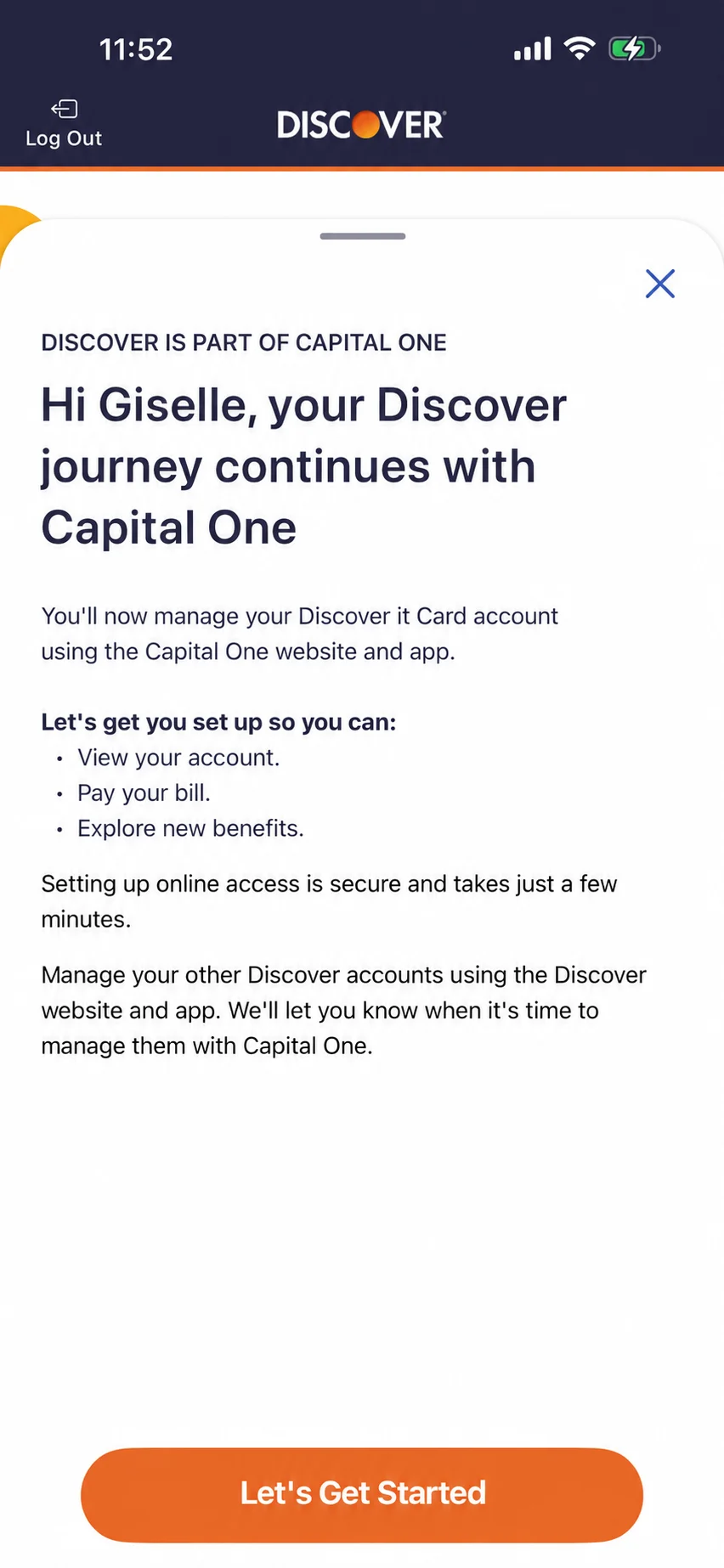
For Discover cardholders, the most immediate change will be the platform through which they manage their finances. Once an account is selected for migration, the familiar Discover website and mobile app will be replaced by Capital One’s digital ecosystem. However, this is not a universal switch-flip. Not all Discover cardholders are moving at the same time, and Capital One has cautioned that individuals with multiple Discover accounts should not assume all their cards will migrate simultaneously. This staggered approach is a standard industry practice designed to mitigate technical glitches and prevent customer service channels from becoming overwhelmed during the integration of millions of data points.

The strategic rationale behind this migration is rooted in Capital One’s ambition to create a global payments giant capable of competing with the duopoly of Visa and Mastercard. Unlike most other major banks, Discover operates its own proprietary payment network. By acquiring Discover, Capital One gains the ability to process its own transactions, potentially saving billions in interchange fees and gaining unprecedented control over its merchant relationships. For the consumer, however, the primary focus remains on how this corporate maneuvering affects their daily spending, rewards balances, and credit health.
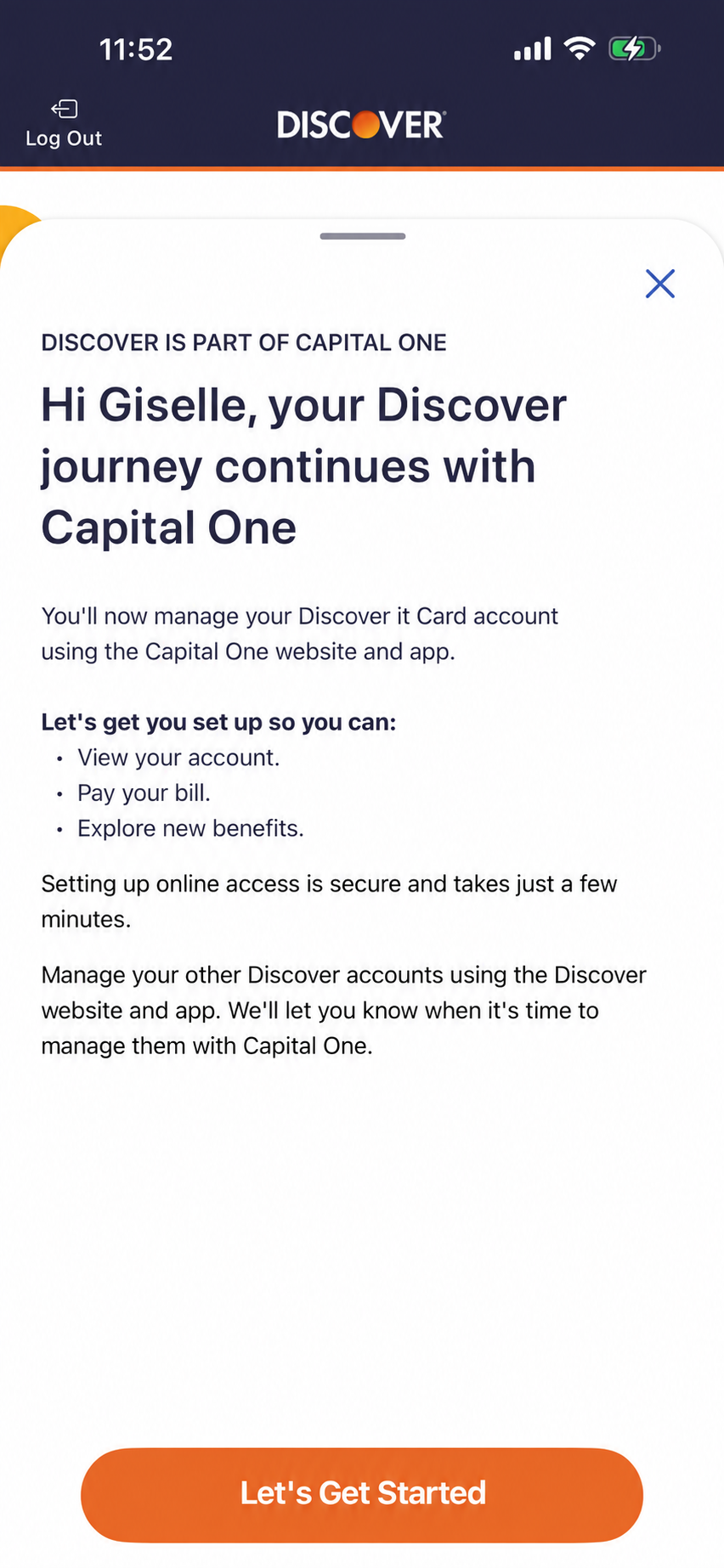
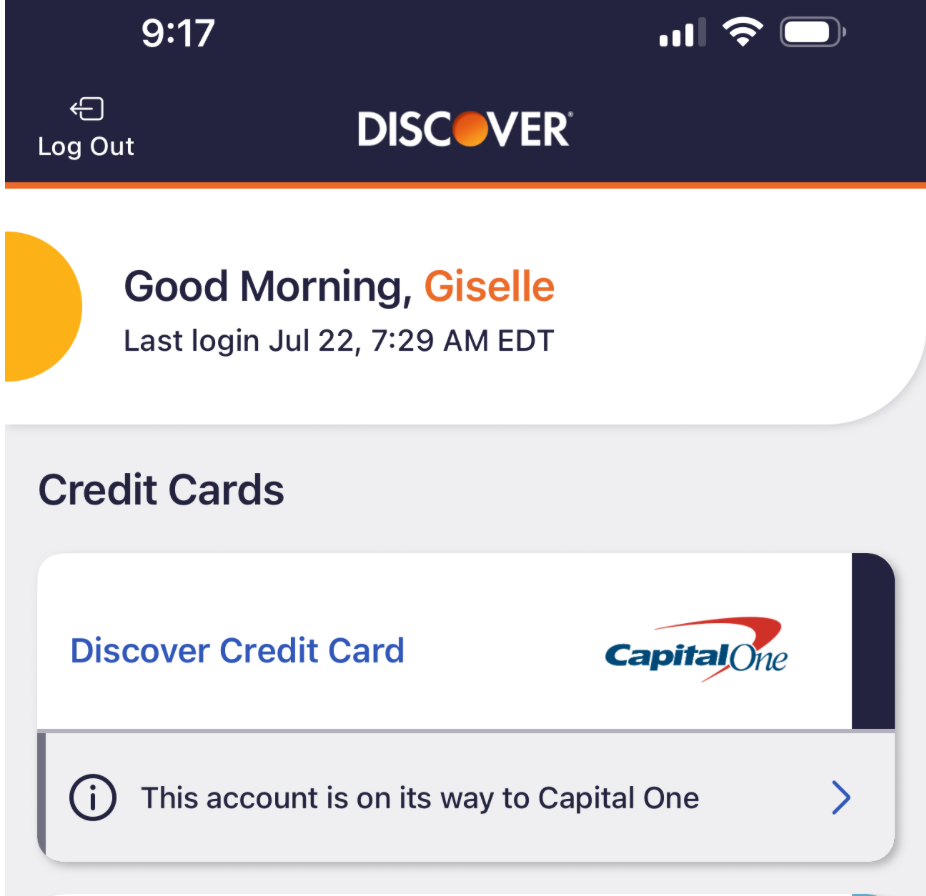
As the migration officially kicked off on July 27, many cardholders began looking for updates. Capital One has emphasized that "comprehensive information and reminders" will be sent to cardholders well in advance of their specific move date. If you have not yet received an email or a push notification within your Discover app, it simply means your account is scheduled for a later wave. Early reports from users who have already undergone the transition, including editorial staff at major financial news outlets, indicate a streamlined process. For instance, when a cardholder opens the Discover app on their scheduled migration day, they are met with a prominent banner confirming the move and a prompt to set up a new Capital One account. This redirection is designed to be seamless, though it does require the user to establish new login credentials or link their Discover card to an existing Capital One profile if they already hold other products like the Venture or Savor cards.
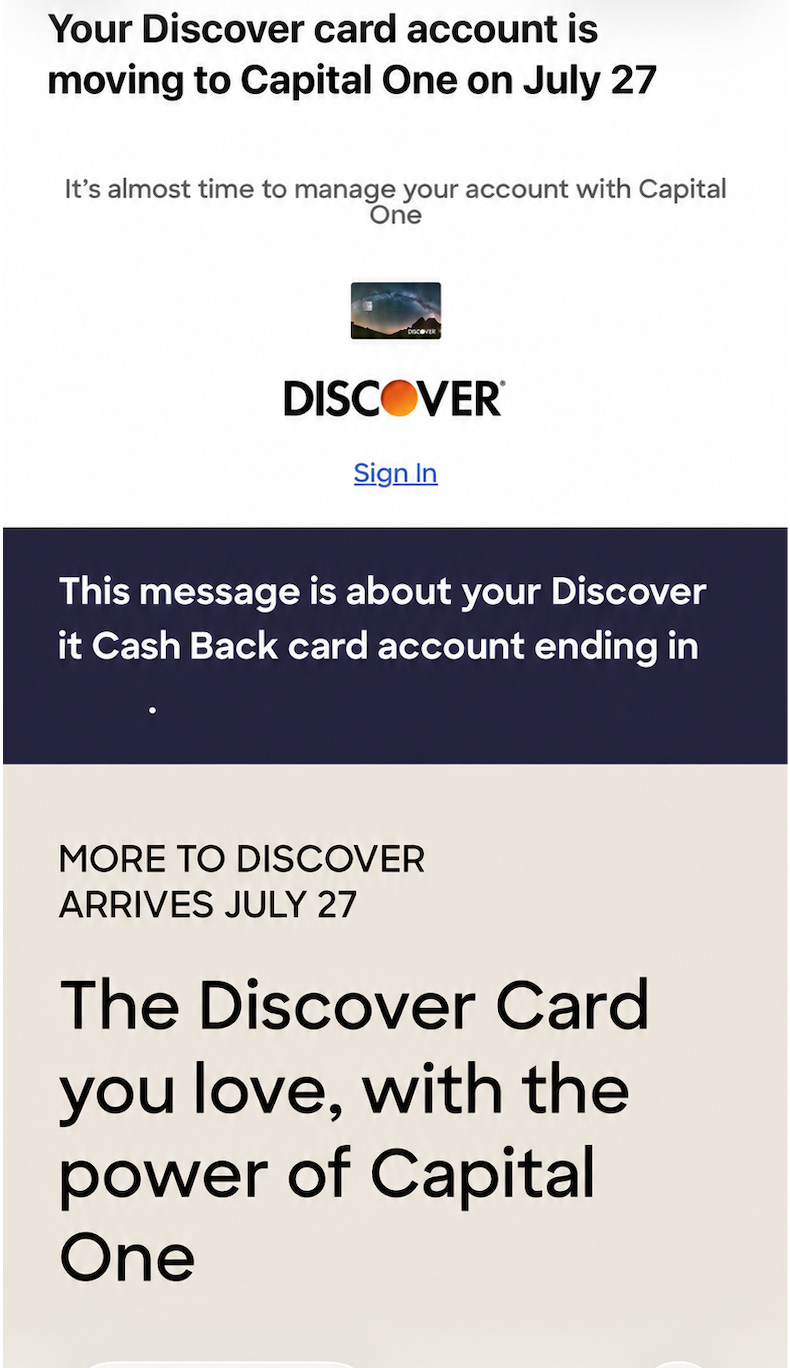
Capital One has been proactive in detailing which account specifics will transfer automatically to ensure a frictionless transition. According to the bank, essential data including current balances, transaction histories, and existing rewards balances will move without the need for manual intervention. Furthermore, account settings such as autopay configurations, paperless billing preferences, and alert settings are slated to carry over. This is particularly critical for maintaining financial stability, as it prevents missed payments that could otherwise occur during a platform migration. Once the migration is complete, the Discover app will effectively become a portal that directs users to the Capital One Mobile app, which currently holds high ratings for user experience and interface design.
One of the most common anxieties surrounding bank mergers is the potential impact on credit scores. Fortunately for Discover cardholders, Capital One has confirmed that the transition will not be reported to credit bureaus as a "new account." This is a vital distinction, as a new account would typically lower the average age of a user’s credit history and trigger a "hard inquiry," both of which can temporarily depress a credit score. Instead, the account’s original "open date" will be preserved, and the transition will be treated as a continuation of the existing line of credit. This ensures that the cardholder’s credit longevity—a major factor in FICO and VantageScore calculations—remains intact.
In terms of the physical card itself, most primary cardholders will not need to replace their existing Discover plastic or metal. The cards will continue to function at point-of-sale terminals and for online transactions just as they did before. However, there is a notable exception for authorized users and joint account holders. These individuals will receive new physical cards featuring unique 16-digit numbers. This change likely reflects Capital One’s backend architecture, which often assigns distinct identifiers to authorized users for better tracking and security, whereas Discover traditionally used the same card number for all users on a single account. These new cards will be mailed to the primary cardholder’s address on file, and until they arrive, the old cards will remain functional to prevent any service interruptions.
Regarding rewards, the news is overwhelmingly positive for those who have spent years accumulating cash back or miles. Capital One has guaranteed that all existing rewards will transfer at their full value and will not expire as long as the account remains open. The earning structures that made Discover a favorite among "reward hackers" will also remain unchanged for the foreseeable future. For example, the flagship Discover it Cash Back card will maintain its signature 5% cash back on rotating quarterly categories (up to $1,500 in purchases after activation). In a move toward convenience, Capital One has stated that if a user has already activated their categories for the current quarter on the Discover platform, that activation will carry over to the Capital One system. Future activations will simply take place within the Capital One app.
While much of the core Discover experience is being preserved, the migration also introduces a suite of new benefits associated with the Capital One ecosystem. Discover cardholders will gain access to Capital One Dining, a platform that offers exclusive reservations at high-end restaurants, and Capital One Entertainment, which provides presale access to concert tickets, sporting events, and theater performances. Perhaps most notably, cardholders will be able to use Capital One Travel. This booking portal, powered by the predictive pricing technology of Hopper, allows users to book flights, hotels, and car rentals while benefiting from price drop protections and price matching. These additions represent a significant "value add" for Discover users, many of whom previously had limited access to such lifestyle and travel perks.
The transition also signals a shift in customer service. Discover has long been celebrated for its 100% U.S.-based customer service and has consistently ranked at or near the top of J.D. Power’s Credit Card Satisfaction Studies. Capital One, while also highly rated, operates a different service model. Following the migration, cardholders will interact with Capital One representatives. While Capital One has invested heavily in AI and digital assistants like "Eno," the human element of Discover’s service has been a hallmark of its brand identity. It remains to be seen how Capital One will integrate Discover’s service culture into its larger operations, but the bank has expressed a commitment to maintaining high standards of customer care.

For the millions of Discover cardholders, the recommended course of action is patience. There is no need to call customer service or attempt to "force" a migration. The most important task is to ensure that contact information—especially email and physical mailing addresses—is up to date in the Discover portal so that transition notices are received promptly. During the actual window of migration, certain features like rewards redemption or profile updates may be temporarily disabled for a few hours. This is a standard "blackout" period during data migration. Once the move is finalized, users should log in to the Capital One app to verify that their scheduled payments and notification settings have transferred correctly.
As this process unfolds over the next three years, it will serve as a case study in large-scale financial integration. The merger of Discover and Capital One is not just about moving accounts; it is about the evolution of the American credit landscape. By maintaining the features that made Discover a household name—such as no annual fees and robust cash-back rewards—while layering on Capital One’s technological prowess and premium benefits, the combined entity aims to offer a more competitive alternative to the traditional "Big Four" banks. For now, Discover cardholders can continue to swipe with confidence, knowing that while the logo on their app may change, the value in their wallet is being protected and, in some ways, enhanced.
