
 By admin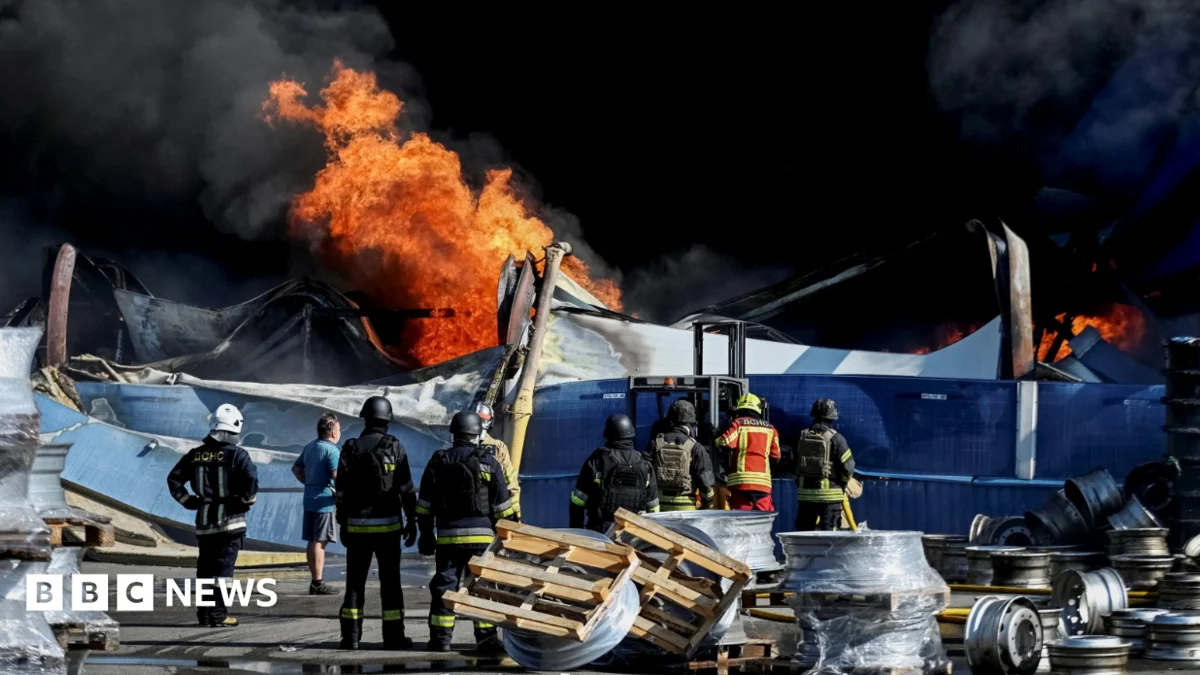
A catastrophic Russian drone strike late on Friday evening unleashed a devastating explosion at a warehouse in the Kyiv region, resulting in the deaths of at least thirty-seven people and forcing the evacuation of nearly 400 others. The sheer scale of the blast, which President Volodymyr Zelensky described as damaging residential buildings and a care home in the surrounding vicinity, has ignited a fierce investigation into the potential storage of ammunition at the site. Early on Saturday, search and rescue operations were still underway in the Bucha district, with regional head Tymur Tkachenko confirming that four children were among the forty-two individuals injured in the tragedy.
President Zelensky, speaking with palpable anger and concern, took to the social media platform X to emphasize the gravity of the situation. "The regulations are clear: Ammunition must not be stored near houses or other residential buildings. Appropriate conclusions will certainly be drawn," he stated, underscoring a clear breach of established safety protocols. He further revealed that over 300 emergency service personnel had been deployed to the village of Myla, the epicenter of the destruction, where a "care home for elderly people and people with disabilities" was identified as one of the severely damaged properties. In response to the unfolding disaster and the apparent negligence, criminal proceedings have been initiated, with charges of official negligence leveled against those responsible for the site’s operations.
The office of Ukraine’s prosecutor general has confirmed its active involvement in the investigation, meticulously reviewing the "legality of the placement and storage of explosive objects and materials" in close proximity to residential areas. This comprehensive review will extend to scrutinizing the "actions of officials who made the relevant decisions," indicating a broad inquiry into accountability at multiple levels.
In a stark counterpoint, Russia’s Ministry of Defence issued a statement claiming its forces had specifically targeted "an ammunition depot" in Myla. According to their declaration, this depot was storing "components and launch boosters for FP-1/FP-2 long-range unmanned aerial vehicles," suggesting a deliberate military objective behind the strike. This claim, however, does little to mitigate the immense human cost and the questions surrounding the safety of storing such volatile materials near civilian populations.
The tragedy in the Kyiv region was not an isolated incident on this night of relentless attacks. Tymur Tkachenko, the regional head, also reported the death of a 14-year-old in a separate drone attack in the Boryspil district. Meanwhile, Kyiv Mayor Vitaliy Klitschko confirmed the tragic death of a two-year-old after a Russian drone crashed in the Obolonskyi district. The relentless assault continued into Saturday morning, with Mayor Klitschko reporting five additional injuries in fresh strikes on the capital, including an 18-year-old girl.
President Zelensky further detailed a grim night across multiple regions, reporting ongoing overnight strikes in Odesa, Dnipropetrovsk, Sumy, and Zaporizhzhia. Amidst this widespread bombardment, the Ukrainian army announced a significant defensive success, stating it had successfully shot down a staggering 233 Russian drones. This figure highlights the intensity and scale of the aerial offensive launched by Russia.
The conflict, however, has become a two-way street of escalating attacks, with Ukraine also targeting Russian territory. In the past 24 hours, local officials in Russia reported casualties in the Belgorod and Rostov regions, with two people killed and twenty-one injured in separate strikes.
A significant development in Ukraine’s offensive strategy has been the targeting of Russian economic infrastructure. Russian online retailer Ozon confirmed that one of its major logistic centers was hit in an overnight Ukrainian drone strike. The company has also suspended operations at a second logistics center and initiated staff evacuations "due to the danger in the area," demonstrating the tangible impact of these strikes on Russian businesses. This is not an isolated event; Ozon’s facilities in Krasnodar, Dagestan, Stavropol, and Adygea had already been targeted earlier in the week, resulting in several injuries and widespread damage.
This intensification of attacks in recent months signifies a strategic shift, with Kyiv increasingly focusing its operations on Russian economic targets. Ukraine has, for weeks, been striking sites belonging to Wildberries, the country’s largest online retailer. Kyiv has publicly justified these actions by describing the firm as a legitimate target, alleging that it supplies components to the Russian military, a claim that Moscow vehemently denies. This tactic represents a calculated effort by Ukraine to disrupt Russia’s war economy and potentially influence its capacity to sustain the conflict.
The strategic rationale behind targeting such facilities is multifaceted. By hitting logistics centers and retailers, Ukraine aims to disrupt supply chains, increase the cost of the war for Russia, and create economic pressure that could, in the long term, impact public opinion and government resolve. The deliberate targeting of companies accused of supplying the military underscores Ukraine’s commitment to a comprehensive approach to defense, extending beyond purely military objectives to encompass economic warfare.
The human cost of this escalating conflict remains a paramount concern. The incident in Myla, with its tragic loss of life and the severe damage to civilian infrastructure, including a care home, serves as a stark reminder of the indiscriminate nature of warfare. The investigation into the storage of ammunition near residential areas is crucial not only for accountability but also for preventing future tragedies. The sheer number of casualties, particularly the involvement of children, underscores the urgent need for adherence to international humanitarian law and the protection of civilian populations.
The ongoing investigations into negligence and the legality of storing hazardous materials are vital steps towards justice and prevention. As Ukraine continues to defend itself and retaliate against Russian aggression, the international community watches closely, emphasizing the need for de-escalation and adherence to established norms of warfare. The continuous barrage of drone attacks, affecting both civilian and economic targets on both sides of the border, paints a grim picture of a conflict that shows no signs of abating, with devastating consequences for ordinary citizens. The effectiveness of Ukraine’s defensive capabilities, as evidenced by the high number of downed drones, is a testament to its resilience and the increasing sophistication of its air defense systems. However, the sheer volume of attacks highlights the persistent threat and the ongoing strain on Ukrainian resources. The geopolitical implications of this sustained conflict, particularly its impact on global supply chains and energy markets, continue to be a significant area of concern for international observers. The targeting of logistics centers, both in Russia and by Russia against Ukraine, reflects a broader trend of economic warfare becoming an increasingly prominent feature of modern conflicts. The legal and ethical ramifications of these tactics, especially when they result in civilian casualties and damage to civilian infrastructure, will undoubtedly be subjects of intense scrutiny and debate in the years to come. The narrative of the war is increasingly being shaped by these asymmetric attacks, pushing the boundaries of traditional warfare and demanding new frameworks for understanding and addressing conflict.
