
 By Titik Puspa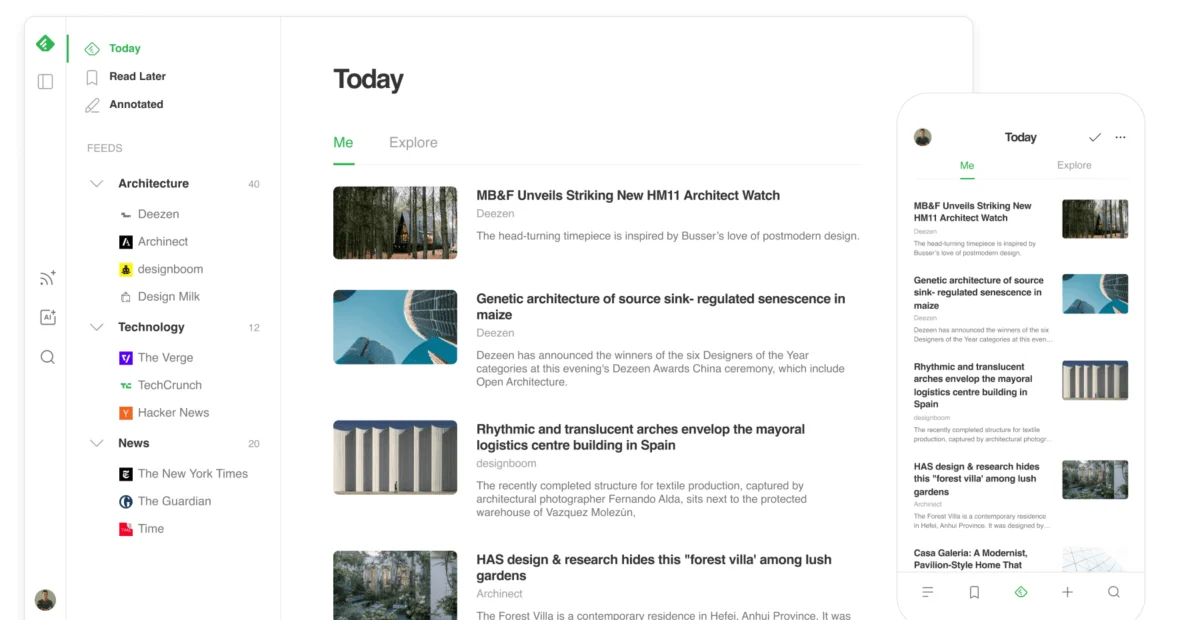
The cornerstone of the RSS reader ecosystem, Feedly, a platform boasting a colossal 15 million users and serving as the de facto successor to the departed Google Reader, is currently embroiled in a user revolt. For over a week, the largest standalone RSS reader worldwide has been plagued by persistent and debilitating technical issues, leaving its dedicated user base, particularly its paying subscribers, deeply frustrated and questioning the company’s commitment to its core service. The web application, in particular, has been described as "un-usably slow," a sentiment echoed across online forums and social media platforms. Adding fuel to the fire are accusations that Feedly has been largely unresponsive to customer support inquiries, amplifying the sense of neglect and abandonment among its loyal clientele. This widespread discontent raises critical questions about Feedly’s strategic direction and its ability to maintain the loyalty of its established user base while pursuing new ventures.
Feedly’s prominence in the RSS landscape is undeniable. Following Google’s abrupt shutdown of its popular Google Reader service in 2013, Feedly emerged as the primary beneficiary, absorbing millions of displaced users and solidifying its position as the dominant player in the market. Its impressive user numbers dwarf those of competitors such as the web-based Inoreader and various desktop applications like NetNewsWire and Reeder, underscoring its significant market share and the reliance many users place on its service for their daily news consumption. This dominance, however, now appears to be under severe strain as the platform grapples with a cascade of technical failures that are impacting users across the board, from casual readers to power users who rely on Feedly for efficient information aggregation.
The most pressing concern for users is the severe performance degradation of Feedly’s web application. Reports on platforms like Reddit paint a grim picture, with users detailing an experience of "extreme" slowness that renders the application practically "unusable." This sluggishness not only hinders the core functionality of quickly browsing and consuming news but also creates a deeply frustrating user experience. For individuals who have integrated Feedly into their daily workflows for research, professional monitoring, or simply staying informed, this prolonged period of unresponsiveness is more than an inconvenience; it represents a significant disruption. The inability to efficiently access and process information can have tangible consequences, impacting productivity and the very purpose for which users rely on an RSS reader.
Beyond the web application, other facets of the Feedly platform have also been affected. Users have reported that the company’s primary iOS application has been experiencing significant issues, with some instances of it failing to function altogether. This includes problems reported on the iOS 27 beta, suggesting that the instability may extend across different versions of the operating system. Compounding these concerns is the abrupt and seemingly unannounced shutdown of the "classic" version of Feedly’s mobile app. This older version, while perhaps used by a niche segment of the user base, was a preferred interface for some, and its sudden discontinuation without prior warning has further alienated a portion of Feedly’s users, leaving them without a familiar and functional tool. The lack of communication surrounding this shutdown only serves to exacerbate the perception of a company that is either out of touch with its users or is prioritizing other initiatives over maintaining existing services.
The current challenges faced by Feedly come at a time when the broader market for dedicated RSS readers has undergone significant shifts. In an era dominated by algorithmic news delivery through platforms like Apple News, Google News, and the ever-present scroll of social media feeds, the niche market for RSS aggregators has arguably shrunk. Most consumers now opt for curated experiences or rely on the vast, often overwhelming, flow of information on social networks. Recognizing this evolving landscape, Feedly has been strategically pivoting its focus towards artificial intelligence, specifically targeting businesses with solutions for tracking emerging threats and gaining tailored intelligence. This strategic shift, advertised prominently on its homepage, has led to speculation and concern among its core RSS user base about whether their needs are still a priority for the company. The current technical turmoil only intensifies these anxieties, raising the fundamental question of Feedly’s commitment to the very service that built its reputation and user base.
This inherent tension between Feedly’s historical strength in RSS aggregation and its current push into AI-driven business intelligence is a critical point of discussion. The company’s homepage prominently features its AI capabilities, leading many long-time users to question if their foundational needs are being sidelined in favor of these newer, potentially more lucrative, ventures. The current technical issues, particularly the prolonged unreliability of the core RSS reader, serve to amplify this concern, creating a perception that the company’s resources and attention may be disproportionately allocated to its AI initiatives, to the detriment of its original user base.
In response to the growing user outcry and the widespread reports of technical failures, TechCrunch reached out to Feedly for an official statement and an update on the ongoing issues. This outreach was prompted not only by the reported performance problems but also by multiple user accounts on Reddit detailing ignored support requests. The silence from the company, coupled with the persistent technical glitches, had created an environment of uncertainty and frustration, leading many to believe their concerns were falling on deaf ears.
Feedly CEO Edwin Khodabakchian, in a direct response to TechCrunch, sought to reassure the platform’s users that RSS functionality remains a significant focus for the company, despite its strategic pivot towards cyber threat intelligence (CTI). "Despite the pivot to cyber threat intelligence, fixing the basic RSS functionality is still a priority because our CTI community uses the news-reading capability," Khodabakchian stated. He further emphasized the company’s ongoing commitment to its core service, adding, "Our goal has been to maintain the Feedly News Reader as fast and streamlined as possible." This assertion aims to quell fears that the RSS reader is being neglected, positioning it as an integral component that supports the company’s broader CTI offerings.
Elaborating on the specific issues plaguing the web app, Khodabakchian acknowledged the problems and attributed them to a bug. He revealed that the front-end team had been actively testing a solution and believed the root cause was related to the "Mark as Read" function when applied to accounts with a large number of folders. A fix for this particular issue was reportedly released on Friday, and the company is currently in the process of confirming whether this has successfully resolved the problem for all affected users. This explanation, while offering a potential resolution, also highlights the intricate nature of the platform’s architecture and the challenges in ensuring seamless performance across a diverse user base with varied usage patterns.
Regarding the retirement of the Feedly Classic app, Khodabakchian confirmed that it was "retired two weeks ago because it no longer met some iOS and Android requirements." He clarified that the app had been removed from app stores considerably earlier, and at the time of its final shutdown, it had a user base of only a few hundred active users. The decision not to explicitly notify these remaining users prior to the shutdown was a point of contention, and while Khodabakchian provided a technical rationale, the lack of direct communication likely contributed to the negative sentiment among those who still utilized the classic version.
Furthermore, Khodabakchian stated that he was not aware of the specific issues reported with the primary iOS app that prevented it from loading. However, he pledged that Feedly would thoroughly investigate these reports and committed to a swift resolution. He underscored the company’s continued investment in its main iOS and Android applications, signaling that these platforms remain a priority for development and maintenance. This proactive approach to addressing the unacknowledged iOS issues, coupled with the ongoing efforts to fix the web app, suggests a renewed focus on rectifying the current technical deficiencies.
The situation at Feedly serves as a case study in the delicate balance that technology companies must strike between innovation and the maintenance of their core services. As Feedly navigates its strategic pivot towards AI and CTI, its ability to retain the trust and loyalty of its foundational RSS user base will hinge on its capacity to swiftly and effectively address the current technical shortcomings. The coming weeks will be crucial in determining whether Feedly can successfully mend its relationship with its users and reaffirm its position as a reliable and indispensable tool for news aggregation, or if the current turmoil will lead to a significant exodus of its dedicated user base. The company’s transparency, communication, and demonstrable commitment to resolving these issues will be paramount in shaping its future trajectory and its standing within the digital information landscape.
