
 By admin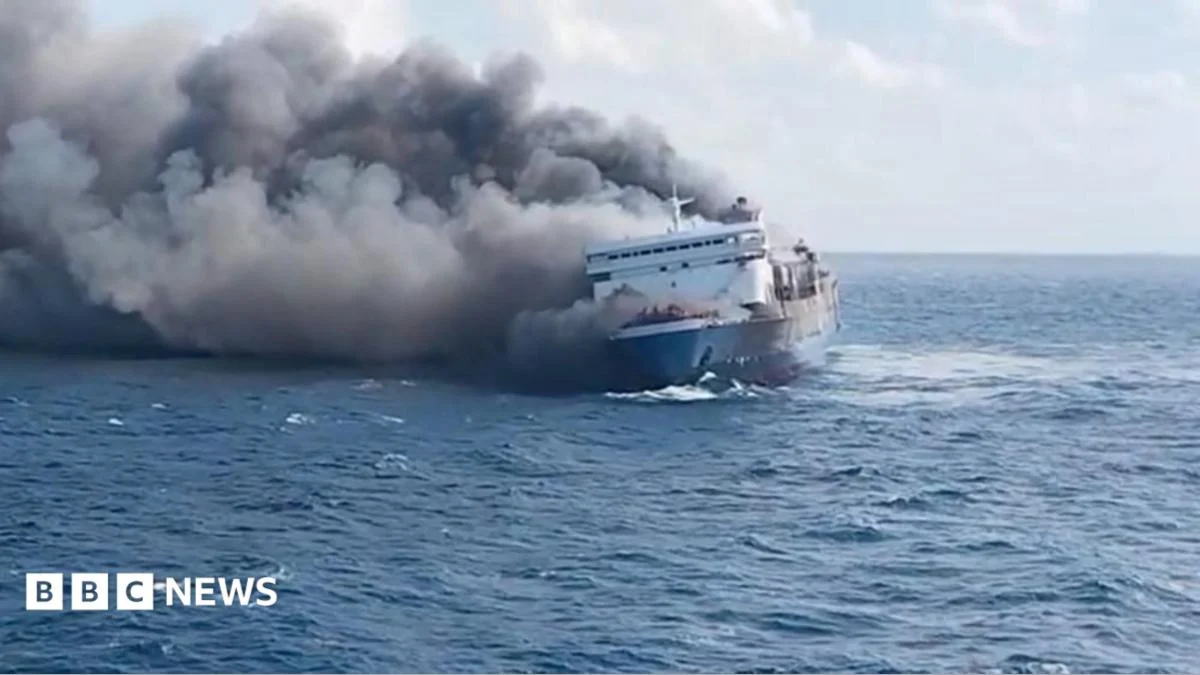
Tragedy struck the Indonesian archipelago as a passenger ferry, the KMP Mutiara Sentosa 2, was engulfed in a ferocious blaze while navigating the treacherous waters off the island of Madura. Officials have confirmed a grim toll of five deceased individuals, with a staggering 41 people still unaccounted for, feared lost in the inferno that ripped through the vessel carrying at least 250 passengers. The catastrophic event unfolded on a routine voyage from Surabaya, Indonesia’s bustling second-largest city in East Java, to Makassar in South Sulawesi, a route frequently plied by maritime transport in the nation.
The alarm was first raised by the ship’s captain, who reported the rapidly escalating fire to the authorities. The National Search and Rescue Agency (Basarnas) was alerted to the unfolding disaster, initiating a swift but ultimately overwhelmed response. The first official notification to the Surabaya Search and Rescue office came at 08:24 local time (02:24 GMT), detailing the emergency. Subsequent information from the shipping company indicated the fire had likely broken out between 06:00 and 07:00 local time (00:00-01:00 GMT), suggesting a critical period of unchecked spread before any official awareness.
Disturbing footage broadcast by local Indonesian news outlet iNews painted a harrowing picture of the unfolding crisis. Images showed large numbers of passengers, clad in life jackets, huddled on what appeared to be a lifeboat, a stark testament to their desperate escape from the rapidly deteriorating conditions. Other clips captured individuals precariously climbing down from the burning ferry, with flames visibly licking from the upper decks and thick plumes of smoke billowing into the sky, a terrifying visual of the inferno’s destructive power.
Basarnas, through its official TikTok channel, shared a video accompanying a statement that detailed the initial receipt of the distress call. The agency later confirmed the devastating reality of the situation, stating that the ferry was "almost entirely engulfed in flames." The chilling report continued, describing passengers desperately clinging to the ship’s bridge and bow, their only hope resting on the arrival of rescuers. The exact cause of the devastating fire remains undetermined, adding a layer of mystery and frustration to the already tragic circumstances.
The chaotic scenes captured in the footage also revealed individuals making the perilous leap into the sea, a desperate bid for survival as the ship became an uncontrollable pyre. Crowds of people, many in life jackets, could be seen gathering, with lifebuoys being thrown to those struggling in the water before they were eventually pulled aboard rescue vessels. These images, though depicting moments of survival, also underscored the sheer scale of the disaster and the immense peril faced by those on board.
Indonesia, an archipelago nation comprising over 17,000 islands, relies heavily on maritime transport for both passenger and cargo movement. This reliance, however, comes with inherent risks. Ferry accidents, tragically, are not uncommon in the region, often attributed to a confluence of factors including aging vessels, overcrowding, inadequate safety regulations, and adverse weather conditions. The geographical complexities of navigating between islands, coupled with the sheer volume of maritime traffic, create a challenging environment for ensuring the safety of all seafarers.
The KMP Mutiara Sentosa 2, a passenger ferry, would have been a vital link in connecting East Java and South Sulawesi, facilitating travel and trade for thousands of individuals. The loss of such a vessel, and more importantly, the lives aboard, has a profound impact on the communities it served. The economic disruption, though secondary to the human tragedy, is also a significant consideration. Makassar, a major port city, and Surabaya, a commercial hub, are intricately linked by such sea routes.
Investigating the cause of the fire is paramount, not only to understand this specific incident but also to prevent future occurrences. Potential contributing factors could range from electrical malfunctions, cargo issues, engine room failures, to even arson, though the latter is less common. The investigation will likely involve a thorough examination of the ship’s maintenance records, crew training, safety protocols, and the condition of its cargo. Experts in maritime safety will play a crucial role in analyzing the evidence and providing insights into how such a catastrophe could have been averted.
The immediate aftermath of the fire sees a massive search and rescue operation underway. Basarnas, along with other maritime and coast guard agencies, will be dedicating significant resources to scouring the waters for survivors and recovering the deceased. The vastness of the ocean presents a formidable challenge, and the success of these efforts will depend on factors such as sea conditions, visibility, and the availability of specialized equipment. The psychological toll on the survivors, who have witnessed unimaginable horrors, will also require significant attention and support.
The Indonesian government faces renewed pressure to address the persistent safety concerns within its maritime sector. Past incidents have led to promises of reform and stricter enforcement of regulations, but the recurrence of such tragedies suggests that more robust and sustained action is needed. This includes investing in modernizing the ferry fleet, improving surveillance and inspection protocols, enhancing crew training standards, and promoting a stronger safety culture across all shipping companies. The economic realities of the maritime industry in Indonesia, where cost-effectiveness can sometimes override safety imperatives, also need to be addressed through targeted policies and incentives.
The presence of numerous passengers in life jackets and on lifeboats suggests that evacuation procedures, however chaotic, were initiated. However, the high number of missing persons indicates that many were unable to escape the flames. The swiftness with which the fire spread and engulfed the vessel would have severely limited the time available for a safe and orderly evacuation. The condition of the ferry, its age, and its structural integrity would have played a significant role in how quickly the fire spread and how it impacted the evacuation routes.
The coming days will be critical for the search and rescue teams. The longer the search continues, the more challenging it becomes to find survivors. The recovery of the deceased is also a crucial part of the process, offering closure to grieving families. The investigation into the cause of the fire will likely be a protracted and complex undertaking, requiring meticulous examination of all available evidence. The maritime community in Indonesia, and indeed globally, will be watching closely to see what lessons can be learned from this devastating incident and what concrete steps will be taken to prevent a recurrence. The human cost of this tragedy serves as a stark reminder of the ever-present dangers of sea travel and the unwavering need for vigilance and stringent safety measures. The stories of survival and loss that emerge from this incident will undoubtedly shape the narrative of Indonesian maritime safety for years to come, serving as a somber testament to the fragility of life at sea.
