
 By admin
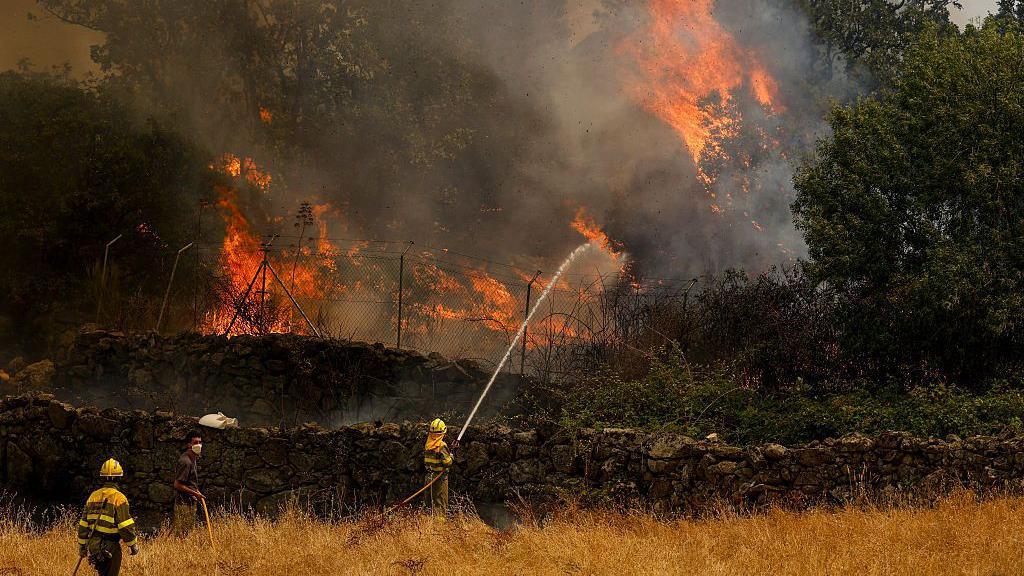
A raging wildfire near Madrid has overwhelmed firefighters, with Spanish officials declaring it "beyond the capacity" of containment efforts. This dire assessment comes as three separate blazes west of the capital have merged into a single, colossal inferno. The Spanish government has officially declared a national emergency due to the escalating wildfire crisis, which has already forced the evacuation of at least 30,000 people from their homes. Madrid’s regional president, Isabel Díaz Ayuso, described the situation as the "worst fire in the history of the region," attributing the catastrophic conditions to a "perfect storm" of record-high temperatures, relentless winds, and the terrifying confluence of multiple fire fronts.
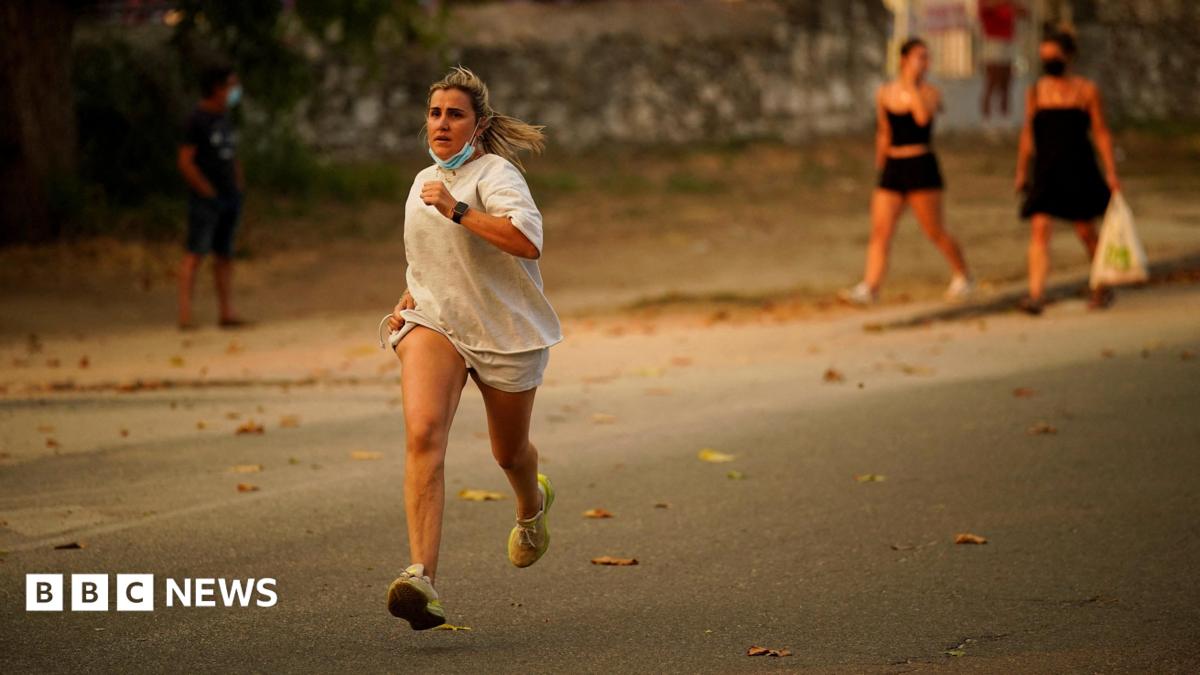
The crisis extends beyond Spain’s borders, with over 110,000 people evacuated in southwestern France due to wildfires that have ravaged the Gironde and Landes regions. The situation in France is particularly alarming, as a fire changed direction late Friday, advancing towards the major city of Bordeaux, prompting fears of further extensive evacuations. In response, French President Emmanuel Macron has mobilized the military to bolster the firefighting and rescue operations.
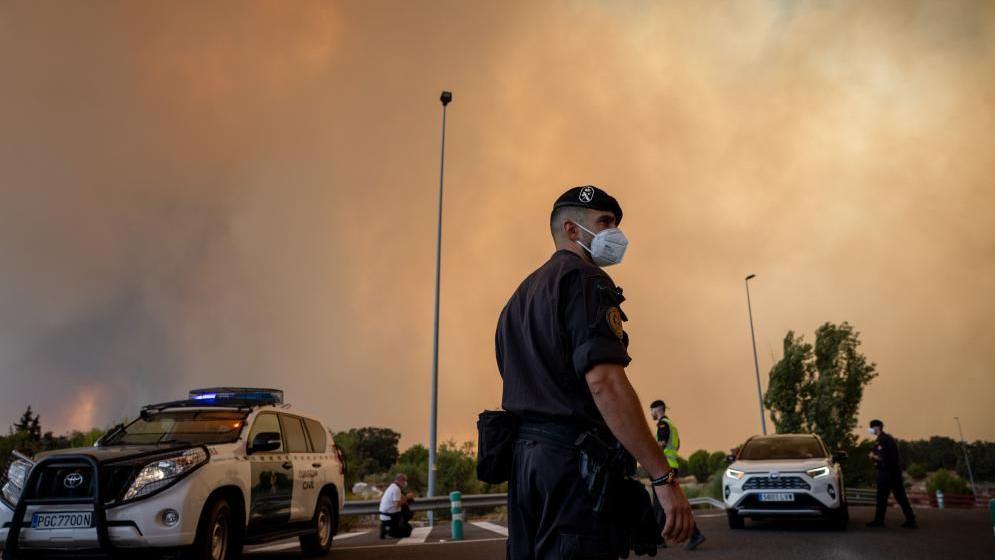
In Spain, local emergency services are battling to contain the flames, which are reportedly moving towards the municipalities of Robledo de Chavela and Fresnedillas de la Oliva, located approximately 50 kilometers (31 miles) from the capital. Carlos Novillo, the Madrid regional government’s emergency management chief, painted a grim picture, stating, "The wildfire is at its peak and is currently beyond the capacity of firefighters to contain." He further elaborated that direct attacks on the fire in certain areas are impossible, forcing responders to focus on defensive measures to protect populated areas and critical infrastructure.
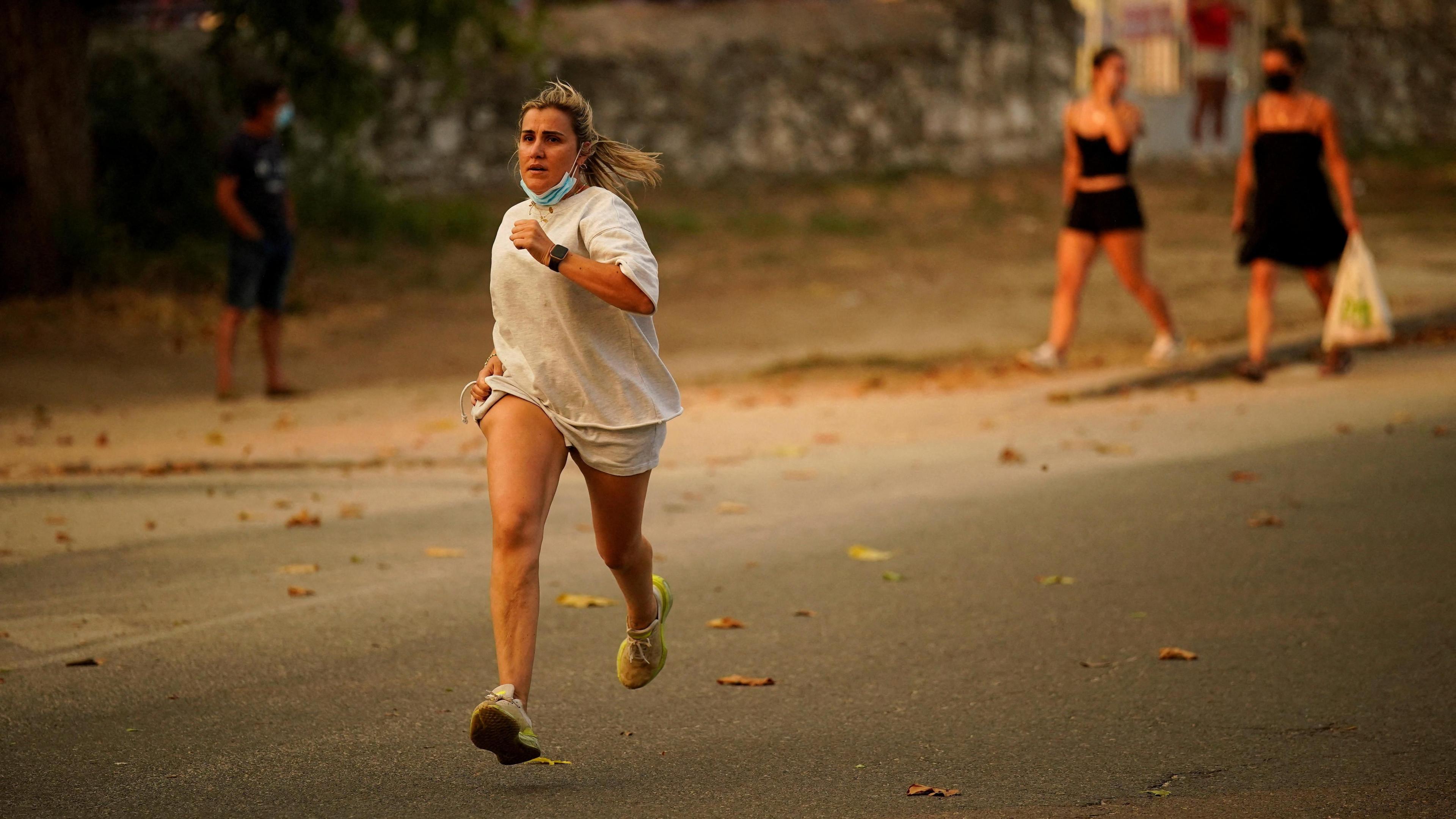
The Military Emergency Unit (UME) has been deployed to bolster efforts to halt the fire’s advance, with a primary focus on safeguarding areas near the historic town of El Escorial. Adding to the complexity of the situation, authorities are closely monitoring a separate, massive wildfire in the nearby Ávila province. Officials express grave concern that this blaze, known as the Burgohondo fire, could merge with the already uncontrollable Madrid fire, creating an even more devastating and expansive conflagration. Spain’s Interior Minister, Fernando Grande-Marlaska, has assured the public that authorities are doing "everything we can" to prevent this catastrophic merger.
The scale of the disaster in the Madrid region is immense. More than 60,000 people have been directly affected, with 30,000 forced to evacuate their residences and an additional 20,000 placed under lockdown as a precautionary measure. Francisco Martín, the government delegate in Madrid, warned that these numbers are likely to rise, citing the dangerous nature of the fire, where embers are being carried for miles, causing new outbreaks and dramatically extending the fire’s reach.
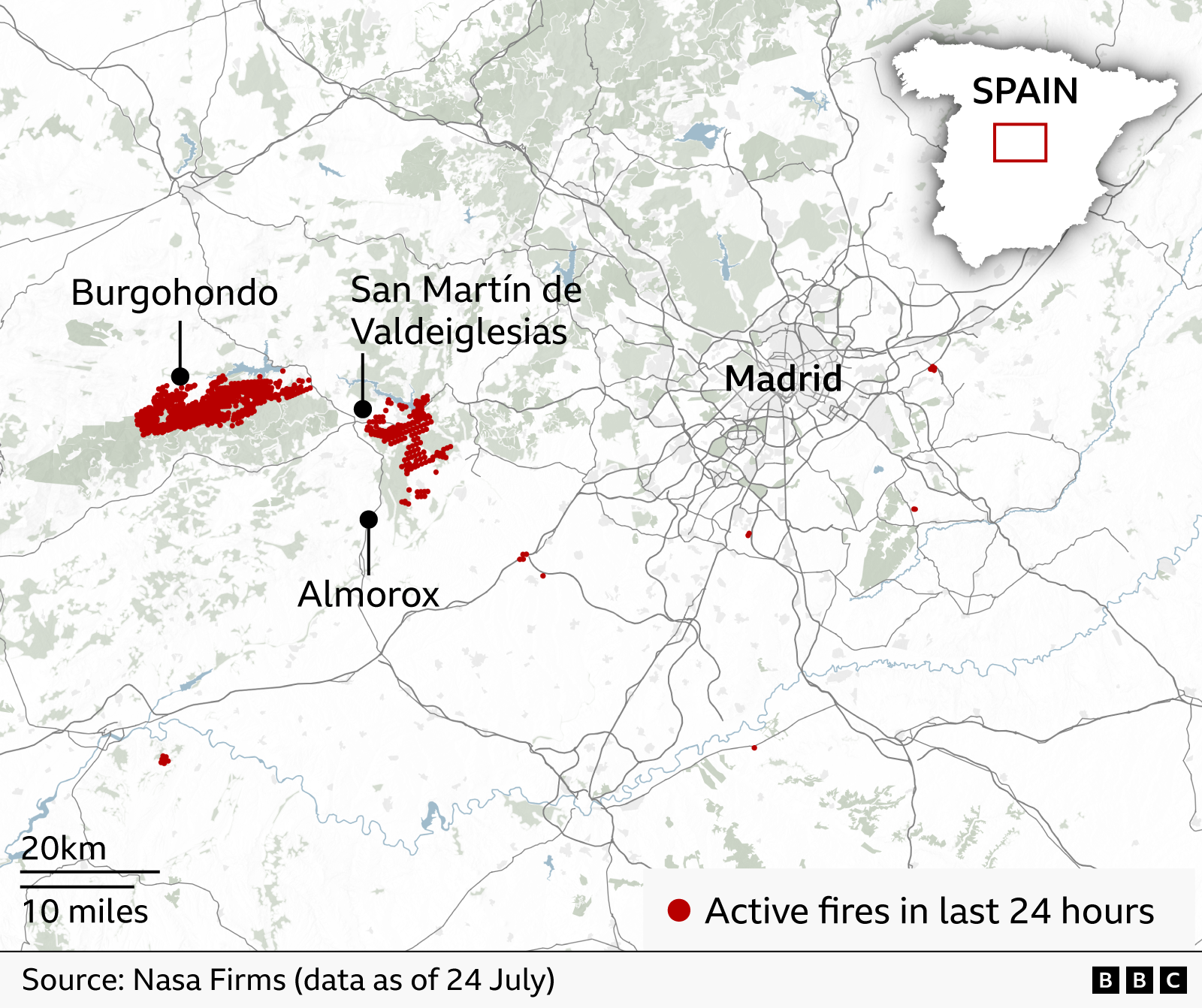
The speed and ferocity of the fires are deeply concerning. The mayor of El Tiemblo, Arturo Varas González, recounted the harrowing experience of flames spreading from Navaluenga to the Iruelas Valley – a distance of about 20 kilometers (12 miles) – in less than half an hour. "It was horrific," he told laSexta, emphasizing the unprecedented speed at which the fire is moving. To date, at least 6,000 hectares of land have been consumed by the fires in the Madrid region, while the Ávila blaze has scorched nearly 9,000 hectares. Eight municipalities have been fully evacuated, including Chapinería, Navas del Rey, Colmenar del Arroyo, Fresnedillas de la Oliva, Robledo de Chavela, Aldea del Fresno, Navalagamella, and Zarzalejo. Several other towns, such as San Martín de Valdeiglesias, Pelayos de la Presa, and Villa del Prado, remain under lockdown, with residents awaiting further instructions.
For residents caught in the path of the inferno, the experience is one of terror and displacement. Ecologio Cabrera, an 86-year-old evacuee, spoke of the overwhelming power of the flames. "If you don’t run from it and you try to face it, it devours you," he told AFP news agency from a sports hall in Vilamanta, one of the temporary shelters housing hundreds of evacuees. His family’s desperate attempt to protect their home by spraying it with garden hoses was ultimately futile as firefighters arrived and ordered everyone to flee. "I have never experienced anything like this," he lamented, reflecting the shock and disbelief of those who have lost their homes and livelihoods. Madrid’s regional president, Ayuso, echoed his sentiments, describing the situation as "completely unusual and catastrophic" and stressing that the absolute priority remains saving lives. Prime Minister Pedro Sánchez was scheduled to visit the zone’s emergency coordination center early on Saturday to assess the situation firsthand. Earlier on Friday, Sánchez had urged citizens to exercise extreme caution, acknowledging that people were "living through a dramatic situation." The Civil Guard has made an arrest and is investigating another individual in connection with the Burgohondo fire, which authorities suspect may have been caused by negligence involving heavy machinery during a period of restricted activity.
Meanwhile, in southwestern France, the wildfire situation has reached critical levels, prompting the evacuation of over 110,000 people. The Gironde blaze, ominously described by local prefect Sophie Brocas as an "XXL fire," has already incinerated more than 19,000 hectares (46,000 acres) of forest and destroyed approximately 80 homes. The entire Cap Ferret peninsula, a popular tourist destination on the southwestern coast, was evacuated, with hundreds forced to escape by boat as flames engulfed the area. The peninsula, which typically has a year-round population of just under 8,000, can see its population swell tenfold during the peak summer holiday season, amplifying the scale of the evacuation and the potential for loss. Fire and rescue chief Marc Vermeulen noted that the current conditions are more severe than those experienced during the devastating fires of 2022, with the prolonged drought creating an ideal environment for the blaze to spread relentlessly.
France’s Interior Minister, Laurent Nuñez, highlighted the unprecedented nature of the crisis, telling French broadcaster TF1 that they "have never seen a convective fire of this magnitude." He also revealed that around 50 firefighters have sustained injuries while battling the relentless flames. Nuñez described the blaze as "self-sustaining" and prone to unpredictable shifts in direction, with the fire notably moving east towards Bordeaux on Friday evening. "We are going to reorganize our response so we can fight it from the ground and prevent it from advancing toward Bordeaux," he pledged, outlining the urgent strategic adjustments being made.
Further south in France, a separate wildfire near Biscarrosse in the Landes region has forced more than 23,000 people to evacuate their homes, campsites, a nursing home, and a summer camp. Gilles Clavreul, the prefect of Landes, indicated that the fire was unlikely to be extinguished by the end of Friday, exacerbated by wind speeds reaching 50 km/h (31 mph) and ambient temperatures of 36-37°C. Philippe de Gonneville, the mayor of Lège-Cap-Ferret, one of the most severely impacted areas, stated that the region has been enduring "extreme weather conditions for the last month and a half" with a complete lack of rain and temperatures consistently above average. "It’s unheard of," he remarked, emphasizing the collective shock among residents and emergency responders. President Macron has characterized the wildfire situation across France as "very tense," with particular concern for the Gironde region. In a significant show of international cooperation, France has activated the European Union’s civil protection mechanism, anticipating the arrival of reinforcements, including two Black Hawk helicopters from the Czech Republic and Slovakia.
The European Union has been actively deploying aircraft and helicopters to support firefighting efforts in both Spain and France, as much of southern Europe continues to grapple with a relentless barrage of heatwaves and prolonged periods of drought. Europe has experienced warming at a rate exceeding twice the global average since the 1980s, according to data from the EU’s Copernicus Climate Change Service. This accelerated warming leads to vegetation with reduced moisture content, creating an abundance of dry fuel that significantly increases the speed and intensity at which wildfires can ignite and spread. While a spark is always necessary for ignition, whether from human activity (accidental or deliberate) or lightning, the combination of extreme heat, parched vegetation, and strong winds transforms these sparks into uncontrollable infernos. Data from the European Forest Fire Information System indicates that wildfires have already consumed more land across Europe this year than the average for the past two decades. The European Environment Agency has unequivocally stated that "climate change has increased forest fire risk across Europe," with the southern regions bearing the brunt of this escalating danger. The sheer scale of the current events underscores the critical need for immediate and sustained action to address the root causes of climate change and to bolster wildfire prevention and response capabilities across the continent.
