
 By admin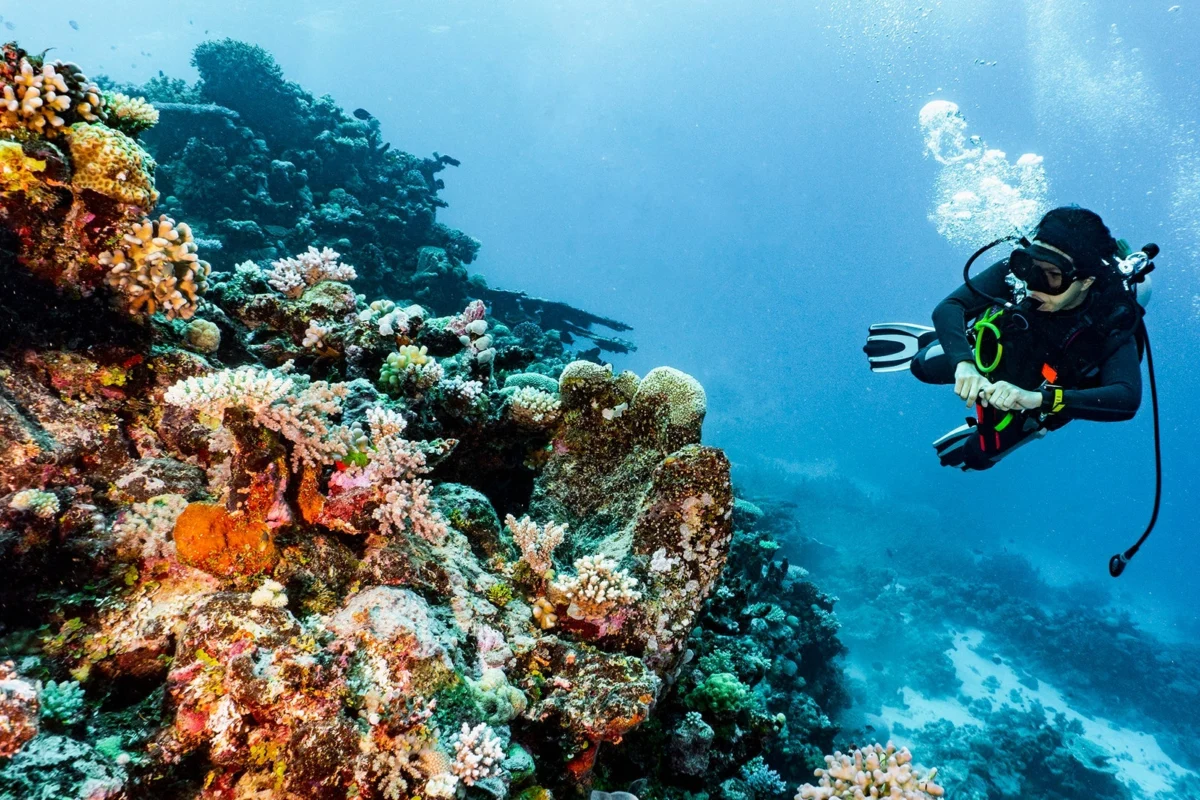
To understand why this matters, one must look at the mechanics of the Pacific Ocean. Under neutral conditions, trade winds blow from east to west along the equator, pushing warm water toward Asia and allowing cooler water to rise along the coast of South America. During an El Niño event, these trade winds weaken or even reverse. This allows the warm water to slosh back toward the Americas, altering the position of the Pacific jet stream. This shift in the "atmospheric engine" creates a domino effect of teleconnections—weather impacts that occur thousands of miles away from the epicenter of the warming ocean.

The current event is particularly concerning to meteorologists because it follows a rare "triple-dip" La Niña, meaning the Earth’s oceans have already absorbed an immense amount of heat. When the WMO predicts a "very strong" event, they are looking at sea surface temperature anomalies that could exceed 2.0°C above average. This level of warming has only been seen a handful of times in recorded history, most notably in 1997-98 and 2015-16, both of which caused billions of dollars in damage and massive travel chaos.
In North America, the effects are perhaps the most pronounced and predictable, yet they present a double-edged sword for tourists. The shifting jet stream typically splits, sending a weaker polar jet across the northern U.S. and Canada and a robust, moisture-heavy subtropical jet across the southern tier. For those looking to visit the "Great North," this often results in a milder, drier winter. Travelers heading to cities like Chicago, Toronto, or New York might find themselves enjoying unseasonably warm afternoons and less snow-clogged transit. However, this same warmth is a crisis for the multi-billion dollar ski industry. Resorts in the Pacific Northwest and the Northeast may struggle with a "brown winter," characterized by rain rather than powder, potentially leading to shortened seasons and cancelled bookings.
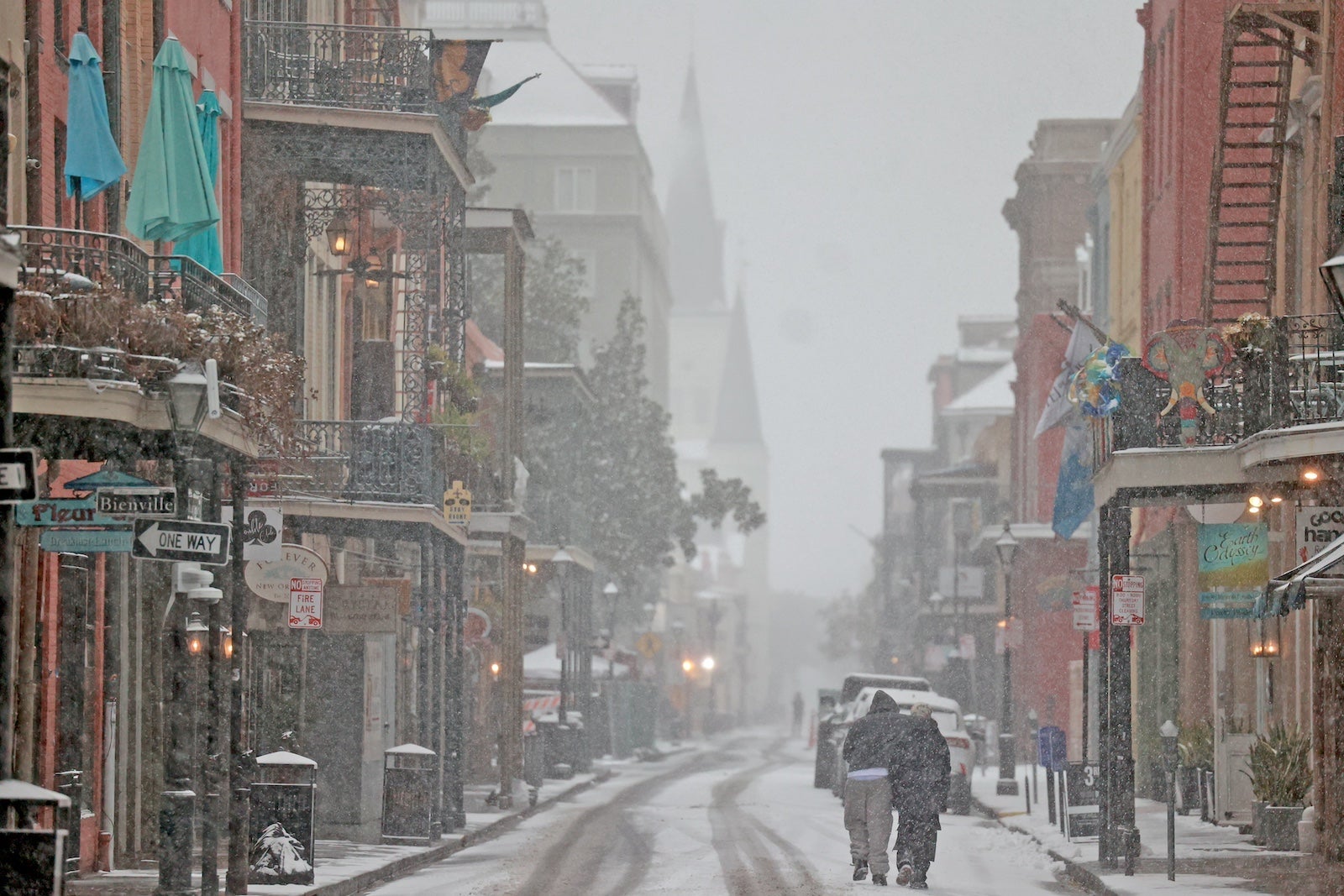
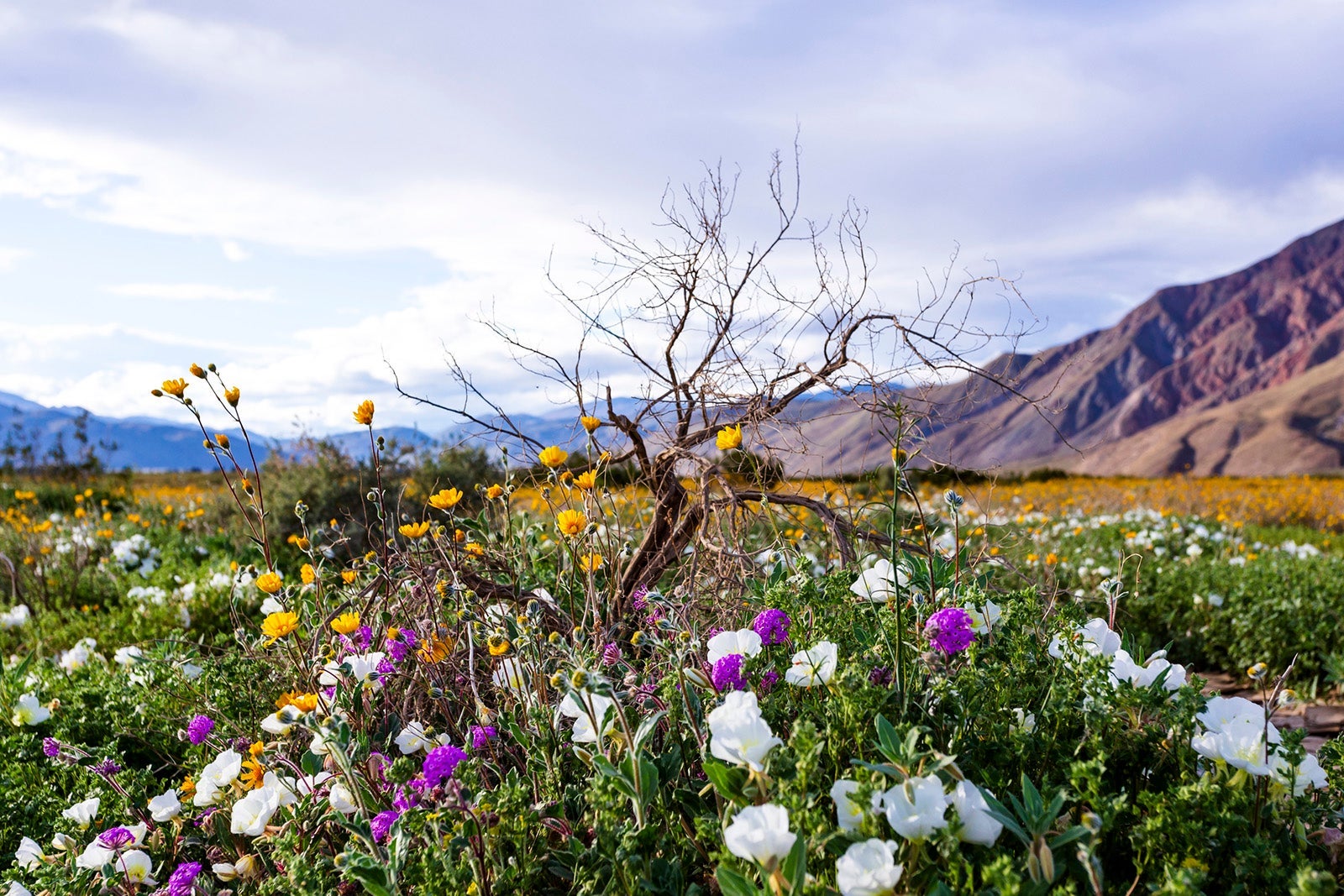
Conversely, the American West and the Sun Belt brace for a different reality. While skiers in Tahoe and the Colorado Rockies often celebrate El Niño for bringing "atmospheric rivers" that dump massive amounts of snow, the lower elevations face the threat of catastrophic flooding and mudslides. In the Southern U.S., from California through Texas and into Florida, El Niño years are statistically cooler and much wetter. This increases the risk of severe thunderstorms and even winter tornadoes. For the casual traveler, this means a higher likelihood of flight delays at major hubs like DFW, ATL, and CLT. However, there is a silver lining: the "superbloom." The intense winter rains in the desert Southwest often lead to a spectacular explosion of wildflowers in places like Anza-Borrego and Joshua Tree National Park come spring, turning a typically arid landscape into a vibrant tapestry of color.
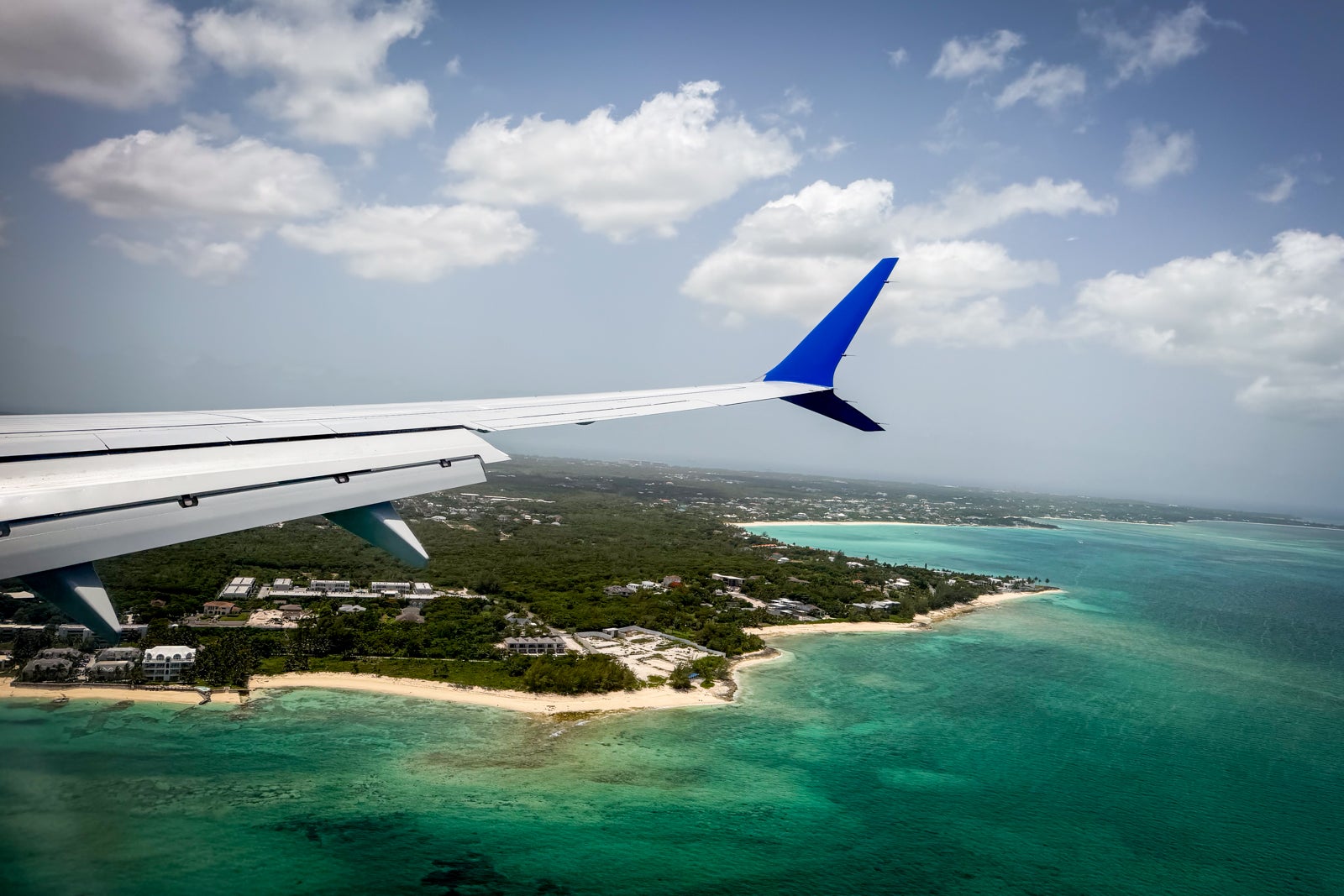
Moving into the Caribbean and the Atlantic, El Niño acts as a guardian of sorts. The phenomenon increases vertical wind shear—the change in wind speed and direction at different altitudes—which effectively "decapitates" developing tropical storms before they can become hurricanes. For travelers, this makes the fall shoulder season in the Caribbean much more attractive, as the statistical risk of a trip-ruining hurricane is significantly diminished. However, the Pacific tells a different story. The same conditions that suppress Atlantic storms fuel them in the Pacific. Hawaii, Mexico’s Riviera, and even the coast of California face an elevated risk of tropical cyclones. Hawaii, which usually enjoys a natural shield against hurricanes, has already seen an uptick in activity this year, suggesting that those planning Pacific island getaways should exercise extreme caution and invest in robust travel insurance.
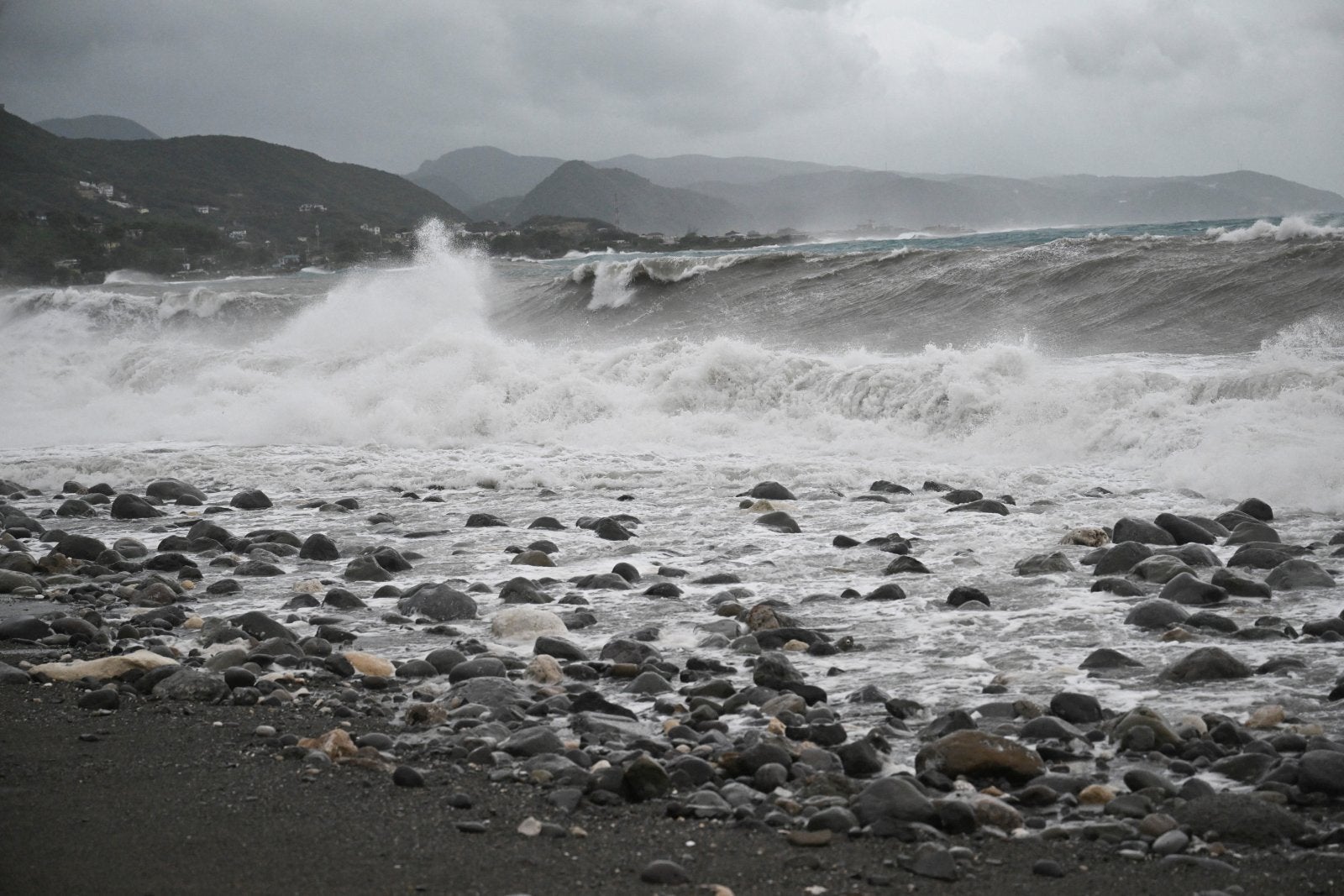
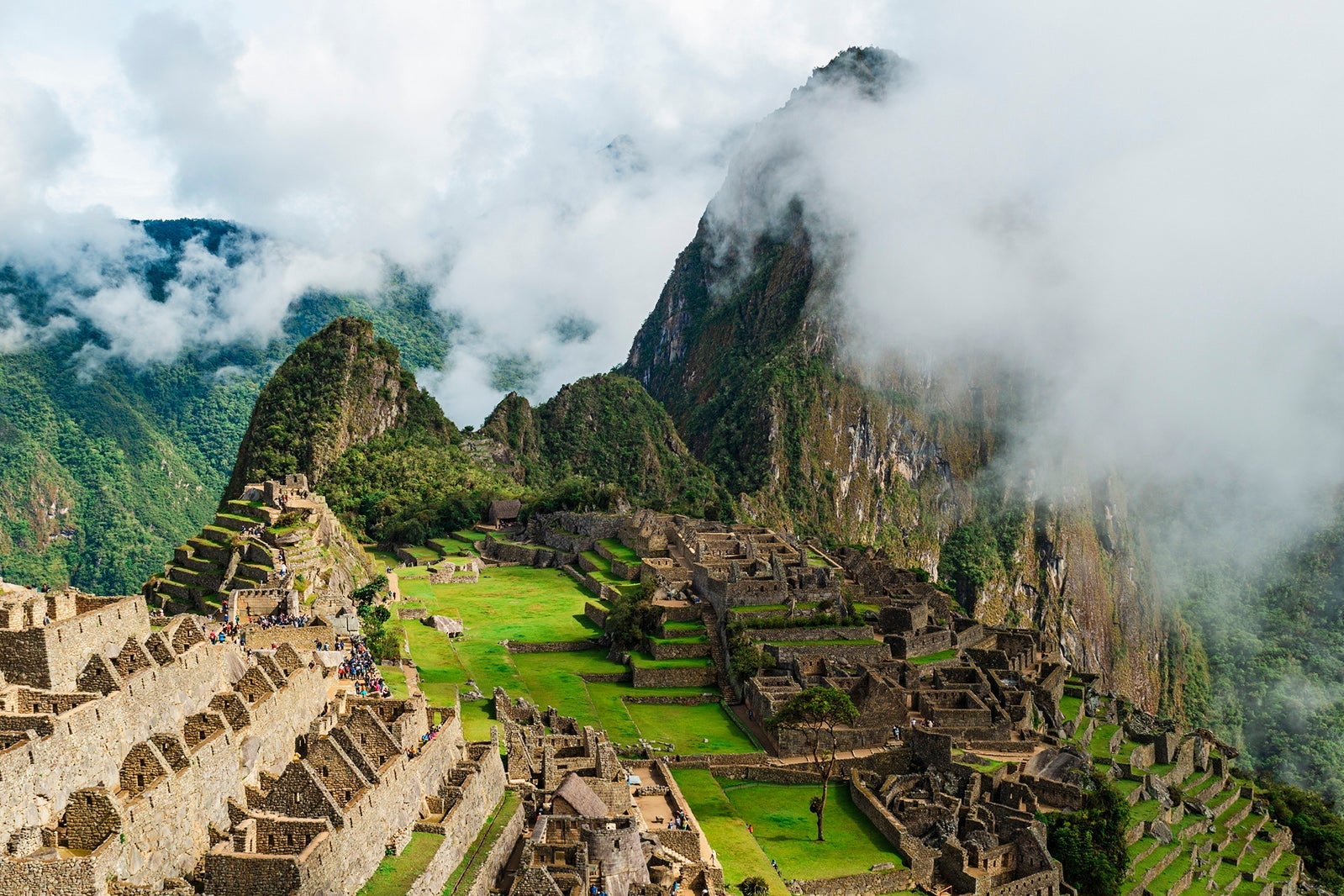
In South America, the impact is often a matter of life and death, as well as a major disruptor of iconic bucket-list trips. The warming of the coastal waters off Peru and Ecuador leads to torrential rains in regions that are normally hyper-arid. During the "Super El Niño" of the late 90s, parts of the Atacama Desert saw more rain in a month than they usually see in a decade. For tourists, this means that access to sites like Machu Picchu or the Galapagos Islands can be compromised by landslides, washed-out roads, and airport closures. Beyond the logistics, the warming waters decimate the local marine life, as the nutrient-rich cold water is suppressed, leading to a temporary decline in the wildlife sightings that draw thousands to the region.
Across the ocean in Asia and Oceania, the narrative flips to one of fire and drought. El Niño typically weakens the monsoon rains that South and Southeast Asia rely on. While this might sound like good news for beachgoers in Bali or Phuket who want endless sunshine, it creates a tinderbox environment. In past strong El Niño years, Indonesia has suffered from massive peatland fires, creating a "haze" that blankets the region in toxic smoke, grounding flights and posing severe health risks. Australia faces a similar fate. The "Big Dry" associated with El Niño increases the frequency and intensity of bushfires across New South Wales and Queensland. Furthermore, the spike in ocean temperatures is the primary driver of mass coral bleaching on the Great Barrier Reef. Travelers hoping to see the reef in its full glory may find themselves witnessing a graveyard of white coral if the temperatures remain high through the southern summer.
Africa’s vast landscape experiences a split personality during El Niño. East African nations like Kenya and Tanzania often see "short rains" that are anything but short, leading to flooding that can turn a luxury safari into a logistical nightmare of stuck vehicles and closed camps. Yet, for the birdwatcher, this "emerald season" is a paradise. In Southern Africa, the opposite occurs. Drought conditions often plague Zimbabwe, Botswana, and South Africa. While this is devastating for local agriculture, it can ironically make for incredible game viewing, as animals are forced to congregate around the few remaining permanent water holes, making them easier for guides to locate.
Even Europe, though geographically distant from the ENSO engine, is not immune. While the direct correlation is weaker, El Niño contributes to a general rise in global atmospheric temperatures. When combined with the existing trend of human-induced climate change, it sets the stage for record-breaking heatwaves. The "coolcation" trend—where travelers swap Mediterranean beaches for the fjords of Norway or the Highlands of Scotland—is expected to accelerate as summer temperatures in Italy, Greece, and Spain become increasingly oppressive.
Given these global shifts, preparation is no longer optional. Travel experts emphasize that "trip insurance" should be the first item on any packing list. However, not all insurance is created equal. During an El Niño year, a "Cancel For Any Reason" (CFAR) policy is the gold standard. Standard policies often have strict definitions for "covered reasons," and a "general fear of a storm" or "unpleasant weather" usually won’t trigger a refund. CFAR allows travelers to recoup a significant portion of their costs if they decide the risk of a destination is simply too high.
Furthermore, health considerations must be prioritized. Changes in rainfall patterns are directly linked to the spread of vector-borne diseases. Flooding in South America and East Africa can lead to outbreaks of cholera and malaria, while the shifting heat in Southeast Asia can expand the range of Aedes aegypti mosquitoes, the primary carriers of Dengue fever and Zika. Consulting a travel clinic at least six weeks before departure for necessary vaccinations and prophylactic medications is essential in this climate-disrupted era.
Logistically, travelers should utilize tools like the State Department’s Smart Traveler Enrollment Program (STEP). This free service allows the U.S. government to contact you in the event of a natural disaster or emergency and provides real-time updates on local conditions. Additionally, maintaining a "contingency fund" and a flexible itinerary can be the difference between a stressful ordeal and a manageable detour.
Ultimately, the arrival of a "Super El Niño" does not mean the world is closed for business. It simply means the rules of the road have changed. By understanding the scientific drivers behind these weather shifts and planning with a mix of data-driven caution and logistical flexibility, travelers can still find incredible experiences. Whether it is witnessing a rare desert bloom in California or catching a "quiet" hurricane season in the Caribbean, there are opportunities to be found—provided you are prepared for the "doozy" of a year ahead.
