
 By admin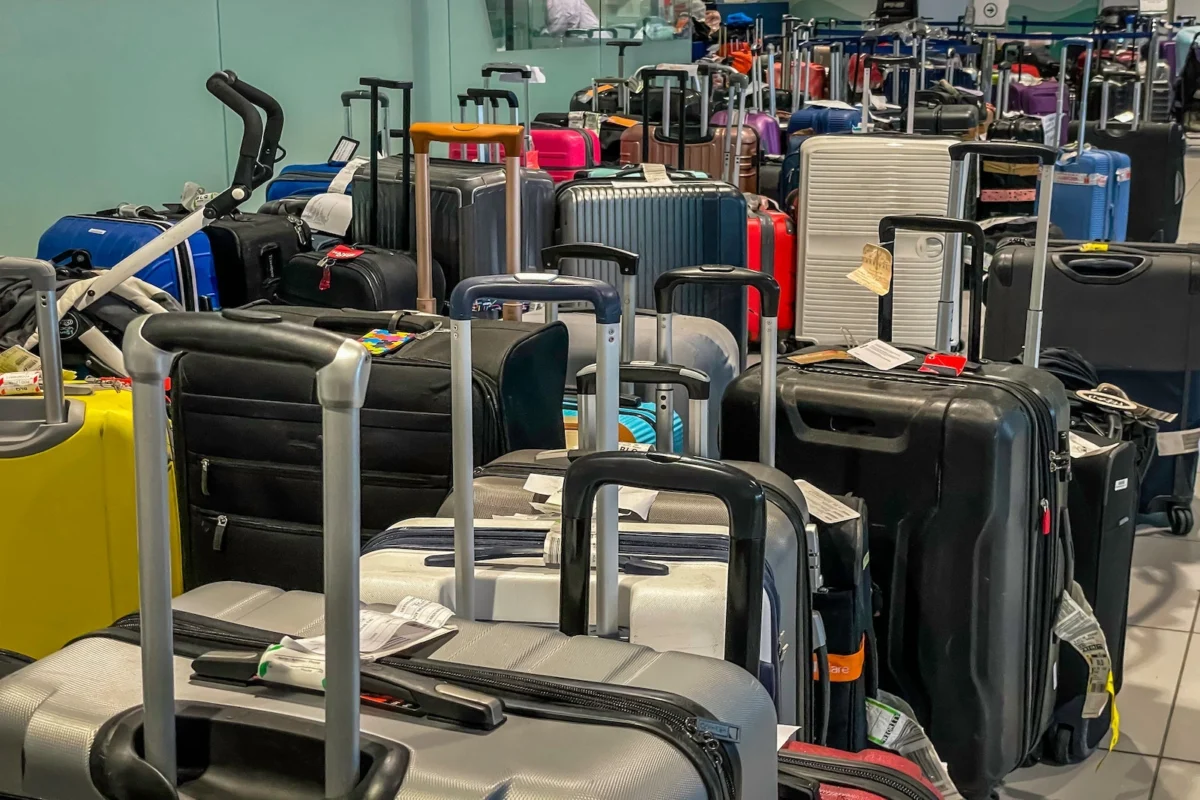
The landscape of American commercial aviation is undergoing a significant fiscal shift, as major carriers systematically adjust their pricing structures to combat the volatile costs of jet fuel and rising operational expenses. To offset these rising fuel surcharges and maintain profit margins in an era of high inflation, U.S. airlines have recently implemented a wave of increases for checked bag fees. For the average traveler, this means that a standard round-trip flight now carries a hidden "tax" of approximately $100 per person just to transport a single suitcase. For a family of four, these ancillary charges can easily balloon to $400, effectively erasing the savings found by hunting for low-cost fares.
For the budget-conscious traveler—particularly those who lack elite status and prefer booking basic economy to secure the most competitive rates—this trend represents a significant hurdle. Paying $100 or more in bag fees can fundamentally undermine a traveler’s cost-saving strategy. While the common refrain is to "just pack light" or "stick to a carry-on," this is often an impractical solution for families, long-duration international trips, or travelers requiring specialized gear. Furthermore, the "unbundling" of airline services has reached a new extreme; as a points and miles enthusiast might notice, several airlines have also begun restricting the ability to earn rewards or frequent flyer miles on the lowest-tier basic economy tickets. This creates a double-edged sword for the consumer: you pay more for less, and you are penalized for trying to save.
The solution to this dilemma lies in the strategic use of cobranded airline credit cards. For any traveler planning to fly at least twice a year—especially with a carrier that dominates their local hub—investing in a mid-tier credit card with a modest annual fee can result in hundreds of dollars in annual savings. These cards allow travelers to "have their cake and eat it too," providing the perks of a more expensive fare class while maintaining the low base price of basic economy.

The Rising Cost of Logistics: Why Fees are Climbing
The recent surge in checked bag fees is not an isolated event but rather the result of a complex interplay of economic factors. Historically, American Airlines was the first to introduce a $15 checked bag fee in 2008, a move prompted by the global financial crisis and skyrocketing oil prices. What was once a temporary measure has become a cornerstone of the airline industry’s business model: ancillary revenue. In 2023 alone, U.S. airlines generated billions of dollars from baggage fees.
As fuel prices fluctuate and labor contracts for pilots and flight attendants are renegotiated at higher rates, airlines view baggage fees as a "low-hanging fruit" for revenue generation. Unlike base fares, which are often subject to intense price competition and transparent comparison on sites like Google Flights, baggage fees are often hidden until the final stages of booking, making them less likely to deter a customer from choosing a specific flight based on the initial price tag.
Strategic Relief: American Airlines and the Citi AAdvantage Platinum Select
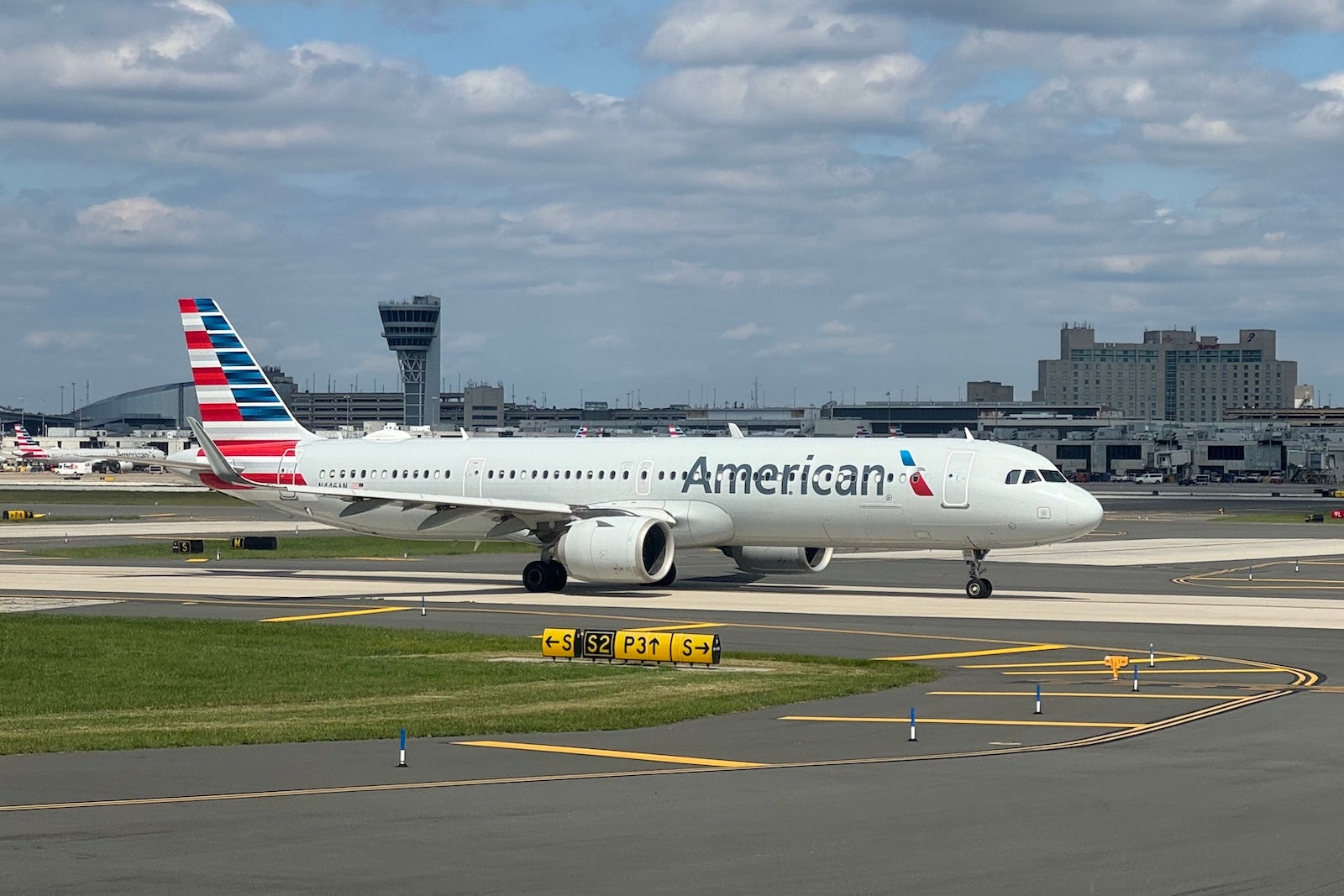
American Airlines has been at the forefront of the recent fee adjustments. For standard domestic fares, the cost to check a bag has climbed, but the impact is felt most acutely by those in basic economy. On these "no-frills" tickets, the round-trip cost for a single checked bag can hit the $100 mark if the traveler does not prepay online, and even more if handled at the airport counter.
To mitigate these costs, the Citi® / AAdvantage® Platinum Select® World Elite Mastercard® stands out as a premier tool for the American Airlines loyalist. While the card carries an annual fee of $99 (often waived for the first year of cardmembership), the math quickly favors the traveler. If you fly just one round-trip per year and check a bag, the card has already paid for itself. Beyond the baggage benefit, which extends to up to four companions on the same reservation, the card offers "Preferred" boarding, allowing you to secure overhead bin space before the general boarding groups. Perhaps most importantly for the rewards-conscious, this card allows you to earn 2 miles per $1 spent on American Airlines flights, even when those flights are booked in basic economy—a tier that usually earns significantly fewer rewards.
Navigating United Airlines’ Strict Policies
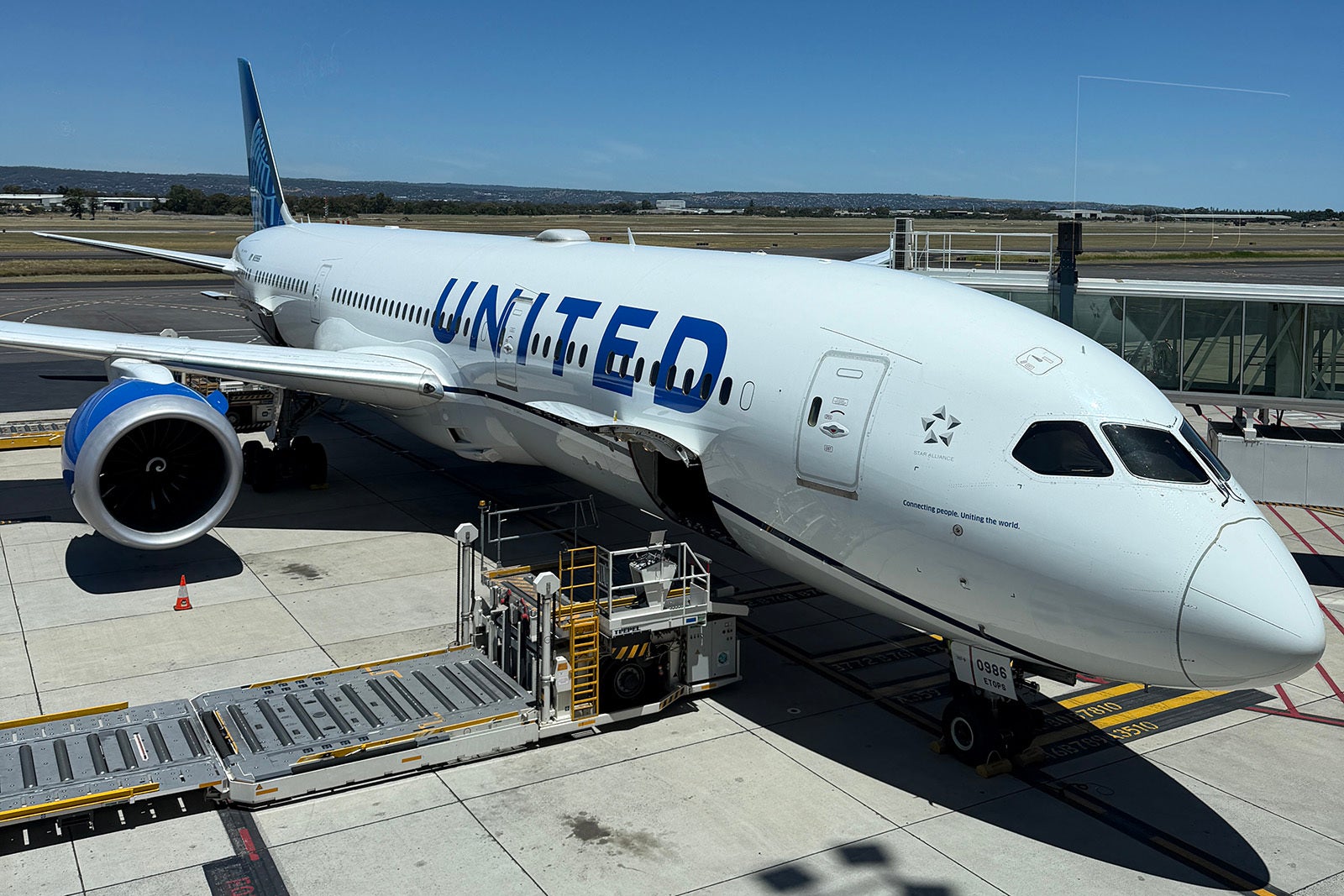
United Airlines has one of the more rigid structures regarding basic economy. On many United basic economy routes, travelers are not even permitted a full-sized carry-on bag, forcing them to check all luggage at the gate for a fee plus a handling surcharge. This makes the United℠ Explorer Card almost essential for those who frequently fly the carrier.
United’s baggage fees generally sit around $35 to $40 for the first bag, meaning a round-trip costs between $70 and $80. The United Explorer Card, which has a $0 introductory annual fee for the first year and then $95 thereafter, provides a first checked bag for free for the primary cardmember and one companion. A critical detail for United travelers is that, unlike some other airlines, United requires you to actually pay for the flight with your Explorer card to trigger the free bag benefit. However, the card also provides two United Club one-time passes annually, which are valued at over $100 on their own. This makes the card a high-value proposition for those who want a lounge experience without the $500+ price tag of a premium membership.
Delta Air Lines: The SkyMiles Advantage
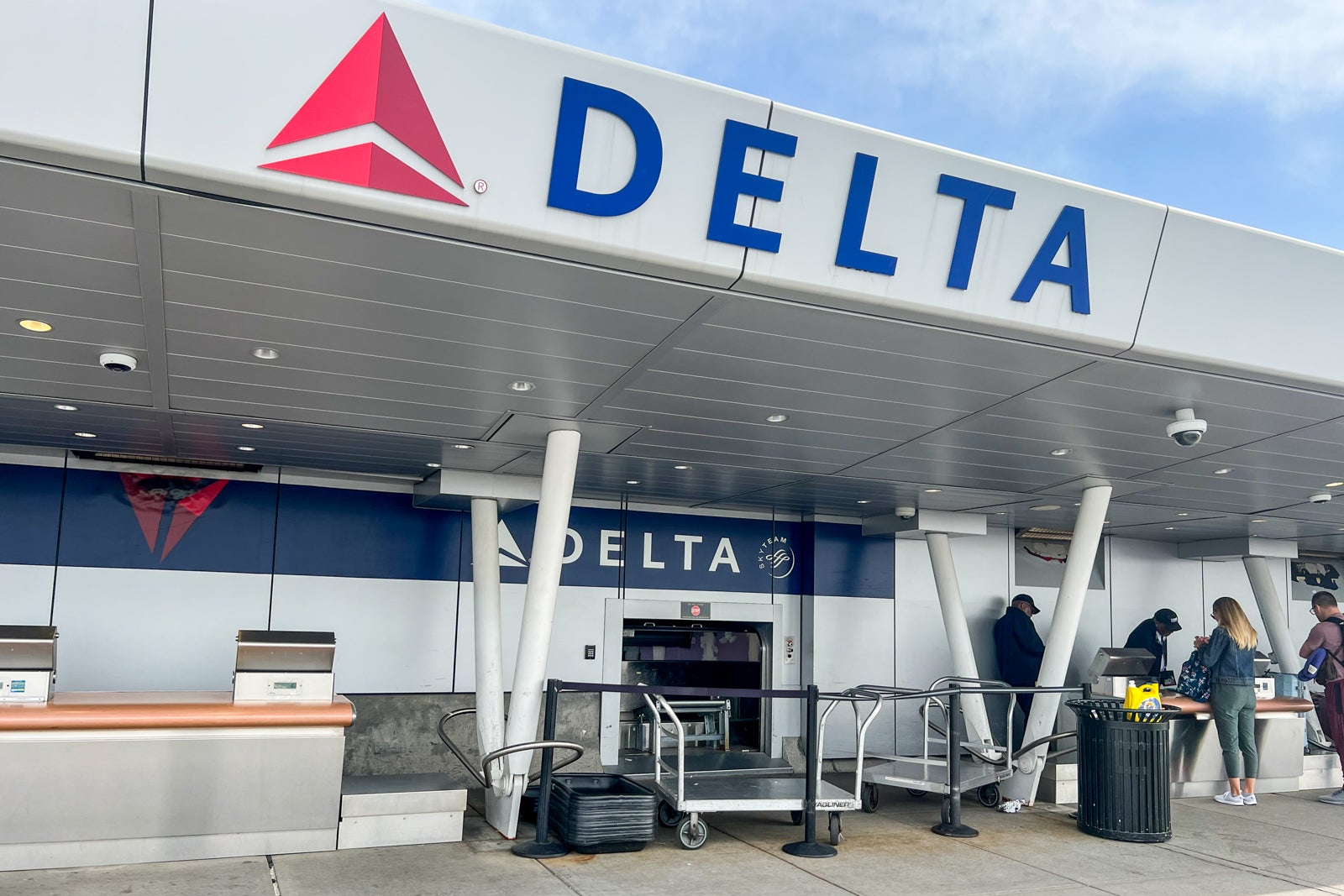
Delta Air Lines recently joined its competitors in raising first-bag fees to $35 for domestic flights. For travelers flying round-trip, this adds a non-negotiable $70 to the trip cost. The Delta SkyMiles® Gold American Express Card is the primary weapon against these fees.
The Delta Gold card offers a first checked bag free for the cardholder and up to eight companions on the same reservation—a massive potential saving for large groups. Furthermore, Delta recently introduced the "TakeOff 15" benefit, which gives cardholders a 15% discount on award flights booked with SkyMiles. In an era where Delta has shifted toward a more restrictive earning model for basic economy (often earning zero miles), the ability to earn 2 miles per $1 on Delta purchases and get a 15% discount on redemptions provides a significant hedge against the devaluations of the SkyMiles program. Additionally, cardholders can receive up to a $100 statement credit for "Delta Stays" (the airline’s hotel portal) after making eligible bookings, which can effectively negate the annual fee entirely.
The Changing Face of Southwest Airlines
For decades, Southwest Airlines was the outlier in the industry, famously marketing its "Bags Fly Free" policy for the first two checked bags. However, the industry has watched closely as Southwest has begun to evolve its business model to meet investor demands for higher profitability. While the core "two bags free" policy remains a staple of their brand identity for now, the airline has introduced other fees and tiered pricing that make their cobranded credit cards more relevant than ever.
The Southwest Rapid Rewards® Plus Credit Card, with a $69 annual fee, is an entry-level option that provides significant value. While the bags are free for everyone, the card provides two EarlyBird Check-In® credits each year. Given that Southwest uses an open-seating model, these credits are vital for securing a preferred seat and overhead bin space. As Southwest moves toward assigned seating in the near future—a controversial and "hot topic" shift for the carrier—cardholders are expected to receive priority access or discounts on seat selection, making the card a long-term strategic hold for Southwest flyers.
Alaska and Hawaiian: The Pacific Powerhouse
The recent merger between Alaska Airlines and Hawaiian Airlines has created a new dominant force in West Coast and Pacific travel. As these two carriers integrate, their loyalty offerings are becoming more unified. The Atmos™ Rewards Ascent Visa Signature® credit card (representing the next generation of Alaska/Hawaiian branding) is positioned to be a top-tier earner for these routes.
With Alaska’s bag fees recently increasing, the card’s free checked bag benefit (which covers the cardholder and up to six companions) is a major draw. At $30-$35 per bag, a single trip for a couple can result in $120 to $140 in savings. Cardholders also earn 3 Atmos Rewards points per $1 spent on Alaska and Hawaiian flights. One of the most famous perks of the Alaska ecosystem—the Companion Fare—remains a cornerstone, allowing cardholders to bring a friend for just $99 plus taxes once a year after meeting a spend requirement. This single benefit can save travelers upwards of $500 on expensive routes to Hawaii or the East Coast.
The Bottom Line: Ancillary Revenue is the New Normal
The era of "all-inclusive" domestic air travel is effectively over. Industry analysts suggest that even if fuel prices decrease, airlines are unlikely to lower baggage fees. These charges have become a "sticky" revenue stream that investors have come to rely on. Consequently, the burden of cost management has shifted to the consumer.
As a regular traveler, the most effective way to navigate this landscape is to treat airline credit cards as "membership passes" rather than just spending tools. By holding cards for the major carriers—American, Delta, United, and Alaska—you effectively "opt out" of the most punitive aspects of the basic economy model. While it may seem counterintuitive to pay multiple annual fees, the math is undeniable: if you check a bag on just four round-trips a year across these carriers, you could be saving $400 in fees while paying roughly the same amount in annual fees, all while gaining priority boarding, lounge access, and better reward earning rates.
In the current climate, a cobranded airline card is no longer just for the frequent flyer; it is a necessary tool for the occasional traveler who refuses to let hidden fees dictate their vacation budget. By understanding the fee structures of the major "Big Four" and the regional leaders, and by leveraging the right financial products, you can ensure that your "low-cost" flight remains truly affordable.
