
 By Titik Puspa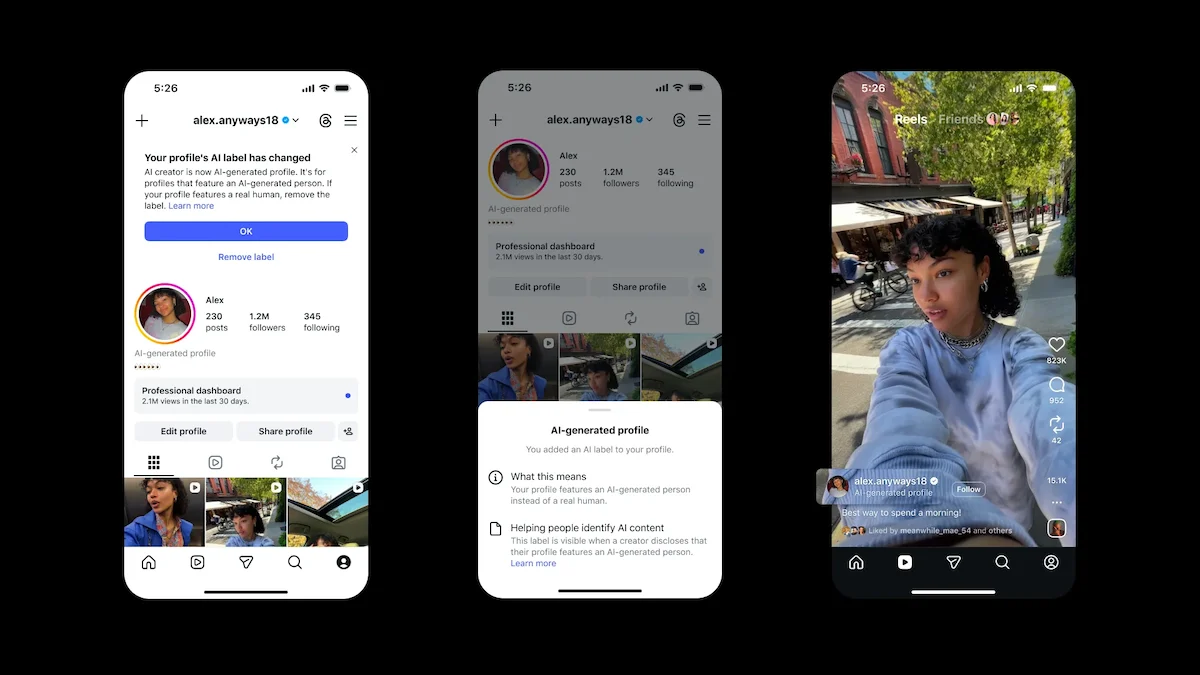
Instagram, the globally influential social media platform, announced a significant shift in its policy on AI-generated content on Monday, stating it will begin to limit the reach of accounts that feature AI-generated individuals without explicit disclosure. This move signals a proactive stance by Meta, Instagram’s parent company, to address growing user concerns and potential misinformation stemming from the proliferation of synthetic media. The platform is also rebranding its existing "AI creator" label to "AI-generated profile," a change intended to foster greater clarity and understanding among its vast user base.
The newly designated "AI-generated profile" label is designed to be a transparent indicator that the person depicted on a profile was either entirely created by artificial intelligence or substantially modified through AI tools. This distinction is crucial, as it targets profiles where the primary visual representation is synthetic, rather than the more common instances of AI being used for subtle enhancements. Instagram’s statement emphasized that this label is not intended for every application of AI. For instance, users who leverage AI for photo editing, caption refinement, graphic creation, or other minor creative adjustments will not be required to use the "AI-generated profile" label. The focus remains squarely on profiles where the human likeness itself is artificial.
The rationale behind this policy update, as articulated by Instagram, is a direct response to feedback from users who have encountered profiles that initially appeared to represent real people, only to discover later that the individuals were entirely AI-generated. This discovery often leads to feelings of deception and a diminished sense of authenticity on the platform. "As generative AI becomes a bigger part of how people create, we’ve heard that people don’t like seeing a profile that seems human, only to find out later that the person featured is AI-generated," Instagram stated. "They want to know when a profile features an AI-generated person." This acknowledgment underscores a growing demand for transparency in the digital realm, particularly as AI capabilities become more sophisticated and accessible.
The implications of this policy change are significant for content creators. Those who fail to properly label AI-generated profiles featuring synthetic individuals risk seeing their account reach curtailed. This penalty serves as a strong incentive for creators to adhere to the new disclosure requirements. Conversely, creators who embrace the new "AI-generated profile" label will not face repercussions solely for featuring AI-generated individuals. This approach aims to encourage responsible AI content creation and foster a more trustworthy environment for users.
The timing of Instagram’s announcement is particularly noteworthy, occurring against a backdrop of escalating public apprehension regarding AI-generated content and the rise of AI influencers across various social media landscapes. The increasing prevalence of these synthetic personas has raised ethical questions and concerns about their potential for manipulation and the erosion of authenticity.
One prominent example that has drawn significant attention is the case of Goose, a gay dating app that became the subject of a Wired investigation earlier this year. The investigation uncovered a network of apparently AI-generated male influencers who were actively promoting the app on Instagram. Wired identified over two dozen accounts that featured AI influencers, some of whom were reportedly engaging in direct messaging with potential users to encourage sign-ups. This incident highlighted the potential for AI-generated personas to be used in sophisticated marketing campaigns, blurring the lines between genuine endorsements and artificial promotion.
Another deeply concerning area where AI-generated content is making inroads is in health and wellness. The New York Times reported in July on its findings of hundreds of AI-generated doctors, healers, and wellness personalities circulating on social media. These synthetic figures were reportedly promoting supplements and disseminating health claims to unsuspecting users. The lack of transparency in such instances can have serious consequences, as users may place undue trust in advice or product recommendations from seemingly authoritative, yet entirely artificial, sources. The potential for harm, misinformation, and exploitation in these sensitive domains is substantial, underscoring the urgent need for platforms like Instagram to implement robust disclosure mechanisms.

Instagram’s policy update also follows a period of scrutiny and public backlash concerning Meta’s broader AI initiatives. Earlier in July, the company faced criticism over an AI tool that allowed users to generate images using the likenesses of other people. The feature sparked outrage among users who objected to their publicly available Instagram content being utilized for AI image generation without their explicit consent. In response to the widespread outcry, Meta eventually removed the controversial feature, demonstrating a willingness to adapt its strategies when faced with significant user opposition.
This recent policy change also arrives in the wake of a substantial $18 billion settlement that Meta reached with 29 U.S. states last week. The lawsuit addressed allegations concerning the detrimental effects of Facebook and Instagram on children and teenagers. As part of this comprehensive agreement, Meta has committed to implementing a series of measures designed to enhance user safety and well-being, particularly for younger demographics. These mandated changes include the introduction of a default two-hour daily usage limit for teens across both Facebook and Instagram, a "Night Mode" feature to restrict usage during specific hours, muted notifications during school hours, and a range of other restrictions aimed at mitigating the potential harms associated with prolonged or excessive social media engagement.
The evolving landscape of AI-generated content presents both unprecedented creative opportunities and significant challenges for social media platforms and their users. Instagram’s latest policy move signifies a crucial step towards navigating this complex terrain by prioritizing transparency and user awareness. By clearly labeling AI-generated profiles and potentially penalizing non-compliance, Instagram aims to cultivate a more trustworthy and authentic online environment. The platform’s willingness to adapt its policies based on user feedback and emerging societal concerns suggests a growing understanding of the responsibilities that come with operating a global social media ecosystem in the age of advanced artificial intelligence.
The broader societal implications of AI-generated content are far-reaching. As synthetic media becomes more indistinguishable from reality, the potential for deception, manipulation, and the spread of misinformation increases exponentially. This necessitates a multi-faceted approach involving technological solutions, regulatory frameworks, and increased media literacy among the general public. Social media platforms, as key conduits for information and interaction, have a critical role to play in establishing clear guidelines and fostering an environment where users can distinguish between authentic and synthetic content.
The ethical considerations surrounding AI influencers are particularly complex. These artificial personalities, often meticulously crafted to appeal to specific demographics, can wield considerable influence over their followers. Questions arise about their authenticity, the transparency of their endorsements, and the potential for them to promote unrealistic beauty standards or harmful ideologies. Instagram’s new labeling policy directly addresses the issue of authenticity by ensuring that users are aware when they are interacting with an AI-generated persona.
Furthermore, the integration of AI into content creation tools raises questions about intellectual property, copyright, and the future of creative industries. As AI becomes capable of generating sophisticated artistic works, music, and narratives, debates about ownership and attribution are likely to intensify. Platforms will need to develop robust policies to address these evolving challenges.
The increasing sophistication of AI in generating realistic human likenesses also brings to the forefront concerns about privacy and the potential for misuse. Deepfake technology, for instance, can be employed to create fabricated videos and images that can be used for malicious purposes, such as defamation, harassment, or political propaganda. While Instagram’s current policy focuses on profile disclosures, the broader implications of AI-generated imagery necessitate ongoing vigilance and adaptation of platform policies.
In conclusion, Instagram’s decision to limit the reach of undisclosed AI-generated profiles is a significant development in the ongoing effort to foster transparency and trust on social media. This policy, coupled with the rebranding of its AI disclosure label, reflects a growing awareness of the challenges posed by synthetic media. As AI technology continues to advance, platforms like Instagram will need to remain agile and responsive, continually updating their policies and tools to ensure a safe, authentic, and informative experience for their users. The move is a proactive step in navigating the complex ethical and societal implications of artificial intelligence in the digital age, and it sets a precedent for other platforms to consider as they grapple with the increasing prevalence of AI-generated content.
