
 By admin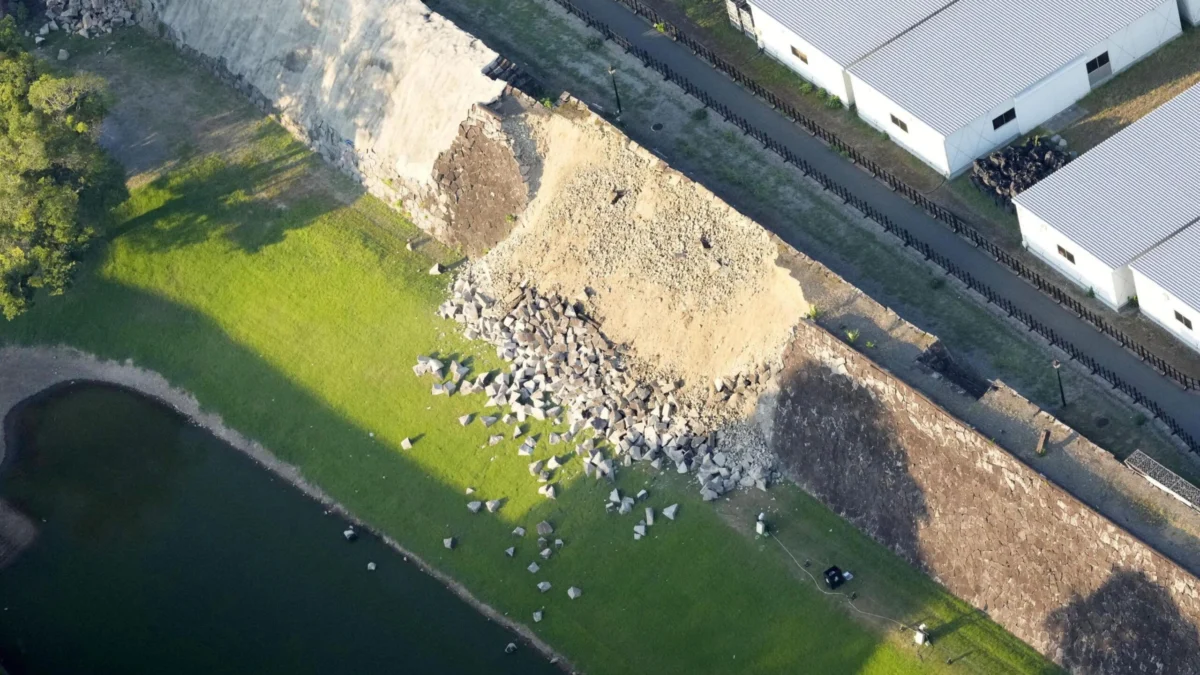
Japan is once again grappling with the devastating aftermath of a significant earthquake, this time striking the southwestern island of Kyushu and leaving a trail of destruction, power outages, and a concerning number of missing individuals. The powerful tremor, initially reported as a magnitude 7.1 by the Japan Meteorological Agency (JMA) and later revised to a 6.8 by the US Geological Survey, struck the Kumamoto prefecture at 16:27 local time (07:27 GMT) on Tuesday. The quake’s intensity prompted immediate evacuations, with hundreds of thousands of residents urged to seek safety in designated shelters as the nation braces for further aftershocks and assesses the full extent of the damage.
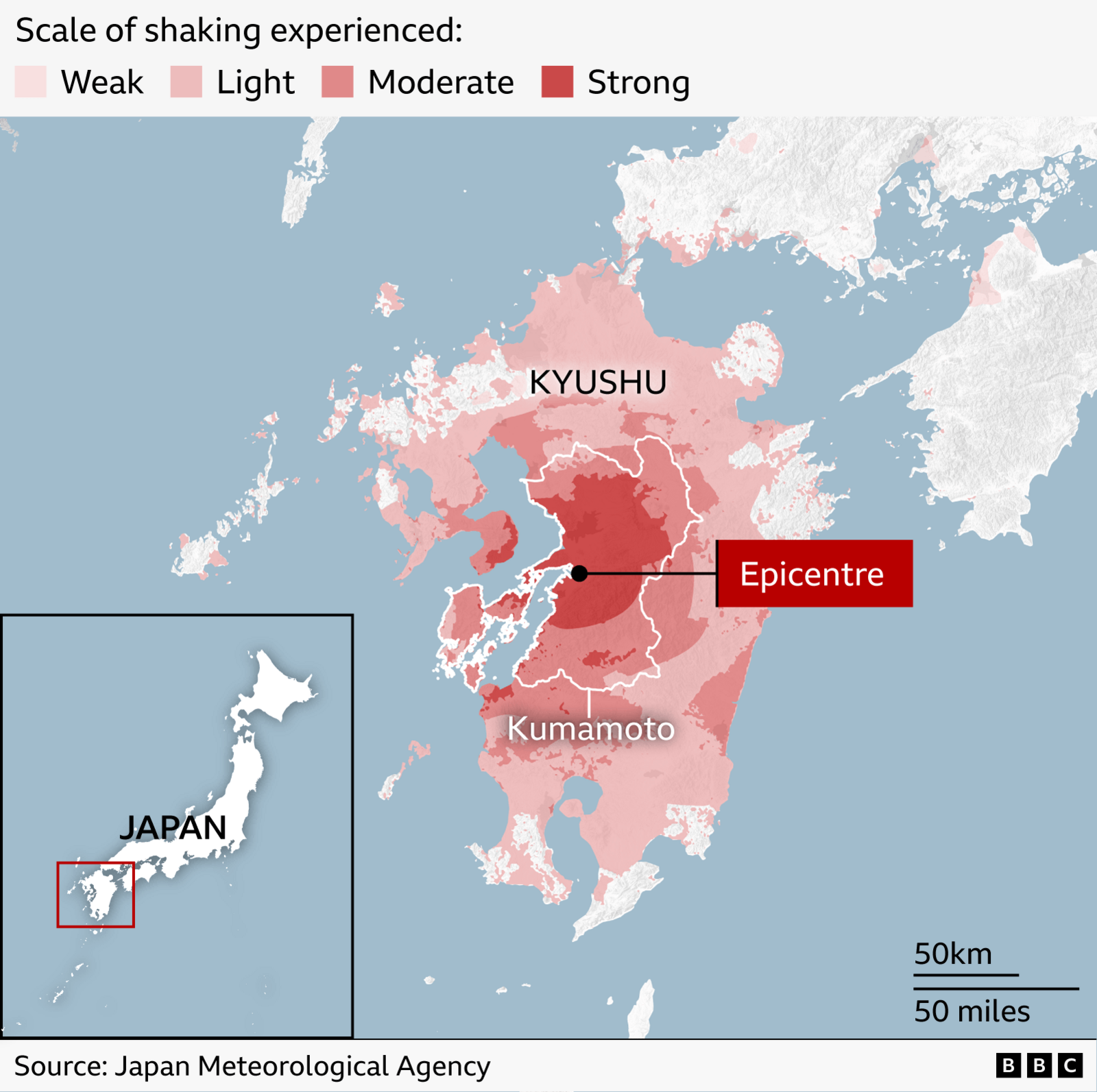
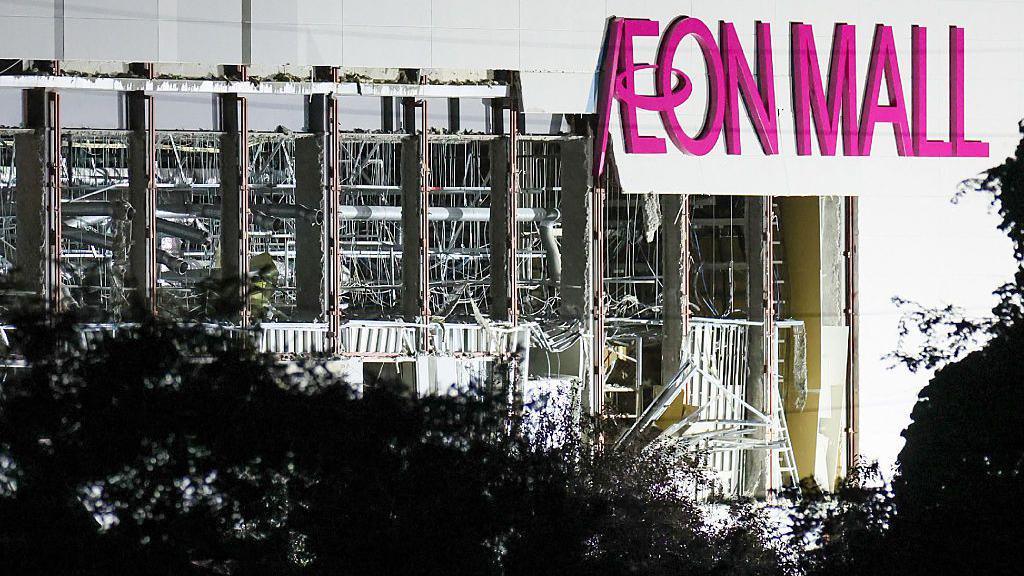
The epicentre of the quake was located in the Kumamoto prefecture, a region on Kyushu island that has a history of seismic activity. Kumamoto city itself, the prefecture’s capital, was directly impacted, with the Aeon shopping centre bearing witness to significant structural damage. Reports indicate that nineteen people are currently unaccounted for, with ten missing from the Aeon Mall and a further nine from the Nippon Paper’s Yatsushiro Plant. Tragically, two individuals at the paper factory were found in a state of "cardiac arrest," underscoring the immediate life-threatening consequences of the disaster. While four people were successfully rescued from the collapsed shopping centre, their lives are reported to be out of immediate danger, offering a sliver of hope amidst the unfolding crisis.
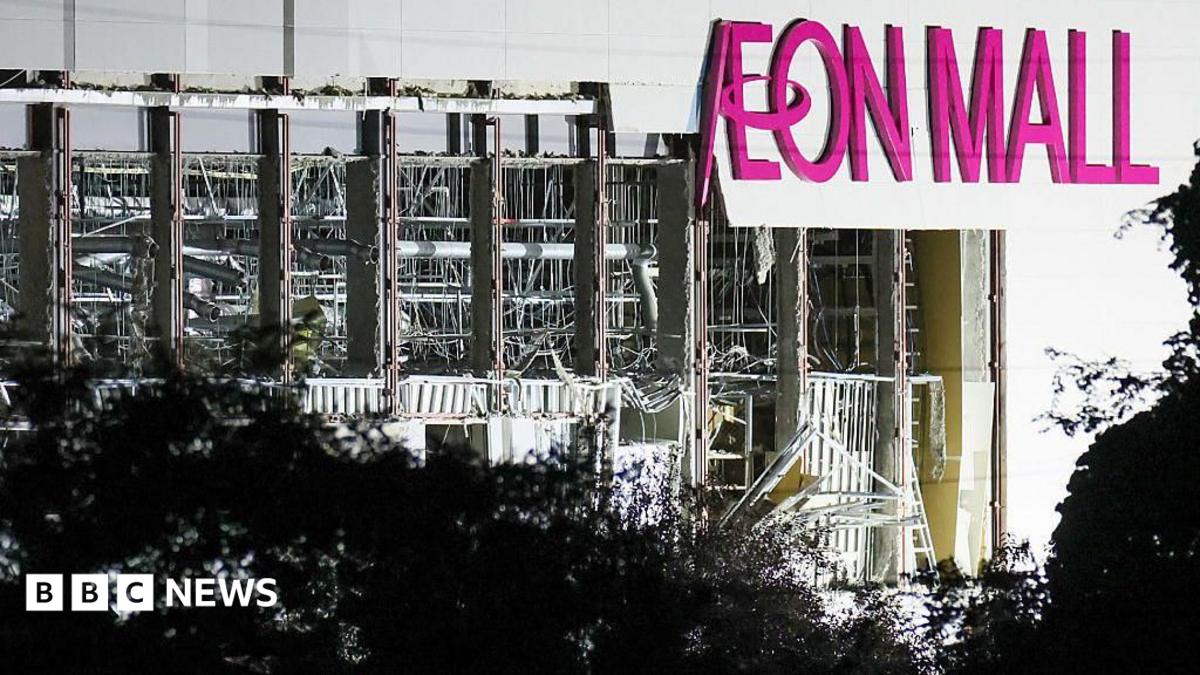
Eyewitness accounts from the Aeon Mall paint a harrowing picture of the moments following the quake. One witness described seeing an explosion and smoke billowing from the building, followed by the terrifying collapse of the second floor. Shoppers were seen being taken to hospitals, highlighting the immediate human toll. Japan’s fire and disaster management agency later confirmed the catastrophic collapse of the second floor of a "commercial facility," with numerous individuals trapped within its debris. The scale of the structural failure at the Aeon Mall is a stark reminder of the vulnerability of modern infrastructure to powerful seismic events, even in a country as seismically prepared as Japan.
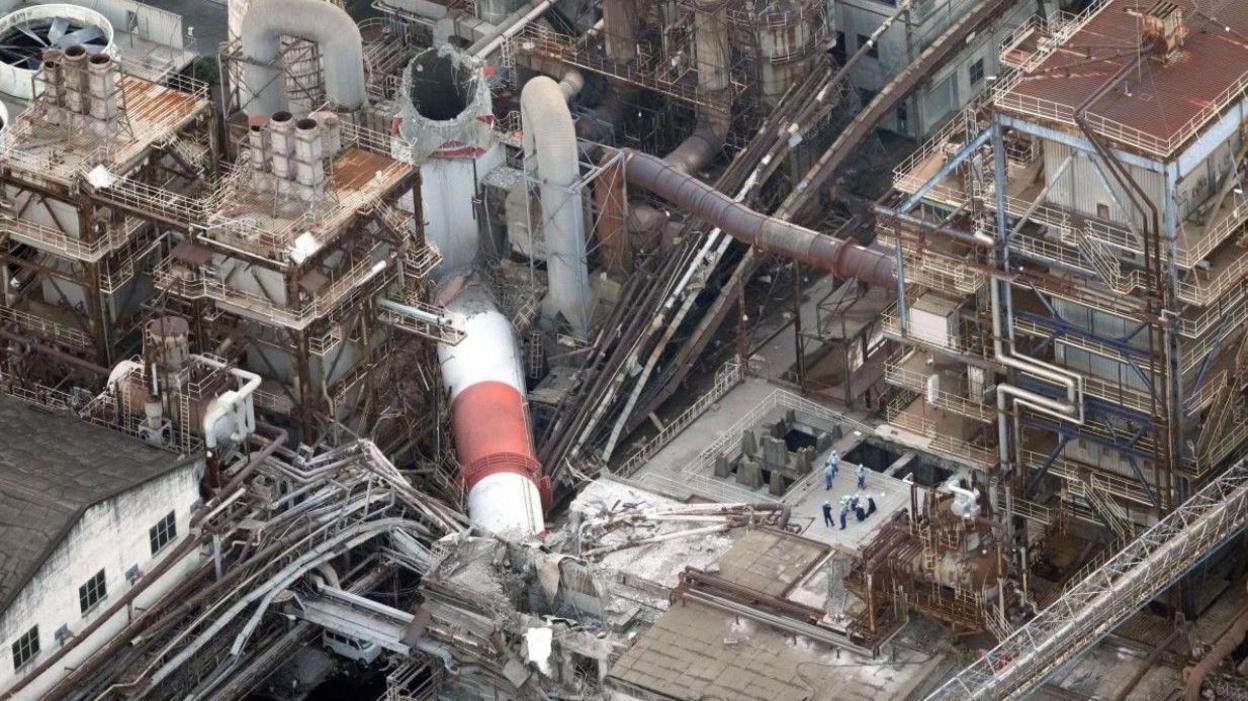
The disaster has not been confined to the Aeon Mall. At Nippon Paper’s Yatsushiro Plant, also located in the Kumamoto prefecture, a significant chimney reportedly collapsed. Aerial photographs obtained by Reuters reveal a severely damaged and broken structure, suggesting the immense force of the earthquake. The ongoing search for missing persons at the plant underscores the uncertainty and anxiety gripping the affected communities.
Beyond these specific incidents, the earthquake has inflicted widespread damage across the Kumamoto region. Historic infrastructure has not been spared, with the iconic 17th-century Kumamoto Castle suffering significant damage. Sections of its historic stone walls have tumbled, a poignant echo of the devastation witnessed in 2016 when a magnitude 7.3 earthquake struck the same region, causing extensive damage to the castle’s turrets and curved walls. This recurrence of damage to a beloved cultural landmark serves as a stark reminder of the persistent seismic threat in Japan and the challenges of preserving its rich heritage.
The earthquake’s impact has also extended to critical infrastructure. A footbridge in the Kumamoto region has collapsed, although the full extent of injuries or the exact timing of this event remains unclear. The damage to roads has also been substantial, disrupting transportation networks and potentially hindering rescue and relief efforts. Power has been cut to over 40,000 households, according to Kyushu Electric’s website, plunging many communities into darkness and exacerbating the challenges faced by residents.
The seismic activity has continued relentlessly since the initial tremor. The Japan Meteorological Agency has reported over 60 aftershocks, with magnitudes ranging from 1 to 4, keeping residents on edge and increasing the risk of further damage to already weakened structures. The immediate aftermath of the earthquake also saw a tsunami warning issued, a precautionary measure given the potential for seismic-induced tsunamis. Fortunately, this warning was lifted within two hours, averting the additional threat of coastal inundation.
The Kumamoto prefecture, where the recent earthquake struck, is no stranger to seismic devastation. In 2016, powerful earthquakes in Kumamoto and the neighbouring Oita prefectures resulted in the tragic loss of 278 lives, according to Japan’s public broadcaster NHK. This historical context amplifies the sense of fear and foreboding following the current event, as residents remember the harrowing experiences of past quakes. Kyushu, the island on which Kumamoto is located, is the third-largest of Japan’s four main islands and the second most populous, meaning a significant portion of the nation’s population resides in an area prone to seismic activity.
The geographical context of Kyushu island is also relevant. As the third-largest of Japan’s four main islands and the second most populous, Kyushu plays a vital role in the nation’s economy and population distribution. Its position on the Pacific Ring of Fire, a horseshoe-shaped zone of frequent earthquakes and volcanic eruptions that encircles the Pacific Ocean, makes it inherently vulnerable to seismic events. The geological makeup of the region, characterized by tectonic plate boundaries, creates a constant undercurrent of seismic potential.
The discrepancy in magnitude reporting between the JMA (7.1) and the USGS (6.8) is not uncommon in the immediate aftermath of an earthquake. Seismologists continuously gather and analyze data from various seismic stations to refine magnitude estimates. These updates reflect the complex nature of measuring seismic events and the ongoing scientific effort to understand and quantify them accurately.
The impact of such natural disasters extends far beyond immediate physical damage. The psychological toll on survivors, the disruption to daily life, the economic consequences for businesses and communities, and the long-term challenges of reconstruction and recovery are all significant factors that Japan will have to contend with in the wake of this latest seismic event. The resilience of the Japanese people, forged through decades of experience with earthquakes, will undoubtedly be tested once again.
Expert perspectives on Japan’s seismic resilience often highlight its stringent building codes, advanced early warning systems, and well-rehearsed disaster preparedness drills. However, even the most robust systems can be overwhelmed by the sheer force of nature. The current event serves as a critical reminder that preparedness is an ongoing process, requiring continuous adaptation and improvement in response to evolving seismic risks. The analysis of seismic patterns, the development of more sophisticated prediction models, and the ongoing investment in resilient infrastructure remain paramount.
The international community is closely watching the situation in Japan, offering support and solidarity. The swift response of rescue teams, medical personnel, and aid organizations will be crucial in the coming days and weeks. The world has witnessed Japan’s remarkable ability to rebuild and recover from natural disasters in the past, and this resilience is expected to shine through once more. However, the human cost, particularly the missing individuals and those injured, remains a deeply concerning aspect of this unfolding tragedy. The focus now shifts to search and rescue operations, providing immediate relief to those affected, and beginning the long and arduous process of recovery and rebuilding. The earthquake’s tremors may have subsided, but the ripples of its impact will be felt for a considerable time to come.
