
 By Lina Irawan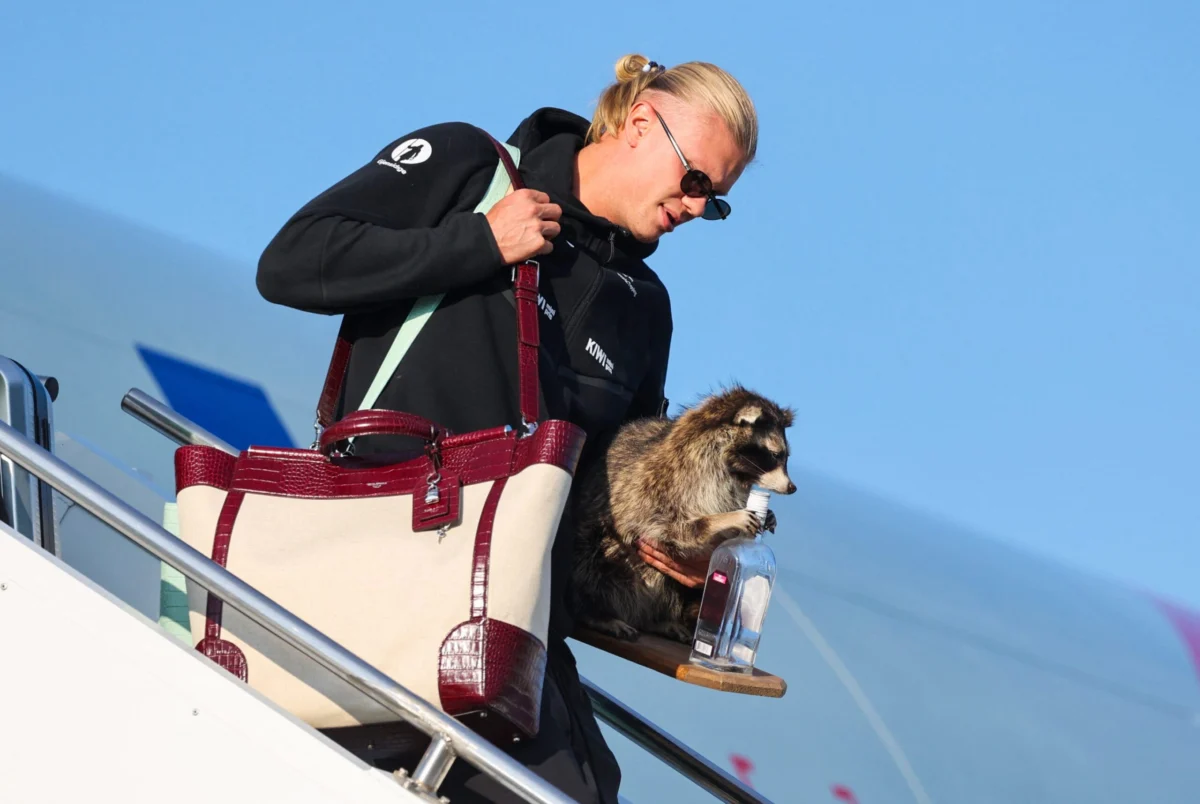
The extraordinary run of the Norwegian national football team at the 2026 FIFA World Cup, culminating in their deepest tournament appearance in history, was inextricably linked to the meteoric rise of its talisman, Erling Haaland. While his on-field heroics captivated audiences, it was his equally captivating off-field persona and the ensuing economic ripple effect that truly defined his tournament. As Norway progressed through the knockout stages, the Manchester City striker’s magnetic presence transcended the beautiful game, igniting a phenomenon that credit card giant Visa has termed a "pop-up economy," characterized by unprecedented surges in consumer spending both within Norway and across the globe.
Visa’s comprehensive data, meticulously analyzed and disclosed to Fortune, revealed a staggering economic impact directly attributable to Norway’s participation and Haaland’s burgeoning celebrity. Transaction volumes within Norway itself nearly doubled during the 12-hour window surrounding each of the national team’s matches, a stark contrast to typical spending patterns before the tournament. As the team’s Cinderella story unfolded and they advanced into the later rounds, this spending activity wasn’t confined to Scandinavian borders; it surged in over 60 countries worldwide whenever Norway took to the pitch. Visa measured this remarkable effect by comparing transaction volume in the defined match-day window against a baseline typical day in the same country prior to the tournament’s commencement, providing a clear statistical correlation between sporting spectacle and economic activity.
Frank Cooper III, Visa’s chief marketing officer, encapsulated the magnitude of this impact: “This was one of the most impactful FIFA World Cup tournaments we’ve seen to date both on and off the pitch. What was truly fascinating was how swiftly and dynamically those economies emerged, moving from city to city and connecting millions of fans with the merchants and communities hosting the world’s biggest sporting event.” Cooper’s observation perfectly captured the essence of Haaland’s magical mystery tour across the U.S. and beyond, where his presence, both physical and digital, left a trail of boosted transactions and increased consumer engagement.
Haaland’s ascent to global superstardom during the tournament was a masterclass in modern athlete branding. His Instagram following exploded from approximately 40 million to over 72 million, marking the largest gain of any player throughout the competition. This exponential growth wasn’t solely fueled by his prolific goal-scoring; it was significantly amplified by his unique and often eccentric personal brand. Photos of Haaland casually carrying an Hermès Haut à Courroies bag—pieces of which can fetch between $45,000 and $80,000 on the resale market—sparked a global fashion conversation, leading to a noticeable spike in Google searches for the iconic luxury accessory. This bold statement challenged traditional notions of masculinity and luxury, positioning Haaland as a trendsetter beyond the football pitch. His widely shared adventure to Katz’s Deli in New York, where he reportedly indulged in a towering pastrami sandwich, cemented his image as an approachable, yet larger-than-life figure. And the mysterious appearance of a taxidermied raccoon in his hotel room, a detail that went viral across social media, added another layer of quirky charm to his already captivating public persona, further endearing him to a diverse global audience who appreciated his individuality.
A Norwegian Cinderella Story with Economic Footprints
The economic impact of Norway’s unexpected success was perhaps best illustrated by localized booms in host cities. After Norway stunned football powerhouse Brazil in the Round of 16, Haaland and several teammates made an impromptu stop at Wild Bill’s Western Store, a venerable 40-year-old western wear institution in Dallas. Haaland, with his characteristic flair, purchased hats, boots, and a distinctive belt buckle. The immediate aftermath was nothing short of miraculous for store owner Cody Newport, who, in an interview with CBS News, reported selling over 2,000 T-shirts in the weeks following the visit, proudly declaring it the best month in the store’s four-decade history. This single, unscripted visit by a global icon transformed a local business, showcasing the profound "Haaland effect." Dallas, notably, was one of the host cities where Visa recorded some of the tournament’s sharpest spending spikes tied to specific matches, underscoring how fan excitement translated into tangible economic activity.
The pattern of these "pop-up economies" extended far beyond the stadiums where Norway played. Haaland’s influence permeated the fashion and retail sectors. Beyond the Birkin bags, the demand for Norway’s national team jerseys surged so dramatically that official merchandise quickly sold out, leading to robust resale markets where jerseys commanded upwards of $400 on platforms like StockX. This scarcity and high resale value highlighted the fever pitch of fan enthusiasm and the team’s unexpected journey. Furthermore, a limited-edition hair-tie collaboration with the Oslo-based brand Kknekki, in which Haaland is a minority investor, became an instant sell-out within weeks of its launch. The brand’s Instagram following jumped by an astonishing 4,000 followers in a single day after announcing the partnership, demonstrating the immense marketing power of an athlete of Haaland’s stature, even for niche products. This venture exemplified the growing trend of athletes not just endorsing brands, but actively investing in and shaping them, leveraging their personal brand for entrepreneurial success.
The reach of Haaland’s star power extended far overseas, notably impacting tourism to his home country. Innovation Norway, the trade office responsible for promoting Norwegian tourism, compiled data indicating a significant increase in Chinese tourists. Norway recorded approximately 392,000 overnight stays by Chinese visitors in 2025, more than double the roughly 220,000 stays recorded the year prior. Tourism professionals universally pointed to Haaland’s immense popularity in China, where he has cultivated a substantial following on the social media platform Douyin, as a primary catalyst for this unprecedented growth. His presence on Chinese social media, coupled with Norway’s captivating World Cup narrative, effectively translated into real-world tourism, boosting hotels, restaurants, and local attractions across the Scandinavian nation.
The Broader Economic Canvas of the World Cup
Visa’s comprehensive data offered a holistic view of the economic impact across the entire 2026 FIFA World Cup, a monumental 39-day tournament encompassing 104 matches, 48 teams, and 16 host cities spread across the United States, Canada, and Mexico. The event drew nearly 7 million spectators, a testament to its global appeal and meticulous organization. FIFA President Gianni Infantino had promised significant economic boons for the host nations, and Visa’s data provided strong validation for his assertions.
Cross-border Visa transactions in the host cities alone rose by nearly 20% year-over-year, indicating a substantial influx of international visitors and their spending power. The convenience and security of tap-to-pay transactions also saw a significant climb, increasing by almost 12%, reflecting a broader shift towards cashless payments and enhanced customer experience at major events. Fans from Colombia, Puerto Rico, the United Kingdom, Argentina, and Brazil generated the highest cross-border spending, likely driven by a combination of strong footballing cultures, geographical proximity, and the competitive performances of their respective national teams.
Spending patterns varied distinctly across the diverse host cities, reflecting their unique demographics, tourism offerings, and match schedules. Santa Clara-San Jose, Boston, and Miami recorded the largest increases in in-person spending from both international and domestic cardholders, suggesting these cities were particularly effective in attracting and retaining visitors. Boston emerged as the leader in growth for dining transactions, indicative of fans indulging in local culinary experiences before and after matches. Guadalajara, Mexico, saw the strongest growth in transportation spending, likely due to the movement of fans between venues and exploring the city. Atlanta, with its vibrant cultural scene, experienced a surge in entertainment spending, while New York City, a global retail hub, observed a notable rise in retail purchases, from souvenirs to luxury goods.
Certain matches, irrespective of the teams’ ultimate progression, drove sharp local spikes in spending. Unexpectedly, the Ecuador-Curaçao and Colombia-Ghana matches, both held in Kansas City, produced some of the highest year-over-year spending uplift around kickoff, suggesting that strong, passionate fan bases, even for lesser-known teams, could significantly impact local economies. Similarly, the Croatia-Ghana match in Philadelphia generated a substantial economic surge. These localized bursts of activity underscored the dynamic nature of the "pop-up economy," where a single game could transform a city’s daily financial landscape.
In essence, Erling Haaland’s 2026 World Cup journey was a dual narrative of athletic brilliance and unprecedented economic influence. He wasn’t merely a football star; he was a cultural icon whose every move, on and off the pitch, resonated globally, driving tangible consumer behavior and creating what Visa accurately identified as dynamic, temporary economies. His ability to blend elite sporting performance with a distinct, engaging personal brand sets a new benchmark for athlete impact, demonstrating that in the modern digital age, a single individual can be a powerful engine for global commerce. The World Cup 2026, and particularly Haaland’s role within it, showcased the profound and multifaceted ways in which major sporting events and their leading figures can shape not just cultural discourse, but also global economic trends.
