
 By admin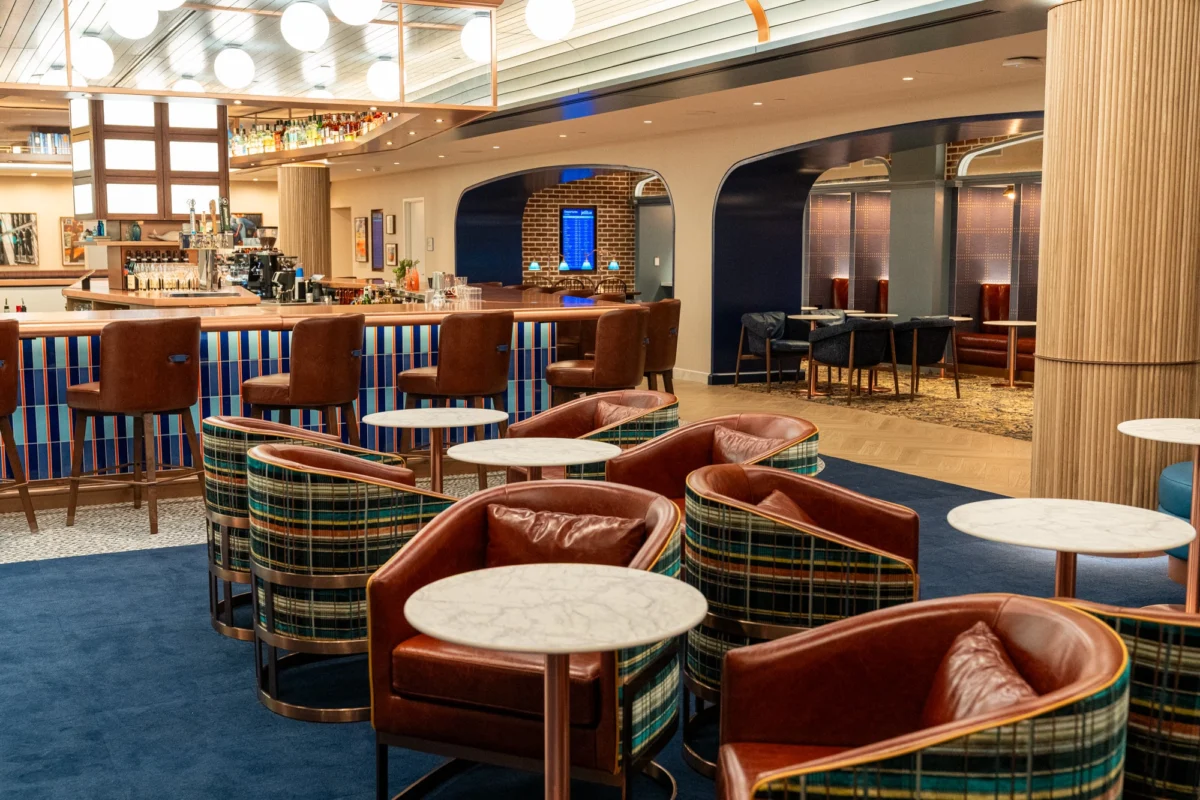
This policy shift comes at a critical juncture for the New York-based carrier as it seeks to solidify its "JetForward" strategic plan. For years, JetBlue was the notable outlier among major U.S. airlines, offering a world-class business class product in Mint without the supporting infrastructure of airport lounges. While the airline’s lie-flat seats, artisanal dining, and curated amenity kits won over a loyal following since the product’s debut in 2014, the lack of a pre-flight sanctuary remained a competitive disadvantage when compared to the Delta Sky Clubs, United Polaris Lounges, and American Airlines Flagship Lounges of the world. By opening the doors to all Mint flyers, JetBlue is finally closing that gap.
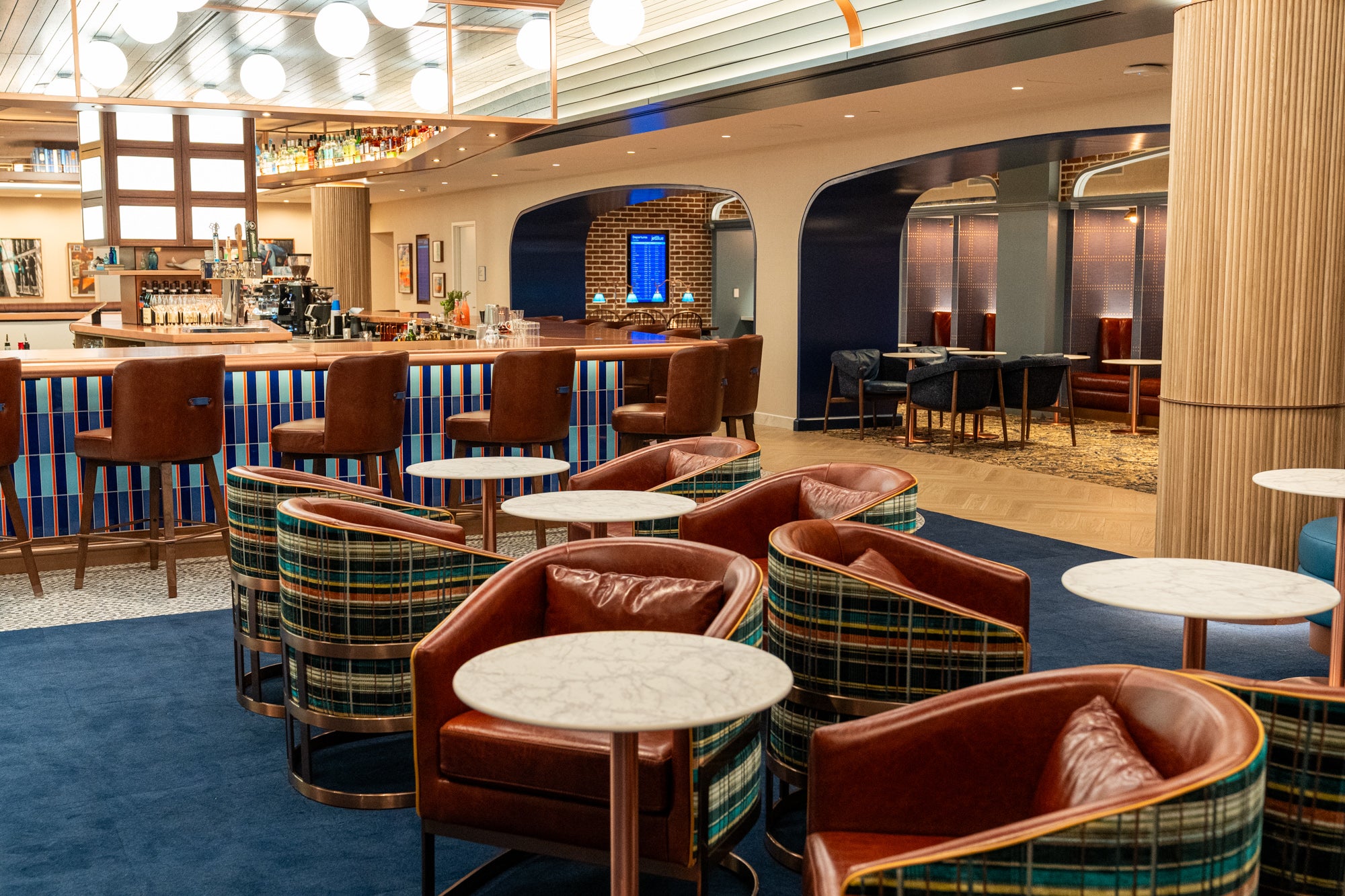
The Boston BlueHouse lounge, scheduled to officially open its doors to the public on Thursday, August 27, 2026, serves as the backdrop for this major announcement. This location follows the successful debut of JetBlue’s first-ever lounge at New York’s John F. Kennedy International Airport (JFK), which opened in December 2025. The expansion into Boston is a logical step for the airline, as Logan International serves as one of JetBlue’s most vital hubs and a fortress for its premium transcontinental and transatlantic operations.
During the media walkthrough, Marty St. George emphasized that the expanded access is designed to reward the airline’s most loyal and highest-paying customers. "As we grow our lounge footprint, we want to ensure the experience remains seamless for our Mint travelers," St. George noted. The inclusion of domestic Mint passengers is a direct response to customer feedback, as many travelers felt the distinction between a "Mint" experience to Dublin versus a "Mint" experience to San Francisco was an unnecessary complication in an otherwise premium brand.
However, the airline is maintaining a clear distinction between its top-tier products. While Mint passengers—those in the lie-flat suites—receive complimentary access, the same courtesy will not be extended to passengers flying in "BlueFirst." BlueFirst is JetBlue’s forthcoming domestic first-class product, designed to sit between the standard "Even More Space" economy seating and the premium Mint cabin. By excluding BlueFirst from complimentary lounge access, JetBlue is clearly positioning its lounges as an exclusive perk for its highest-yielding "premium-plus" segment, ensuring the facilities do not become overcrowded and lose their sense of tranquility.
The access hierarchy for the BlueHouse lounges is detailed and tiered, reflecting the complexities of modern airline loyalty programs. For those not flying in Mint, access is determined by their status within the JetBlue Mosaic program or their choice of credit card. Mosaic 4 members—the highest echelon of JetBlue’s loyalty tiers—along with holders of the JetBlue Premier Card, receive complimentary access for themselves and one guest. Any additional guests beyond the first will be charged a fee of $39 per person.
For other members of the Mosaic community, the path to the lounge involves a buy-in. Mosaic 1 and Mosaic 2 members, who represent the entry and mid-levels of the elite program, can purchase day passes for $79. This same $79 entry fee applies to holders of the JetBlue Plus Card and the JetBlue Business Card. Mosaic 3 members, who sit just below the top tier, are offered a discounted entry rate of $59. These fees are competitive with the one-time pass rates of other major carriers, though many industry analysts suggest that the high price point for entry-level elites is a deliberate move to preserve the "BlueHouse" atmosphere.
The "BlueHouse" branding itself is an intentional departure from the traditional "club" or "lounge" nomenclature. JetBlue has sought to design these spaces to feel more like a boutique hotel or a high-end residential living room than a sterile airport terminal. The Boston location features local design touches, a robust food and beverage program that highlights New England flavors, and dedicated "work zones" for business travelers. The airline has invested heavily in the "soft product" within the lounges, moving away from the standard buffet-style offerings often found in domestic lounges toward a more curated, small-plate approach.
Industry experts view this move as a vital component of JetBlue’s broader financial recovery. Following the blocked merger with Spirit Airlines and the dissolution of the Northeast Alliance with American Airlines, JetBlue has been forced to recalibrate its growth strategy. The "JetForward" plan focuses on doubling down on premium revenue and improving operational reliability. Premium travelers, despite making up a small percentage of total passengers, contribute a disproportionately large share of airline profits. By providing a "gate-to-gate" premium experience that includes a lounge, JetBlue is making a play to capture more of the corporate travel market and high-net-worth leisure travelers who might have previously defaulted to Delta or United.
Furthermore, the decision to include domestic Mint flyers addresses a specific market reality in the United States: the "Transcon" battle. The route between New York/Boston and the West Coast (LAX, SFO, SEA) is one of the most lucrative in the world. On these routes, the competition is fierce. Delta offers Sky Club access to its Delta One passengers, and United offers lounge access to its premium transcontinental customers. By matching this perk, JetBlue ensures that a traveler choosing between Mint and a competitor’s business class is not making a sacrifice on the ground.
The timing of the Boston opening is also strategic. Boston Logan has seen significant investment in its terminal infrastructure over the last five years, and the competition for "hub dominance" is at an all-time high. With Delta expanding its footprint in Terminal A and E, JetBlue’s expansion of Terminal C—and the addition of the BlueHouse lounge—serves as a defensive and offensive maneuver to protect its lead in the Boston market.
Financially, the move to a paid-access model for lower-tier elites and credit card holders provides JetBlue with an additional stream of ancillary revenue. While the primary goal of the lounge is customer retention and brand elevation, the $59 and $79 entry fees represent pure margin for the airline, provided they can manage the labor and catering costs effectively. It also incentivizes customers to "spend their way" to Mosaic 4 status or upgrade to the Premier Card, further deepening the airline’s ecosystem.
The JetBlue Premier, Plus, and Business cards, which are central to this access strategy, remain key drivers of the airline’s co-brand revenue. By tying lounge access—even paid access—to these cards, JetBlue is following the industry trend of transforming airline credit cards from mere mile-earning tools into comprehensive "lifestyle" passes. As the airline industry continues to move toward a "premium-heavy" configuration, the ability to control the ground experience becomes just as important as the onboard product.
As the Boston BlueHouse prepares for its grand opening on August 27, the eyes of the aviation industry will be on JetBlue to see if it can maintain the high standards it has set for itself. The challenge for any airline lounge is balancing exclusivity with accessibility. If the lounges become too crowded with "all Mint flyers," the airline risks alienating the very customers it is trying to court. However, by excluding the larger pool of BlueFirst and lower-tier passengers from complimentary access, JetBlue appears to have found a middle ground that protects the premium nature of the Mint brand while finally providing the full-service experience that its loyalists have demanded for a decade.
In the long term, the expansion of lounge access signals that JetBlue is no longer content being the "scrappy low-cost disruptor." It is now a mature, premium-focused carrier that understands that in the modern era of travel, the journey begins long before the wheels leave the tarmac. The BlueHouse at BOS is more than just a place to wait for a flight; it is a statement of intent for the future of JetBlue.
