
 By admin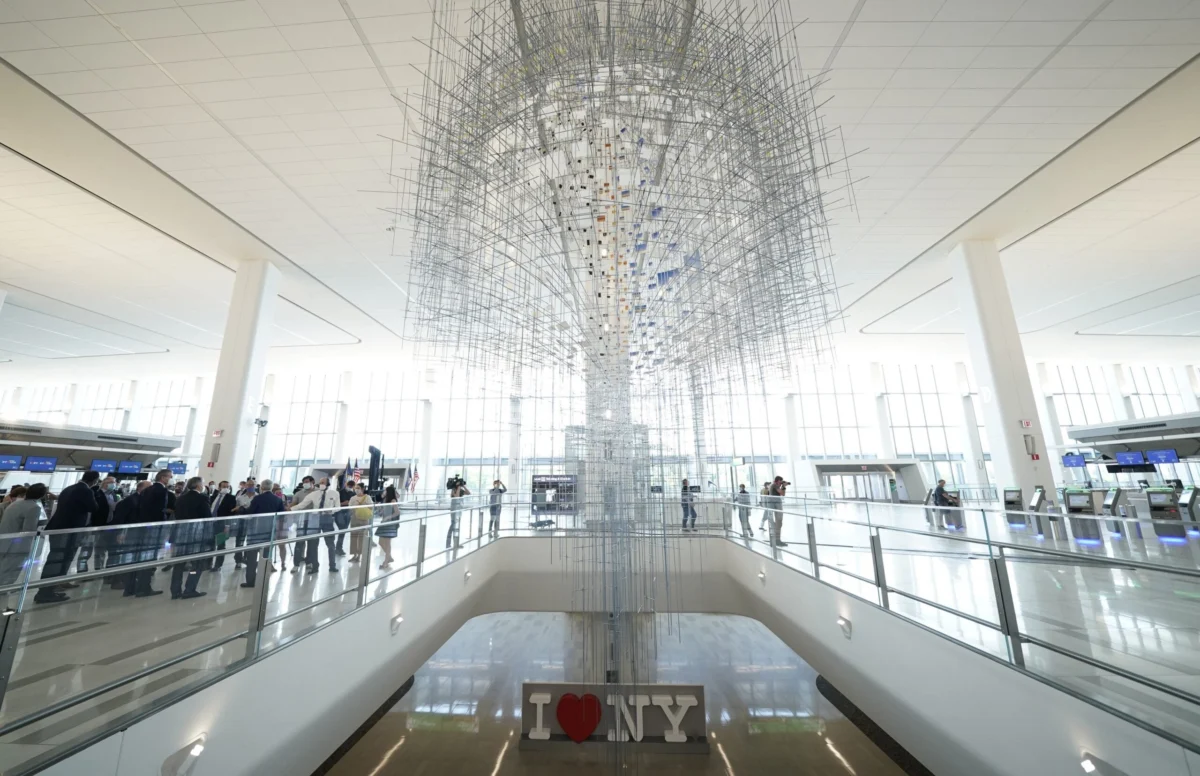
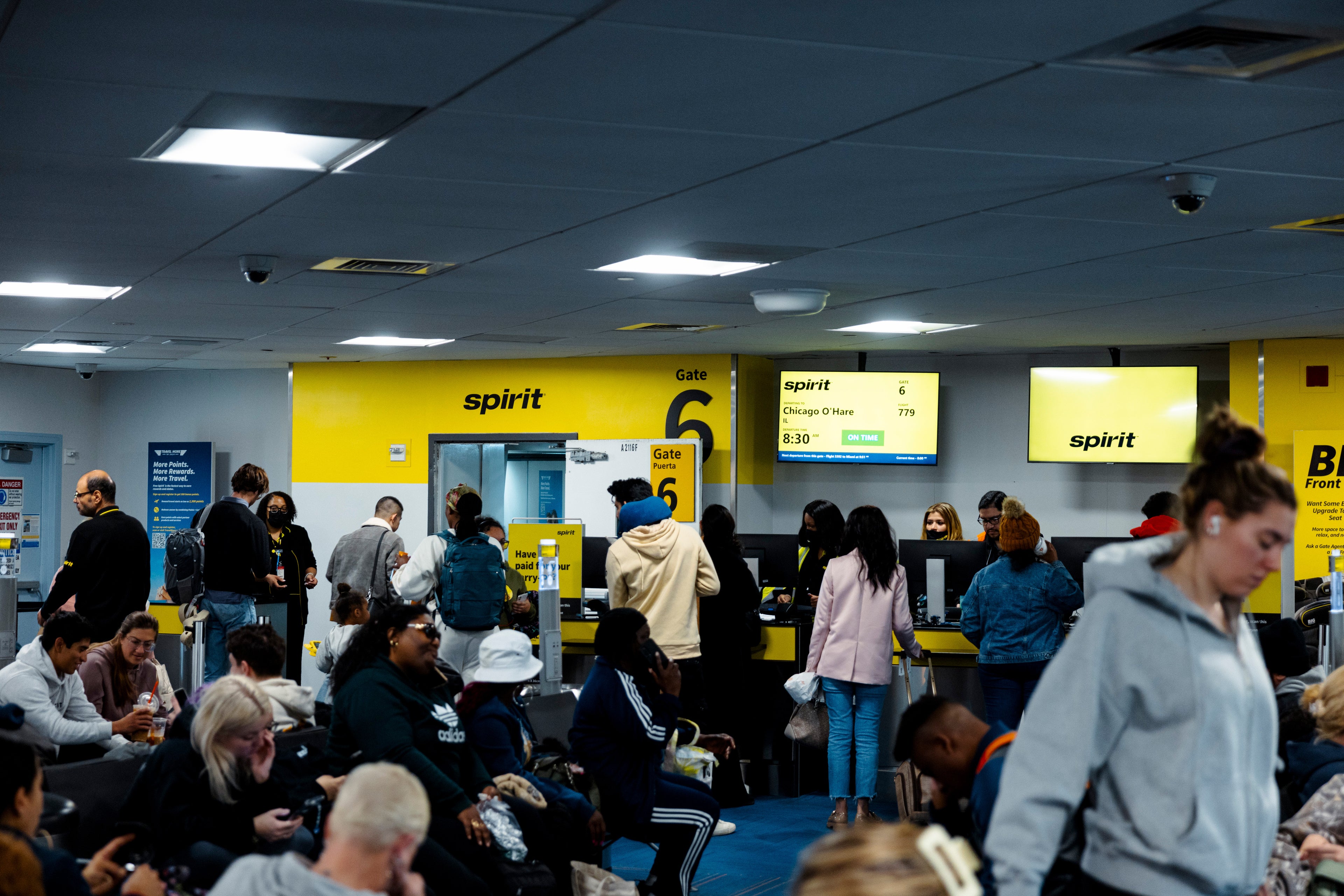
The transition of these "slots"—highly restricted authorizations required for airlines to operate at congested airports like LaGuardia—represents a major shift in the New York aviation landscape. Spirit Airlines, which ceased operations in May after a protracted struggle with debt and a failed consolidation strategy, left behind a vacuum at several key hubs. JetBlue, identifying a rare opportunity to scale at one of the nation’s most supply-constrained airports, moved quickly to claim these assets. However, the airline is not just looking for more flights; it is eyeing a complete change of scenery at the airport by expressing formal interest in relocating its operations to the historic Marine Air Terminal, also known as Terminal A.

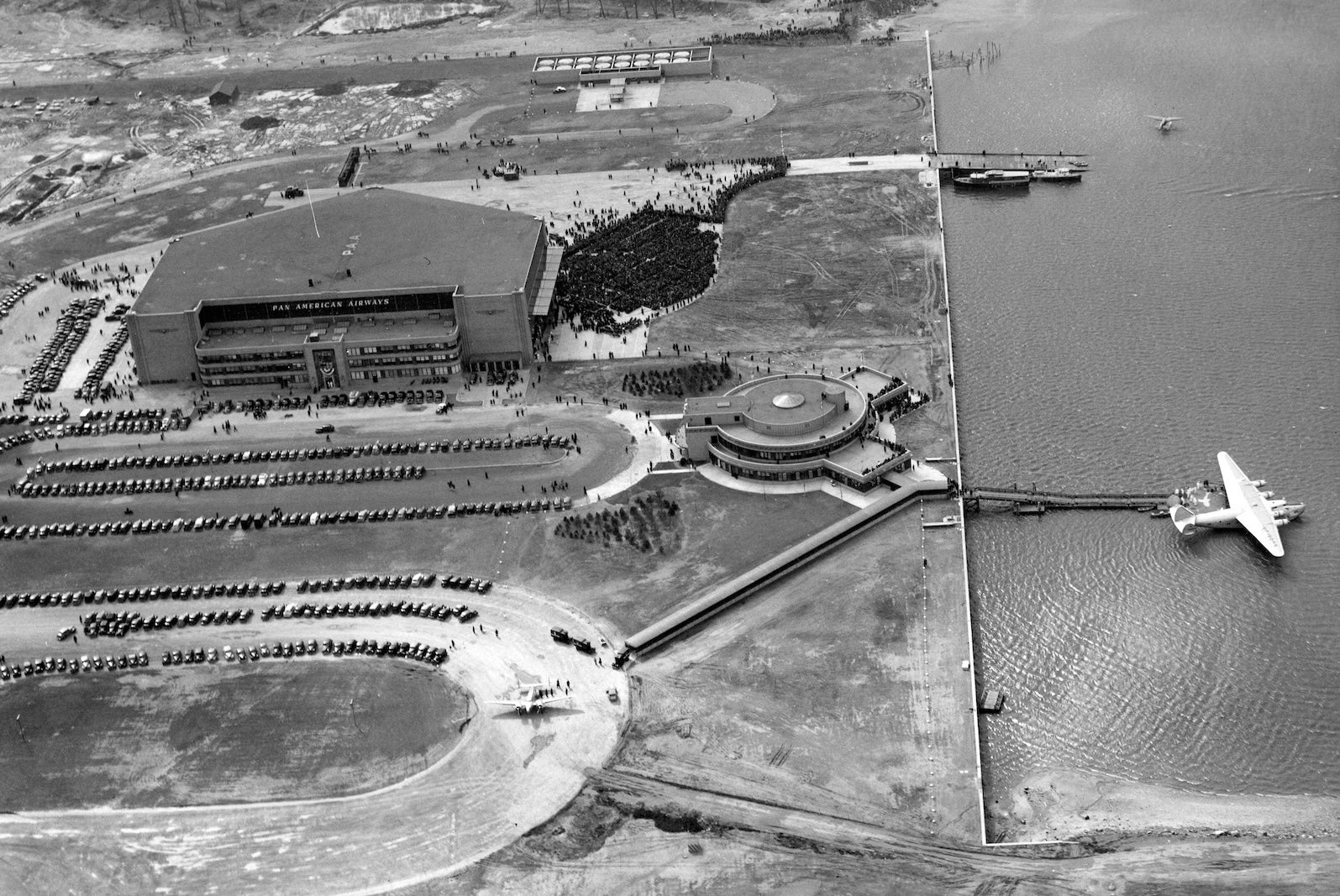
The Marine Air Terminal is a site of immense historical significance in American aviation. Opened in 1940, it originally served as the base for Pan American Airways’ legendary "Flying Boats"—the Boeing 314 Clippers that performed the first transatlantic commercial flights. The terminal’s Art Deco rotunda, featuring the massive "Propeller and Flight" mural by James Brooks, is a designated New York City landmark. For JetBlue, moving into this space would mean occupying a terminal that has sat vacant since Spirit’s liquidation. Unlike the sprawling, multi-billion-dollar Terminal B where JetBlue currently resides, Terminal A offers a self-contained, boutique-style environment that could effectively become a dedicated "JetBlue terminal."
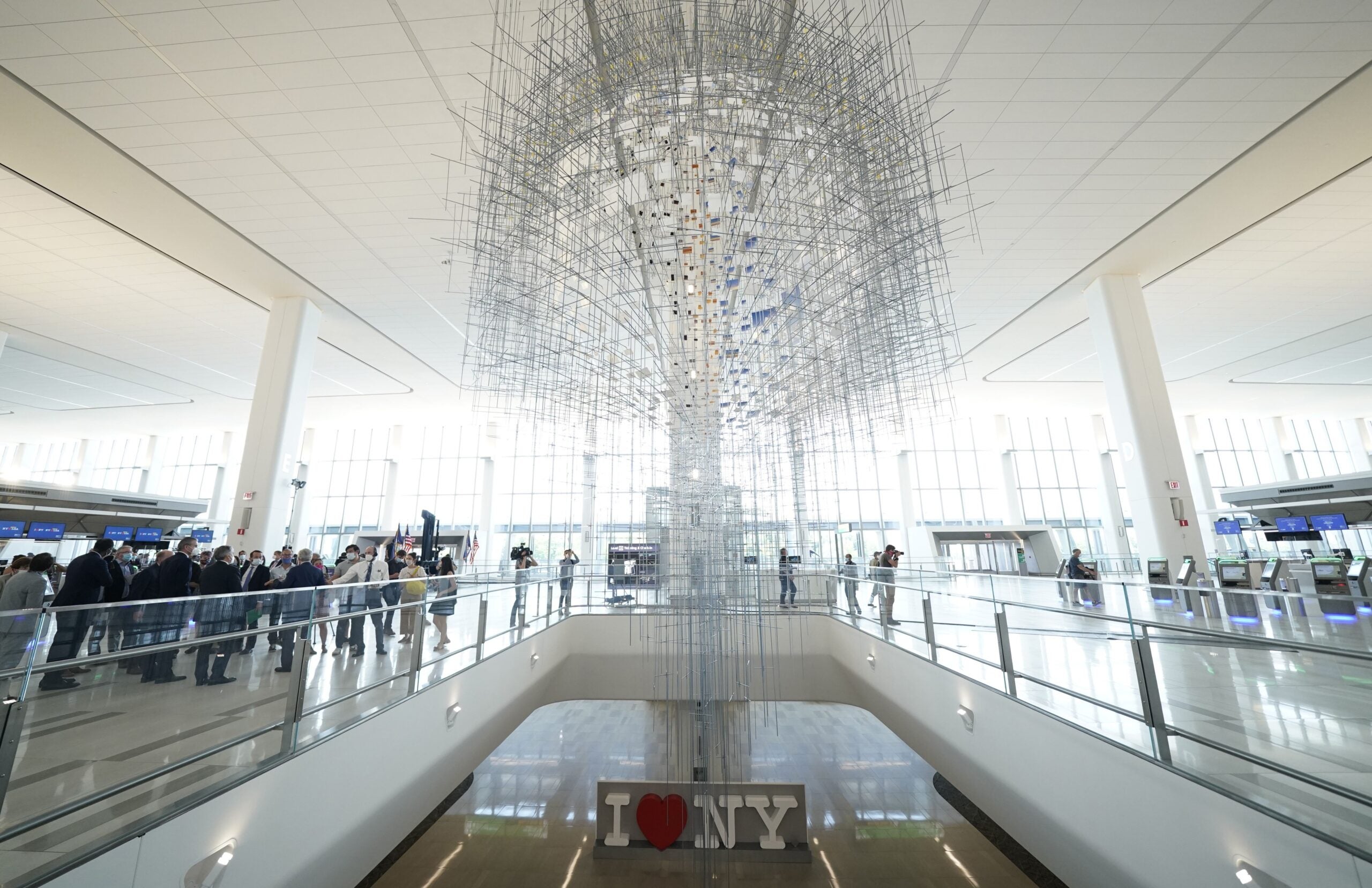
Industry analysts suggest that the move to Terminal A is a calculated financial maneuver designed to lower the airline’s Cost per Available Seat Mile (CASM). JetBlue management has been vocal about the high costs of operating out of LaGuardia’s newer facilities. Terminal B, while a marvel of modern architecture and home to premium amenities like the American Express Centurion Lounge and the Chase Sapphire Lounge, comes with high gate fees and operational overhead. By moving to the Marine Air Terminal, JetBlue aims to secure "much-needed cost savings" that will allow it to sustain a larger flight schedule while maintaining competitive pricing.
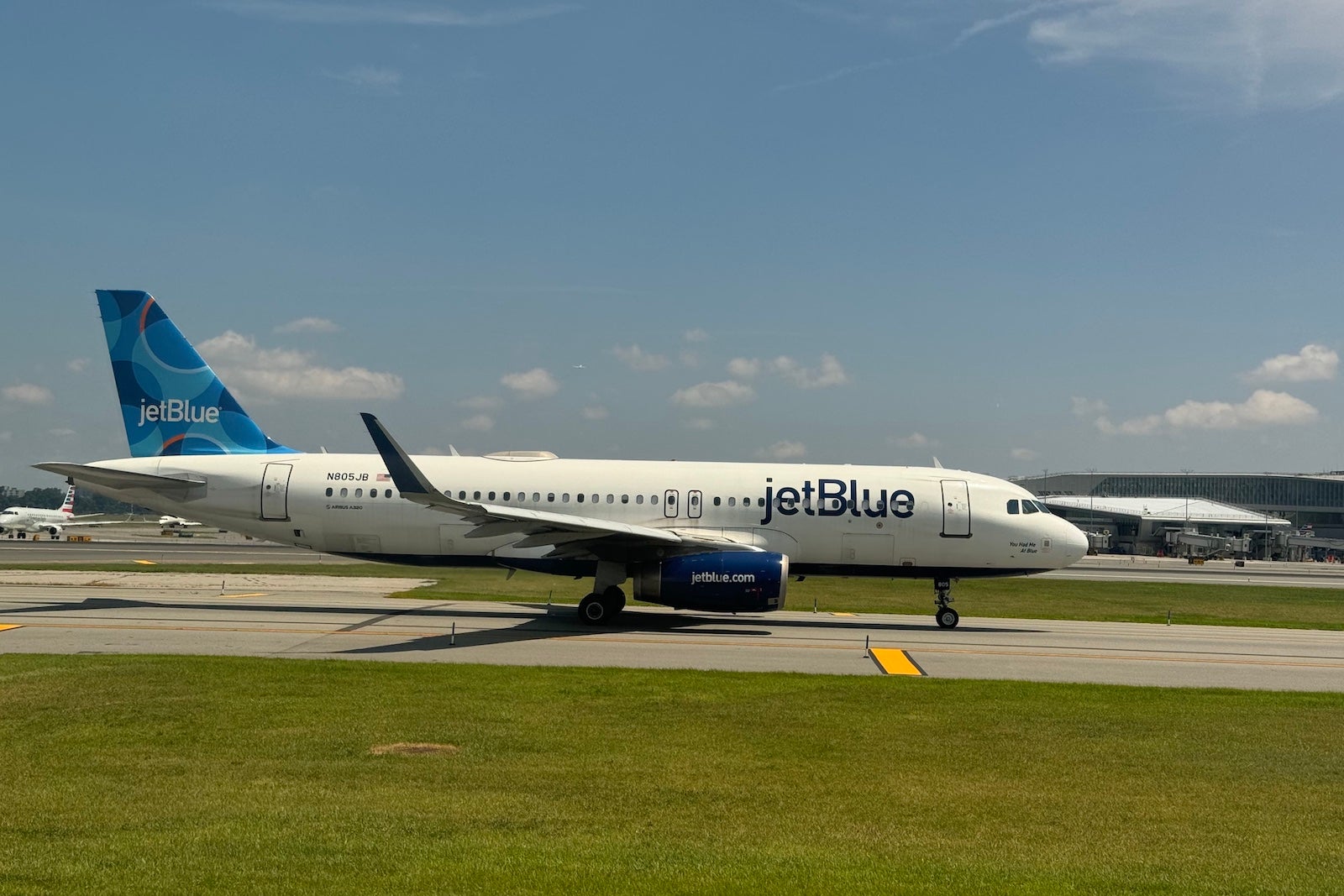
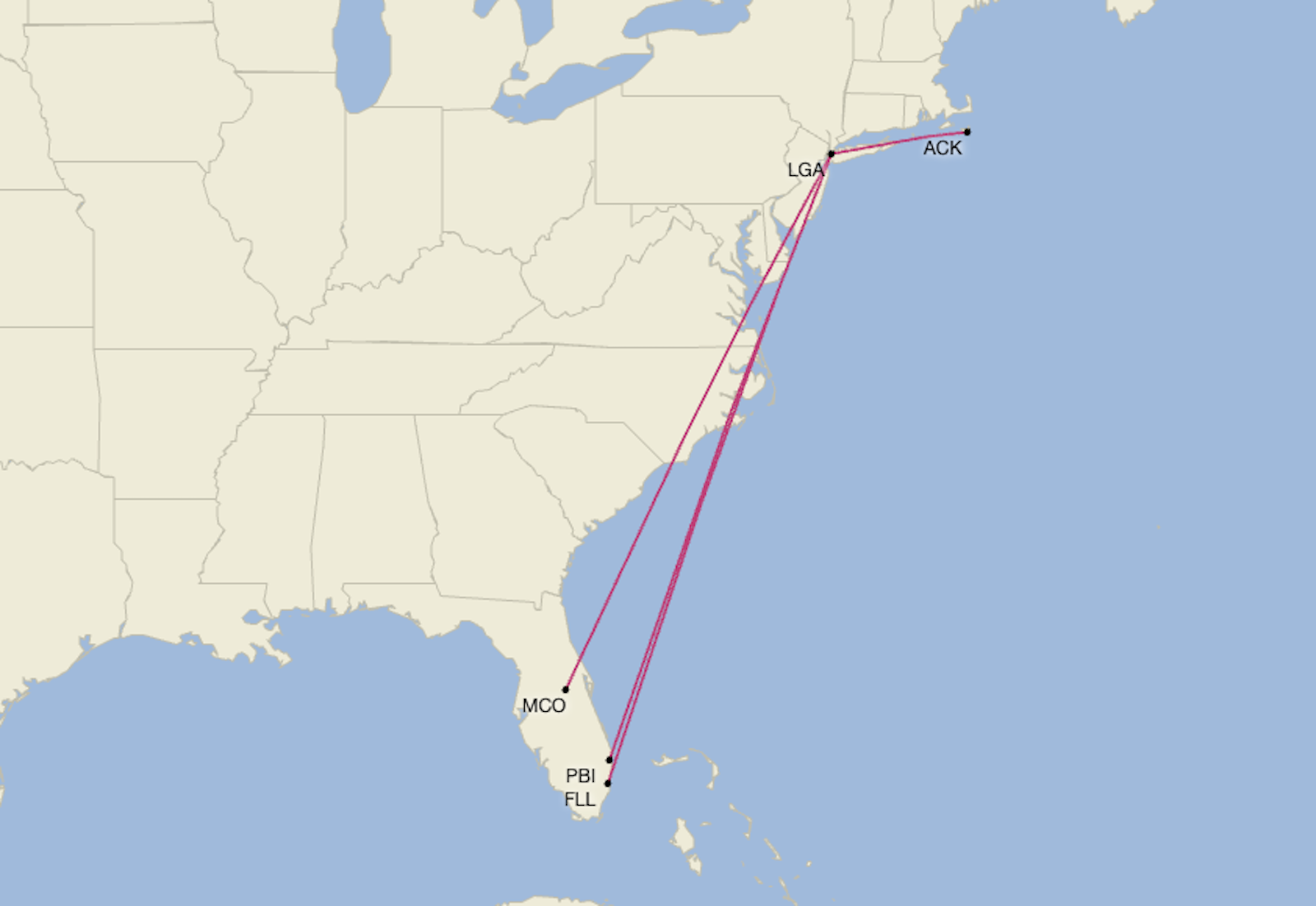
The strategic importance of LaGuardia cannot be overstated for a carrier that identifies as "New York’s Hometown Airline." While JetBlue’s primary hub remains John F. Kennedy International Airport (JFK), LaGuardia is the preferred choice for many business travelers and Manhattan-based residents due to its proximity to the city center. Currently, JetBlue’s footprint at LGA is a shadow of its former self. Following the court-ordered termination of the Northeast Alliance (NEA) with American Airlines, JetBlue was forced to slash several routes. As of mid-2024, the carrier operates only four year-round and seasonal routes from LGA: Nantucket, Orlando, Fort Lauderdale, and West Palm Beach. This is a stark contrast to July 2022, when the NEA allowed JetBlue to offer a robust schedule to cities across the East Coast and Midwest.
Securing these 12 slot pairs is the first step in a multi-year rebuilding phase. Robert Mann, a veteran airline industry analyst, notes that the move allows JetBlue to fortify its TrueBlue loyalty program by offering more frequency and destination variety to its most profitable customer base. "It’s a way of staying at LaGuardia, which is a preferred airport, and making the credit card portfolio perform by having operations at both Kennedy and LaGuardia," Mann observed. He predicts that the new slots will likely be used to bolster "bread-and-butter" routes, particularly to Florida and potentially to key regional markets in Upstate New York, such as Buffalo, Rochester, or Albany.
The expansion plan is not without its hurdles. JetBlue must still navigate a complex web of legal and regulatory approvals before the slots are officially integrated into its 2027 schedule. The Department of Transportation (DOT) and the Federal Aviation Administration (FAA) closely monitor slot allocations to ensure they do not stifle competition. Furthermore, the Port Authority of New York and New Jersey, which manages the airport, must approve the terminal relocation. Terminal A, while charming and historic, requires significant infrastructure considerations. Its gate area and concourse, last updated in the 1980s, are slated for renovations to bring them up to modern standards, even as the landmarked rotunda remains untouched.
Another factor JetBlue must contend with is the "Perimeter Rule" at LaGuardia. Established decades ago to drive long-haul traffic to JFK and Newark, the rule prohibits most nonstop flights to cities further than 1,500 miles from LGA (with a notable exception for Denver and Saturday flights). This means JetBlue’s expansion will remain geographically tethered to the eastern half of the United States and parts of Canada. However, this aligns perfectly with JetBlue’s current "back-to-basics" strategy, which prioritizes core geographies where the airline has high brand recognition and operational scale.
This move mirrors JetBlue’s recent activity at Fort Lauderdale-Hollywood International Airport (FLL). In Florida, JetBlue has also stepped in to fill the gap left by Spirit, designating FLL as the "third tentpole" of its network alongside JFK and Boston Logan International Airport (BOS). By capturing Spirit’s former customers and gate space in both Florida and New York, JetBlue is effectively executing a "pincer movement" on the East Coast leisure market.
The move to the Marine Air Terminal also presents a unique branding opportunity. While Terminal B offers luxury lounges, the Marine Air Terminal offers speed. Its smaller footprint allows for shorter walking distances from the curb to the gate, a feature that frequent LGA travelers often value more than high-end dining options. For a "no-frills" expansion focused on efficiency, the terminal provides a distinct operational advantage. However, JetBlue will have to manage passenger expectations, as the move would mean travelers lose direct access to the premium lounges located in the Terminal B Eastern and Western Concourses.
As JetBlue looks toward 2027, the aviation industry will be watching closely to see if this "retro" move to a historic terminal can yield modern profits. The airline is currently navigating a period of transition, dealing with the grounding of several aircraft due to Pratt & Whitney GTF engine inspections and a renewed focus on achieving profitability after several quarters of losses. The acquisition of Spirit’s LGA slots is a clear signal that JetBlue is not retreating; rather, it is doubling down on its home turf.
The disappearance of Spirit Airlines from the New York market was a somber moment for low-cost travel advocates, but JetBlue’s entry ensures that the competitive pressure at LGA remains. If the expansion proceeds as planned, JetBlue will not only increase its daily departures but also revive a piece of aviation history, proving that sometimes the best way to move forward is to return to the roots of the industry. The Marine Air Terminal, once the gateway for the world’s most glamorous flying boats, may soon become the bustling hub for the next era of JetBlue’s New York legacy.
In the broader context of New York aviation, this move helps balance the scales at an airport dominated by Delta Air Lines and American Airlines. Delta, in particular, has invested billions in its new Terminal C at LaGuardia, creating a formidable fortress hub. By consolidating its operations in Terminal A and increasing its slot count, JetBlue provides a necessary counterweight, ensuring that consumers have choices beyond the "Big Three" legacy carriers.
Ultimately, JetBlue’s interest in the Marine Air Terminal is a story of pragmatism meeting nostalgia. In an industry where margins are razor-thin and gate space is the ultimate currency, finding a way to grow while lowering costs is the holy grail. If JetBlue can successfully navigate the regulatory runway, the sight of the airline’s iconic blue tails lined up against the backdrop of the 1940s rotunda will become a permanent fixture of the New York skyline by 2027, signaling a new chapter for both the airline and the historic airport it calls home.
