
 By admin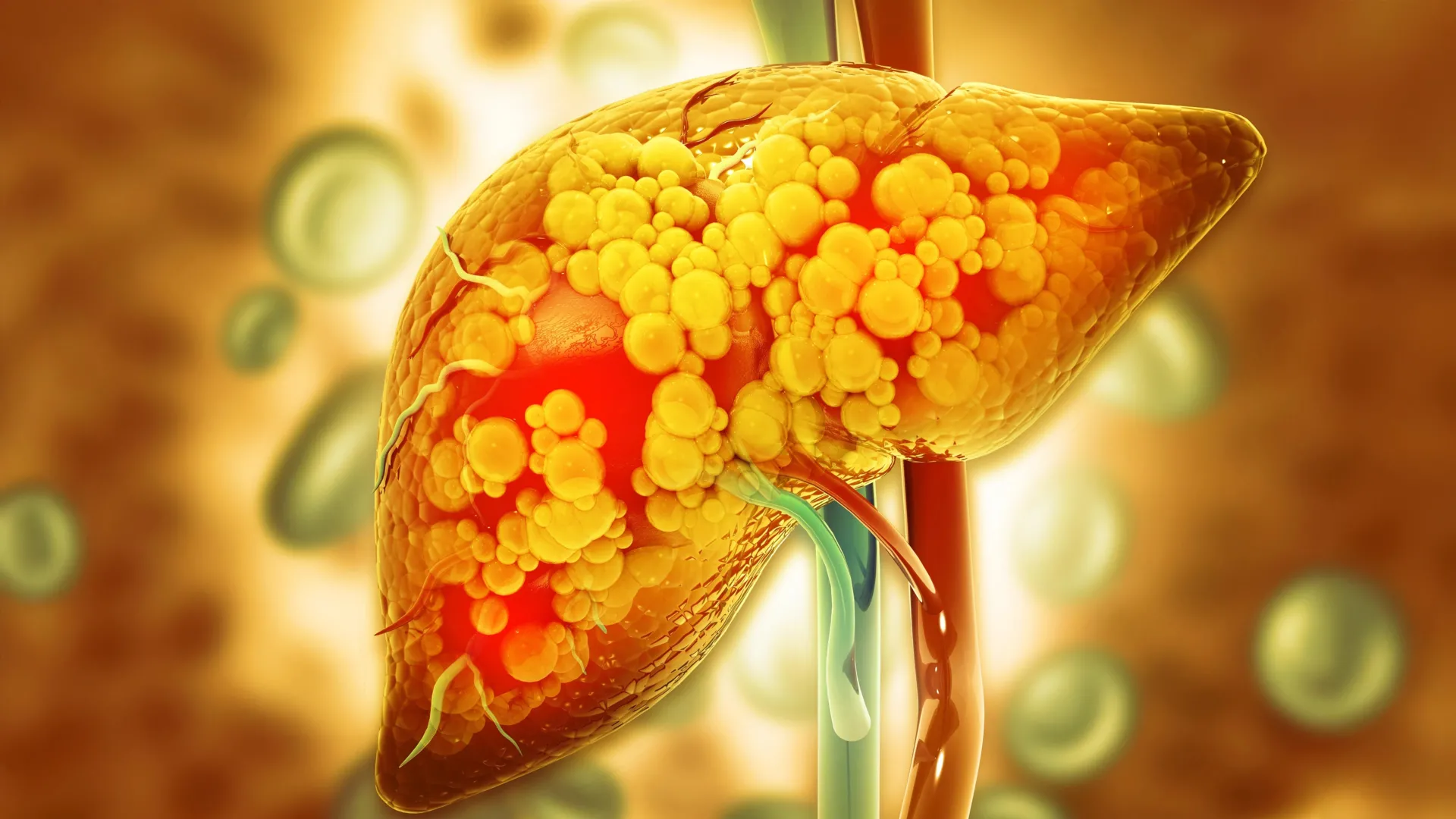
The global epidemic of obesity and its metabolic complications represents one of the most pressing public health challenges of our time. An alarming 40% of adults in the United States alone contend with obesity, a condition that dramatically escalates the risk of developing a cascade of severe health issues, including Type 2 Diabetes, cardiovascular disease, and non-alcoholic fatty liver disease (NAFLD). While weight loss is universally recognized as a cornerstone of managing and reversing these conditions, the optimal dietary strategy to achieve not only weight reduction but also profound metabolic improvements has remained a subject of intense scientific debate and public confusion. For decades, medical professionals and public health guidelines have often recommended low-fat, low-carbohydrate, or Mediterranean diets for weight management. However, until now, robust comparative studies meticulously designed to isolate the specific metabolic advantages of each approach, independent of the magnitude of weight loss, have been scarce.
"We know weight loss can improve metabolic health in people who are obese," states Samuel Klein, the study’s corresponding author at Washington University School of Medicine in St. Louis, Missouri. His insights underscore the pivotal finding: "Our data suggest that if you have high liver fat content and prediabetes, reducing carbohydrate intake can have important therapeutic effects on metabolism beyond just weight loss alone." This statement challenges the long-held notion that all calories are equal or that the primary benefit of any diet stems solely from its ability to reduce overall body weight.
Comparing Three Popular Weight Loss Diets: A Deep Dive into Dietary Philosophy
The three diets scrutinized in this trial—ketogenic, Mediterranean, and low-fat—represent distinct philosophies in nutritional science, differing sharply in their macronutrient distribution and food choices. Understanding these differences is crucial for appreciating the study’s findings:
-
The Ketogenic Diet (Very Low-Carbohydrate, High-Fat): This diet fundamentally restricts carbohydrate intake, typically to less than 50 grams per day, often as low as 20-30 grams. By drastically reducing carbohydrates, the body is forced to shift its primary fuel source from glucose to fat. This process, known as ketosis, involves the liver converting fat into molecules called ketones, which then serve as an alternative energy source for the brain and other tissues. Historically, ketogenic diets were used to treat epilepsy, but their popularity surged for weight loss due to their potential for rapid weight reduction, appetite suppression, and now, as this study suggests, distinct metabolic benefits. While often associated with saturated fats and animal products, the core principle is carbohydrate restriction.
-
The Low-Fat Diet (High-Carbohydrate, Low-Fat): This approach, heavily promoted in the latter half of the 20th century, typically derives a significant portion of its energy, often as much as 60-70%, from carbohydrates, with fat intake severely restricted, sometimes to as low as 15% of total calories. The rationale was based on the belief that dietary fat directly contributes to body fat and cardiovascular disease. Foods emphasized include whole grains, fruits, vegetables, and lean proteins, while fats from oils, nuts, and fatty meats are minimized.
-
The Mediterranean Diet (Balanced, Plant-Forward): Widely recognized for its numerous health benefits, particularly for cardiovascular health, the Mediterranean diet is not strictly defined by macronutrient ratios but rather by a pattern of eating prevalent in countries bordering the Mediterranean Sea. It emphasizes plant-based foods such as vegetables, fruits, whole grains, legumes, and nuts. Olive oil is the primary source of fat, while fish and poultry are consumed in moderate amounts, and red meat and sweets are eaten sparingly. Dairy products are typically consumed in moderation, often in fermented forms like yogurt and cheese. Macronutrient distribution is generally balanced, with carbohydrates making up around 45-50% of calories and fat around 30-40%.
To rigorously compare their effects, Klein and his colleagues meticulously enrolled 42 individuals who shared a specific metabolic profile: obesity, prediabetes, and fatty liver disease. This targeted participant selection was critical, as these individuals are precisely those who stand to benefit most from effective dietary interventions. Participants were then randomly assigned to follow one of the three diets: ketogenic, Mediterranean, or a low-fat, plant-forward diet. A cornerstone of the study’s robust design was that the research team supplied all of the participants’ food, eliminating the guesswork and variability often associated with self-reported dietary intake. Furthermore, participants met with a dietitian every week, providing crucial support and accountability to help them adhere strictly to their assigned eating plan. This high level of control is a significant strength, ensuring that observed outcomes were truly attributable to the diet’s composition rather than variations in adherence or food quality.
Matching Weight Loss Across the Groups: A Methodological Breakthrough
The macronutrient composition of the provided diets was precisely controlled to reflect the principles of each dietary approach:
- The ketogenic diet supplied just 4% of total calories from carbohydrates, with 73% from fat and the remainder from protein.
- In the Mediterranean group, 50% of calories came from carbohydrates, 35% from fat, and 15% from protein.
- The plant-forward, low-fat diet provided 70% of calories from carbohydrates, 15% from fat, and 15% from protein.
Crucially, the researchers adjusted calorie intake for each individual participant with the explicit goal of ensuring that participants in all three groups would lose approximately 10% of their initial body weight. Reaching this target typically took roughly four to five months. This methodological decision was paramount: by matching the extent of weight loss across all groups, the study was uniquely positioned to differentiate the specific metabolic effects of the dietary composition itself, rather than simply observing the general benefits of weight reduction. This allowed the researchers to investigate whether one diet offered "added benefits" beyond the mechanical effect of losing weight.
By the end of the study period, the results confirmed the universal benefit of weight loss: participants in every diet group had significantly reduced their body fat, and insulin sensitivity also improved across all three groups, a vital change that helps the body control blood sugar more effectively and mitigates the risk of Type 2 Diabetes. This finding underscores that for individuals with obesity and prediabetes, any successful weight loss strategy is likely to confer some level of metabolic improvement. However, the more granular analysis revealed striking differences.
Keto Produced the Largest Drop in Liver Fat: A Game-Changer for NAFLD
Despite achieving similar reductions in overall body weight, the ketogenic diet distinguished itself by producing the strongest and most profound changes in several critical measures of liver and metabolic health. Non-alcoholic fatty liver disease (NAFLD), a condition affecting an estimated 25-30% of the global population, is strongly linked to obesity, insulin resistance, and prediabetes, and can progress to more severe liver damage. The study revealed that liver fat fell by an impressive average of 67% among people following the ketogenic diet. This stands in stark contrast to an average reduction of 45% observed in both the Mediterranean and plant-forward (low-fat) groups. This 22-percentage point difference is clinically significant, suggesting a superior therapeutic effect of carbohydrate restriction on hepatic steatosis.
The researchers further elucidated the underlying mechanisms by tracking participants’ metabolism over a continuous 24-hour period through repeated blood analyses. They observed that people in the ketogenic group showed the largest rise in glucagon, a hormone produced by the pancreas that counteracts insulin by stimulating glucose production and, critically, by promoting the breakdown and reduction of fat stored in the liver. Concurrently, the ketogenic group also exhibited the greatest decline in blood insulin levels, a key indicator of improved insulin sensitivity. Lower insulin levels are directly associated with reduced hepatic fat synthesis and enhanced fat mobilization from the liver, thus providing a plausible physiological explanation for the dramatic reduction in liver fat observed in this group.
Perhaps one of the most surprising and counter-intuitive findings challenged conventional dietary wisdom: "The most surprising finding was that participants in the ketogenic diet group didn’t experience an increase in blood fat or cholesterol levels despite consuming the most fat," notes Max Petersen, the study’s first author at Washington University School of Medicine. This observation directly contradicts the widespread concern that a high-fat diet, especially one rich in saturated fat, would invariably elevate markers of cardiovascular risk. Instead, it suggests that for this specific population and within the context of controlled carbohydrate restriction, the metabolic benefits, such as improved insulin sensitivity and reduced liver fat, might override or mitigate potential negative effects on blood lipids. This finding contributes to the evolving scientific understanding that the type and context of fat intake, alongside carbohydrate restriction, are more nuanced than simply focusing on total fat quantity.
Prediabetes Improved Most in the Keto Group: A Pathway to Prevention
The most clinically impactful finding for public health relates to the reversal of prediabetes. After the weight loss intervention, approximately 50% of participants adhering to the ketogenic diet no longer met the diagnostic criteria for prediabetes. This is a profound outcome, as prediabetes is a critical window for intervention to prevent the progression to irreversible Type 2 Diabetes. In comparison, 29% of those on the Mediterranean diet and a mere 7% of those following the plant-forward (low-fat) diet achieved prediabetes remission. This striking difference underscores the potential of a very low-carbohydrate diet as a highly effective therapeutic tool for metabolic disease prevention and reversal.
Petersen’s additional comment brings an important perspective: "GLP-1-based medications have revolutionized the therapy of obesity. We now have a very effective pharmacotherapy for achieving significant weight loss," he acknowledges, referring to a class of drugs like Ozempic and Wegovy. "But in addition, our study shows that the specific composition of the diet can give you added benefits." This highlights that while pharmaceutical interventions are powerful, dietary strategies are not obsolete; rather, they can offer complementary or even distinct advantages, particularly in optimizing specific metabolic pathways. This suggests a future where integrated approaches, combining effective diet with pharmacotherapy, could offer the most comprehensive care for individuals with obesity and prediabetes.
The research received vital support from the National Institutes of Health and the Foundation for Barnes-Jewish Hospital, signifying the importance and rigor of this clinical investigation.
Implications, Limitations, and Future Directions
This study provides compelling evidence that for individuals with obesity, prediabetes, and fatty liver disease, a ketogenic diet may offer superior metabolic benefits, especially concerning liver fat reduction and prediabetes reversal, even when compared to other effective weight loss diets. It challenges the simplistic view that all calories are equal or that all weight loss methods yield identical metabolic outcomes. Instead, it strongly suggests that the macronutrient composition of a diet plays a critical, independent role in modulating metabolic health.
However, like all scientific studies, this research has limitations that warrant consideration. The study duration of four to five months, while sufficient to observe significant metabolic changes, is not long-term. Future research is needed to assess the sustainability of these metabolic improvements, the long-term adherence rates to such restrictive diets in real-world settings, and their ultimate impact on hard clinical endpoints such as cardiovascular events, kidney disease progression, and overall mortality. The relatively small sample size of 42 participants, though typical for highly controlled metabolic studies that provide all food, means that results should be interpreted cautiously and ideally validated in larger, more diverse cohorts.
Furthermore, the study’s controlled environment, where all food was supplied and dietitian support was constant, optimized adherence but may not fully reflect the challenges of implementing a strict ketogenic diet in everyday life. The generalizability of these findings to individuals without prediabetes or fatty liver disease, or to those with different genetic predispositions, also requires further investigation. The precise molecular mechanisms by which carbohydrate restriction exerts its superior effects, beyond the observed hormonal changes, also present avenues for future research.
In conclusion, this study represents a significant contribution to the field of nutritional science and metabolic health. It underscores the powerful therapeutic potential of dietary interventions and advocates for a more nuanced, personalized approach to dietary recommendations. For individuals struggling with obesity and its related metabolic complications, particularly prediabetes and fatty liver disease, a very low-carbohydrate, high-fat ketogenic diet emerges as a potent tool, offering distinct metabolic advantages that extend beyond mere weight loss. As the understanding of nutrition evolves, studies like this help to refine dietary guidelines, moving towards evidence-based strategies that can genuinely transform health outcomes for millions.
