
 By admin
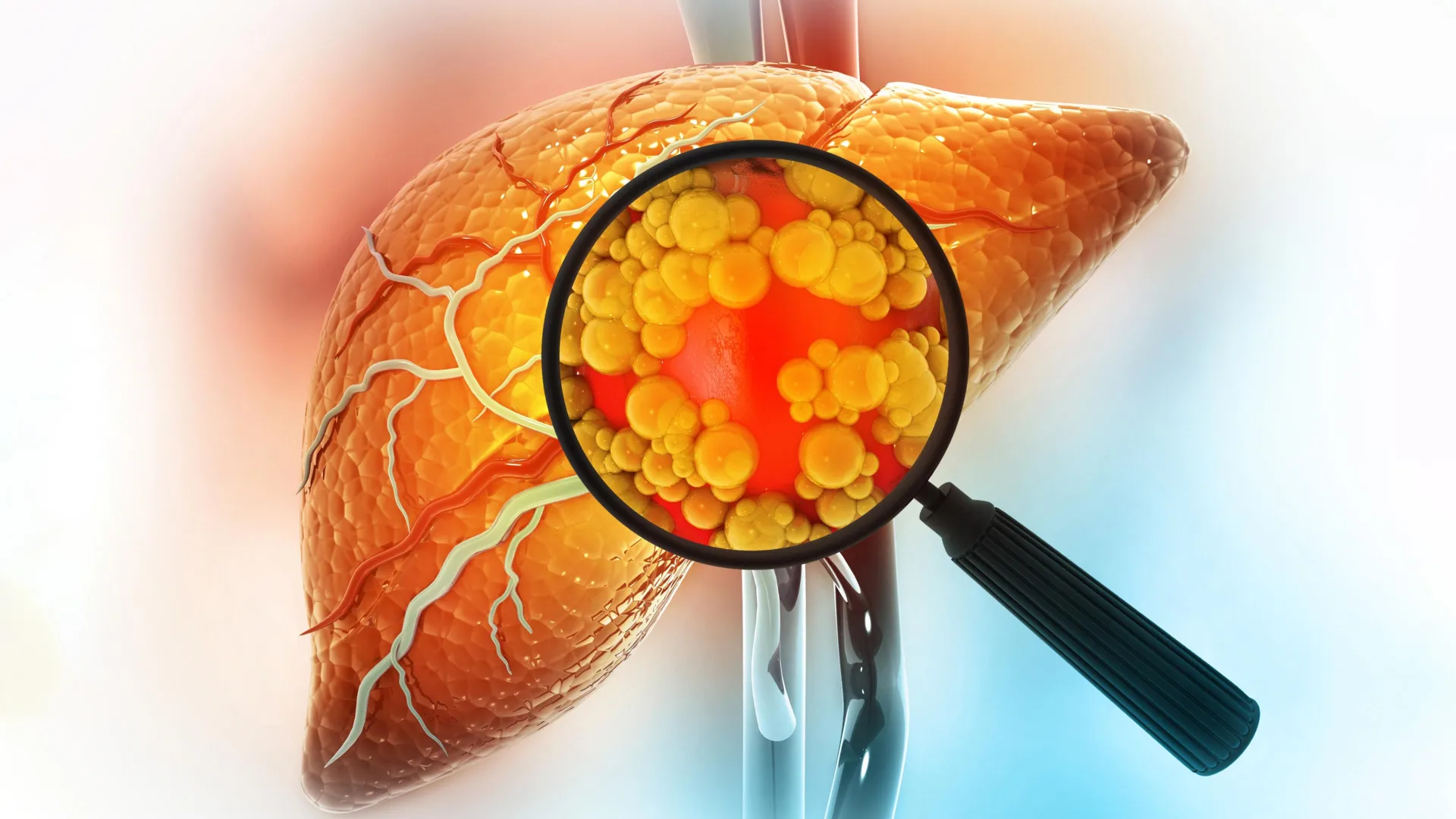
Low testosterone, a condition often overlooked or misdiagnosed, is increasingly recognized as a significant contributor to a spectrum of health problems in men, particularly those related to metabolic health. When combined with an unhealthy diet, rich in processed sugars and high-fructose components, these risks are amplified, potentially accelerating the onset and progression of serious conditions. One of the most pressing concerns globally is metabolic dysfunction-associated steatotic liver disease (MASLD), formerly known as non-alcoholic fatty liver disease (NAFLD). This silent epidemic affects an astonishing approximately 40% of adult men worldwide, posing a substantial and escalating burden on healthcare systems and individual well-being. Understanding the intricate interplay of hormonal imbalances, dietary choices, and even the microscopic inhabitants of our gut is becoming crucial in combating this pervasive disease.
MASLD: A Silent Epidemic with Far-Reaching Consequences
MASLD is characterized by the accumulation of excess fat in the liver cells, a condition known as hepatic steatosis. While some fat in the liver is normal, excessive build-up can lead to inflammation and liver cell damage, progressing to more severe forms such as metabolic dysfunction-associated steatohepatitis (MASH), formerly NASH. MASH, in turn, can advance to fibrosis, cirrhosis, liver failure, and even hepatocellular carcinoma (liver cancer), necessitating liver transplantation in severe cases. The global prevalence of MASLD is alarming, estimated to affect nearly a quarter of the world’s population, with men often exhibiting higher rates and more rapid progression than women. This disease is intimately linked to the broader spectrum of metabolic syndrome, including obesity, type 2 diabetes, insulin resistance, dyslipidemia (abnormal cholesterol levels), and hypertension. These conditions are not isolated but rather interconnected, forming a complex web where each factor can exacerbate the others, creating a fertile ground for MASLD to take root and flourish. The shift in nomenclature from NAFLD to MASLD in 2023 underscored the critical role of metabolic dysfunction in its pathogenesis, moving away from simply excluding alcohol as a cause to actively highlighting its underlying metabolic drivers.
The Multifaceted Role of Testosterone in Male Metabolism
Testosterone, the primary male sex hormone, is much more than just a driver of libido and muscle mass. It plays a pivotal role in numerous physiological processes throughout the male body, including bone density, red blood cell production, mood regulation, and critically, metabolic health. Optimal testosterone levels are associated with a healthier metabolic profile, while low testosterone, or hypogonadism, is frequently observed in men with obesity, type 2 diabetes, and cardiovascular disease. Studies have consistently shown an inverse relationship between testosterone levels and insulin resistance, visceral fat accumulation (the dangerous fat around organs), and dyslipidemia. Testosterone is believed to exert its metabolic effects by influencing adipocyte (fat cell) differentiation, promoting lean muscle mass, improving insulin sensitivity in various tissues, and regulating inflammatory pathways. Therefore, a decline in testosterone, whether due to aging, chronic illness, or lifestyle factors, can disrupt this delicate metabolic balance, making the body more susceptible to fat accumulation, particularly in the liver. The prevalence of hypogonadism increases with age and is particularly high in men with metabolic syndrome, affecting up to 50% of those with type 2 diabetes. This close association has led researchers to investigate whether low testosterone is merely a marker of poor health or an active contributor to metabolic dysfunction, including MASLD.
Fructose: The Sweet Deceiver and Its Hepatic Burden
While all sugars can contribute to excess calorie intake, fructose stands out due to its unique metabolic pathway. Unlike glucose, which can be metabolized by almost every cell in the body and requires insulin for cellular uptake, fructose is predominantly metabolized in the liver. When consumed in excess, particularly from added sugars like high-fructose corn syrup (HFCS) found in sugary drinks, processed foods, and desserts, the liver becomes overwhelmed. This rapid influx of fructose bypasses key regulatory steps, directly fueling de novo lipogenesis – the process of converting carbohydrates into fat. This leads to increased production of triglycerides, which are then either stored in the liver, contributing to steatosis, or packaged into very-low-density lipoproteins (VLDLs) and released into the bloodstream, raising blood triglyceride levels. Furthermore, excessive fructose consumption can lead to increased uric acid production, insulin resistance, and inflammation, all of which are detrimental to liver health and contribute to the progression of MASLD. The average Western diet, heavily reliant on processed foods, often contains alarmingly high levels of added fructose, making it a significant dietary driver of the MASLD epidemic.
Unraveling the Interplay: The Kyoto University Study
Despite the known associations between low testosterone, high fructose intake, and MASLD, scientists have long grappled with fully understanding how these factors interact. Do their combined effects merely add up, or do they synergize, producing a more potent and dangerous outcome? To shed light on this critical question, a dedicated research team from the Graduate School of Agriculture at Kyoto University, spearheaded by graduate student Hiroki Takahashi and Associate Professor Naoki Harada, embarked on a comprehensive investigation. Their study aimed to precisely delineate how reduced testosterone levels, coupled with high dietary fructose, influenced liver health and metabolic pathways.
The researchers employed a meticulously designed animal model using eight-week-old male mice, a common and effective approach for studying human metabolic diseases. These mice were strategically divided into six experimental groups to isolate and examine the specific contributions and interactions of the variables:
- Sham/Control: Underwent a sham operation (control for surgical stress) and received a standard diet.
- Sham/Fructose: Underwent a sham operation and received a high-fructose diet.
- Sham/Fructose + Antibiotics: Underwent a sham operation, received a high-fructose diet, and were treated with broad-spectrum antibiotics to alter their gut microbiome.
- Castration/Control: Underwent castration (surgical removal of testes to induce low testosterone/hypogonadism) and received a standard diet.
- Castration/Fructose: Underwent castration and received a high-fructose diet.
- Castration/Fructose + Antibiotics: Underwent castration, received a high-fructose diet, and were treated with antibiotics.
This sophisticated experimental setup allowed the researchers to systematically evaluate the independent effects of low testosterone and fructose, as well as their combined impact and the potential modulating role of the gut microbiome. To obtain a holistic view of the animals’ health and metabolic status, the team performed a battery of analyses. These included detailed examinations of liver cells and tissues (histopathology for fat accumulation, inflammation markers), biochemical analyses of blood plasma (testosterone levels, liver enzymes, glucose, insulin, lipids), assessment of organic acids from the cecum (a part of the large intestine, providing insights into microbial metabolism), and comprehensive sequencing of gut bacteria samples (16S rRNA gene sequencing to identify changes in microbial composition and diversity).
A Dangerous Combination: Synergy in Liver Fat Accumulation
The results of the Kyoto University study provided compelling evidence of a synergistic interaction between low testosterone and high fructose intake. Mice subjected to both reduced testosterone levels (via castration) and a high-fructose diet developed significantly heavier livers compared to any other group. This increase in liver weight is a direct indicator of increased fat accumulation and overall liver burden. Importantly, this detrimental effect was partially mitigated in the group that also received antibiotics, strongly implicating the gut microbiome in the observed pathology.
When examined individually, neither low testosterone alone nor high fructose intake alone produced particularly dramatic changes in liver triglyceride levels, the primary form of fat stored in the liver. The individual effects were modest. However, the combination of these two factors proved to be remarkably potent. The researchers observed a disproportionate and much stronger effect when low testosterone and fructose were combined, leading to a substantial increase in fat accumulation and a marked worsening of fatty liver disease. This clearly demonstrated a synergistic relationship, where the combined impact was far greater than the sum of their individual effects.
Further molecular analyses revealed critical changes that offered clues to the underlying mechanisms. The researchers identified significant alterations in the composition of gut bacteria (dysbiosis), disrupted liver gene activity related to lipid metabolism, and notably, elevated levels of pyruvate in the cecum among mice exposed to both reduced testosterone and fructose. These findings collectively pointed towards the gut microbiome as a pivotal player in explaining why this particular combination of hormonal imbalance and dietary stress was so uniquely harmful to the liver.
The Pyruvate Pathway: A Hidden Mechanism Unveiled
The identification of altered gut bacteria and elevated cecal pyruvate prompted the researchers to delve deeper into the specific biological mechanisms. Through further elegant experiments, they pieced together a compelling explanation for the heightened liver fat accumulation.
As graduate student Hiroki Takahashi elucidated, "Upon examining this mechanism, we found that changes in the gut microbiota led to increased levels of pyruvate within the intestine. Furthermore, experiments using mouse-derived primary hepatocytes revealed that pyruvate acts synergistically with fructose to promote neutral lipid accumulation in hepatocytes." This statement summarizes a critical breakthrough.
In essence, the study revealed a fascinating three-way interaction:
- Low Testosterone and Fructose Drive Gut Dysbiosis: The combination of low testosterone and high fructose intake significantly altered the composition and metabolic activity of the gut bacteria. This dysbiosis likely favored the proliferation of certain bacterial species or metabolic pathways that produce more pyruvate.
- Increased Intestinal Pyruvate: These changes in the gut microbiome resulted in an elevated concentration of pyruvate within the intestine, specifically in the cecum. Pyruvate is a crucial metabolic intermediate, a crossroads molecule in energy metabolism.
- Pyruvate and Fructose Synergize in the Liver: To confirm the direct effect, the researchers conducted in vitro experiments using primary hepatocytes (isolated liver cells) derived from mice. These experiments demonstrated that pyruvate, when combined with fructose, acted synergistically to significantly promote the accumulation of neutral lipids (fats) within the liver cells. This means that pyruvate, produced in the gut due to altered microbiota, when reaching the liver alongside dietary fructose, creates a "perfect storm" for fat synthesis and storage. It essentially primes the liver cells to convert fructose into fat more efficiently.
This discovery highlights a novel pathway through which hormonal status, dietary components, and the gut microbiome intricately interact to influence liver health. It suggests that the gut-liver axis, a well-established communication pathway between the gut and the liver, is critically involved in the development and worsening of MASLD under these specific conditions.
Pioneering New Strategies for Prevention and Treatment
The profound implications of these findings extend beyond a deeper scientific understanding. Identifying this intricate relationship between testosterone, fructose, the gut microbiome, and pyruvate opens up exciting new avenues for developing innovative approaches to preventing and treating MASLD. The potential to target specific components of this pathway offers promising possibilities.
As Professor Harada emphasized, "Going forward, we hope to clarify the mechanism by which pyruvate promotes triglyceride accumulation to pioneer the development of therapeutic drugs and establishment of preventive methods through dietary interventions." This statement outlines a clear roadmap for future research and clinical applications.
Potential Therapeutic and Preventive Strategies:
- Targeting the Gut Microbiome: Modulating the gut microbiome through specific dietary interventions (e.g., prebiotics, probiotics), fecal microbiota transplantation, or targeted antibiotic therapies could reduce intestinal pyruvate production and thereby mitigate liver fat accumulation.
- Dietary Interventions Focused on Fructose Reduction: The study strongly reinforces the importance of significantly reducing excessive fructose intake, particularly from added sugars and processed foods, as a cornerstone of MASLD prevention and management.
- Modulating Pyruvate Metabolism: Identifying and developing pharmaceutical agents that can specifically inhibit the pathways through which pyruvate synergizes with fructose to promote lipid accumulation in the liver could offer a novel class of MASLD treatments. This might involve targeting specific enzymes involved in pyruvate metabolism or its transport.
- Hormonal Balance: For men with clinically low testosterone, addressing hypogonadism through appropriate medical interventions (e.g., testosterone replacement therapy) might be beneficial, though its direct impact on liver fat in this context requires further research and careful consideration of individual patient profiles and risks.
While the findings are derived from meticulously conducted experiments in mice and isolated mouse liver cells, their mechanistic clarity provides robust insights that are highly relevant to human physiology. The fundamental biological pathways of testosterone, fructose metabolism, gut microbiome function, and pyruvate’s role in energy metabolism are conserved across species, making these discoveries a significant step forward in our understanding of human MASLD. This research paves the way for future human studies, including observational cohorts and clinical trials, to validate these findings and translate them into actionable clinical strategies to combat the global epidemic of fatty liver disease.
The study, a testament to rigorous scientific inquiry, was published in the esteemed American Journal of Physiology-Endocrinology and Metabolism, contributing a crucial piece to the complex puzzle of metabolic health and liver disease. As the prevalence of MASLD continues to rise globally, understanding these intricate molecular and physiological interactions is paramount to developing effective interventions and improving the long-term health outcomes for millions of men worldwide.
