
 By admin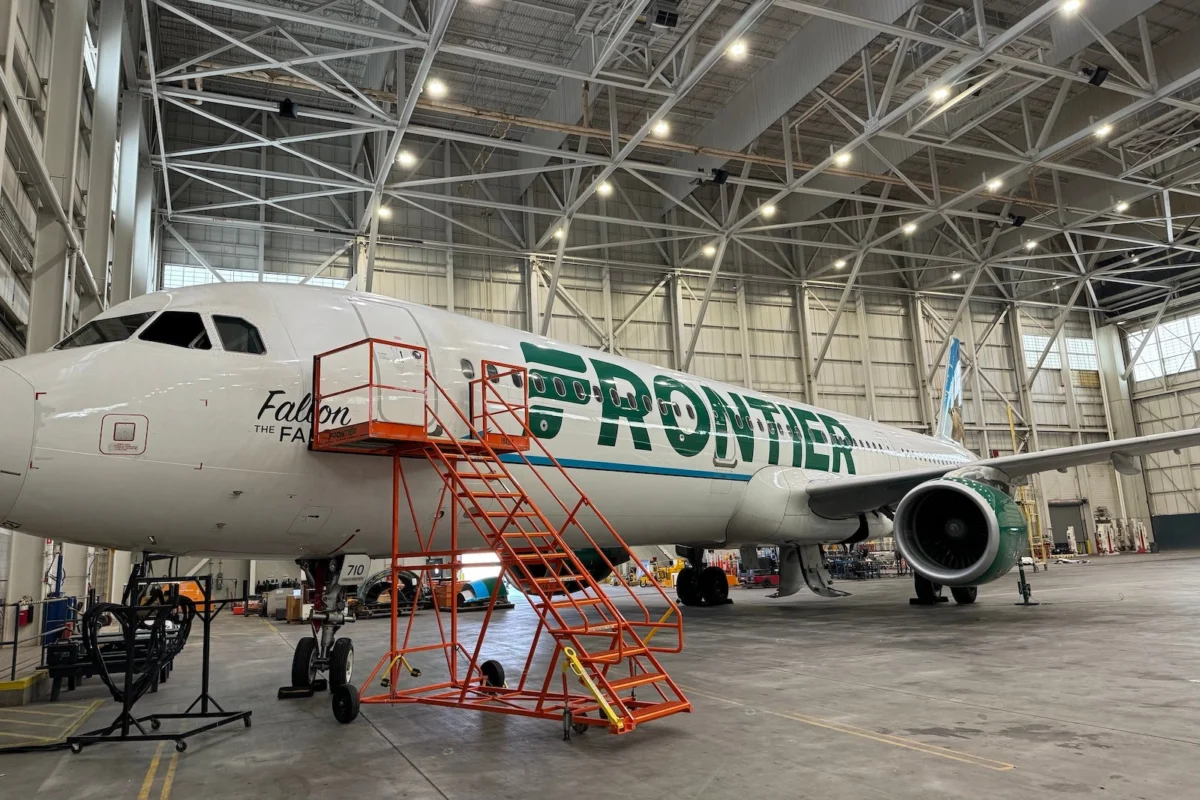
To understand the gravity of this change, one must first look at the current status quo. Under existing norms, the DOT has generally categorized maintenance-related delays and cancellations as "controllable." This classification is a critical legal lever; when a delay is deemed within an airline’s control, the carrier is under significant pressure—and in many cases, bound by its own published commitments—to provide "amenities." These typically include meal vouchers for delays exceeding three hours and hotel accommodations, plus ground transportation, for overnight stranding. By labeling maintenance as controllable, the government effectively held airlines accountable for the upkeep of their fleets. The logic was simple: if an airline’s plane isn’t fit to fly, that is a business failure of the airline, not an "act of God" like a thunderstorm or a blizzard.
This era of accountability is rapidly drawing to a close. Starting October 19, 2024, a new rule mandated by the 2024 Federal Aviation Administration (FAA) Reauthorization Act will go into effect. Under this new framework, "unexpected maintenance" that must be performed for safety reasons before a flight can depart will no longer be classified as a controllable event. This subtle linguistic shift has massive financial implications. By moving "unscheduled maintenance" into the same category as a lightning strike or an air traffic control outage, the government is essentially granting airlines a "get out of jail free" card regarding passenger care. If a hydraulic leak is discovered an hour before boarding, the airline can claim the delay was "uncontrollable" and safety-mandated, thereby potentially absolving itself of the requirement to provide a $200 hotel room or even a $15 sandwich voucher.
The genesis of this change is found in the halls of Congress rather than the boardrooms of the DOT. The 2024 FAA Reauthorization Act was a massive piece of legislation designed to fund the agency and modernize the nation’s aviation infrastructure. Ironically, the bill was initially hailed as a victory for consumers because it codified "automatic refunds" for significantly delayed or canceled flights. However, buried within the hundreds of pages of the act was Section 511b, a provision that redefines the causes of airline delays. This provision was the result of intense lobbying by the airline industry, which argued that the previous system unfairly penalized carriers for prioritizing safety. The industry’s stance is that if a mechanic finds a crack in a wing flap, the airline should be encouraged to fix it without the looming financial "penalty" of housing 180 passengers in a Marriott.
Critics and consumer advocacy groups, however, see it differently. They argue that this change creates a perverse incentive for airlines to under-invest in preventative maintenance. If an airline knows that a "break-fix" scenario mid-route will cost them nothing in passenger amenities, they may be less inclined to perform the rigorous, proactive maintenance that prevents such breakdowns in the first place. Furthermore, the DOT itself has been candid about the expected fallout. In its final rule documentation, the agency explicitly stated, "The number of delays and cancellations for which air carriers provide amenities and compensation to consumers is expected to be reduced." This is a rare admission from a regulatory body that a new policy will directly result in a worse experience for the public.
The reclassification doesn’t stop at maintenance. The new rule expands the "uncontrollable" umbrella to include several other scenarios that were previously grey areas or considered the airline’s responsibility. For instance, disruptions caused by "unruly passengers" will now be officially uncontrollable. While it is true that an airline cannot predict a passenger’s mid-air outburst, critics argue that the airline is the only entity with the power to vet passengers and manage cabin security; shifting the cost of such delays to the other 100+ innocent passengers on board feels like a collective punishment. Additionally, events such as a passenger death on board, which necessitates a grounding and deep cleaning, or cyberattacks against airline systems, will be categorized as uncontrollable. In the case of cyberattacks, the airline is only held responsible if it is found to have been in violation of federal cybersecurity regulations at the time of the breach. This adds a layer of investigative complexity that a stranded passenger at 11:00 PM is unlikely to be able to navigate.
The economic impact on the average traveler could be staggering. Consider a family of four flying from Chicago to Orlando. If their plane suffers an "unexpected" engine sensor failure and the flight is canceled until the following morning, they are now potentially responsible for finding their own hotel (averaging $150-$250 in major hub cities), paying for two meals each ($100-$150), and securing an Uber or taxi to and from the airport ($60). A single "uncontrollable" maintenance delay could easily cost a middle-class family an additional $500—money that was likely intended for their actual vacation. For many, this represents a significant portion of their travel budget, and for some, it could mean the difference between taking a trip and staying home.
It is also important to note the political backdrop of these changes. While the 2024 FAA Act was signed by President Joe Biden, the specific implementation of these rules has spanned administrations. There is a palpable tension between the Biden administration’s public-facing "war on junk fees" and the reality of this congressionally mandated rollback of protections. Earlier in 2023, the administration had actually proposed a rule that would have required airlines to provide cash compensation—not just vouchers—for controllable delays, similar to the "EU261" rules in Europe. However, that proposal was effectively neutralized by the language in the 2024 FAA Act. Now, instead of moving toward the European model of high passenger protection, the United States is moving in the opposite direction, widening the gap between the rights of a traveler in London and a traveler in New York.
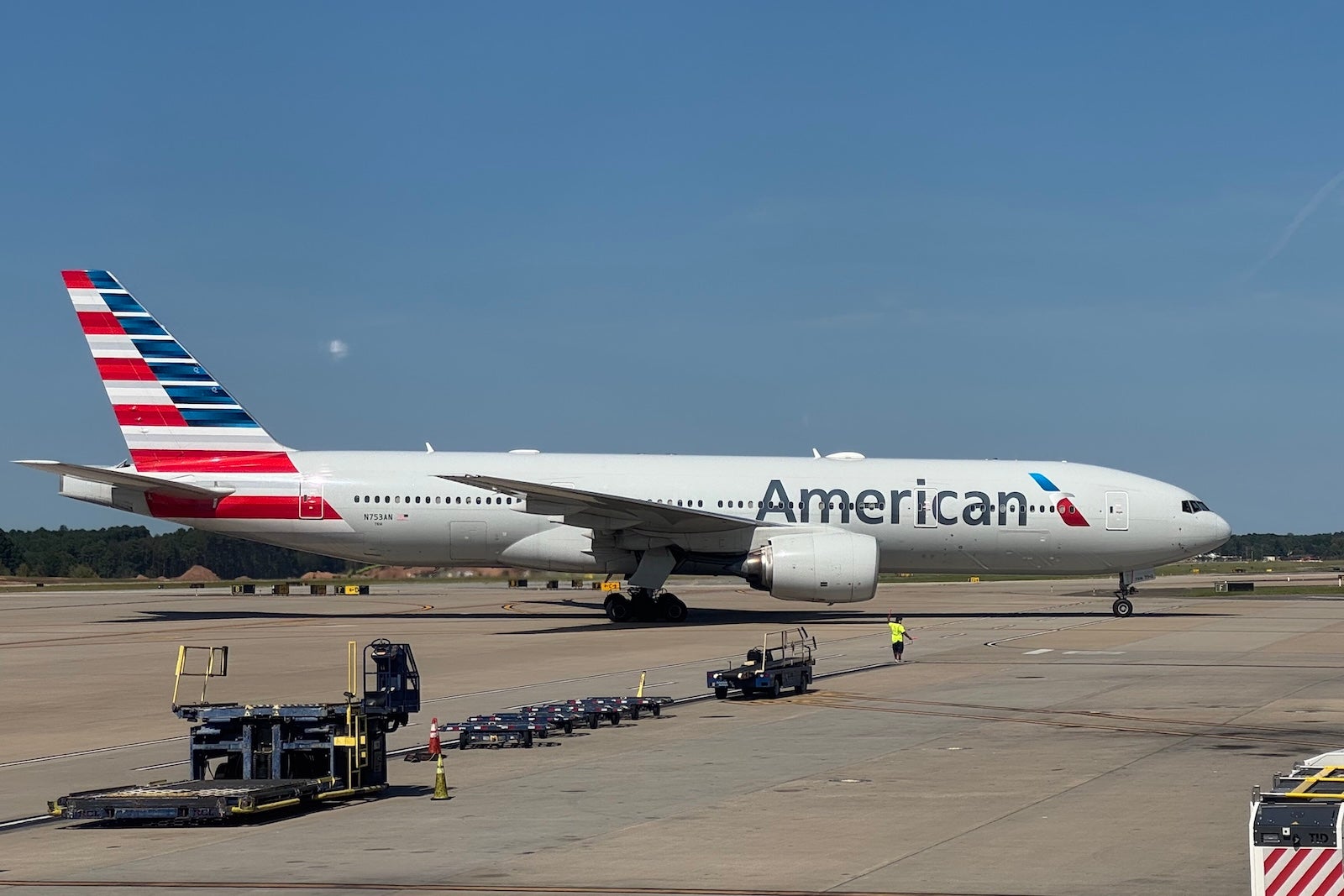
So, what remains for the passenger? The DOT has clarified that airlines are not off the hook for all maintenance. "Routine" or "scheduled" maintenance disruptions that occur because an airline failed to manage its hangar schedule properly will still be considered controllable. However, the burden of proof will largely fall on the passenger to discover why their flight was delayed. When an agent at the gate says, "It’s a mechanical issue," the passenger will now have to ask, "Was it scheduled or unscheduled?"—a question most gate agents are neither equipped nor authorized to answer accurately.
The airline industry maintains that this change will actually benefit consumers by improving data transparency. By more accurately labeling the causes of delays, the DOT’s Bureau of Transportation Statistics will be able to provide a clearer picture of why the American aviation system is struggling. If the data shows a massive spike in "uncontrollable maintenance," it could lead to deeper FAA investigations into specific aircraft types or carrier practices. But for the traveler currently sleeping on a terminal floor, "better data" is a cold comfort.
In this new era, the "self-help" model of travel is becoming the only viable strategy. Travel experts now universally recommend three primary lines of defense. First is the use of premium credit cards. High-end cards like the Chase Sapphire Reserve, the American Express Platinum, or the Capital One Venture X offer built-in "Trip Delay Reimbursement." These policies often kick in after a 6-to-12-hour delay and cover exactly what the airlines are now shying away from: hotels, meals, and essentials. However, these benefits are only available if the entire trip was charged to that specific card.
Second is the purchase of third-party travel insurance. For major international trips or expensive family vacations, a standalone policy from providers like Allianz or Travel Guard is becoming a necessity rather than an elective. These policies often have broader definitions of "covered reasons" than the narrow definitions now used by the DOT. Third is the meticulous collection of evidence. If a flight is delayed, passengers should take photos of departure boards, save every email and text notification from the airline, and ask gate agents for a "military excuse" or a written statement of the delay cause. Even if the airline refuses a voucher on the spot, this documentation is essential for insurance claims or future complaints to the DOT.
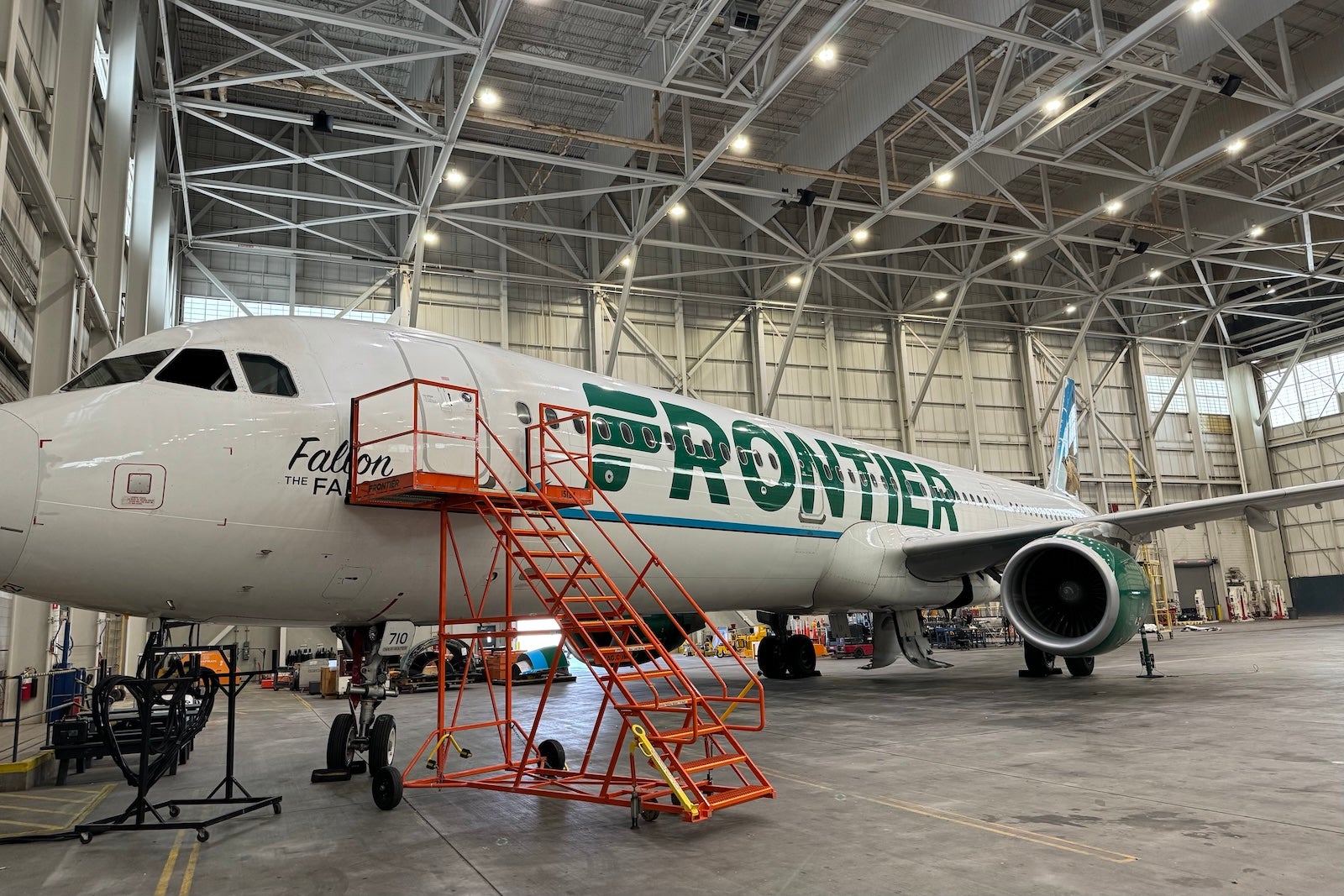
Ultimately, the finalization of this rule marks a pivot toward a "buyer beware" aviation market. While the 2024 FAA Reauthorization Act brought much-needed funding to our airports and air traffic control towers, the cost of that progress appears to be a further thinning of the safety net for the individual traveler. As October 19 approaches, the message from Washington to the flying public is clear: you are increasingly on your own. The next time the pilot announces a "minor mechanical issue," the first thing you should reach for isn’t your luggage—it’s your credit card’s benefits guide.
