
 By Lina Irawan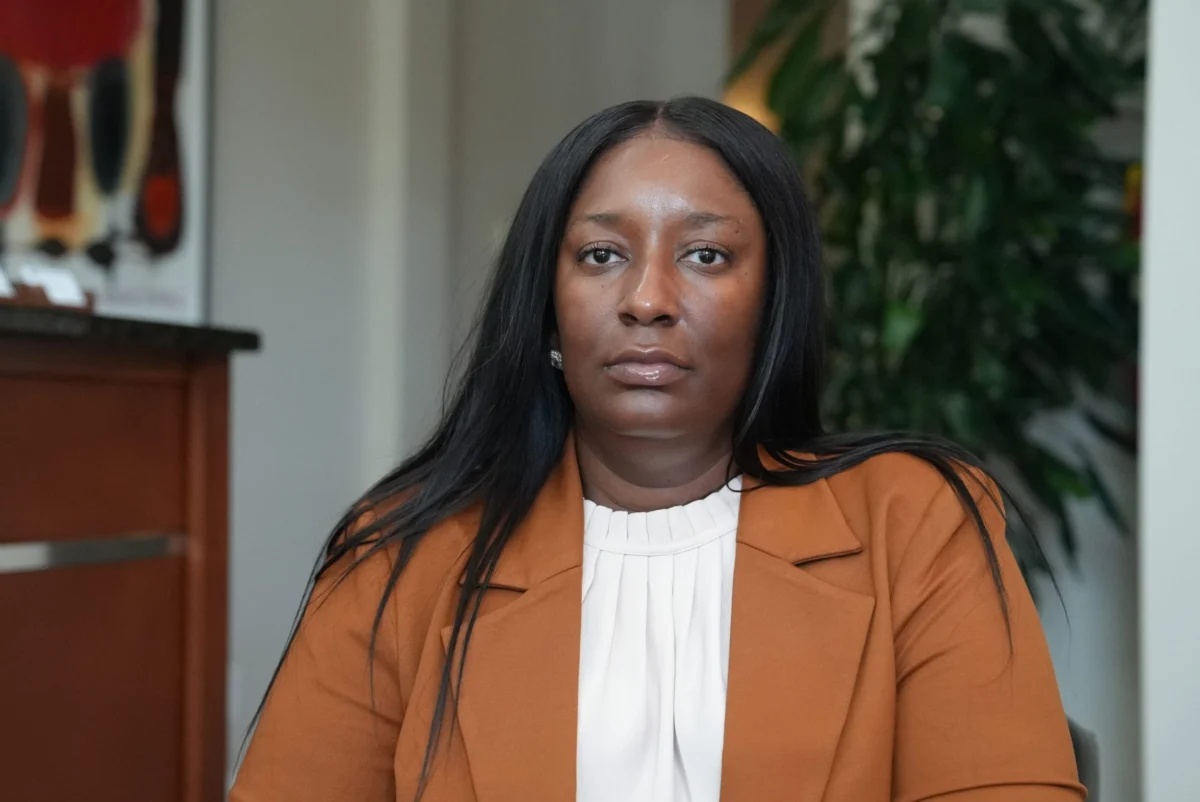
According to the legal complaint, the catastrophic mix-up originated when a tissue sample from another patient was mistakenly labeled as belonging to Barksdale. This egregious error set in motion a chain of events that culminated in Barksdale undergoing a full hysterectomy on May 15, 2025. Following the invasive surgery, she was then prepared for the arduous journey of chemotherapy, a prospect that cast a long, dark shadow over her life and the lives of her two sons. The precise mechanism by which the samples were interchanged remains officially unclear, though such incidents often point to lapses in crucial specimen handling protocols within clinical or laboratory environments.
The truth, stark and painful, emerged months later. In September 2025, Barksdale was informed that a DNA analysis had definitively revealed the tissue sample, which had indicated an aggressive form of endometrial uterine cancer, did not belong to her. The revelation shattered her world once again, replacing the terror of a terminal illness with the crushing weight of having undergone a major, life-altering surgery that was entirely unwarranted.
"She came into Kaiser Permanente looking for answers, and she left with a diagnosis that did not belong to her. And every step that was taken after that was based off of misinformation," stated Shannan Young, Barksdale’s attorney, underscoring the profound breach of trust and the cascading failures that stemmed from the initial mislabeling. Young highlighted the fundamental principle of patient care, where accurate information is the bedrock of all subsequent medical decisions, a foundation that tragically crumbled in Barksdale’s case.
Barksdale’s medical journey with Kaiser Permanente Southwood Medical Center in Jonesboro, Georgia, began in early 2025. She initially sought treatment for common gynecological issues: heavy bleeding and fibroids. Fibroids are benign, noncancerous growths that develop in or around the uterus and are a common reason for women to seek medical attention for menstrual irregularities. As part of her diagnostic workup, a biopsy was performed on March 10, 2025. Just a week later, on March 17, 2025, Barksdale received the devastating biopsy results, which wrongly indicated aggressive endometrial uterine cancer.
For months, Barksdale lived under the terrifying specter of a terminal cancer diagnosis. The psychological toll was immense, plunging her and her sons into a deep depression. The prospect of her own mortality forced her to confront unimaginable scenarios, including making final arrangements. "I even started making funeral plans with them to let them know, you know, if I don’t make it out, this is what I want done," Barksdale recounted, illustrating the profound emotional trauma and the desperate measures she undertook to prepare her family for a future she believed was rapidly dwindling. This period of intense grief and anxiety, fueled by false information, represents a significant component of the suffering outlined in her lawsuit.
Endometrial cancer, or uterine cancer, is the most common cancer of the female reproductive organs. It typically affects post-menopausal women, though it can occur at any age. Symptoms often include abnormal vaginal bleeding, which aligned with Barksdale’s initial complaints. Diagnosis typically involves a biopsy, where tissue samples are examined by a pathologist for cancerous cells. An "aggressive form" would typically prompt immediate and decisive treatment, often involving a total hysterectomy – the surgical removal of the uterus, and sometimes the cervix, ovaries, and fallopian tubes – followed by adjunctive therapies like chemotherapy or radiation to prevent recurrence. For a 43-year-old woman, a hysterectomy is a life-altering procedure, ending her ability to bear children and potentially triggering early menopause with its associated hormonal changes, bone density issues, and other long-term health implications, even when medically necessary. In Barksdale’s case, these profound consequences were entirely avoidable.
Kaiser Permanente, in response to the lawsuit, issued a statement acknowledging the gravity of the situation. "Ms. Barksdale should not have experienced this," their representatives wrote, a concession of error. The statement further asserted, "We have highly trained staff and very thorough processes in place to prevent errors like this from taking place. After this occurred last year, we took immediate steps to ensure it could not happen again. We realize the impact of this incident and are committed to working with Ms. Barksdale and her counsel to resolve this in the most fair and accountable way we can." While acknowledging the error and promising corrective action, the statement highlights the inherent tension between established protocols and the reality of human or systemic failure. The phrase "immediate steps to ensure it could not happen again" suggests an internal investigation likely uncovered specific vulnerabilities in their existing processes.
A crucial, yet tragic, element of this case remains shrouded in medical privacy laws: the fate of the other patient whose tissue sample was mislabeled. Information regarding her identity, her actual diagnosis, whether she received the correct cancer treatment, or if her treatment was delayed due to the swap, is not publicly available. This raises significant ethical and patient safety concerns, as a mislabeled sample not only harmed Barksdale but also potentially deprived another individual of timely and appropriate medical care, possibly with dire consequences.
The prevalence of pathology sample mislabeling or mix-ups during medical testing is a critical, though often underreported, issue in healthcare. While exact figures are difficult to ascertain due partly to variations in reporting and detection, studies and anecdotal evidence suggest it is not an isolated phenomenon. For instance, an Ohio woman filed a similar lawsuit, alleging a 2019 biopsy error led to a misdiagnosis of lung cancer and subsequent unnecessary surgery. Research specifically studying prostate cancer, as detailed in a 2011 paper, uncovered three cases of biopsy sample misidentification over just two years in a single institution, indicating that such errors, while rare, do occur and carry severe implications. These errors can stem from various points in the diagnostic chain: patient identification during specimen collection, labeling at the point of care, transport to the lab, processing within the lab, or even transcription errors.
Medical malpractice cases hinge on proving negligence, where a healthcare provider fails to meet the accepted standard of care, directly causing harm to a patient. In Barksdale’s case, the alleged mislabeling of a critical tissue sample clearly falls under a breach of the standard of care for specimen handling. Pathology labs, the backbone of definitive diagnoses, are expected to adhere to stringent protocols to ensure specimen integrity and accurate identification. Best practices for preventing such errors include rigorous patient identification at the point of collection, double-checking labels by multiple staff members, the implementation of sophisticated barcode systems for tracking specimens from collection to analysis, and advanced laboratory information systems (LIS) that cross-reference patient data. Point-of-care testing, where some analyses are performed at the patient’s bedside, aims to reduce transport-related errors, but comprehensive lab processing still requires meticulous attention to detail.
The lawsuit filed by Barksdale seeks unspecified damages. In medical malpractice litigation, damages can encompass a wide range of losses, both economic and non-economic. Economic damages would include past and future medical expenses related to the unnecessary surgery and subsequent care, lost wages due to recovery, and any future loss of earning capacity. Non-economic damages are often far more substantial in cases like this, covering the profound pain and suffering, emotional distress, mental anguish, loss of enjoyment of life, and the permanent physical alterations resulting from the hysterectomy. In cases of gross negligence, punitive damages might also be sought to punish the defendant and deter similar conduct in the future.
"There’s no amount of money that’s going to return back to her, her healthy organs, or erase the experiences and the pain that she’s had. But our justice system recognizes that when somebody’s negligence harms another person, accountability requires more than ‘I’m sorry’," attorney Shannan Young emphasized, articulating the core principle behind the lawsuit. While no financial award can undo the physical and emotional scars, the legal system provides a mechanism for acknowledging the harm, holding negligent parties accountable, and providing a measure of justice for the profound wrongs committed.
This case serves as a stark reminder of the critical importance of robust patient safety protocols and the devastating consequences when those protocols fail. It underscores the need for continuous vigilance in medical settings, particularly in the handling of diagnostic specimens, where a single error can trigger a cascade of misinformed decisions with life-altering repercussions. As Barksdale seeks justice, her case will undoubtedly draw attention to the broader systemic challenges in healthcare and the unwavering demand for absolute precision in patient care.
Chandler reported from Montgomery, Alabama.
