
 By admin
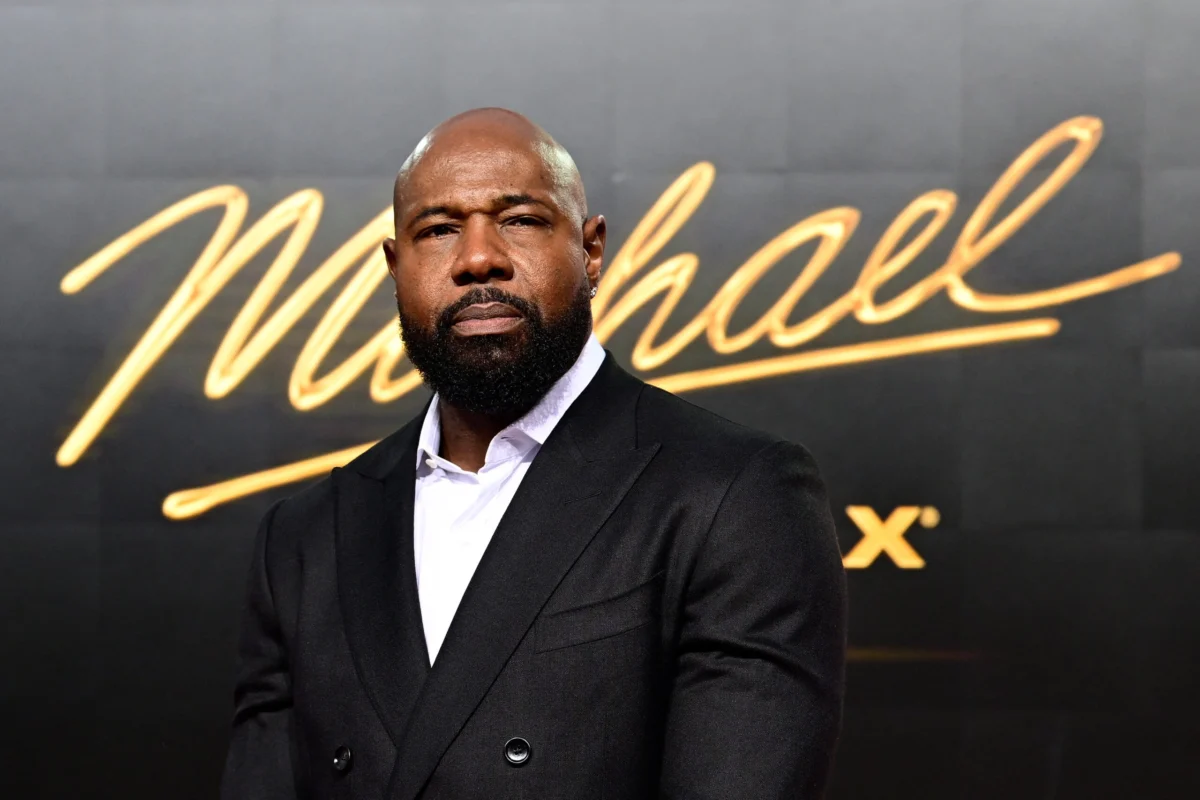
A disturbing civil lawsuit filed in the Los Angeles Superior Court on Friday details grave accusations against renowned film director Antoine Fuqua, best known for his work on the critically acclaimed film "Michael." William Rosenthal, an assistant manager at the popular Los Angeles establishment, Good Times at Davey Wayne’s, has lodged a comprehensive 10-page claim alleging assault, battery, and intentional infliction of emotional distress stemming from an altercation that transpired in February. The lawsuit paints a harrowing picture of an incident where Fuqua, his son Brando, and daughter were reportedly denied entry due to visible intoxication, leading to a volatile confrontation that escalated to the alleged use of a firearm and physical violence against Rosenthal.
The genesis of the legal action, as outlined in the complaint, began when Rosenthal, performing his duties as an assistant manager, had to refuse entry to Antoine Fuqua, his son Brando, and his daughter. The reason cited for this denial was their apparent state of "visibly overly intoxicated." This initial point of contention quickly spiraled into a more severe conflict. According to the lawsuit, a member of Fuqua’s group then proceeded to spit on Rosenthal. This act of disrespect and aggression prompted Rosenthal to insist that the entire group leave the premises.
The situation took a dramatic and alarming turn approximately an hour later. The complaint states that Antoine Fuqua confronted Rosenthal, falsely accusing him of pepper-spraying his daughter. When Rosenthal vehemently denied this allegation, the situation allegedly escalated to a terrifying degree. The lawsuit claims that Antoine Fuqua then "pulled out a handgun" and proceeded to "strike" Rosenthal in the face. The alleged physical assault was reportedly accompanied by a barrage of verbal abuse, with Fuqua accused of directing "a racial and antisemitic slur" at Rosenthal and issuing a chilling "threat to kill him."
The complaint further details the terrifying moments that followed the alleged assault by Antoine Fuqua. As Rosenthal reeled from the impact and pain, Brando Fuqua, Antoine’s son, reportedly emerged and advanced towards the assistant manager. The lawsuit alleges that Brando Fuqua "forcefully swung a handgun at Plaintiff’s face." This alleged act of aggression by the son compounded the fear experienced by Rosenthal. The complaint dramatically states, "Defendants Antoine Fuqua and Brandon Fuqua then pointed their handguns at Plaintiff, placing him in imminent fear for his life, before fleeing down the street." This description evokes a scene of extreme violence and terror, suggesting a coordinated and menacing threat against Rosenthal.
The consequences of this alleged incident have been severe and far-reaching for William Rosenthal. The civil claim details that he is seeking $50,000 in damages to compensate for the "serious physical and psychological injuries" he sustained. These injuries are reported to be extensive and include a fractured nose, a head injury, skin lacerations, and the development of post-traumatic stress disorder. Furthermore, Rosenthal is reportedly suffering from "severe emotional distress" and "severe scarring," all of which continue to inflict upon him "great physical and mental pain and suffering." The lawsuit explicitly notes Rosenthal’s belief that these injuries "will result in some permanent disability," underscoring the lasting impact of the alleged assault.
This lawsuit brings to the forefront serious allegations against a prominent figure in Hollywood, raising questions about conduct and accountability. Antoine Fuqua, a director with a substantial body of work in action films and dramas, has helmed projects such as "Training Day," "The Equalizer" franchise, and the recent biographical drama "Michael," which is currently in production. His directorial style is often characterized by intense action sequences and explorations of moral complexities, making these accusations particularly striking given his professional persona.
The claims of assault, battery, and intentional infliction of emotional distress are significant legal and ethical concerns. Assault refers to an act that creates a reasonable apprehension of imminent harmful or offensive contact. Battery, on the other hand, involves the actual harmful or offensive touching of another person without their consent. Intentional infliction of emotional distress is a tort that allows individuals to recover damages for severe emotional distress caused by another person’s extreme and outrageous conduct. The allegations in the lawsuit, if proven, would constitute serious violations of these legal principles.
The inclusion of racial and antisemitic slurs in the complaint adds another disturbing layer to the allegations. Such language, if uttered, points to a deeper level of animosity and prejudice, potentially exacerbating the emotional distress experienced by Rosenthal. The alleged threat to kill further amplifies the severity of the situation, placing Rosenthal in a state of imminent fear for his life.
The role of Brando Fuqua in the alleged incident, as described in the lawsuit, suggests a potential for complicity or direct involvement in the assault. The allegation that he also brandished a handgun and swung it at Rosenthal indicates that the confrontation may have involved multiple individuals acting in a threatening manner.
The legal process that follows such a lawsuit will involve thorough investigation, evidence gathering, and potentially a trial. The civil claim seeks financial compensation for damages, but it also serves to bring the alleged actions to public attention and to hold the defendants accountable. The outcome of this case could have significant implications for Antoine Fuqua’s reputation and career, as well as for the individuals involved.
The background context of the establishment, Good Times at Davey Wayne’s, being a bar, suggests that alcohol consumption was a factor in the initial denial of entry. However, the lawsuit’s narrative pivots from a refusal of service based on intoxication to a violent confrontation involving alleged assault with a weapon and hate speech. This escalation, if substantiated, raises questions about the response of the Fuqua party to being denied entry and the subsequent actions taken.
Expert perspectives on such cases often highlight the importance of de-escalation in situations involving potential conflict. Security personnel and establishment managers are typically trained in protocols to handle intoxicated patrons and to ensure the safety of both staff and other customers. The lawsuit implies a breakdown in these protocols, leading to a far more dangerous and damaging outcome.
Furthermore, the allegations of racial and antisemitic slurs are particularly concerning in today’s social climate. Such language is widely condemned and can have a profound impact on individuals and communities. The legal system often takes a strong stance against hate speech when it is linked to other criminal or tortious acts.
The narrative presented in the complaint suggests a pattern of escalating aggression. The initial refusal of entry, the spitting incident, the false accusation of pepper-spraying, the alleged assault with a handgun, the verbal abuse, and the death threat collectively form a disturbing sequence of events. The flight of the Fuqua party from the scene further suggests an attempt to evade responsibility for their actions.
As this civil lawsuit proceeds, it will be crucial to examine all available evidence and hear testimony from all parties involved. The legal system is designed to ascertain the truth and to deliver justice. The allegations against Antoine Fuqua are serious, and the outcome of this case will depend on the ability of the plaintiff to prove his claims in court. The lawsuit represents a significant legal challenge for the acclaimed director, and its resolution will undoubtedly be closely watched within Hollywood and beyond. The pursuit of $50,000 in damages underscores the tangible harm and suffering that William Rosenthal claims to have endured, painting a vivid picture of a night that transformed from a simple denial of entry into a terrifying ordeal. The long-term implications for Antoine Fuqua’s career and public image remain to be seen as the legal proceedings unfold.
