
 By admin
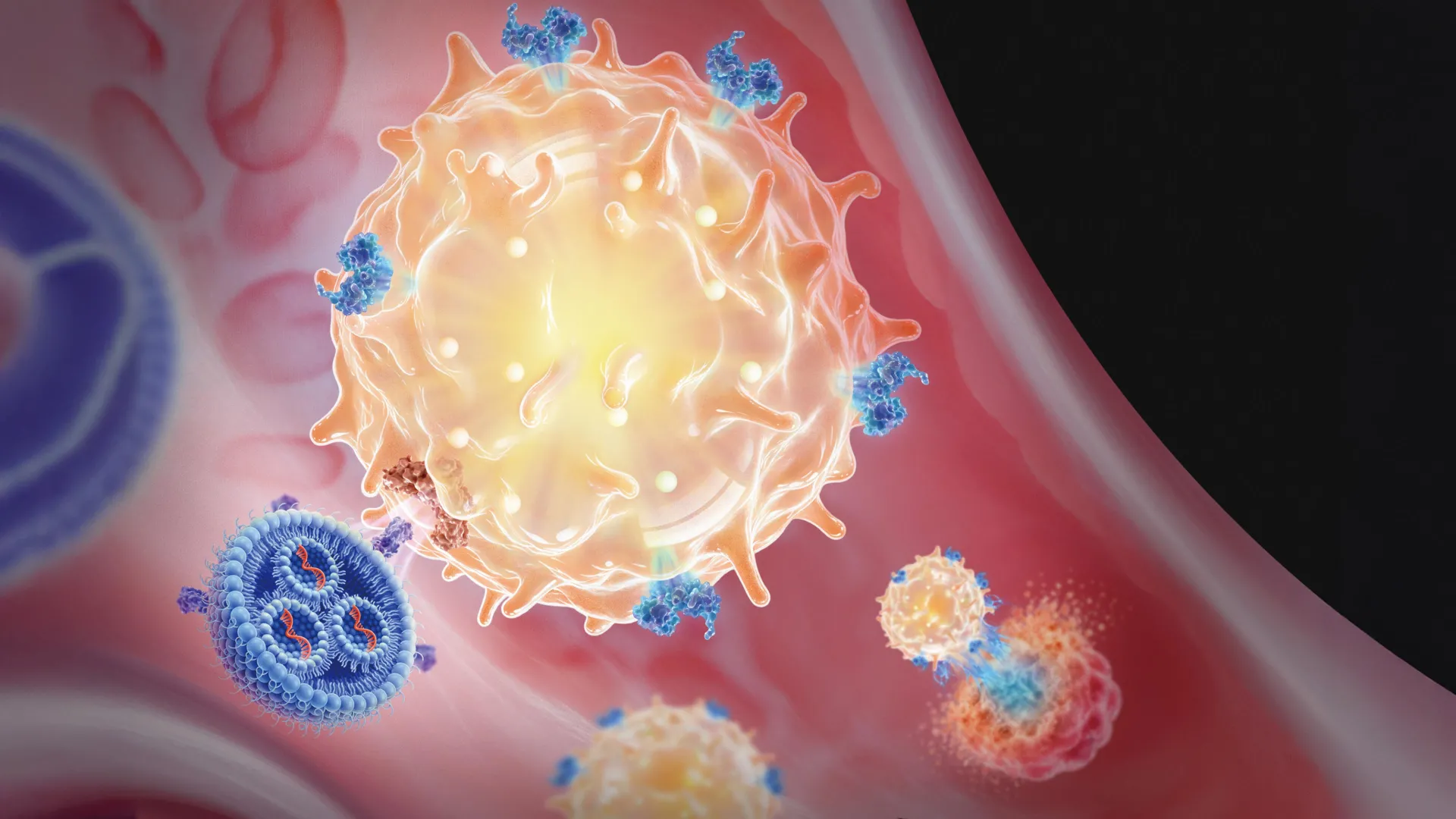
The method focuses on natural killer (NK) cells, a vital component of the innate immune system renowned for their rapid response capabilities. These immune cells possess an inherent ability to identify and destroy abnormal cells, including those infected by viruses or transformed into cancer. The MIT team’s innovation lies in their capacity to engineer these natural killer cells directly within the body, programming them to recognize and eliminate specific harmful targets. These targets include cancerous T cells, as seen in certain lymphomas, and autoreactive T cells that mistakenly attack healthy tissue, contributing to debilitating conditions such as autoimmune hepatitis and potentially a spectrum of other autoimmune disorders.
Unlike existing cell therapies that necessitate the laborious extraction, genetic modification, and reinfusion of immune cells in a specialized laboratory setting—a process known as "ex vivo" engineering—this new technique leverages tiny particles made of fatty molecules, known as lipid nanoparticles (LNPs), to deliver genetic instructions directly to NK cells inside the patient. These instructions, carried by messenger RNA (mRNA), act as blueprints, guiding the NK cells to produce specialized chimeric antigen receptors (CARs) on their surface. These CARs are custom-designed proteins that empower the NK cells with enhanced precision, enabling them to identify and selectively eliminate diseased T cells while sparing healthy tissues.
The resulting cells, now transformed into highly specific CAR NK cells, hold immense therapeutic potential against a broad spectrum of diseases. By carrying out the intricate engineering process directly within the body, this novel approach could fundamentally eliminate much of the time, expense, and logistical complexity currently involved in manufacturing personalized immune cell therapies. This not only promises to accelerate treatment availability but also to significantly reduce the financial burden on healthcare systems and patients.
"The manufacturing challenges with CAR NK cells are significant. The idea here is you can deliver a nanoparticle that will modify your own NK cells with a CAR construct and teach them to attack tumor cells," explains Daniel Anderson, a distinguished professor in MIT’s Department of Chemical Engineering and a prominent member of MIT’s Koch Institute for Integrative Cancer Research and Institute for Medical Engineering and Science. His statement underscores the core innovation: bypassing the need for sophisticated bioreactors and specialized cleanroom facilities, which are major bottlenecks in current cell therapy production.
Anderson is the senior author of this pivotal research, which was recently published in the prestigious journal Nature Biotechnology. The lead authors contributing to this breakthrough are MIT postdoctoral researcher Yuang Chen and graduate students Julia Monkovic and Haseeb Mughal. Renowned scientist Robert Langer, MIT’s David H. Koch Institute Professor and a pioneer in drug delivery systems, also played a crucial role in the study, lending his expertise to the development of the nanoparticle technology.
Why Current Cancer Immunotherapies Are So Complex and Costly
The landscape of cancer treatment has been profoundly reshaped over the past decade by immune cell engineering, particularly with the advent of CAR T cell therapies. The U.S. Food and Drug Administration (FDA) has, to date, approved seven distinct cancer therapies that utilize genetically modified T cells, known as chimeric antigen receptor (CAR) T cells. These treatments have delivered unprecedented success rates for certain hematological malignancies, offering a lifeline to patients who had exhausted other options.
These groundbreaking treatments function by equipping a patient’s own T cells with specially designed synthetic receptors—the CARs. These receptors are engineered to recognize particular markers, or antigens, displayed on the surface of cancer cells. When an engineered T cell encounters its designated target, such as a protein associated with a specific type of cancer, the CAR binding triggers the T cell’s activation, prompting it to launch a targeted and potent attack against the cancer cell carrying that marker.
CAR T cell therapies have proven especially effective against blood cancers arising from B cells, including certain aggressive forms of leukemia (e.g., B-cell acute lymphoblastic leukemia), lymphoma (e.g., diffuse large B-cell lymphoma), and multiple myeloma. For many patients with these difficult-to-treat cancers, CAR T therapy has offered durable remissions, sometimes even cures, transforming prognoses that were once grim.
However, the preparation and administration of these highly personalized treatments involve several complicated, resource-intensive, and time-consuming steps. The process typically begins with apheresis, where doctors collect blood from the patient to harvest their T cells. This biological material is then meticulously transported to a specialized, often off-site, manufacturing facility. There, highly skilled technicians separate the T cells from other blood components, genetically modify them using viral vectors to produce the desired CARs, and then expand these engineered cells in massive numbers—sometimes billions—to achieve a therapeutic dose. The finished, cryopreserved cells must then be carefully transported back to the hospital, where they are thawed and infused into the patient. This entire "vein-to-vein" process can take several weeks, costs hundreds of thousands of dollars per patient, and is fraught with logistical hurdles, including strict cold chain requirements and limited manufacturing slots. This complexity severely restricts accessibility, making these therapies available only at specialized medical centers.
Natural Killer Cells Offer a Different Way to Fight Cancer and Autoimmunity
In recent years, scientists have increasingly turned their attention to natural killer (NK) cells as a powerful alternative for engineered immune cell therapies. One crucial advantage of NK cells is their innate ability to target and destroy a wider range of malignant cells, including those resistant to T cell attacks, and their potential to treat cancers and autoimmune conditions involving abnormal T cells. NK cells are part of the innate immune system, acting as rapid "first responders" that do not require prior sensitization to recognize and kill target cells.
Trying to use CAR T cells against diseased T cells, a common issue in T-cell lymphomas or certain autoimmune diseases, creates a major therapeutic problem known as "fratricide." Because both the engineered CAR T cells and their intended targets are T cells, the modified cells may recognize and destroy one another, leading to self-destruction and undermining the treatment’s efficacy. This inherent limitation has largely prevented the use of CAR T cell therapies for T-cell malignancies.
Natural killer cells, however, inherently avoid this complication because they are a fundamentally different type of immune cell (lymphocytes, but distinct from T and B cells). They can be programmed with CARs to attack harmful T cells—whether cancerous or autoreactive—without triggering the same problem of engineered cells killing each other. This distinction makes CAR NK cell therapy a uniquely promising avenue for treating T-cell-driven diseases.
"NK cells can treat these T cell malignancies—not only T cell cancer, but also T cell autoimmune diseases," affirms Yuang Chen, one of the study’s lead authors, highlighting the dual therapeutic potential of this approach.
While CAR NK cells circumvent the fratricide issue, producing them ex vivo still requires much of the specialized equipment, labor, and intensive processing associated with CAR T cell manufacturing. This bottleneck severely limits their widespread adoption. To overcome these limitations, the MIT team embarked on an ambitious quest to investigate whether NK cells could instead be engineered "in vivo," meaning directly inside the body.
"If a patient can just get an infusion of nanoparticles, it would dramatically simplify the process and reduce costs," Professor Anderson emphasizes. This simplification is not merely an incremental improvement; it represents a fundamental shift that could make these life-saving therapies accessible to a much broader patient population, potentially administered in community hospitals rather than just a handful of academic medical centers.
It is important to note that while researchers are actively developing CAR NK cell therapies for various cancers and autoimmune disorders, none have yet received FDA approval, underscoring the novelty and pioneering nature of the MIT team’s in vivo approach.
How mRNA Nanoparticles Reprogram Immune Cells In Vivo
The core of the MIT team’s innovation lies in their meticulously designed lipid nanoparticles (LNPs), which serve as sophisticated delivery vehicles for messenger RNA (mRNA). This mRNA carries the precise genetic instructions for producing a chimeric antigen receptor (CAR) that, once expressed on the NK cell surface, directs the modified immune cell toward a specific target antigen on diseased cells. The use of mRNA is critical here; unlike DNA-based gene therapies that risk permanent genomic integration, mRNA provides transient expression, enhancing safety by allowing the CAR expression to fade over time, thereby mitigating potential long-term off-target effects. This transient nature was a key factor in the rapid development of mRNA COVID-19 vaccines, familiarizing the public with this powerful technology.
A significant advantage of this technology is its adaptability. The genetic payload can be readily modified to recognize different proteins depending on the specific disease being treated. For instance, the researchers can provide mRNA instructions for a CAR that recognizes CD19, a well-known protein found on B cells (relevant for B-cell lymphomas), or CD3, a protein present on T cells, including those responsible for autoimmune attacks. This modularity allows for rapid customization of therapies for various indications.
To ensure that the nanoparticles reach the correct immune cells—specifically NK cells—the scientists ingeniously covered the surfaces of their LNPs with specialized antibody fragments. These fragments act as molecular homing devices, recognizing and attaching with high affinity to specific receptors found predominantly on NK cells. This targeted delivery mechanism is crucial, as it helps to concentrate the genetic instructions where they are needed, minimizing off-target modification of other cell types and maximizing the efficiency of NK cell reprogramming.
Once inside an NK cell, the delivered mRNA is translated by the cell’s own machinery, directing the production of the new chimeric antigen receptor. This newly synthesized CAR is then displayed on the NK cell’s surface, effectively giving the immune cell the ability to specifically recognize and launch an attack against its intended target, whether it be a cancer cell or an autoreactive T cell.
Following the successful design and validation of their LNP-mRNA system, the researchers rigorously tested whether this in vivo approach could efficiently reprogram NK cells and, critically, whether the resulting engineered cells could effectively combat cancer and autoimmune disease in preclinical mouse models.
Reprogrammed Immune Cells Eliminate Tumors in Mice
The initial experiments yielded profoundly encouraging results, demonstrating the high efficiency and therapeutic potential of the in vivo NK cell engineering platform. After injecting the tailored nanoparticles into mice, the researchers successfully modified approximately 80 percent of the NK cells they were targeting. This exceptionally high transfection efficiency is vital for achieving a robust therapeutic effect and highlights the precision of the LNP delivery system.
The team then moved to investigate the anti-tumor capabilities of these engineered cells. In mice afflicted with an aggressive form of melanoma—a notoriously difficult-to-treat skin cancer—three of the five animals treated with nanoparticles designed to direct NK cells against the cancer experienced complete remission. This outcome is highly significant, suggesting a potent and durable anti-tumor response achievable through in vivo reprogramming.
Further validating the approach, the researchers tested the technique against T cell lymphoma using humanized mice. These specialized animal models receive transfusions of human blood cells, temporarily giving them immune systems that share critical characteristics with those of humans, thereby offering a more relevant platform for evaluating human therapies. In this challenging model, the treatment produced substantial tumor destruction. After a regimen of five injections of the nanoparticles, the tumors were completely eliminated, showcasing the therapy’s ability to tackle T-cell specific malignancies without fratricide.
Crucially, these results were found to be comparable in efficacy to those achieved with CAR NK cells produced through the more traditional, complex, and costly ex vivo method—where NK cells are collected, modified outside the body, expanded, and then returned to the animals. This direct comparison provides compelling evidence that generating CAR NK cells directly inside the body could offer similar potent cancer-fighting capabilities while entirely bypassing the complicated, time-consuming, and resource-intensive manufacturing process required by conventional cell therapies.
A Single Injection Reverses Autoimmune Liver Damage
Beyond cancer, the researchers were keen to determine whether their cutting-edge technology could also provide a novel therapeutic strategy for autoimmune diseases, conditions in which the immune system mistakenly attacks and damages healthy tissues. They focused their attention on autoimmune hepatitis, a severe condition where abnormal, autoreactive T cells erroneously target and destroy hepatocytes, the main functional cells of the liver. Current treatments often involve broad immunosuppressants, which can have significant side effects and do not always lead to complete resolution.
By designing nanoparticles that specifically instruct NK cells to recognize and eliminate these harmful autoreactive T cells (e.g., via CD3 targeting), the scientists tested whether they could effectively interrupt and reverse the autoimmune response. The results were striking: the treatment successfully eliminated the autoreactive T cells in mice with the disease. Even more encouragingly, following the removal of these harmful immune cells, the animals’ damaged liver tissue showed remarkable signs of healing and regeneration, indicating not just disease control but a potential for functional recovery.
These profound improvements were observed after just a single nanoparticle injection, demonstrating the remarkable potency and efficiency of the approach and significantly expanding its potential beyond cancer treatment into the realm of autoimmune disorders.
"This study is an excellent example of the power of nano delivery systems and their ability to potentially treat cancer and other diseases," states Professor Robert Langer, underscoring the broad applicability and transformative potential of the LNP-mRNA platform.
A New Direction for Cancer and Autoimmune Treatments: Challenges and Future Outlook
The researchers firmly believe that reprogramming natural killer cells directly inside the body could eventually provide truly transformative new treatment options for a much wider range of conditions, extending far beyond the initial successes seen in melanoma, T-cell lymphoma, and autoimmune hepatitis. Among the additional diseases they hope to target are multiple sclerosis (MS) and rheumatoid arthritis (RA), both chronic autoimmune conditions driven by dysfunctional T cells that mistakenly attack nerve sheaths and joint tissues, respectively. The ability to precisely eliminate these errant T cell populations could offer a highly targeted and potentially curative approach, minimizing the systemic side effects associated with current broad immunosuppressive therapies.
While the findings from these preclinical studies in mice are undeniably promising and represent a significant scientific leap, it is crucial to acknowledge that further extensive research will be necessary to determine whether the technique is safe, well-tolerated, and effective in human patients. Translating these results from mouse models to humans involves navigating complex physiological differences, ensuring optimal dosing, confirming the stability and delivery of nanoparticles, and meticulously assessing potential immune responses to the LNPs or the engineered cells themselves. Regulatory hurdles, including stringent safety and efficacy trials, will also need to be overcome before such a therapy can reach patients.
Despite these challenges, the long-term implications are profound. If successful in human clinical trials, this in vivo cell engineering technology could make advanced engineered immune cell treatments considerably more accessible globally. By replacing a lengthy, expensive, and logistically complex ex vivo laboratory manufacturing process with the direct, systemic delivery of genetic instructions through readily administrable nanoparticles, this innovation holds the potential to democratize access to personalized cell therapies, offering hope to millions suffering from intractable cancers and debilitating autoimmune diseases worldwide. This could truly usher in a new era of personalized, on-demand medicine.
The pivotal research received generous funding and support from several key organizations, including the pharmaceutical giant Sanofi, the Marble Center for Cancer Nanomedicine at MIT, and a Koch Institute Support (core) Grant from the National Cancer Institute, highlighting the collaborative effort and strategic investment in this cutting-edge scientific endeavor.
