
 By admin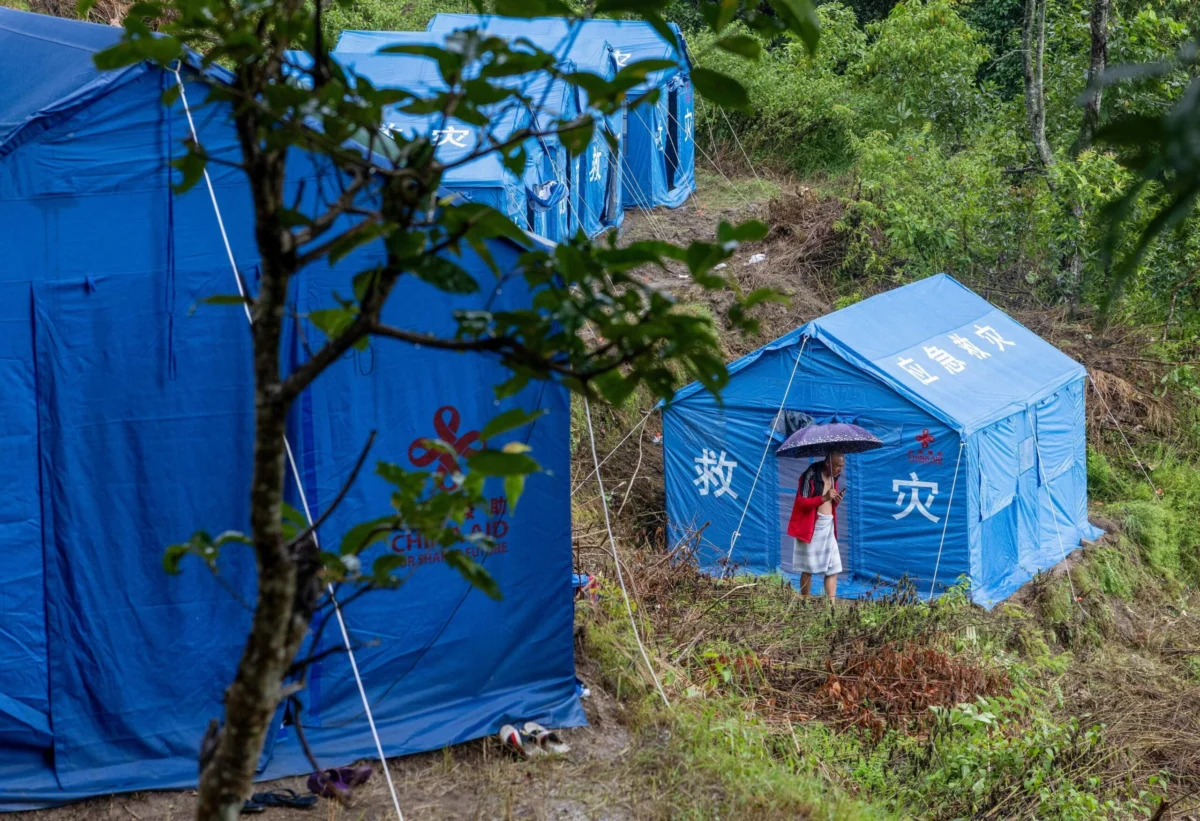
A fresh onslaught of torrential rain and devastating landslides has plunged Nepal into further crisis, claiming approximately 30 lives and exacerbating the suffering caused by the catastrophic flooding that ravaged the Himalayan nation in August. The earlier disaster left an estimated 1,400 dead and an unknown number of individuals still missing, painting a grim picture of the country’s vulnerability to extreme weather events. The national disaster management authority has reported that since late last week, over 1,900 families have been directly impacted by the current deluge, with more than 240 homes succumbing to the relentless forces of nature. Infrastructure has been decimated, with roads, buildings, and bridges swept away, severing vital links and hindering rescue efforts.
The economic lifeline of Nepal, particularly its tourism sector, has been severely disrupted. Hundreds of trekkers, who were undertaking the iconic Annapurna Circuit – a pilgrimage for adventurers and a crucial source of income for local communities – have been forced to cut short their expeditions and seek safety. Many have been evacuated by helicopter from the remote districts of Manang and Mustang, regions that typically form the core of this challenging yet rewarding trekking route, often requiring up to three weeks to complete. The urgency of these evacuations underscores the perilous conditions faced by those caught in the path of the landslides and floods.

The human toll is palpable, with communities across Nepal now grappling with the profound grief of losing loved ones. In Battar, a town situated northwest of the capital Kathmandu, the stark reality of displacement and loss is evident. Buti Tamang, speaking from a damp, blue tent that now serves as her shelter, shared her heartbreaking story with BBC Nepali. "We used to live in a hut, but now there is nothing," she recounted, her voice heavy with sorrow. "We have lost so many of our relatives." The ongoing rainfall further compounds their misery, with leaky tents offering little respite. Ramesh Ghale, another survivor forced to flee his home, echoed these sentiments, stating, "Now it is raining and the tent leaks, so we’ve been facing a difficult situation. We have nowhere to go." Their words paint a vivid picture of the immediate and desperate need for shelter and support for those displaced by the disaster.
The images emerging from the affected regions are a stark testament to the destructive power of the recent weather events. Blue disaster-relief tents dot the landscape, a poignant symbol of the makeshift homes of those who have lost everything. A person holding an umbrella stands outside one of these tents, a solitary figure against a backdrop of muddy, forested hillsides, highlighting the precariousness of their current situation. The presence of white Chinese characters and a relief-aid logo on the tents suggests international assistance, a crucial element in the ongoing recovery efforts.
The journey back from the mountains has become a perilous undertaking for many trekkers and their guides. Journeys that typically take days have been extended to three or four, forcing them to navigate treacherous terrain marked by collapsed roads and washed-away bridges. Jake Stacy, a 21-year-old from Suffolk, found himself stranded with his guide in Yak Kharka, upper Manang, due to heavy snowfall. Their decision to forgo the Thorang La pass, the highest point of the circuit, proved wise as they were compelled to forge their own paths across steep mountain slopes. "It was quite steep and we were clambering because there was a river below," Stacy described, recalling the harrowing descent back to base camp in Pokhara. "It was very muddy and very wet." He confirmed that many trekkers were airlifted to safety, a testament to the scale of the logistical challenges involved.

The treacherous conditions are further illustrated by the experience of Andrew Graham, an Australian, and his Nepalese guide, Prem KC. After deciding to return from Manang village, they encountered over 15 landslides, some of which they described as "quite dangerous, the residual risks have grown now." Their journey was further complicated when they reached the village of Chame, which had been evacuated due to landslide risks, forcing them to spend a night in the jungle. The impact on local infrastructure is severe. A massive landslide has partially dammed a river flowing through Chame, creating a temporary lake that has inundated houses and a crucial bridge. Despite efforts by authorities using excavators to release the water for three days, locals report limited success, highlighting the scale of the environmental disruption.
The psychological toll of these events cannot be overstated, especially given the fresh trauma of the August floods. Trekking guide Tse Ring Doma recounted the harrowing experience of her group, who had to cross 28 landslides. "The mental stress was more difficult than the physical challenge," she admitted, describing how even the sound of thunder would send them running out of their shelters, fearing for their safety. Her client, Norwegian Ellen Wahlstrøm, observed that visitors were comparatively fortunate, as they might only lose some belongings. In contrast, local residents faced the devastating prospect of losing their homes and land. She did, however, note that authorities were clearing many of the landslides "surprisingly fast," indicating a concerted effort to restore access and safety.
The visual evidence of the devastation is stark. Hikers, burdened by large backpacks and wielding trekking poles, are seen traversing muddy, debris-strewn slopes in dense mountain forests. The trails themselves bear the scars of the landslides, with exposed earth, rocks, and uprooted vegetation clearly visible. This imagery underscores the arduous nature of the return journey for those caught in the affected areas and explains why approximately 700 trekkers have been prevented from even starting the Annapurna Circuit.

While the damage in Manang has been severe, with numerous bridges swept away and communications disrupted in some areas, the chief district officer, Mukti Prasad Khanal, reported no fatalities in the trekking region itself. However, the peril extends beyond the immediate landslide zones. Tragically, four bodies have been recovered and 12 people remain missing following an avalanche near the base of Himlung Peak, a stark reminder of the multifaceted dangers posed by the Himalayan environment.
The Annapurna Conservation Area Project (ACAP), a key local trekking authority, has stated that around 700 trekkers are currently waiting in Pokhara, unable to commence their Annapurna Circuit trek. "We have been holding back all these people who want to go to the Annapurna Circuit trek, although we are under pressure from the trekking industry to announce the route open," an ACAP representative explained. This situation highlights the delicate balance between ensuring safety and maintaining the economic viability of the trekking industry. Furthermore, Indian visitors, who often undertake a pilgrimage to the ancient temple of Muktinath, have been advised to fly from Jomson to Pokhara instead of driving, due to a severed road link.
Historically, many of the traditional trekking routes on the Annapurna Circuit have seen reduced usage in recent years, with the advent of roads facilitating easier access to certain areas, particularly in the Manang and Mustang districts. However, the current crisis has reversed this trend. Operators report that many trekkers are now resorting to these formerly abandoned paths to make their way back, as the main roadways have been rendered impassable by the landslides and floods. This reliance on older, potentially less-maintained routes further amplifies the risks involved.

The Nepalese government, alongside international aid organizations, faces an enormous challenge in responding to this dual crisis. The immediate priorities include search and rescue operations, providing shelter and essential supplies to the displaced, and beginning the long and arduous process of rebuilding damaged infrastructure. The recurring nature of these extreme weather events, exacerbated by climate change, raises critical questions about Nepal’s long-term disaster preparedness and resilience strategies. Investing in early warning systems, promoting sustainable land-use practices in vulnerable areas, and reinforcing infrastructure against natural hazards will be crucial for mitigating the impact of future disasters. The stories of survivors like Buti Tamang and Ramesh Ghale serve as a poignant reminder of the human cost of these environmental challenges and the urgent need for sustained support and effective long-term solutions. The ongoing efforts to clear landslides, while appreciated, also underscore the continuous battle against the forces of nature in this fragile mountain ecosystem. The situation demands a comprehensive approach that addresses both the immediate humanitarian needs and the underlying vulnerabilities that make Nepal so susceptible to such devastating events.
