
 By admin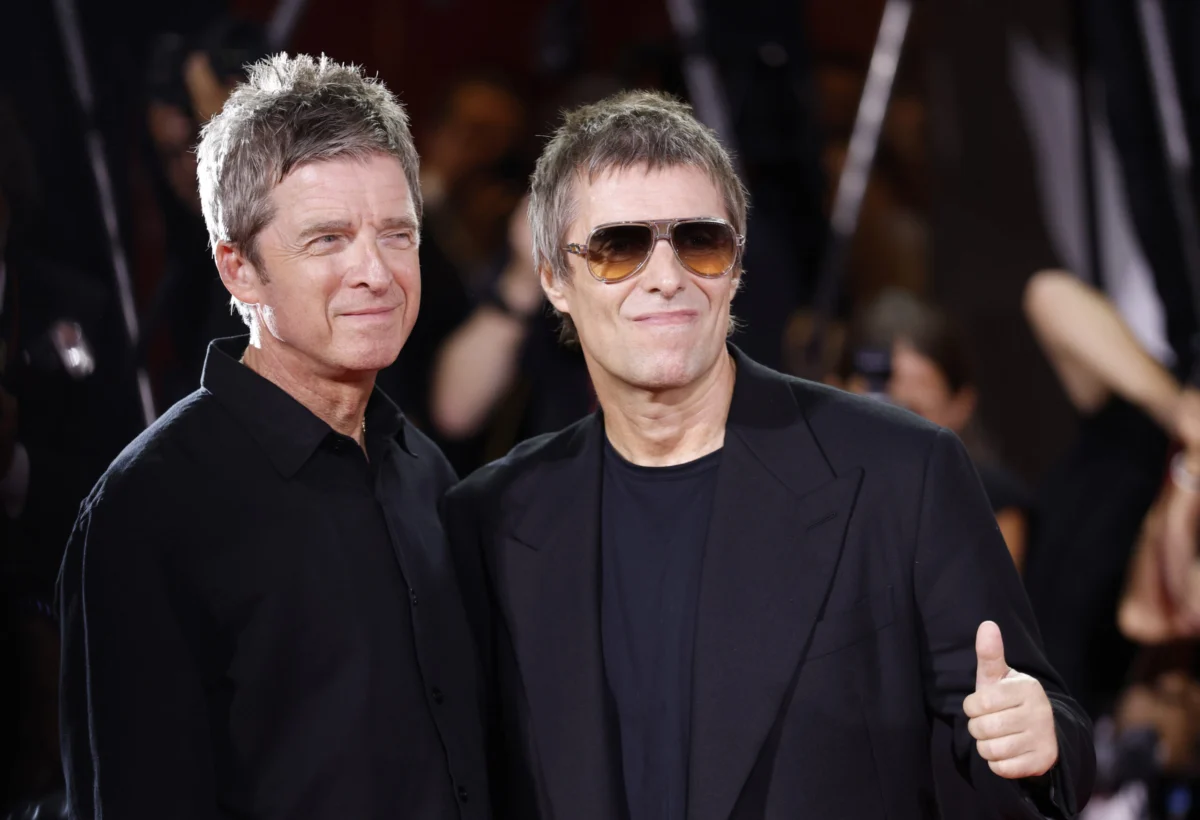
The hallowed halls of the Venice Film Festival vibrated with an almost tangible energy on Saturday night as the legendary Liam and Noel Gallagher, the famously fractious siblings at the heart of Britpop titans Oasis, graced the premiere of their highly anticipated documentary, "Don’t Look Back in Anger." The film, a cinematic deep dive into their monumental reunion tour, Oasis Live ’25, elicited an overwhelming response from the assembled audience, culminating in an impressive eight-minute standing ovation. In a moment that resonated deeply with fans who have long yearned for their reconciliation, the brothers, who have endured a notoriously strained relationship for decades, were seen holding hands and raising them in a gesture of shared triumph before the captivated crowd. The Palazzo del Cinema was transformed into a scene of fervent adoration, with fans clamoring for any glimpse, any autograph, any tangible connection to the iconic musicians who defined a generation. Cheers of "C’mon, boys!" and even a playful "Fight!" echoed through the venue, a testament to the enduring, albeit sometimes combative, spirit of the Gallagher dynamic. Adding a touch of local color and fervent devotion, one fan unfurled a Manchester City flag, the football club passionately supported by both brothers, above the balcony, a symbolic banner of their shared Northern English heritage and enduring camaraderie.
The pre-screening atmosphere on the red carpet was nothing short of a carnival of devotion. Italian fans, embracing the quintessential Oasis aesthetic, donned their finest bucket hats and proudly sported band merchandise. Their anticipation was palpable as they serenaded the approaching stars with heartfelt renditions of anthems like "Champagne Supernova" and "Wonderwall," their voices blending in a collective tribute to the band’s indelible legacy. In true rock ‘n’ roll fashion, Liam and Noel eschewed a conventional arrival, opting instead to emerge directly through the cinema’s entrance, a move that instantly ignited a surge of ecstatic screams from the already buzzing crowd. Known for their signature sartorial simplicity, often favoring practical windbreakers over ostentatious designer wear, the Gallaghers nevertheless elevated their appearance for the momentous occasion. Both brothers opted for sharp, all-black ensembles: Liam sported a blazer layered over a T-shirt, while Noel chose a sleek zip-up jacket. The roar of "Oasis! Oasis! Oasis!" underscored the overwhelming sentiment of the assembled masses. While the brothers initially signed autographs separately, engaging with individual fans, the true magic unfolded as they eventually came together, culminating in a poignant photo opportunity where they once again held hands, raising them aloft in a symbolic victory.
Directed by the skilled hands of Dylan Southern and Will Lovelace, "Don’t Look Back in Anger" is more than just a concert film; it’s an intimate chronicle of a reconciliation that many believed was impossible. The documentary meticulously charts Liam and Noel Gallagher’s triumphant reunion tour, Oasis Live ’25, a tour hailed in its official synopsis as "one of the most anticipated rock ‘n’ roll comebacks of our time." The film promises an unfiltered look at the band’s journey, offering audiences exclusive access to candid backstage moments and electrifying onstage performances. Crucially, it features the first joint interview with the often-feuding brothers in over two decades, a rare and invaluable insight into their complex relationship. The documentary is slated for a theatrical release on September 11th, followed by a bow on Disney+ later this year, making it accessible to a global audience eager to relive the Oasis phenomenon.
The Oasis reunion tour last year was a watershed moment, marking the first time the Gallagher brothers had performed together on stage since their acrimonious split in 2009. The demand for tickets was unprecedented, selling out almost instantaneously across a global itinerary that spanned the United Kingdom, North America, South Korea, Japan, Australia, Argentina, Chile, and Brazil. The sheer scale of the tour’s success, evidenced by the hundreds of millions of dollars generated, underscored the enduring power of Oasis’s music and the deep emotional connection fans have with the band. The fact that the brothers are not only performing together but also engaging in joint press activities for their documentary is a testament to the thawing of their long-standing animosity and a positive indicator for the future of Oasis.
The resounding success of Oasis Live ’25, coupled with the Gallaghers’ apparent ability to coexist and even collaborate on promotional efforts for their documentary, has inevitably fueled widespread speculation about the possibility of a further Oasis tour. Whispers of a potential return to the stage next year are circulating with increasing fervor. While the brothers themselves were notably absent from the film’s earlier press conference on Saturday, presumably to avoid a barrage of questions about their personal dynamics and future plans, the band’s social media presence has been anything but silent. A series of cryptic teasers posted on Instagram have sent their dedicated fanbase into a frenzy of detective work, meticulously dissecting every symbol and word for clues. Adding further fuel to the speculative fire, Noel Gallagher recently offered a tantalizing hint during an interview on Talksport, stating, "Let’s put it this way: there’s no football tournament on next year, so we’ve got to do something in the summer, right?" This oblique yet suggestive remark, coupled with the continued mutual engagement and the success of the reunion tour, paints a compelling picture of a potential future for Oasis that extends beyond the confines of this documentary.
The narrative of Oasis is intrinsically linked to the cultural landscape of the 1990s. Emerging from Manchester in the early part of the decade, Oasis quickly ascended to become one of the most influential and commercially successful bands of their era. Their sound, a potent blend of raw, guitar-driven rock and roll, infused with melodic sensibilities and Liam Gallagher’s distinctive sneering vocals, resonated with a generation disillusioned with the prevailing musical trends. Noel Gallagher, as the primary songwriter and architect of the band’s sonic identity, crafted anthems that became ingrained in the collective consciousness. Their debut album, "Definitely Maybe" (1994), and its even more monumental follow-up, "(What’s the Story) Morning Glory?" (1995), propelled Oasis to global superstardom. The latter, in particular, spawned enduring hits like "Wonderwall," "Don’t Look Back in Anger" (the song that inspired the documentary’s title), and "Champagne Supernova," solidifying their place in music history.
However, the band’s meteoric rise was often overshadowed by the volatile and highly publicized feud between Liam and Noel. Their clashes, both personal and professional, became as legendary as their music. From public spats to alleged physical altercations, their antagonistic relationship was a constant source of tabloid fodder and fan concern. This internal strife ultimately led to the band’s dissolution in 2009, a decision that left millions of fans heartbroken and yearning for a reunion. The intervening years saw both brothers pursue successful solo careers, with Liam forming Beady Eye and Noel embarking on a highly acclaimed journey with Noel Gallagher’s High Flying Birds. Despite their individual successes, the specter of Oasis and the question of their reconciliation loomed large in the public imagination.
The Oasis Live ’25 tour represented a significant moment of catharsis for fans. It was an opportunity to witness the magic of Oasis once more, to sing along to the songs that soundtracked their lives, and to see the Gallagher brothers, for a fleeting moment, transcend their differences. The documentary, "Don’t Look Back in Anger," promises to capture the essence of this historic comeback, offering an insider’s perspective on the pressures, the triumphs, and the sheer exhilaration of reuniting a band that had become a cultural touchstone. The extended standing ovation in Venice serves as a powerful indicator of the film’s emotional resonance and the enduring love affair between Oasis and their devoted fanbase. The documentary is not just a retrospective; it’s a testament to the power of music to unite, to heal, and to inspire, even in the face of deeply entrenched personal histories. The possibility of further tours and new music from Oasis, once a distant dream, now feels tantalizingly within reach, a testament to the enduring appeal of the Gallagher brothers and the timeless power of their music. The film’s premiere at Venice, a festival steeped in cinematic history and artistic prestige, further elevates the status of Oasis and their story, ensuring that their legacy will continue to be celebrated and explored for generations to come. The world is eagerly watching, hoping that the "Don’t Look Back in Anger" spirit extends beyond the silver screen and into a new chapter for one of rock’s most iconic, and finally, seemingly reconciled, sibling duos.
