
 By admin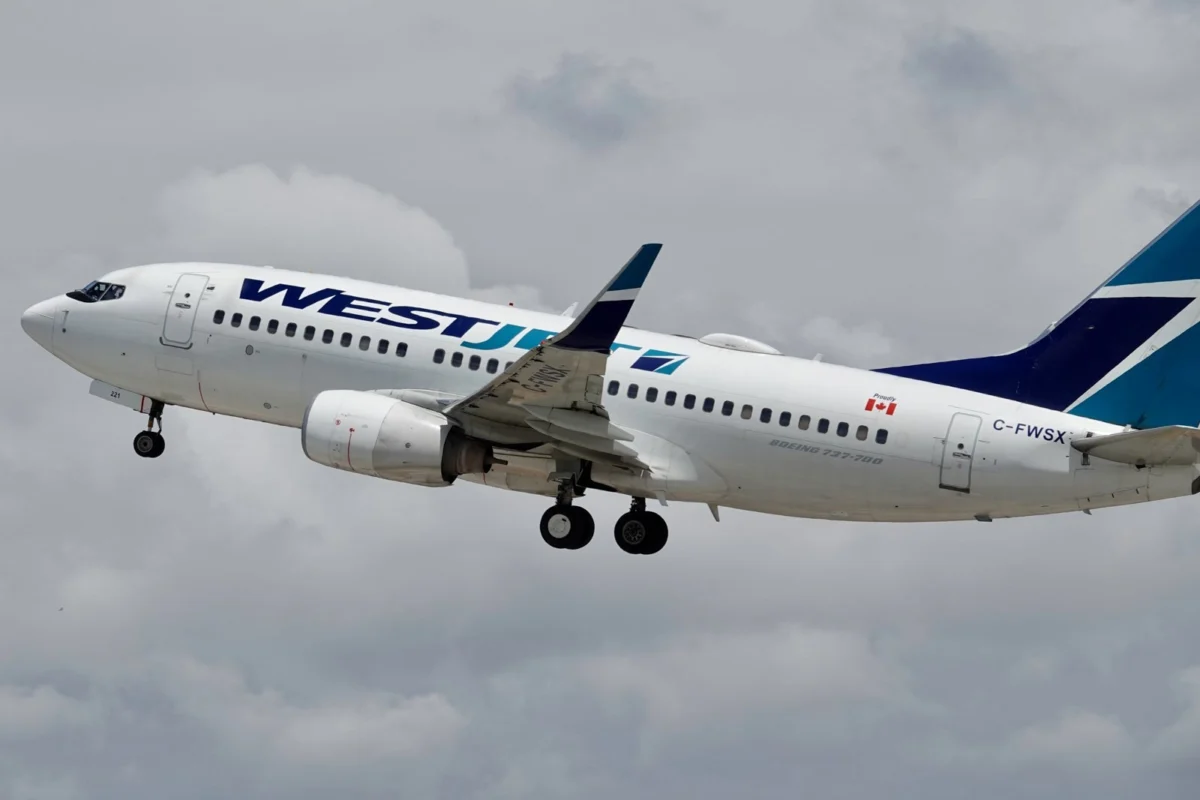
According to schedule data from aviation analytics firm Cirium, WestJet typically operates an average of 458 daily flights. The grounding effectively severs critical air links across Canada and between Canada and the United States. The impact is most acutely felt at Calgary International Airport (YYC), WestJet’s primary global hub, where the airline accounts for approximately two-thirds of all scheduled departures. For Calgary, a city where WestJet is not only a major employer but the primary gateway for commerce and tourism, the shutdown represents a significant economic disruption. Beyond Calgary, the airline’s presence at Vancouver International Airport (YVR) and Toronto Pearson International Airport (YYZ) remains substantial, meaning the ripples of this strike are being felt from coast to coast.
While the mainline WestJet fleet—comprising largely of Boeing 737 and 787 Dreamliner aircraft—remains on the tarmac, the airline’s regional affiliate, WestJet Encore, continues to operate. WestJet Encore utilizes a fleet of 35 de Havilland Canada Dash 8-Q400 turboprop aircraft, primarily serving smaller communities and feeding traffic into the major hubs from bases in Calgary and Vancouver. However, because Encore serves as a feeder for the mainline network, many passengers on these regional flights may still find themselves with nowhere to go once they reach a hub airport, as their connecting mainline flights have been scrubbed from the schedule.
The reach of this strike extends deep into the United States, where WestJet serves 27 distinct destinations. For American travelers and the airline’s joint venture partner, Delta Air Lines, the timing is particularly challenging. Cirium data identifies Los Angeles International Airport (LAX), Harry Reid International Airport (LAS) in Las Vegas, and Hartsfield-Jackson Atlanta International Airport (ATL) as WestJet’s largest American gateways by departure volume. The partnership with Delta is a cornerstone of WestJet’s transborder strategy, allowing for seamless code-sharing and loyalty program integration. With WestJet flights canceled, Delta’s own network faces pressure as it attempts to accommodate displaced passengers on its own metal, though capacity on transborder routes is already stretched thin during the peak travel season.
At the heart of the labor dispute is a concept that has become a rallying cry for flight attendants across North America: "boarding pay." The Canadian Union of Public Employees (CUPE) has remained steadfast in its demand that crew members be compensated for all time worked, specifically including time spent on the ground while the aircraft doors are open. Under the traditional "block-to-block" pay structure that has dominated the industry for decades, flight attendants are typically only paid from the moment the aircraft chocks are removed at the departure gate until the moment they are replaced at the arrival gate. This means that the grueling process of boarding hundreds of passengers, managing overhead bin space, performing safety checks, and assisting passengers with special needs is often unpaid or compensated at a negligible rate, despite being a mandatory and safety-critical part of the job.
The union argues that as delays at airports become more frequent due to air traffic control congestion and ground handling shortages, flight attendants are spending more "unpaid" hours at work than ever before. This sentiment is part of a broader movement within the profession. In 2022, Delta Air Lines became the first major U.S. carrier to break the mold by offering flight attendants half their hourly rate for boarding time. More recently, in 2025, Air Canada reached a landmark agreement to pay cabin crew for boarding time following a high-stakes three-day strike. These precedents have emboldened WestJet’s crews, who view the current negotiations as a "now or never" moment to rectify what they describe as a systemic unfairness in their compensation model.
WestJet management, however, maintains that it has put a fair offer on the table. In an official statement, the airline characterized its proposal as an "industry-leading, transformative agreement" that balances the needs of employees with the financial sustainability of the company. The airline has expressed disappointment that the union chose to strike rather than continue negotiations or move to arbitration. The term "industry-leading" is a common refrain in airline labor relations, often referring to a combination of base salary increases, retirement contributions, and work-rule flexibility. Yet, for the flight attendants on the picket line, no amount of base salary increase can offset the symbolic and financial weight of working for free during the boarding process.
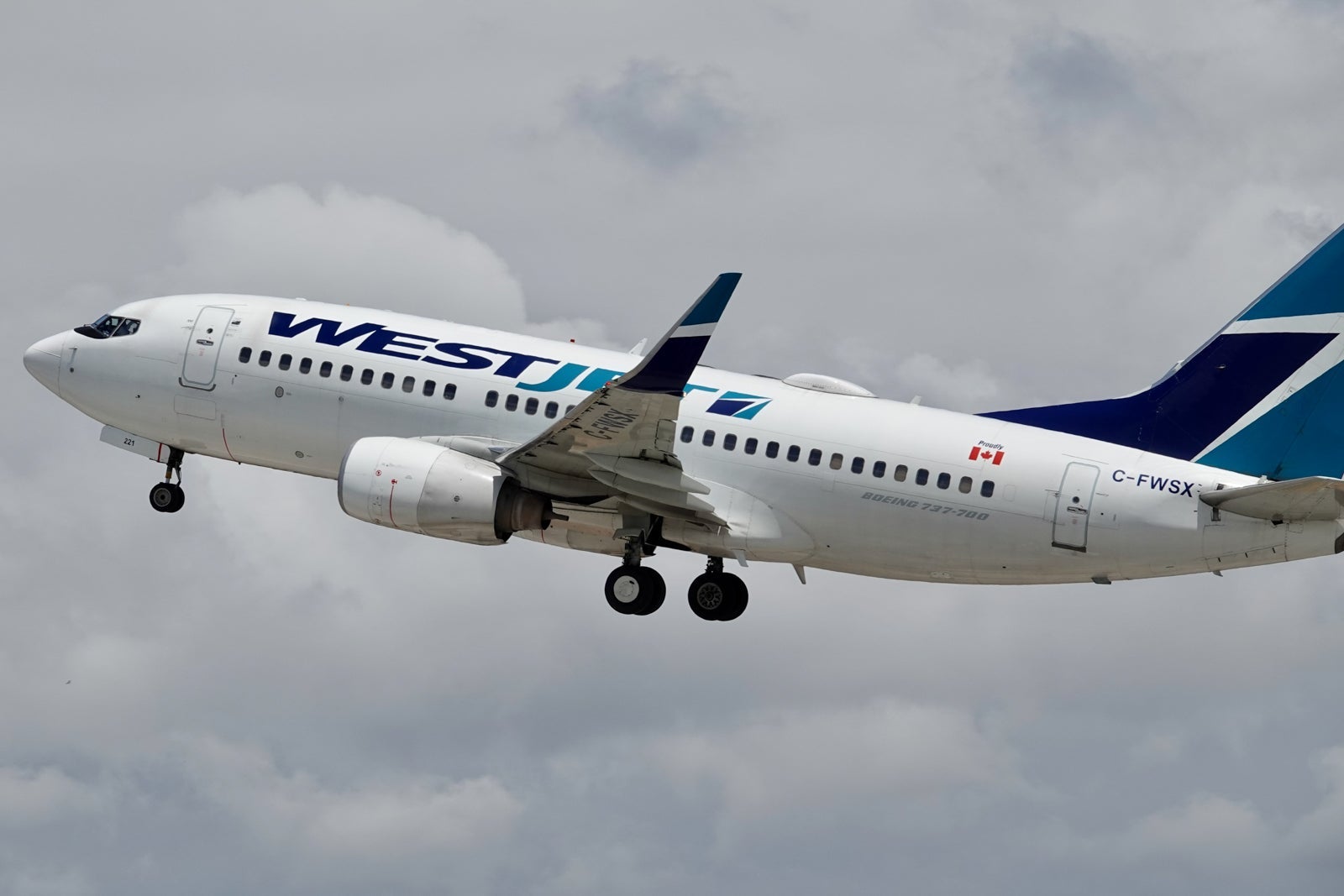
The immediate fallout for travelers has been chaotic. Hundreds of flights have been canceled, leaving thousands of passengers stranded at various points in their journeys. Recognizing the severity of the situation, WestJet has implemented a flexible rebooking policy. All travelers with flights booked through August 4 are being allowed to make a one-time flight change or cancellation with no associated fees. While this offers some relief, the reality of "no-fee" changes is often hollow when there are no alternative flights available to book. With WestJet’s fleet grounded and other airlines operating at near-capacity, the logistics of re-protecting tens of thousands of passengers are daunting.
Furthermore, the strike brings into focus the Canadian Air Passenger Protection Regulations (APPR). Under these rules, passengers may be entitled to compensation for flight cancellations or significant delays. However, the eligibility for such compensation often hinges on whether the disruption was "within the carrier’s control." While labor strikes are frequently a gray area in legal interpretations of these regulations, recent rulings in various jurisdictions have leaned toward the idea that a strike by an airline’s own employees is an internal labor matter and, therefore, within the airline’s control. If this interpretation holds, WestJet could face millions of dollars in compensation claims in addition to the lost revenue from ticket sales.
From an analytical perspective, this strike comes at a delicate time for WestJet. The airline has recently undergone a significant strategic pivot, moving away from its aspirations of being a global widebody carrier to refocusing on its roots as a dominant player in Western Canada. This "back to basics" approach was intended to solidify its market share and improve profitability in the face of rising competition from ultra-low-cost carriers (ULCCs) like Flair Airlines and the expansion of Air Canada’s domestic footprint. A prolonged strike threatens to undermine this strategy by eroding passenger trust and allowing competitors to capture market share in key Western Canadian corridors.
The economic implications are also noteworthy for the broader Canadian economy. Aviation is a catalyst for economic activity, and WestJet is a vital link for the energy sector, the tourism industry in the Canadian Rockies, and the movement of time-sensitive cargo. Every day the fleet remains grounded, the "economic friction" increases. Hotel bookings in destinations like Banff and Jasper are being canceled, and business conferences are seeing diminished attendance. The strike is not just a battle over wages; it is a disruption of the national infrastructure.
As the strike continues, the eyes of the industry are on the negotiation table. The outcome will likely set a new benchmark for labor contracts across Canada and potentially influence upcoming negotiations at major U.S. carriers like American Airlines and United Airlines, where flight attendants are also pushing for boarding pay. The WestJet strike is a symptom of a larger shift in the labor-management dynamic, where workers are increasingly unwilling to accept legacy pay structures in a post-pandemic world characterized by high inflation and increased operational complexity.
For now, the tarmac at Calgary International remains crowded with silent jets, and the terminals are filled with frustrated travelers. The resolution of this conflict will require more than just a compromise on percentages; it will require a fundamental reassessment of how an airline values the time of the people responsible for the safety and comfort of its passengers. Until that resolution is reached, the "industry-leading" airline and its "industry-leading" crews remain at a costly and highly public standstill.
