
 By admin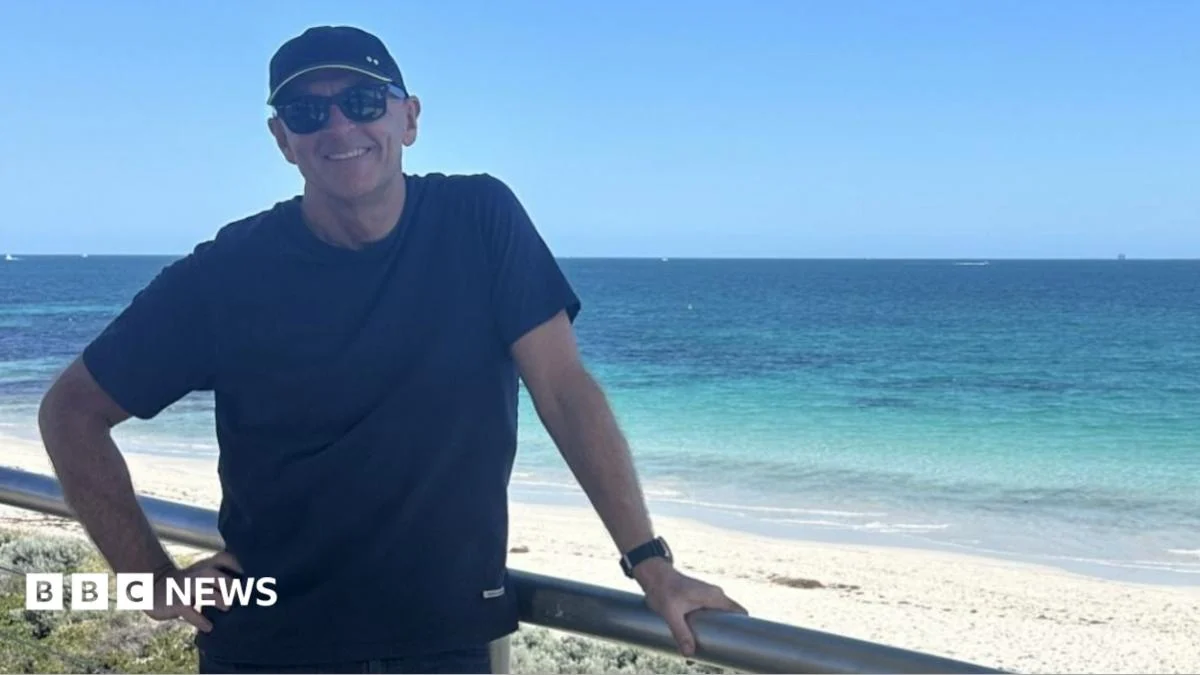
A chilling sense of dread has gripped the popular coastal communities of Western Australia following the tragic death of 63-year-old swimmer Greg O’Neill, who was fatally attacked by a great white shark at Sorrento Beach on Friday. The incident, which has sent shockwaves through the state, has prompted an unprecedented "catch-and-kill" order for the apex predator, a measure rarely employed due to the protected status of great white sharks in Australian waters. As the search for Mr. O’Neill’s remains continues, authorities have closed beaches along the Western Australian coastline, including those in the bustling capital of Perth, until at least Sunday, underscoring the gravity of the situation and the ongoing threat posed by the elusive marine predator.
This harrowing event marks the second shark attack in Western Australia this week and the third fatal incident in the state this year, amplifying concerns about the safety of beachgoers and reigniting a contentious debate on effective shark mitigation strategies. The attack at Sorrento Beach, a beloved recreational spot in Perth’s northern suburbs, has thrust the complex issue of human-shark interactions back into the national spotlight, prompting calls for greater action and a re-evaluation of existing safety protocols.
Greg O’Neill’s family, in a statement that eloquently captured the profound grief and devastation, described him as a man who "loved the ocean and was known as a passionate swimmer, sports lover, dedicated worker and an all-round generous, witty guy." The raw emotion emanating from his family underscores the personal toll of such a brutal attack, transforming a cherished pastime into a scene of unimaginable horror. On Saturday, a poignant scene unfolded at the site of the tragedy as family members visited the beach, where locals had begun laying floral tributes, creating a somber testament to the community’s collective sorrow and respect for the departed.
Witness accounts paint a terrifying picture of the attack. Jacqui Rapaic, who was present at Sorrento Beach, recounted the harrowing moments when she saw two men swimming, but only one managed to return to shore. Her description of a "pool of blood" in the water sent a visceral shiver through those who heard it. Another witness, speaking to WAtoday, described the horrific sight of the man being "mauled," with the shark "tossing him around like a fish." The ferocity of the attack was further corroborated by reports from members of the public who observed a shark estimated to be around 2.5 meters (8 feet 2 inches) long in the vicinity at the time of the incident.
In response to the immediate threat, authorities in Perth’s Joondalup area, which encompasses Sorrento, promptly closed all beaches. This precautionary measure, while necessary, serves as a stark reminder of the pervasive danger. The closures are expected to remain in effect until at least midday on Sunday, disrupting weekend plans for many and highlighting the significant impact of such incidents on coastal life. The visual evidence of the heightened security response was evident on Saturday, with images depicting a police boat and helicopter diligently patrolling the coastline, a visible symbol of the ongoing efforts to locate and neutralize the threat.
The issuance of a catch-and-kill order for a great white shark is a rare and deeply divisive measure in Australia. Great white sharks, as apex predators, play a crucial role in the marine ecosystem, and their protected status reflects a broader conservation ethos. However, in situations involving imminent danger to human life, such as the attack on Greg O’Neill, the priority shifts to public safety, leading to these extraordinary interventions.
Western Australia’s Fisheries Minister, Jackie Jarvis, acknowledged the exceptional nature of the order, stating that she took the "extraordinary step" after the shark was positively identified by water police on Saturday morning as the one involved in the fatal incident. Minister Jarvis emphasized that she had authorized fisheries officers to "destroy the shark" if it could be captured, citing the "exceptional circumstances" of the attack and the "hazard posed by the shark" as justifications for this drastic action. She further noted that this is believed to be the first time in a decade that such an order has been issued in Western Australia, underscoring its rarity and the significant threat perceived. Importantly, Minister Jarvis clarified that this is not a widespread cull, distinguishing it from past shark management strategies that have drawn significant public outcry. To enhance beachgoer safety moving forward, the minister also announced plans to increase the deployment of drones and tagging initiatives, aiming to provide earlier warnings and better track shark movements.
The history of shark management in Western Australia is fraught with controversy, particularly concerning catch-and-kill policies. The state government’s authorization of a shark cull in 2014, following a series of fatal attacks, ignited months of widespread protests and fierce debate, highlighting the deep divisions within the community regarding the balance between human safety and wildlife conservation. The Sorrento Beach incident, therefore, carries the weight of this historical context, inevitably reigniting these sensitive discussions.
This latest tragedy is not an isolated event, but rather part of a disturbing trend of shark encounters in Western Australia. Just days prior, on Monday, a 56-year-old man was attacked while surfing off the coast of Geraldton, approximately 430 kilometers (270 miles) north of Perth. While he survived the ordeal, the attack resulted in the loss of part of his leg, a grim testament to the power and danger of these marine predators. The rescuer, another surfer, recounted the harrowing experience to the ABC, further emphasizing the courage and quick thinking that can sometimes make the difference between life and death.
Globally, the year 2024 has already seen a concerning number of fatal shark attacks in Australian waters. Beyond the two incidents in Western Australia, a 12-year-old boy tragically lost his life after being bitten in Sydney Harbour in January. Furthermore, between May and June, three divers were fatally mauled in separate incidents, with two occurring in Western Australia and the third in Queensland. These statistics paint a grim picture of the escalating challenges faced by both marine life and humans sharing Australia’s vast coastline.
The ongoing investigation into Greg O’Neill’s death and the search for his body are paramount. The effectiveness of the catch-and-kill order will be closely monitored, and its implications for both public safety and the conservation of great white sharks will undoubtedly be subjects of intense scrutiny and debate in the weeks and months to come. As the community grapples with this profound loss, the conversation around shark mitigation strategies is set to intensify, seeking solutions that can effectively protect lives without unduly harming these vital ocean inhabitants. The incident serves as a stark reminder of the raw power of nature and the delicate balance that must be maintained in our shared environment. The authorities’ swift and decisive action, while controversial, reflects the extreme circumstances and the urgent need to restore a sense of security to the beaches of Western Australia. The loss of Greg O’Neill is a profound tragedy, and the ongoing efforts to address the threat highlight the complex and often heartbreaking challenges of living alongside some of the planet’s most formidable predators.
