
 By Lina Irawan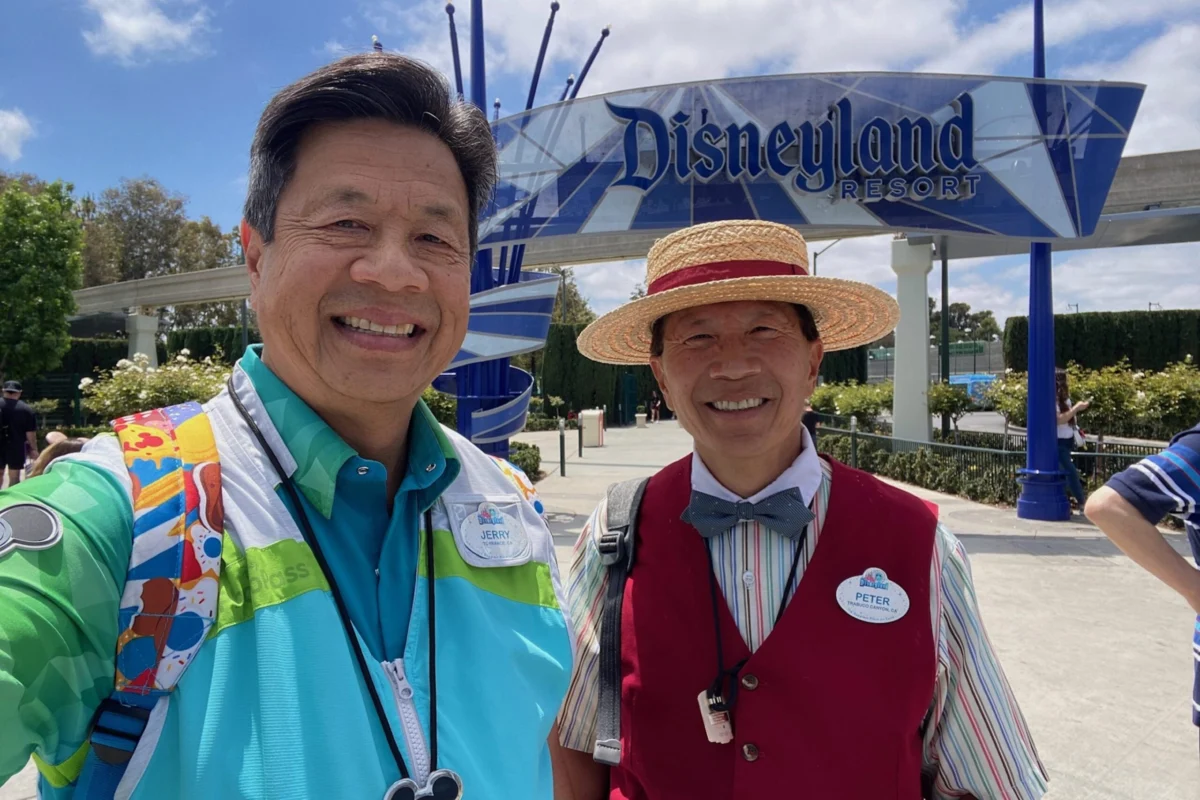
The conventional image of retirement—a sudden cessation of work followed by endless leisure—is rapidly evolving in America. A growing number of older adults are choosing to redefine their golden years, opting for "phased retirement" or embarking on new, often less demanding, part-time endeavors. These individuals are driven by a mix of financial prudence, a desire to remain mentally and socially engaged, or the pursuit of long-dormant passions. Among those pioneering this shift are brothers Jerry and Peter Wong, who, after dedicating decades to the high-stakes world of aerospace, have found a new kind of magic working at Disneyland Resort. Their transition from complex engineering and finance roles to creating joy at "The Happiest Place on Earth" offers a compelling narrative of modern retirement.
This trend is not isolated; it reflects broader demographic and economic shifts. The U.S. Bureau of Labor Statistics projects that by 2030, the labor force participation rate for those aged 65 to 74 will increase to 23.3%, and for those 75 and older, it will rise to 8.7%. This surge in older workers is fueled by several factors: increased life expectancy, which necessitates longer periods of financial self-sufficiency; the rising cost of living and healthcare, which puts pressure on retirement savings; and a growing awareness of the psychological benefits of staying active and connected. Experts in gerontology and economics increasingly advocate for continued engagement in some form of work, citing improved cognitive function, reduced risk of social isolation, and a stronger sense of purpose. As Dr. Susan Golden, a gerontologist specializing in aging and work, notes, "For many, retirement isn’t about stopping; it’s about starting something new, something that brings joy and meaning without the intense pressures of a lifelong career."
Jerry Wong, at 66, embodies this new paradigm. His professional journey began in 1979 as a summer intern at Northrop Grumman, a global aerospace and defense technology company renowned for its cutting-edge innovations in areas ranging from stealth aircraft to cybersecurity and space systems. With annual revenues exceeding $30 billion, Northrop Grumman is a titan in an industry critical to national security and technological advancement. Jerry’s four-decade career saw him rise through the ranks, eventually leading complex projects in ground communications for government contracts. This demanding environment, requiring meticulous attention to detail, strategic thinking, and effective team coordination, inadvertently honed his "people skills"—a talent he now playfully deploys in a vastly different setting. After a distinguished career, Jerry retired from Northrop Grumman in 2022, envisioning a life of leisure.
However, the quietude of a blank calendar soon proved unsettling. After just four months, the former engineer found himself restless, yearning for engagement beyond his newfound freedom. This feeling is common among retirees who miss the structure, social interaction, and intellectual stimulation that work provides. Research from the National Bureau of Economic Research indicates that involuntary retirement or a lack of post-retirement activities can lead to declines in mental and physical health. For Jerry, the solution presented itself through a familiar, cherished place: Disneyland. He and his brother, Peter, had been frequent visitors since 1967, fostering a deep-seated connection to the park’s magic. The idea of reconnecting with that childhood nostalgia while staying active sparked an interest in available Disney positions.
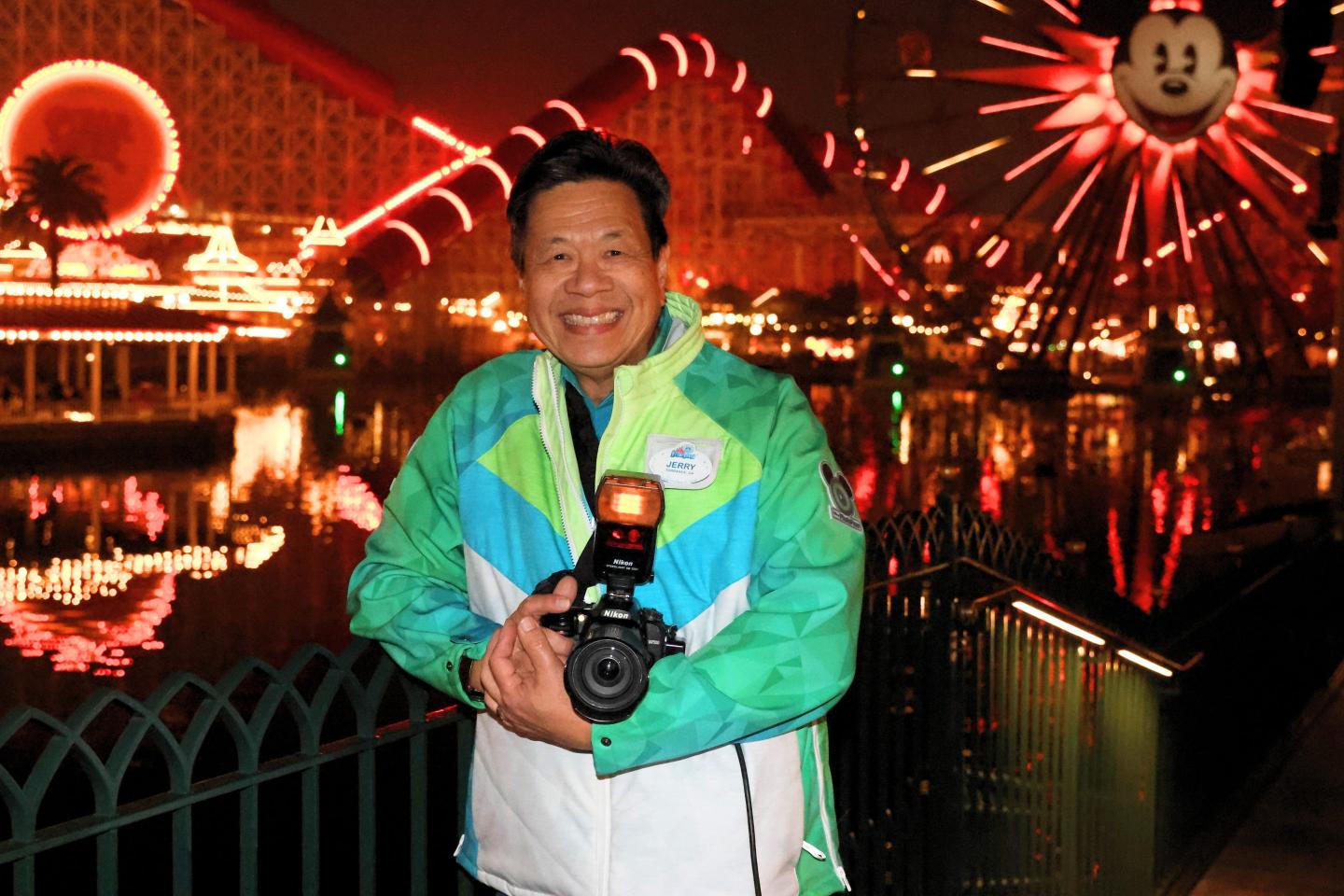
Jerry’s application led him to a part-time role as a photographer at Disneyland Resort in Anaheim, California. This choice was a natural fit, leveraging a lifelong hobby he had inherited from his father during his freshman year at UCLA. By October of that year, he was donning the distinctive photography blues, armed with a professional camera, capturing fleeting moments of joy and wonder for park-goers across both Disneyland Park and Disney California Adventure Park. His schedule is flexible, typically working around 14 hours over two or three days during the off-season, which scales up to 32 hours on a five-day schedule during peak holiday periods. For Jerry, the job transcends the paycheck; it is fundamentally about the human connection and the experience.
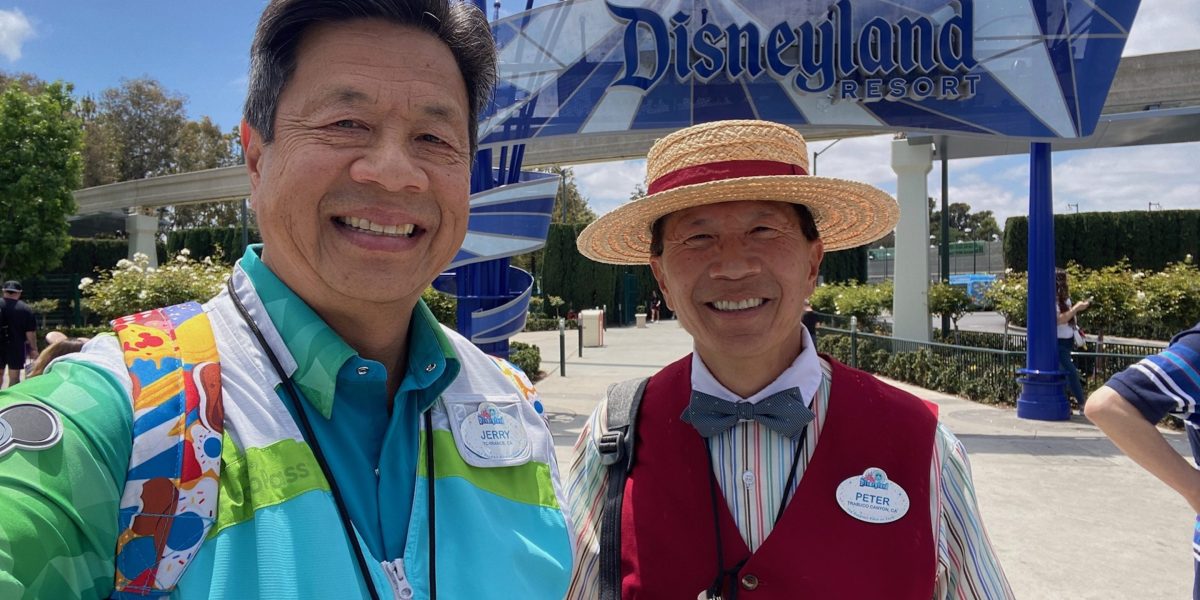
"I don’t know if I would call it a second career…the term career is something that you’re there because it’s something you need to do to support yourself, or to create a long-term lifestyle," Jerry tells Fortune. His perspective highlights a fundamental difference between lifelong careers and post-retirement work. "Working post-retirement, it’s a different perspective. From a personal point of view, there’s no stress. I’m enjoying myself…I’m here because I choose to be here." This sentiment resonates with many "encore career" seekers who prioritize fulfillment, social interaction, and personal interest over financial necessity. The shift from high-stakes defense contracts to capturing family smiles under the Californian sun represents not just a career change, but a profound transformation in lifestyle and purpose.
Jerry’s journey into the enchanting world of Disney, however, might never have materialized without the pioneering spirit of his younger brother, Peter Wong. Peter had already navigated the transition years prior, illuminating the path and showcasing the profound upsides of integrating a Disney gig into the leisurely rhythm of corporate retirement.
Peter Wong, 63, was the first of the brothers to embrace a Disney role after concluding his primary career. His own distinguished aerospace career spanned three decades, focused on the meticulous world of finance. His professional journey began in 1987 at Hughes Electronics, a company that was a formidable force in the aerospace and defense sector, known for its innovations in satellite communications, radar, and missile systems. At the time, Hughes was owned by automotive giant General Motors, a fascinating corporate lineage that underscored the diverse reach of these industrial conglomerates. Peter’s initial role involved fixed asset accounting, a critical function ensuring the accurate valuation and management of vast corporate assets.
A decade later, the landscape of the U.S. defense industry underwent significant consolidation. Raytheon, another titan in the sector, acquired Hughes in 1997, integrating its substantial capabilities into its own expanding portfolio. Peter’s responsibilities expanded, placing him in charge of financial planning rates and budgets for seven facilities across America. This role demanded rigorous analytical skills, strategic foresight, and the ability to manage complex financial models—a far cry from the lighthearted interactions of a theme park. Around his 30th year in this demanding profession, a pivotal moment arrived: a buyout offer. The $271 billion contractor, Raytheon, extended "special golden handshake packages" to long-serving employees, particularly those from the legacy Hughes days. These packages are often strategic moves by large corporations to streamline their workforce, incentivize voluntary departures, and reduce overheads, especially for employees with substantial salaries and benefits built over decades. Peter seized the opportunity, phasing into retirement.
Yet, like his brother, Peter found the sudden void of full-time work to be unsettling. Just one year after his formal retirement, he was back on his feet, literally, working the rides at Disney California Adventure. For Peter, the motivation was deeply personal, weaving together threads of his life’s tapestry. He cherished memories of annual Disney visits with his relatives from Hong Kong, a tradition that cemented the park’s special place in his heart. Even more poignant was the memory of proposing to his now-wife on the iconic Skyway ride, which operated from 1956 to 1994, adding a layer of romantic nostalgia to his decision.
"I’m finished with being married to my laptop and phone all day and night," Peter tells Fortune, articulating a sentiment shared by many professionals who have experienced the relentless demands of corporate life. His desire was clear: "I want to do something to make magic for people." This aspiration led him to become a Disney attractions host, a role that perfectly aligned with his newfound purpose. In this capacity, Peter is instrumental in bringing the park to life, ensuring guests have an unforgettable experience while meticulously upholding safety standards on the rides. His typical schedule mirrors Jerry’s, working two to three days a week for approximately 14 hours, extending to up to 28 hours during the bustling holiday and busy seasons.
The transition, however, wasn’t without its challenges. Having spent his entire career in office environments, Peter had to adapt to the physical demands of being on his feet for extended periods each day. This shift from sedentary desk work to an active, public-facing role required a conscious adjustment, highlighting the diverse skills and adaptability required in phased retirement. He received comprehensive training at the Redwood Creek Challenge Trail at Disney California Adventure, an immersive outdoor experience. Today, he splits his time between this attraction and the beloved flight simulator ride, Soarin’ Across America. For hours each workday, Peter dons wilderness-themed outfits or classic Disney vests, warmly greeting guests and, in the process, gaining a unique, behind-the-scenes perspective on the intricate operations of the park.
"I wanted attractions because of the face-to-face interaction with the guests, and also learning how the attractions work," Peter explains. This reflects a curiosity that likely served him well in his analytical finance career, now channeled into understanding the mechanics of entertainment. "As a guest, you just see the person pushing the button…But you don’t see all the intricacies involved with actually working the attraction." This insight into the hidden complexities of even seemingly simple operations adds another layer of engagement for Peter, transforming his job into an ongoing learning experience.
The Wong brothers, despite working within the same magical kingdom, rarely cross paths during their shifts due to their differing schedules and roles. While there’s always the delightful possibility of a spontaneous encounter, they more frequently enjoy Disneyland together as annual pass holders, reliving their shared history and appreciating the park from a guest’s perspective. Their combined experience at the park, spanning nearly six decades from childhood visits to current employment, offers a unique vantage point on how things have evolved. Yet, the core essence of Disney, creating wonder and lasting memories, remains constant.
"I look at the pictures that our parents took of us in ’67…I can remember exactly what ride we had to go on first, which was Pirates [of the Caribbean], because it first just opened up," Jerry recalls, highlighting the enduring power of these early memories. He sees his current role as a continuation of that legacy. "As a photographer, it’s the same thing. In that one or two minutes that I get with the guests, I create a lasting memory for them." Peter, too, finds profound satisfaction in his role, understanding that each interaction contributes to a guest’s cherished experience.
The story of Jerry and Peter Wong is more than just an anecdote; it’s a microcosm of a significant societal trend. Their journey from highly technical and demanding aerospace careers to the joyful, guest-centric world of Disney illustrates the evolving definition of retirement in the 21st century. It underscores that for many, retirement is not an end, but a pivot—an opportunity to seek purpose, connection, and joy on their own terms, often returning to passions or embracing entirely new experiences. They are living proof that the "magic" of meaningful engagement can transform the golden years into a vibrant, fulfilling chapter, creating not just personal satisfaction but also invaluable moments for thousands of visitors around the world every week. As more Americans live longer, healthier lives, the Wong brothers’ narrative will likely become an increasingly common and inspiring blueprint for the future of retirement.
