
 By admin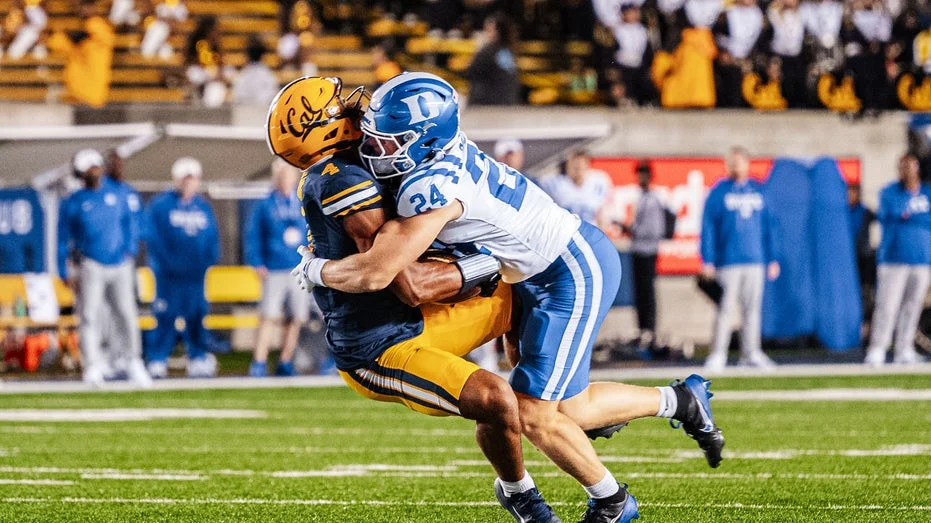
College football, a sport steeped in tradition and fiercely debated strategy, finds itself in a perennial battle with its most contentious rule: targeting. While proponents champion its vital role in player safety, the nuanced application of targeting penalties continues to sow confusion and ignite passionate debate among coaches, players, and a fervent fan base. This season, despite adjustments aimed at refining its implementation, the specter of a targeting call looms large, promising to once again be a significant storyline throughout the college football landscape. The rule, born from a genuine concern for the well-being of athletes on both sides of a hit, remains a complex puzzle that many struggle to fully comprehend. As the game evolves, so too do the interpretations and applications of targeting. This in-depth exploration aims to demystify the rule, breaking down its core principles, the penalties associated with it, and the recent modifications designed to address its most controversial aspects.
At its heart, targeting in college football is defined as the initiation of forcible contact against an opponent that is deemed to be beyond the scope of a routine, legal tackle, block, or play on the ball. The rule places a significant emphasis on hits directed at the head and neck area, recognizing the catastrophic potential for injury in these vulnerable zones. However, translating this broad definition into concrete on-field actions requires a closer examination of specific behaviors that constitute targeting.
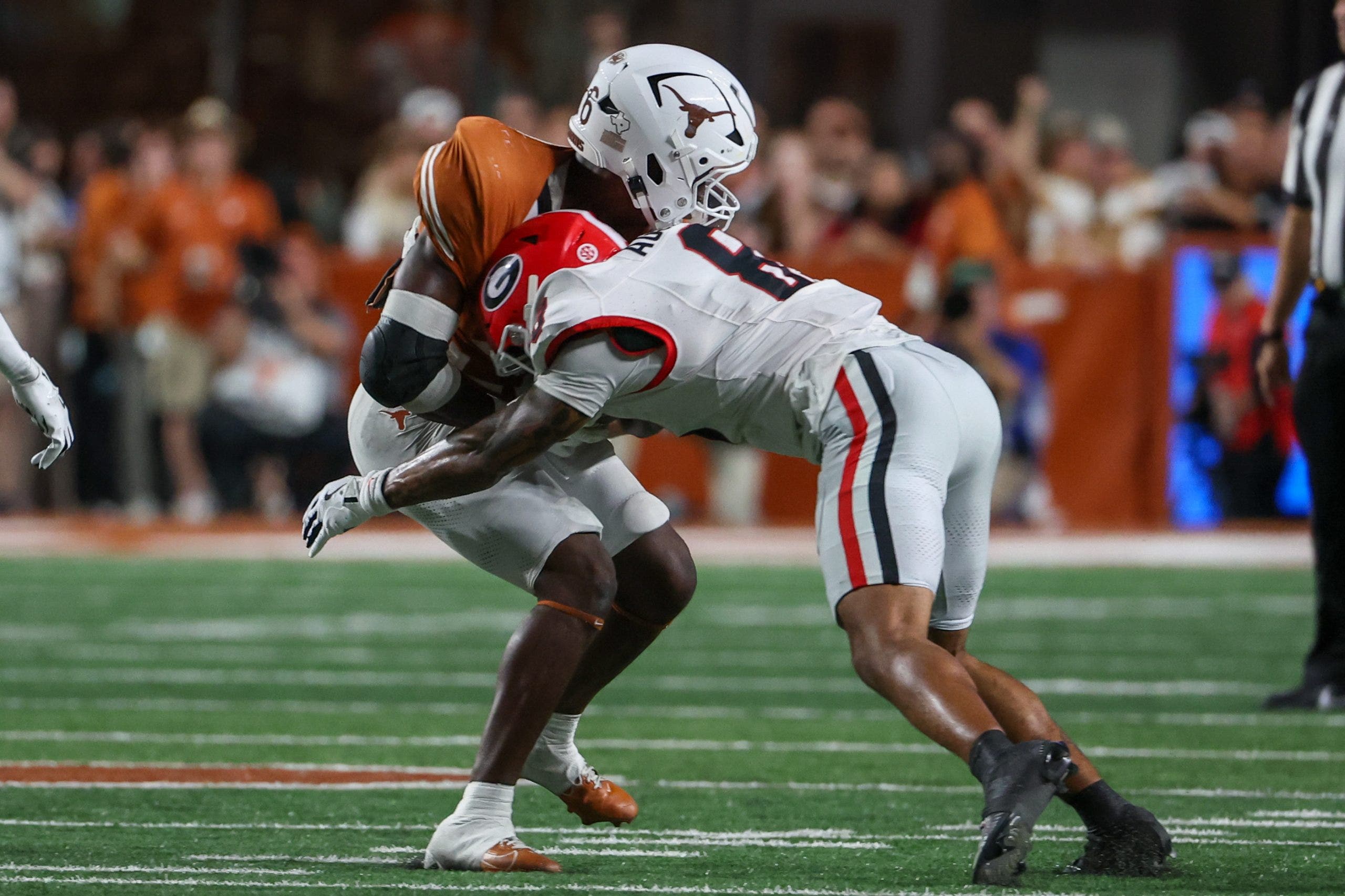
The NCAA rulebook outlines several key indicators that officials look for when assessing a potential targeting foul. Foremost among these is the act of a player leading with the crown of their helmet to deliver forcible contact. This action, regardless of whether the opponent is in a defenseless position, is an automatic flag for targeting. The rationale behind this is clear: the crown of the helmet is not designed for forceful impact, and using it in such a manner significantly increases the risk of severe head and neck injuries for both the player initiating the contact and the recipient.
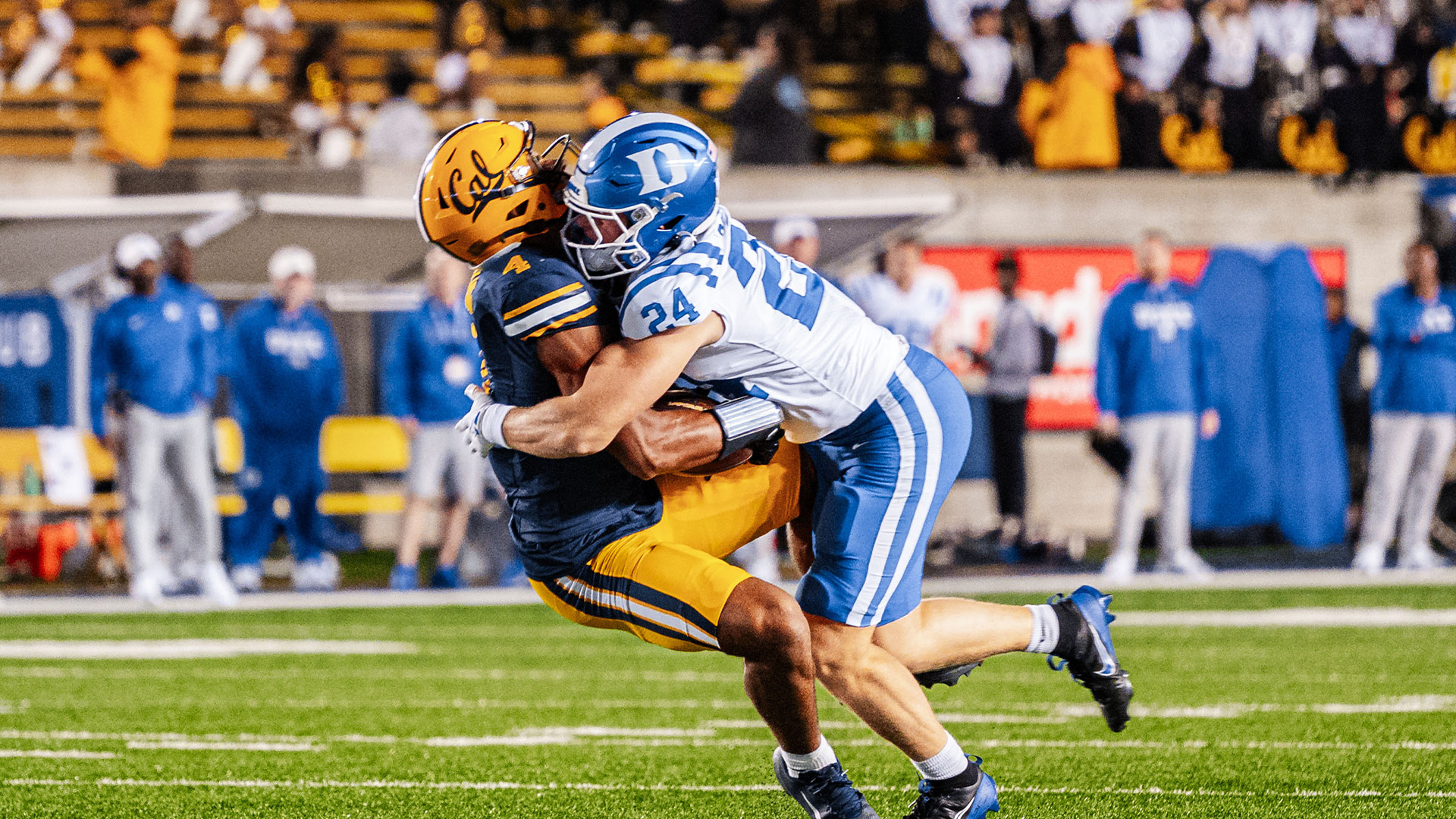
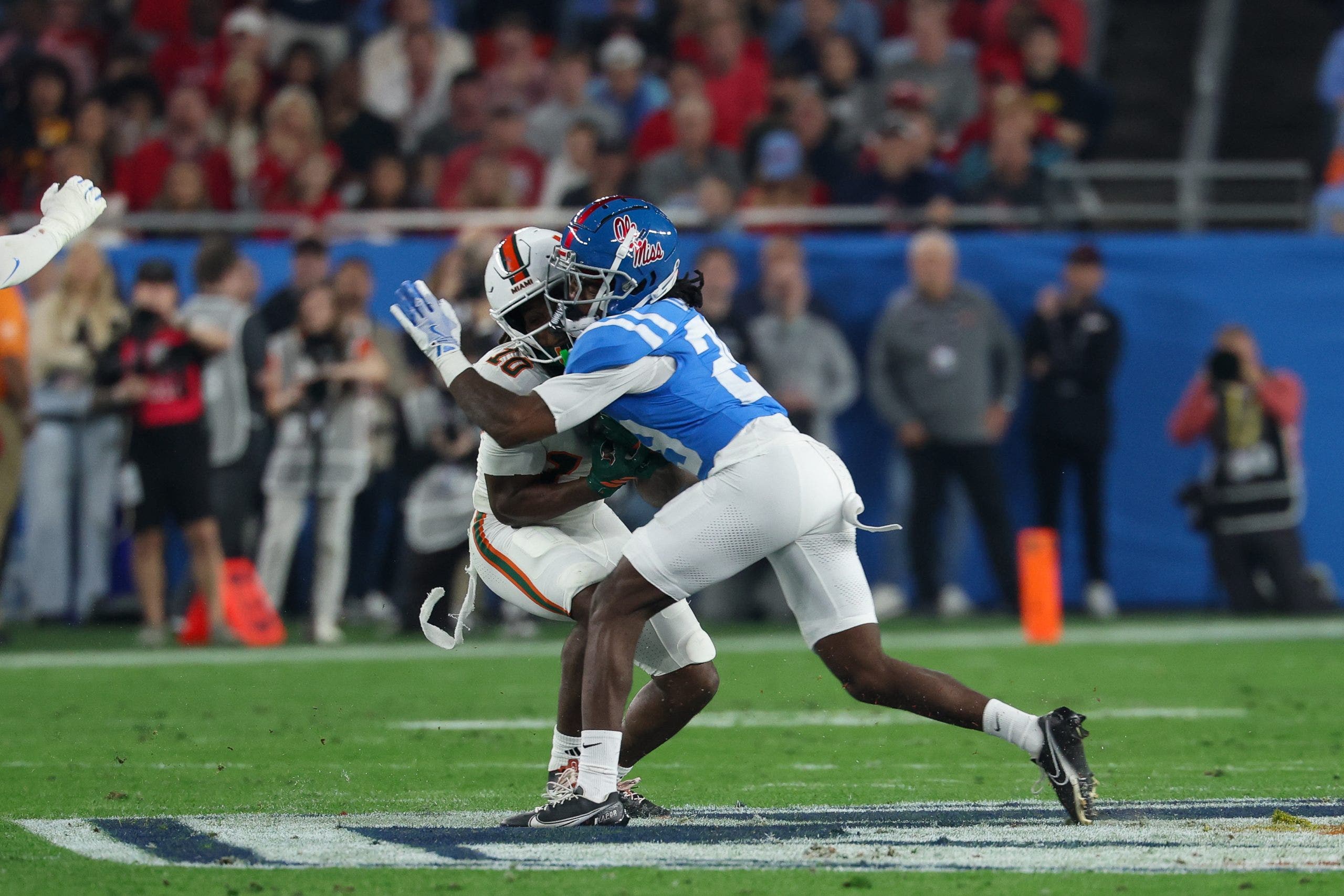
Beyond the crown-of-helmet rule, targeting also encompasses forcible contact made above the shoulders of a defenseless opponent. This category is particularly broad and can include a variety of actions, such as a helmet-to-helmet collision, a shoulder-to-head hit, or any forceful contact delivered to an opponent who is not in a position to protect themselves. The concept of a "defenseless opponent" is critical here. This can include players who are in the process of making a catch, players who have just thrown the ball, players who are lying on the ground, or players who are otherwise unaware of an impending hit. The intent is to protect athletes who are unable to brace for impact or react to avoid injury.
The officiating of targeting calls involves a multi-layered review process. When an official suspects a targeting foul, they will throw a flag, and the play will be stopped. The call is then subject to review by the replay official. Crucially, there is no "stand down" option for officials; the call must be either confirmed or overturned. This has led to increased scrutiny and, at times, controversy, as replays can be subjective and open to interpretation. The NCAA has provided a comprehensive list of indicators that contribute to a targeting determination, which includes, but is not limited to:
- Initiating contact with the crown of the helmet: As previously mentioned, this is a primary indicator.
- Launching or diving at an opponent: This implies an aggressive, uncontrolled movement designed to inflict maximum force.
- Lowering the head and initiating contact with the helmet or forehead: This is another variation of the crown-of-helmet rule.
- Using a forearm, elbow, or shoulder to the head or neck area of an opponent: This focuses on specific body parts used to deliver forceful contact to vulnerable areas.
- Driving an opponent into the ground or a goalpost: This refers to forceful impacts that can cause severe spinal or head injuries.
- Making forcible contact to an opponent who is in a defenseless posture: This reiterates the importance of protecting vulnerable players.
The penalty for a targeting foul is severe and designed to deter such dangerous play. Historically, the punishment has evolved, with the most significant change occurring in recent seasons. Under the current framework, a player who is flagged for targeting is immediately ejected from the remainder of that game. The severity of the ensuing suspension, however, is where the most significant tweaks have been implemented.
Previously, a targeting foul in the second half of a game resulted in an automatic disqualification for that game and a suspension for the first half of the team’s next scheduled game. This season, the rules have been adjusted to mitigate the carryover effect for a player’s first offense. Now, if a player is ejected for targeting in the second half of a game, they will not face a suspension for the first half of the following game. This change acknowledges that some second-half targeting calls might be less egregious and aims to prevent what some viewed as an overly punitive consequence for a single, isolated incident.
However, the rule still carries significant weight for repeat offenders. A second targeting foul within the same season will result in disqualification for the remainder of the current game and a suspension for the entire first half of the team’s next scheduled game. This clearly signals the league’s intent to penalize players who repeatedly engage in dangerous play.
Furthermore, the rule addresses situations involving three or more targeting penalties within a single season. In such cases, individual conferences have the discretion to initiate an appeal process. This appeal involves a video review conducted by the NCAA national coordinator of football officials. If the appeal is successful, the player may be eligible to play the entire game, effectively overturning the automatic suspension. This provision offers a pathway for addressing potential misinterpretations or circumstances where the repeated fouls might not reflect a consistent pattern of reckless behavior.
The question of ejection for targeting is a definitive "yes." As outlined, a player committing a targeting foul is ejected from the game in which the foul occurs. The subsequent implications, as detailed above, depend on whether it is a first offense or a repeat offense within the same season, and whether the foul occurs in the first or second half of a game. The nuances of these penalties are what contribute to the ongoing discussions and occasional frustrations.
The experimental nature of the targeting rule has been a recurring theme. The NCAA has consistently sought to refine the rule to balance player safety with the integrity of the game. Steve Shaw, the NCAA secretary-rules editor for football and national coordinator of officials, has been a key voice in these discussions. He emphasized that the current iteration is an experimental rule for the 2026 season, highlighting the league’s ongoing commitment to evaluating and potentially modifying the rule. Shaw noted that a significant change for this season is the requirement for replay officials to confirm all aspects of a targeting call, preventing subjective interpretations from leading to a confirmed foul without clear evidence. This move aims to increase the accuracy and fairness of targeting determinations. The commissioners’ desire to ensure this experimental rule doesn’t inadvertently encourage a new trend of dangerous play underscores the delicate balancing act the NCAA faces.
The potential for the rule to be in effect for only one season as an experiment underscores the ongoing debate and the search for a perfect solution. While the intent to protect players is universally lauded, the practical application of the rule, particularly in the fast-paced, high-impact environment of college football, remains a significant challenge. Coaches are constantly strategizing on how to teach their players to make legal, safe hits while still being effective defenders. Players, in turn, are under immense pressure to execute plays within the confines of a rule that can be difficult to interpret in real-time.
The evolution of targeting penalties reflects a broader trend in sports to prioritize athlete safety. From the NFL to youth leagues, governing bodies are continuously reassessing rules and implementing measures to reduce the incidence of concussions and other serious injuries. In college football, targeting has become the focal point of this safety initiative, and while its effectiveness in reducing injuries is undeniable, its impact on the flow and perception of the game continues to be a subject of intense scrutiny and discussion. As the season unfolds, every targeting call will undoubtedly be dissected, debated, and analyzed, further cementing its status as college football’s most polarizing rule. The ongoing dialogue and the experimental nature of the rule suggest that the quest for a perfectly balanced and universally understood targeting policy is far from over.
