
 By admin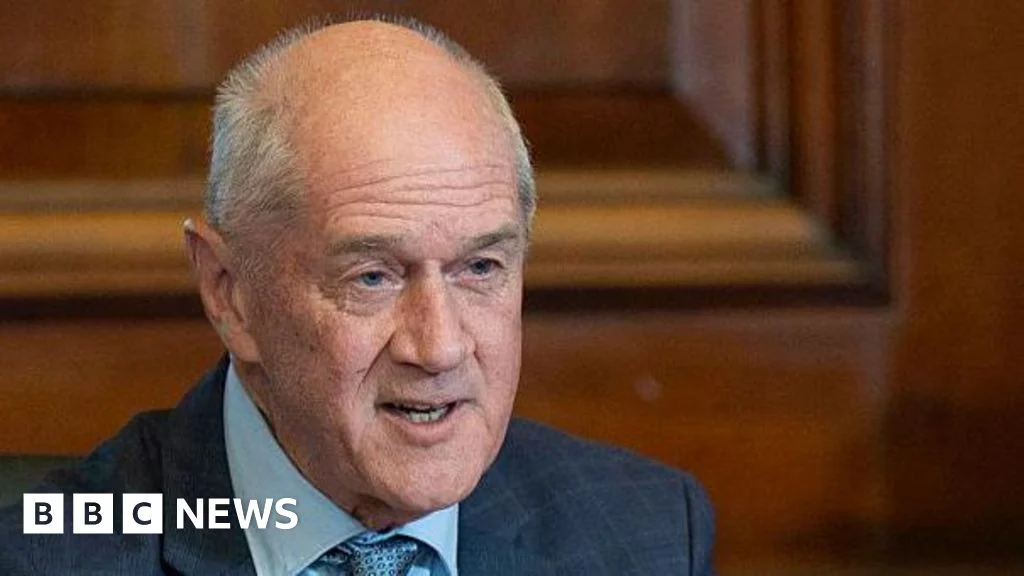
In a significant diplomatic development, South Africa’s President Cyril Ramaphosa has appointed Roelf Meyer, a prominent figure from the final years of the apartheid era, as the nation’s new ambassador to the United States. The announcement, made by the President’s office on April 15, 2026, comes at a critical juncture for bilateral relations, which have been strained by previous diplomatic incidents and differing political rhetoric. The appointment fills a crucial vacancy, with South Africa having been without a top envoy in Washington D.C. since the expulsion of Ebrahim Rasool in the previous year. Rasool’s departure followed his contentious remarks accusing then-President Donald Trump of employing "white victimhood as a dog whistle," a statement that further exacerbated already deteriorating ties between the two nations, particularly following Trump’s return to office in 2025.
Vincent Magwenya, the spokesperson for President Ramaphosa, confirmed the "immediate" nature of Meyer’s appointment to the BBC, emphasizing its strategic importance. "I can confirm that President Cyril Ramaphosa has appointed Meyer as South Africa’s ambassador to the US," Magwenya stated, signaling a proactive step to re-establish a strong diplomatic presence.
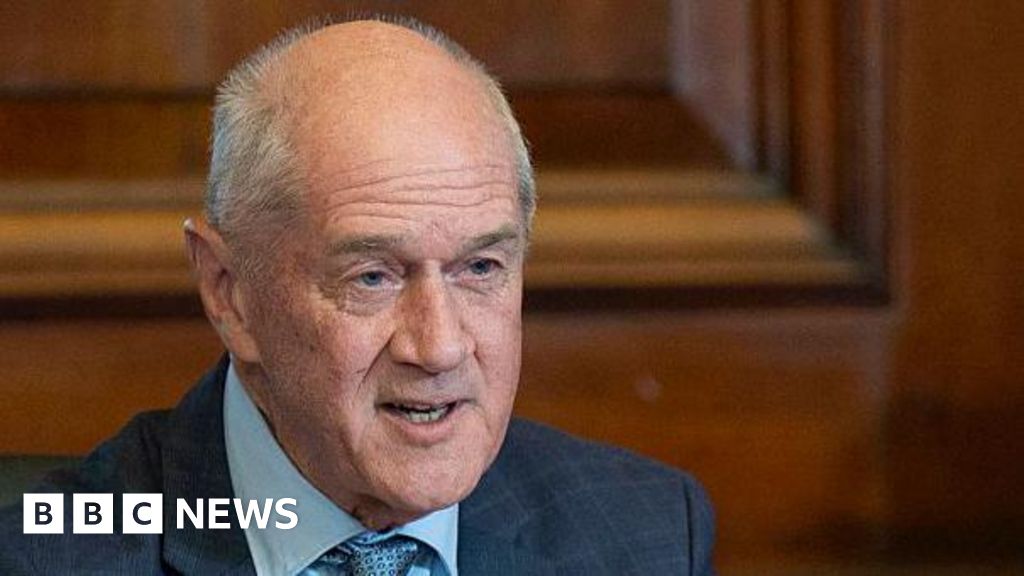
Roelf Meyer, now 78, brings a unique and historically significant background to this pivotal role. His involvement in the intricate negotiations that led to the dismantling of apartheid in the 1990s positions him as a figure deeply familiar with South Africa’s transformative journey. Alongside President Ramaphosa himself, Meyer served as one of the chief mediators during the arduous talks that ultimately brought an end to the brutal system of white-minority rule. At the time, Meyer was the chief representative of the National Party, the architects of apartheid, while Ramaphosa represented the African National Congress (ANC), led by the iconic Nelson Mandela. The partnership forged during these high-stakes negotiations transcended political divides, famously leading to a shared fishing trip and the foundation of a lifelong friendship between the two leaders, a testament to their ability to find common ground amidst profound societal challenges.
Meyer’s continued engagement in national discourse is further underscored by his selection last year by President Ramaphosa as part of a 32-member group of prominent South Africans tasked with guiding the nation’s dialogue on critical issues. This initiative aims to address the multifaceted challenges confronting the country, reflecting Meyer’s ongoing commitment to South Africa’s progress. His earlier career saw him serve as the Constitutional Affairs Minister in the final apartheid government, a role that placed him at the heart of the political machinations of the time. Following the transition to a democratic government in 1994, he joined the government of national unity under President Nelson Mandela. However, his tenure in this transitional government was relatively brief, as he departed two years later. He subsequently co-founded the United Democratic Movement, a political party that sought to bridge ideological divides, before eventually aligning himself with the ANC.
Meyer’s profile as a white Afrikaner who actively participated in the dismantling of apartheid makes his appointment particularly noteworthy. Within the National Party, he was recognized as a reformist voice, a stance that, for some hardline Afrikaners, led to him being labeled a "traitor" for his role in brokering peace and a new democratic order. This historical context is crucial when considering the broader diplomatic landscape, especially in light of recent political pronouncements concerning the Afrikaner community.
The Afrikaner population, primarily descendants of early European settlers, has been a subject of contentious debate, notably involving former US President Donald Trump. Trump has repeatedly claimed that Afrikaners in South Africa are facing "genocide and persecution," a narrative that has been widely discredited by international observers and South African authorities. This assertion was a significant factor in Trump’s decision early last year to announce a pause in aid to South Africa and to implement a policy that offered refuge to Afrikaners. President Ramaphosa has unequivocally refuted these claims, stating emphatically that it is "completely false" to assert that "people of a certain race or culture are being targeted for persecution." The stark divergence in perspectives on this issue highlights the underlying sensitivities and the potential for diplomatic friction.
The appointment of Roelf Meyer, a figure who actively worked towards reconciliation and a non-racial South Africa, can be interpreted as a strategic move by President Ramaphosa to navigate these complex dynamics. Meyer’s personal history and his role in the transition provide him with a unique vantage point and credibility when engaging with international partners, particularly on issues related to human rights, minority rights, and democratic transitions. His experience as a negotiator and his deep understanding of South African society are invaluable assets in fostering a more stable and constructive relationship with the United States.
The previous incumbent, Ebrahim Rasool, a distinguished academic and former Premier of the Western Cape, brought a wealth of experience to his role. However, his tenure was cut short by his outspoken criticism of the Trump administration. Rasool’s expulsion marked a low point in US-South Africa relations, underscoring the fragility of diplomatic ties when faced with divergent political ideologies and communication styles. The absence of a resident ambassador for an extended period left a void in direct communication channels, potentially hindering the ability to address pressing issues and foster mutual understanding.
The appointment of Meyer is thus not merely a procedural step but a deliberate diplomatic maneuver. It signals South Africa’s commitment to rebuilding and strengthening its relationship with the United States, a key economic and strategic partner. The US is a significant source of foreign investment, tourism, and development aid for South Africa. Furthermore, the two nations share common interests in areas such as global security, climate change, and public health.
Meyer’s mandate will undoubtedly involve navigating the complexities of US foreign policy, particularly under a potentially unpredictable administration. His ability to build rapport with American policymakers, engage in nuanced dialogue, and effectively represent South Africa’s interests will be paramount. His deep understanding of the historical context of racial and political tensions in South Africa, coupled with his firsthand experience in bridging divides, could prove instrumental in fostering greater understanding and mitigating potential misunderstandings.
Furthermore, Meyer’s appointment comes at a time when South Africa is seeking to enhance its influence on the global stage. As a prominent member of the African Union and a key player in the Southern African Development Community (SADC), South Africa plays a crucial role in regional stability and economic development. A strong relationship with the United States is vital for supporting these regional ambitions and for advocating for South Africa’s broader foreign policy objectives.
The choice of Meyer also reflects a potential effort to engage with a broader spectrum of American political thought. While the previous diplomatic tensions were largely directed at the Trump administration, the complexities of US domestic politics mean that South Africa must be prepared to engage with a diverse range of perspectives. Meyer’s background, having served in both the apartheid and post-apartheid governments, might offer him a unique ability to connect with different factions and understand the nuances of American political discourse.
The article also touches upon the controversial claims made by former President Trump regarding the persecution of Afrikaners. This issue has been a source of considerable friction and misunderstanding. Meyer’s appointment, given his own Afrikaner heritage and his role in the transition to democracy, could provide a valuable platform for South Africa to present its case directly and authoritatively to the US government and public. By having an ambassador who embodies the successful transformation of South Africa and who understands the sensitivities surrounding this issue, Pretoria can hope to counter misinformation and promote a more accurate portrayal of the country’s realities.
The decision to appoint Meyer also highlights the importance of continuity and experience in diplomacy. His long history of public service and his involvement in critical junctures of South Africa’s history suggest a level of maturity and strategic thinking that is essential for navigating the complexities of international relations. His appointment can be seen as a signal of South Africa’s intent to pursue a stable and predictable foreign policy, even amidst the shifting sands of global politics.
In conclusion, the appointment of Roelf Meyer as South Africa’s ambassador to the US is a multifaceted decision with significant diplomatic implications. It signals a commitment to restoring and strengthening bilateral relations, addresses a critical gap in diplomatic representation, and brings a seasoned negotiator with a profound understanding of South Africa’s history to a pivotal role. His success will depend on his ability to bridge divides, foster understanding, and effectively represent South Africa’s interests in a complex and often challenging international arena. The appointment is a clear indication of President Ramaphosa’s strategic approach to foreign policy, prioritizing experienced leadership and a nuanced understanding of historical context in navigating the nation’s diplomatic landscape.
