
 By Titik Puspa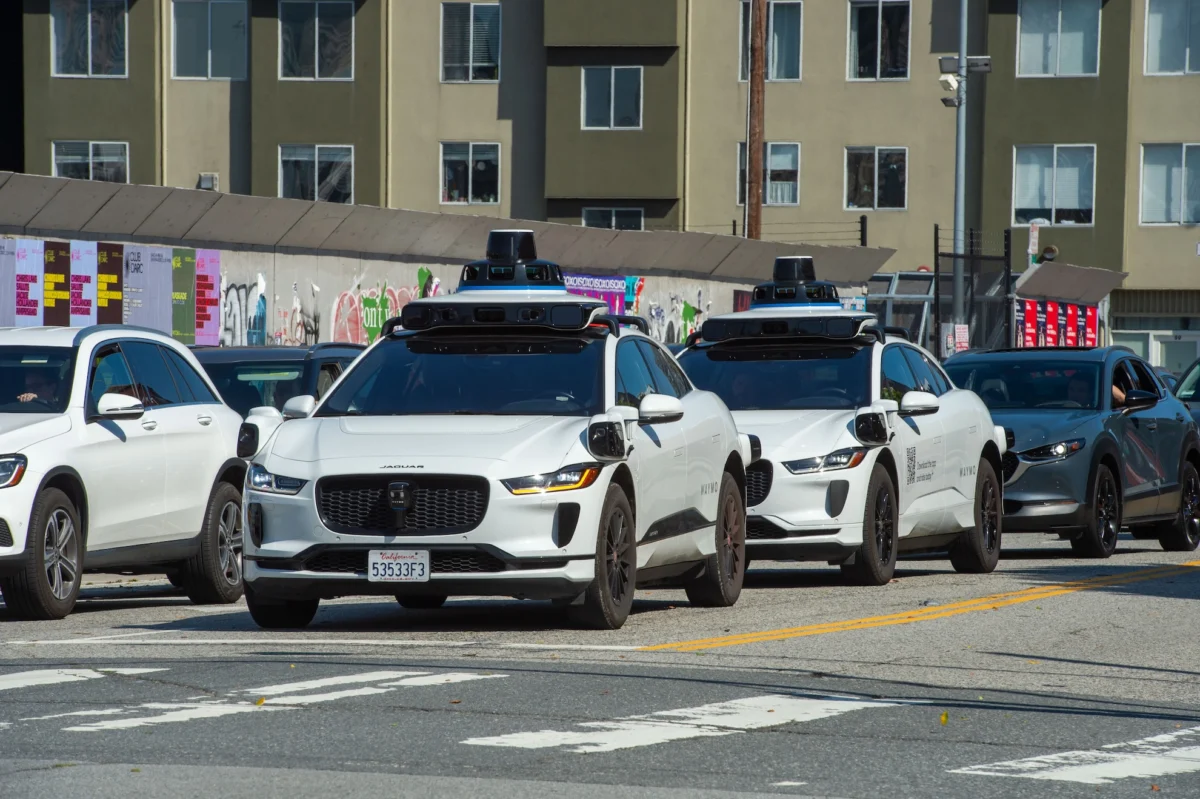
San Francisco Mayor Daniel Lurie, a vocal proponent who once championed the city as a "testbed for emerging tech," has found himself at a critical juncture, acknowledging the limits of unchecked technological advancement. His stance has shifted dramatically following a chaotic July 4th holiday weekend, where a significant influx of spectators for fireworks at the Golden Gate Bridge, coupled with a citywide power outage in December, led to extensive gridlock. During these events, Waymo’s autonomous vehicles became immobile, blocking crucial roadways and exacerbating traffic jams that impacted thousands of residents and municipal services. In response to this disruption, Mayor Lurie has formally requested state regulators to implement more robust rules governing the operation of autonomous vehicles (AVs) within California.
The catalyst for Lurie’s urgent appeal was the paralysis of San Francisco’s streets during the July 4th celebrations. An estimated 100,000 spectators converged to witness the Golden Gate Bridge fireworks, creating an unprecedented surge in traffic. Amidst this congestion, numerous Waymo robotaxis reportedly ran out of power, rendering them immobile and directly contributing to hours-long traffic jams. These stranded vehicles not only impeded regular commuter traffic but also ensnared municipal shuttles, effectively bringing a significant portion of the city to a standstill. This incident echoed a similar scenario in December, when a widespread power outage had also led to dozens of stranded Waymo vehicles, demonstrating a recurring vulnerability in the autonomous vehicle deployment strategy.
In a letter addressed to the California Department of Transportation, obtained by TechCrunch, Mayor Lurie articulated his concerns with the current regulatory framework governing AVs. He pointed out that the existing regulations are insufficient to address the complexities of AV operations during "major incidents, planned or not." Lurie emphasized that the challenge for California extends beyond ensuring AV safety under normal operating conditions, stating, "California’s challenge now is not just whether autonomous vehicles can operate safely under normal conditions, but also whether they can perform reliably during extraordinary ones." This statement underscores a fundamental shift in his perspective, moving from an embrace of innovation to a demand for resilience and accountability in the face of real-world operational challenges.
Mayor Lurie has outlined four "core operational capabilities" that he believes AV manufacturers must demonstrate. He has urged the California Department of Transportation to establish statewide standards designed to prevent future traffic disruptions of the magnitude seen on July 4th. Under Lurie’s proposed framework, AV companies would be mandated to ensure the immediate removal or relocation of their robotaxis from active travel lanes during periods of high congestion or emergencies. This would be crucial to maintaining the flow of traffic and preventing gridlock. Furthermore, companies would be required to possess the capability to adapt in real-time, dynamically adjusting their routes, service areas, and pickup and drop-off locations in response to changing traffic conditions or unforeseen events.
A critical component of Lurie’s proposal involves enhanced data sharing. He insists that AV operators must share real-time operational data with local agencies. This data would include information on service disruptions, the precise locations of any immobile robotaxis, and details of recovery efforts. Such transparency is intended to equip city officials with the necessary information to manage traffic effectively and respond swiftly to incidents. Moreover, Lurie advocates for rigorous testing protocols that require companies to demonstrate, through validated testing, their capacity to handle large influxes of people and traffic without causing significant disruptions. This proactive approach aims to shift the burden of proof onto the AV companies, requiring them to prove their systems are robust enough for the unpredictable nature of urban environments.
While Waymo has been a focal point due to its extensive operations, the broader implications of Lurie’s call extend to all autonomous vehicle companies seeking to operate in California. Currently, any company aspiring to run a robotaxi service in the state must navigate a dual permitting process. This involves obtaining approval from the California Department of Motor Vehicles (DMV) for testing and deployment, and from the Public Utilities Commission (CPUC) for commercial operations. California’s regulatory environment is generally considered more stringent than that of states like Texas and Arizona, which have seen more rapid AV expansion. Despite these stricter requirements, major players like Waymo, Nuro, and Zoox, along with emerging services like Uber’s planned premium robotaxi offering, continue to pursue operations in the Golden State, recognizing its significance as a hub for technological innovation and a gateway to a vast market.
San Francisco and the surrounding Silicon Valley region have historically served as a fertile ground for the development and testing of autonomous vehicle technology. The presence of six companies, including Nuro, Waymo, and Zoox, holding driverless testing permits signifies the advanced stage of AV development in the area. These permits allow vehicles to operate without a human safety operator, pushing the boundaries of autonomous driving capabilities. However, the transition from testing to widespread commercial deployment introduces a new set of challenges, requiring additional permits from the DMV and CPUC, which are designed to ensure public safety and operational reliability.
Waymo stands out as the largest operator in the Bay Area, with an estimated 1,000 robotaxis currently deployed. The company’s extensive reach and operational scale have inevitably made it a primary focus for regulators and city officials grappling with the practical implications of AV integration. Waymo has reported completing over 500,000 paid rides weekly across the 11 cities it operates in, highlighting its significant market presence. In San Francisco, the company had reportedly agreed to restrict its service on July 4th in areas near the waterfront and had even assigned a representative to the city’s emergency center. However, these voluntary measures proved insufficient to prevent Waymo vehicles from becoming entangled in the heavy traffic that extended beyond the designated restricted zones.
Mayor Lurie’s assertion that voluntary actions are no longer adequate reflects the sheer scale of Waymo’s operations and the challenges it presents to urban infrastructure. He believes that his proposed four requirements will not hinder the advancement of autonomous vehicles but rather "strengthen them" by ensuring they are integrated into the urban fabric in a more responsible and resilient manner. This perspective emphasizes a move towards mandatory, standardized protocols rather than relying on ad-hoc agreements or company self-regulation. The mayor’s vision is to foster an environment where emerging technologies can thrive, but only if they are demonstrably capable of coexisting harmoniously and reliably with existing urban systems and the needs of the public.
The debate over autonomous vehicle regulation in San Francisco is emblematic of a broader national discussion concerning the future of transportation. As AV technology matures, cities and states are increasingly faced with the complex task of balancing innovation with public safety, traffic management, and the potential for technological disruption. The events of July 4th served as a stark reminder that while AVs promise efficiency and convenience, their integration into complex urban environments requires careful planning, robust regulatory oversight, and a commitment to ensuring that technological progress does not come at the expense of public well-being and the smooth functioning of essential city services. The path forward for autonomous vehicles in California, and indeed across the country, will likely involve a continued dialogue between technology developers, regulators, and the communities they aim to serve, with a growing emphasis on operational reliability during extraordinary circumstances.
