
 By admin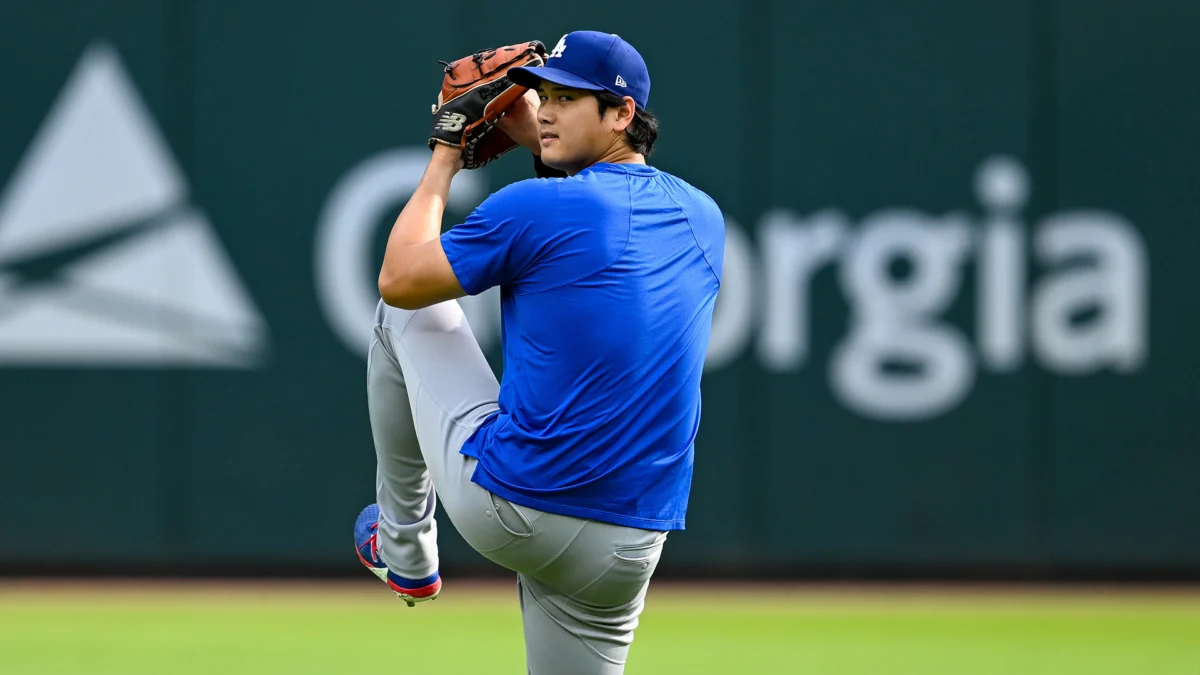
Shohei Ohtani, the transcendent two-way superstar for the Los Angeles Dodgers, has been scratched from his scheduled start on Sunday against the Detroit Tigers due to persistent knee discomfort that surfaced during a bullpen session on Friday. This decision, confirmed by manager Dave Roberts, injects another layer of uncertainty into Ohtani’s pitching schedule, a topic that has been under increasing scrutiny as the season progresses. Roberts indicated that Ohtani’s knee has not yet returned to a pain-free state, and compounding the issue, the reigning American League MVP is also experiencing minor irritation in his biceps muscle, an area that had previously troubled him earlier in the current inning.
The implications of this withdrawal are significant, not only for the Dodgers’ immediate pitching plans but also for the long-term management of Ohtani’s unique skillset. With Ohtani sidelined from his pitching duties, Tyler Glasnow, who was originally slated to follow him in the rotation, will now be tasked with taking the mound on Sunday. This adjustment underscores the delicate balance the Dodgers must strike in utilizing Ohtani, a player whose dual-threat capabilities are unprecedented in modern baseball. The decision to not have Ohtani pitch, even for a limited number of innings, highlights the organization’s commitment to prioritizing his overall health and longevity, particularly given his extensive history of elbow and knee issues that have necessitated significant medical interventions in the past.
Ohtani’s last pitching appearance was on July 3rd, where he delivered a commendable six innings in a 4-3 victory over the San Diego Padres. The expectation for his Sunday outing was a more restrained workload, likely limited to an inning or two as he continued his ramp-up process following a previous layoff. Roberts articulated the strategic dilemma facing the team: "The hard part right now is trying to figure out if he’s not 100% in the overall body, is it worth giving him an inning to build him up?" This question encapsulates the complex calculus involved in managing a player of Ohtani’s caliber, where the potential benefits of maintaining pitching rhythm must be weighed against the considerable risks of re-aggravating existing injuries.
Despite these pitching-related setbacks, Ohtani’s prowess at the plate remains largely unaffected. He has demonstrated remarkable resilience, continuing to contribute offensively even while navigating physical discomfort. Since his last pitching performance on July 3rd, Ohtani has maintained an impressive batting average of .274, accompanied by 12 home runs in 45 games. This offensive output underscores his value to the Dodgers, even when his pitching contributions are curtailed. Furthermore, the acquisition of left-handed ace Tarik Skubal has provided the Dodgers with a significant boost to their rotation, allowing them to absorb Ohtani’s absence from the mound with greater confidence. Skubal’s addition has undoubtedly eased the burden on the rest of the pitching staff and provided a formidable counterpoint to Ohtani’s current limitations.
The history of Ohtani’s injuries, particularly those related to his pitching arm, is a well-documented narrative that has shaped his career trajectory and the strategic approach of his teams. Following his rookie season in Japan with the Nippon-Ham Fighters, Ohtani underwent Tommy John surgery in 2018, which significantly impacted his ability to pitch. While he was able to continue hitting, his pitching return was delayed until the following season. This pattern of injury and recovery has instilled a cautious approach from the Dodgers’ medical and coaching staff, who are acutely aware of the delicate nature of his throwing arm. The current knee issue, while not directly related to his elbow, adds another layer of concern, as any physical ailment can potentially impact a player’s biomechanics and overall performance.
The Dodgers’ decision to play it safe with Ohtani is also influenced by the club’s current standing in the highly competitive National League West division. While they have established a comfortable lead, the long-term goal is to have Ohtani at his absolute best for the crucial postseason stretch. Sacrificing a few starts now to ensure his full recovery and readiness for October baseball is a sound strategic move. The team’s depth, bolstered by key acquisitions and the emergence of other talented players, provides them with the necessary resources to weather Ohtani’s pitching absences.
Beyond the immediate impact on the Dodgers, Ohtani’s situation also raises broader questions about the future of two-way players in professional baseball. His unprecedented success has ignited a debate about whether more players will attempt to emulate his dual-threat capabilities. However, Ohtani’s unique physical gifts and the rigorous demands placed on both pitchers and hitters suggest that his career path may remain an anomaly. The constant need to balance the development and maintenance of two distinct skill sets presents a significant challenge, and Ohtani’s ongoing injury management serves as a potent reminder of these inherent complexities.
The financial implications of Ohtani’s contract, the largest in MLB history, also play a role in the decision-making process. The Dodgers are investing a colossal sum in Ohtani’s talent, and their primary objective is to maximize his contributions over the duration of his 10-year, $700 million deal. This long-term perspective necessitates a proactive and protective approach to his health, ensuring that he can deliver on his immense potential for years to come. Any significant injury could jeopardize not only the Dodgers’ championship aspirations but also the value of their historic investment.
The statistical evidence of Ohtani’s impact is undeniable. In his MLB career, he has consistently demonstrated elite performance in both pitching and hitting. His career ERA as a pitcher, coupled with his prodigious home run totals, has cemented his status as a generational talent. The ability to excel at such a high level in two demanding disciplines is a testament to his dedication, work ethic, and extraordinary physical gifts. However, the physical toll of performing at this level cannot be underestimated, and the current setbacks serve as a stark reminder of the inherent vulnerabilities associated with such a demanding role.
Looking ahead, the Dodgers will undoubtedly continue to monitor Ohtani’s progress closely. His next pitching outing will be determined by his recovery from both the knee and biceps issues. The team’s medical staff will likely employ a gradual reintroduction to pitching, potentially involving simulated games or extended bullpen sessions before he is cleared to return to the starting rotation. The focus will be on ensuring he is not only pain-free but also physically capable of withstanding the rigors of multiple innings on the mound.
The reporting by The Associated Press, as cited in the original content, highlights the collaborative nature of baseball news dissemination. The details provided by the AP contribute to a broader understanding of the situation, offering insights from sources close to the team and the player. This ensures that the public receives accurate and timely information regarding significant developments in the league.
In conclusion, Shohei Ohtani’s withdrawal from Sunday’s start against the Detroit Tigers is a consequence of ongoing knee discomfort and minor biceps irritation. This decision, driven by a commitment to his long-term health and performance, necessitates adjustments to the Dodgers’ pitching rotation. While Ohtani continues to excel at the plate, his pitching schedule remains uncertain, underscoring the delicate balance required to manage his unique two-way talent. The Dodgers’ strategic approach, influenced by his injury history, contract, and championship aspirations, prioritizes his full recovery and readiness for the postseason, ensuring that this generational talent can continue to shape the future of baseball.
