
 By admin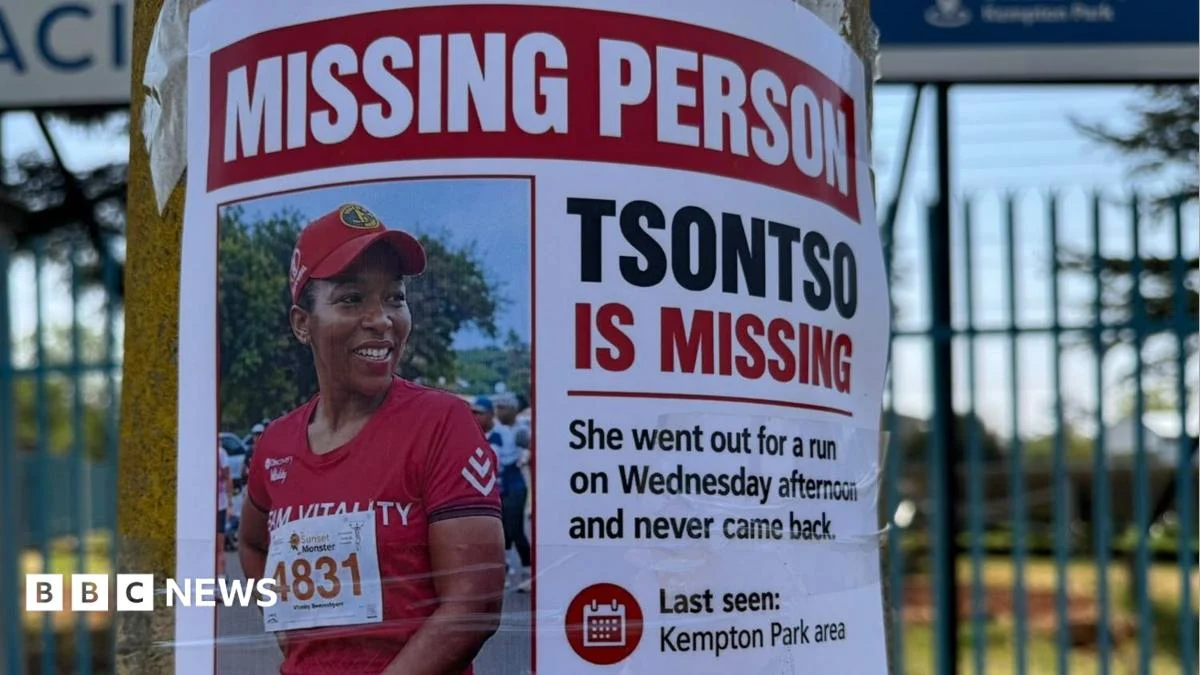
In the wake of a chilling series of discoveries, South African President Cyril Ramaphosa has issued a resolute promise that "no stone will be left unturned" in the pursuit of those responsible for the brutal killings of several women in and around the town of Kempton Park, situated north-east of Johannesburg, over the past two months. The grim tally climbed further on Tuesday morning with the discovery of another body, bringing the total number of women whose deaths are now under intense police scrutiny to seven. Authorities have revealed that most of the victims were found either partially or fully naked, a detail that has intensified public fear and outrage.
President Ramaphosa acknowledged the profound impact of these atrocities, stating, "These incidents are causing fear and uncertainty in our communities, and especially among women." This statement underscores the palpable sense of dread gripping the nation, particularly for its female population, who are already acutely aware of South Africa’s grim statistics regarding gender-based violence.
While police are meticulously investigating all avenues, they have not yet officially linked the deaths to a single serial killer. Instead, their current focus is on the possibility that a group of individuals may be orchestrating these horrific acts. "It could be that it’s a copycat crime that is happening right here but so far, no linkages as yet," stated police spokesperson Brig Athlenda Mathe, highlighting the complex and potentially multifaceted nature of the investigation.
A single arrest has been made in connection with the discovery of the first body, and the individual remains in police custody as the investigation progresses. However, the identification of the victims has been a slow and agonizing process, with only two of the seven women positively identified thus far. This lack of immediate identification further fuels the fear and uncertainty surrounding the case, leaving families in desperate limbo.
One of the identified victims is Elizabeth Moselakgomo, a runner whose disappearance last week had triggered a frantic and highly publicized search by her family and the community. Her identification on Monday, after her body was discovered on Saturday, brought a tragic conclusion to the anxious wait for her loved ones. The 38-year-old’s young daughter had initially raised the alarm about her mother’s unexplained absence after she failed to return from her daily run the previous Wednesday. This detail paints a poignant picture of a normal routine shattered by unimaginable violence.
President Ramaphosa has emphasized the urgency of the situation, directing that these cases be given the highest priority. "Our law enforcement agencies are working urgently to establish the facts, keep communities safe and bring the perpetrator or perpetrators to justice," he declared. This directive signals a commitment from the highest echelons of government to address the escalating crisis.
The grim discoveries in Kempton Park occur against a backdrop of deeply entrenched gender-based violence (GBV) in South Africa, a nation that consistently ranks among those with the highest rates of femicide globally. According to UN Women, the rate at which women are killed in South Africa is a staggering five times higher than the global average. This stark statistic highlights the systemic issues and pervasive societal challenges that contribute to the vulnerability of women. The recent spate of killings has thus amplified existing anxieties and criticisms directed at authorities for their perceived failure to adequately protect women.
The timeline of the discoveries reveals a disturbing pattern of escalating violence. The body of the first woman was found in mid-July, followed by the second in late August. The remaining five bodies were discovered in September, with two found within the last two days leading up to Tuesday’s announcement. On Tuesday, police confirmed that the body of a woman found on September 7th in a town adjacent to Kempton Park was also being included in the investigation, bringing the total to seven.
Maj-Gen Fred Kekana, acting police chief for Gauteng province, provided further chilling details at a briefing. "After noticing that there are bodies being picked up, we went back to our police stations… and unfortunately it came to light that a body of a female in her late 20s was observed in a river next to a mall," he stated. This detail about the location of one of the bodies, near a public space, adds another layer of shock and raises questions about the audacity of the perpetrators.
In response to the heightened risk, police have issued a stern warning to women in the Kempton Park area, which is notably home to South Africa’s main international airport. They have urged women to avoid walking or running alone, particularly in isolated areas. This advisory, while practical, also serves as a stark reminder of the pervasive danger that women now face even in their daily routines.
The Commission for Gender Equality has also stepped in, urging residents of Kempton Park to actively cooperate with the police by providing any information that could help apprehend the perpetrators. The commission’s statement eloquently captured the broader implications of these killings: "These deaths are indicative that women in South Africa continue to face environments in which their ordinary freedom of movement can become a matter of life and death." They further emphasized the fundamental right that women should not have to live in constant fear. "Women should be able to run, walk to work, use public transport, return home, visit friends and participate in community life without having to calculate whether an ordinary activity could place their lives at risk."
The Kempton Park incidents are not isolated events but rather a brutal manifestation of a national crisis. The underlying factors contributing to South Africa’s high rates of GBV are complex and deeply rooted, encompassing issues such as societal norms that perpetuate patriarchal attitudes, high rates of unemployment and poverty that can exacerbate social tensions, and a history of violence that has normalized aggression. The economic hub surrounding Johannesburg, while a center of opportunity, can also be a breeding ground for crime and exploitation, particularly in its peripheral areas.
The discovery of the bodies, many of them found unclothed, has raised disturbing questions about the nature of the crimes. While police are cautious about premature conclusions, such details often point towards sexual violence or ritualistic elements. The inclusion of victims of varying ages and backgrounds further complicates the profile of the alleged perpetrator(s). The fact that two bodies were found in a river and another near a mall suggests a degree of calculated disposal or a desperate attempt to conceal evidence.
The public response has been a mixture of grief, anger, and a desperate plea for action. Social media has been flooded with messages of solidarity for the victims and their families, as well as condemnation of the violence. Hashtags demanding justice and an end to femicide have trended, reflecting the widespread demand for accountability. Community leaders and civil society organizations have been at the forefront of advocating for increased police visibility, improved victim support services, and more robust preventative measures.
The investigation is likely to involve a multidisciplinary approach, drawing on forensic science, intelligence gathering, and community outreach. Police will be scrutinizing CCTV footage from the Kempton Park area, interviewing potential witnesses, and analyzing any forensic evidence recovered from the crime scenes. The involvement of the Gauteng provincial police, given its proximity to the capital city and its role as a major economic hub, underscores the significance of this case.
The challenge for the South African Police Service (SAPS) is immense. They must not only apprehend the individuals responsible but also rebuild public trust, which has been eroded by previous failures to effectively combat violent crime, particularly against women. The commitment from President Ramaphosa to leave "no stone unturned" is a crucial step, but it must be translated into tangible actions and sustained efforts.
The Kempton Park killings serve as a tragic and urgent reminder of the ongoing battle against gender-based violence in South Africa. They highlight the urgent need for a societal shift in attitudes towards women, coupled with effective law enforcement and comprehensive support systems for victims. Until every woman in South Africa can move freely and safely, the promise of justice will remain an elusive, yet critical, pursuit. The coming days and weeks will be crucial in determining the progress of the investigation and, more importantly, in restoring a sense of security to the communities affected by this horrific wave of violence. The nation watches, hoping that the perpetrators will be brought to justice and that the cycle of fear can finally be broken.
