
 By admin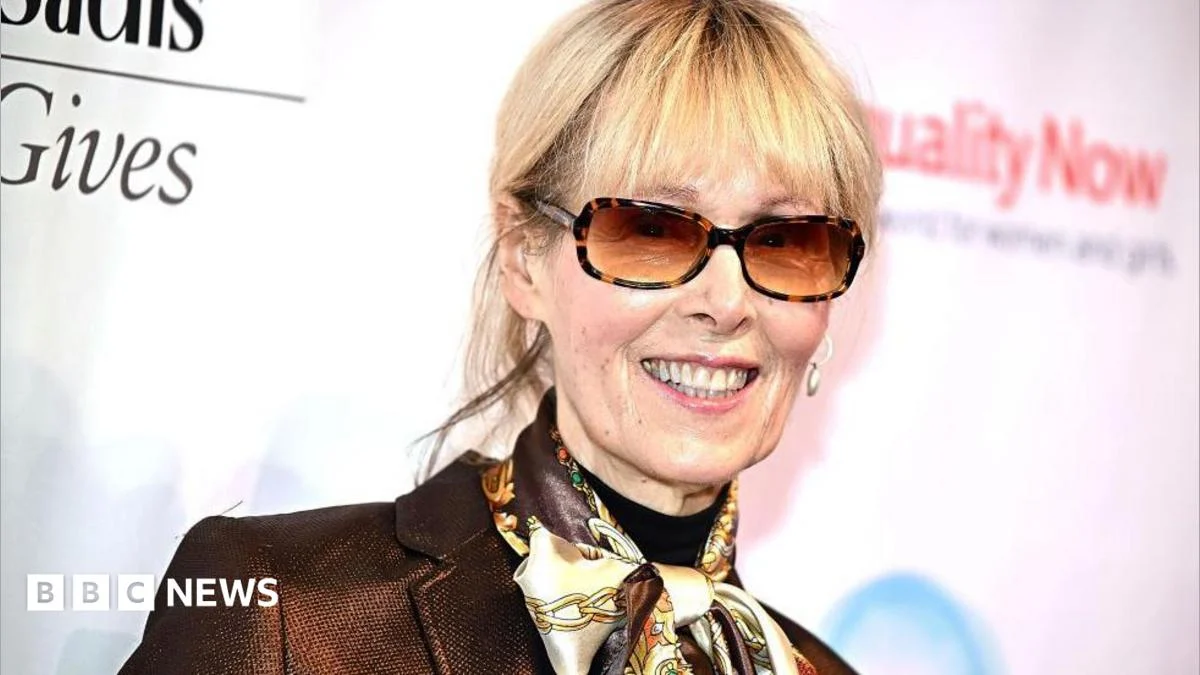
In a significant development that solidifies the legal standing of writer E. Jean Carroll’s civil claims against him, the United States Supreme Court has once again refused to hear former President Donald Trump’s appeals, effectively upholding a federal jury’s finding that he sexually abused and defamed her. This marks the second time the nation’s highest court has rebuffed Trump’s efforts to overturn the verdict in the civil case, sending a clear message that his legal challenges in this specific matter have reached a decisive end. The justices’ decision, announced on Monday as part of their routine order list, offered no accompanying explanation for their denial, a common practice for the court when declining to hear cases.
The repeated rejections by the Supreme Court underscore the finality of the jury’s findings and the subsequent legal proceedings. In June, the court had already denied a prior attempt by Trump to review the civil case, indicating a consistent reluctance to engage with the particulars of the dispute. Trump, who has vociferously denied any wrongdoing throughout the legal process, had centered his arguments on the assertion that the judge who presided over the civil trial improperly allowed evidence to be presented that he claimed unfairly influenced the jury’s perception of him. This included, most notably, the infamous "Access Hollywood" tape from 2005, where Trump was recorded using lewd language describing his interactions with women. Trump’s legal team argued that this footage, recorded years before the alleged assault, was prejudicial and should not have been shown to the jury.
Following the initial jury verdict in May, Trump was ordered to pay Carroll $5 million in damages for the sexual abuse and defamation claims. By July, he had remitted this payment to Carroll, fulfilling the judgment stemming from her civil claim that Trump sexually assaulted her in the mid-1990s in a Bergdorf Goodman department store dressing room in Manhattan. The defamation aspect of the case arose from Trump’s subsequent public statements, particularly a post on his social media platform, Truth Social, in October 2022, where he vehemently denied Carroll’s allegations and dismissively stated that she was "not my type," an assertion that further harmed her reputation and contributed to the jury’s defamation finding.
In the wake of the Supreme Court’s latest refusal, E. Jean Carroll expressed her gratitude to her legal team and her widespread support network. In a newsletter disseminated on Monday, Carroll articulated her perspective, stating, "One old lady cannot make a difference. But when that old lady has a team of the most brilliant attorneys in America, and when that old lady has the support of women around the world, that old lady can do the impossible." This statement reflects her resilience and the collective effort that underpinned her successful legal battle.
Roberta Kaplan, Carroll’s lead attorney, emphasized the definitive nature of the Supreme Court’s decision. She stated that the jury’s verdict, which found Donald Trump to have both sexually assaulted and defamed E. Jean Carroll, "is now final and cannot be challenged in any court." This assertion highlights the legal closure brought about by the Supreme Court’s refusal to intervene, meaning the findings of liability and the initial damages award stand.
Legal experts generally regard the Supreme Court’s denial of rehearings, particularly after an initial rejection, as an unusual and often futile legal maneuver. The court typically grants review in cases that present significant legal questions or conflicts among lower courts, and Trump’s request was seen by many as a long-shot attempt to revisit a decided matter. The justices’ adherence to their established practices in this instance underscores the robust legal framework that has guided the Carroll case to its conclusion.
E. Jean Carroll, now 82 years old, is a respected former magazine columnist and author whose lawsuit brought to light deeply personal allegations against a former U.S. President. Her account detailed an alleged sexual assault in a luxury Manhattan department store dressing room in the mid-1990s. The defamation claim, as previously noted, stemmed from Trump’s public denials and dismissive remarks about Carroll, particularly his 2022 Truth Social post.
While Trump has yet to issue a direct statement on the Supreme Court’s most recent decision, his past reactions to the legal proceedings provide insight into his ongoing stance. Following the court’s earlier June decision, Trump took to Truth Social to vow his continued opposition to what he characterized as a "weaponization and lawfare case" and a "ridiculous" defamation claim. He argued that the case was not merely about him but was, in fact, "against the United States of America, and all it stands for, and should never be allowed to happen to another President, or Candidate to be." This framing suggests his belief that the legal challenges against him are politically motivated and set a dangerous precedent for future presidential candidates.
In their initial petition to the Supreme Court, Trump’s lawyers had specifically argued that Carroll’s legal team should not have been permitted to present the now-infamous "Access Hollywood" footage to the jury. They contended that the 2005 recording, in which Trump engaged in graphic and lewd discussions about groping and kissing women without consent, was unduly prejudicial and served to unfairly prejudice the jury against him. The jury, however, evidently found the evidence persuasive, considering it within the broader context of Carroll’s testimony and other corroborating evidence.
Beyond the current verdict, Trump is also seeking the Supreme Court’s intervention in a separate federal civil defamation case brought by E. Jean Carroll. In that proceeding, a jury awarded Carroll an additional $83.3 million in damages. His legal team’s argument in this second case centers on the assertion that Trump, as a former president, should be immune from lawsuits for statements made during his time in office. This novel legal argument raises complex questions about the scope of presidential immunity and its application to defamation claims. The Supreme Court has yet to make a decision on this separate petition, leaving the outcome of that substantial award uncertain for the time being.
The Supreme Court’s consistent refusal to engage with Trump’s appeals in the first civil case signifies a clear affirmation of the jury’s verdict and the legal processes that led to it. It suggests that, at least for now, the legal battles stemming from E. Jean Carroll’s allegations of sexual abuse and defamation have reached a conclusive stage in the federal court system. The ongoing legal challenge concerning the $83.3 million award, however, remains pending before the Supreme Court, representing a distinct but related front in the protracted legal dispute. The implications of these rulings extend beyond the individuals involved, touching upon broader societal discussions about accountability, the impact of public figures’ statements, and the legal protections afforded to individuals who come forward with allegations of sexual misconduct.
