
 By admin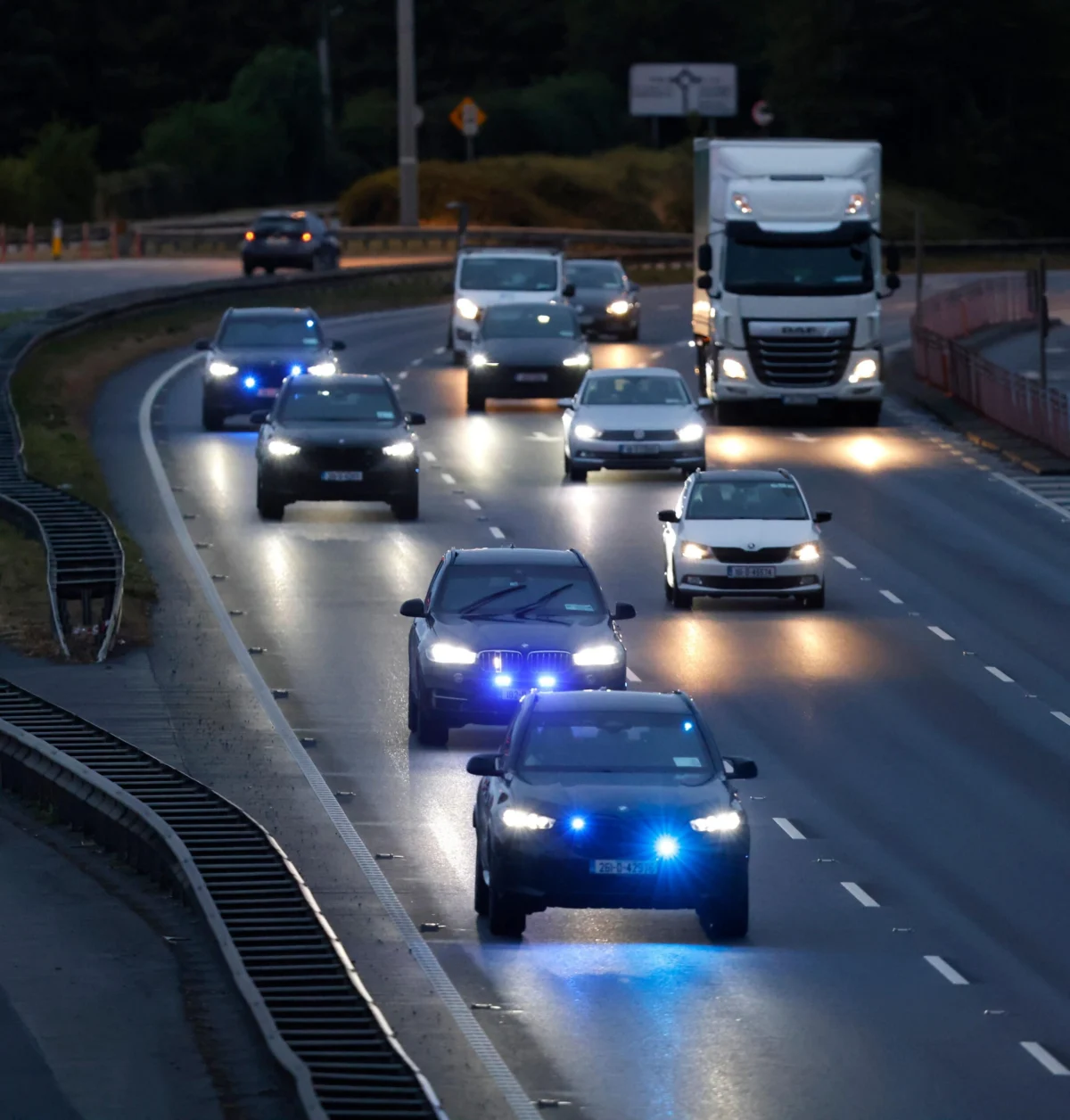
In a development that reverberated through international law enforcement circles, suspected crime boss Daniel Kinahan, long considered one of the world’s most elusive and wanted individuals, has been extradited from Dubai and appeared before a Dublin court. The 49-year-old faces serious charges of directing the activities of a criminal organisation, an accusation spanning from October 18, 2015, to April 6, 2017. His arrival in Dublin was a meticulously orchestrated affair, culminating in his arrest and formal charging upon landing via an Irish government jet shortly after 18:00 local time. The subsequent court appearance was a brief, non-jury hearing at the Special Criminal Court, lasting just 13 minutes, during which Kinahan was remanded in custody until October 5.
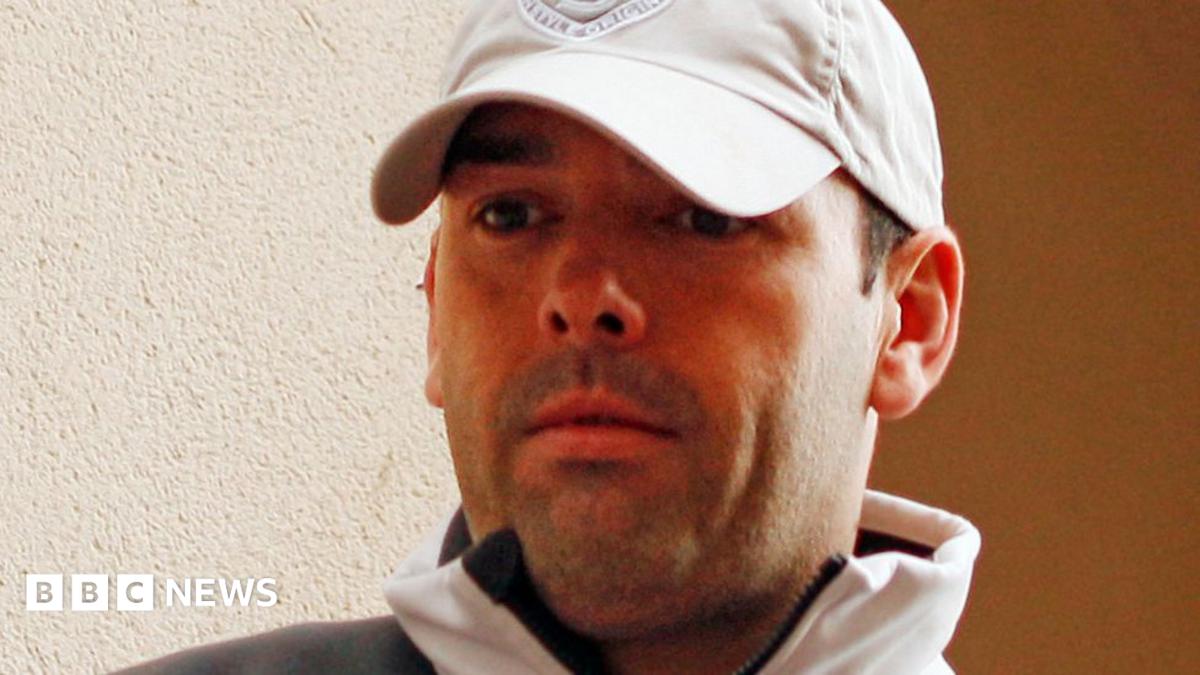
Kinahan’s journey to this Dublin courtroom began with his arrest in the United Arab Emirates (UAE) in April. For months, he vigorously contested extradition attempts, but his appeals were ultimately unsuccessful, paving the way for his return to Ireland to face justice. The gravity of the charges against him is underscored by the long-standing reputation of the Kinahan cartel. The UK’s National Crime Agency (NCA) has previously detailed the cartel’s extensive involvement in the global trafficking of vast quantities of drugs and firearms, and its sinister links to over a dozen gangland murders. This criminal enterprise is not solely a concern for Irish authorities; the US Treasury Department has unequivocally labelled the Kinahan cartel as one of the most dangerous in the world.
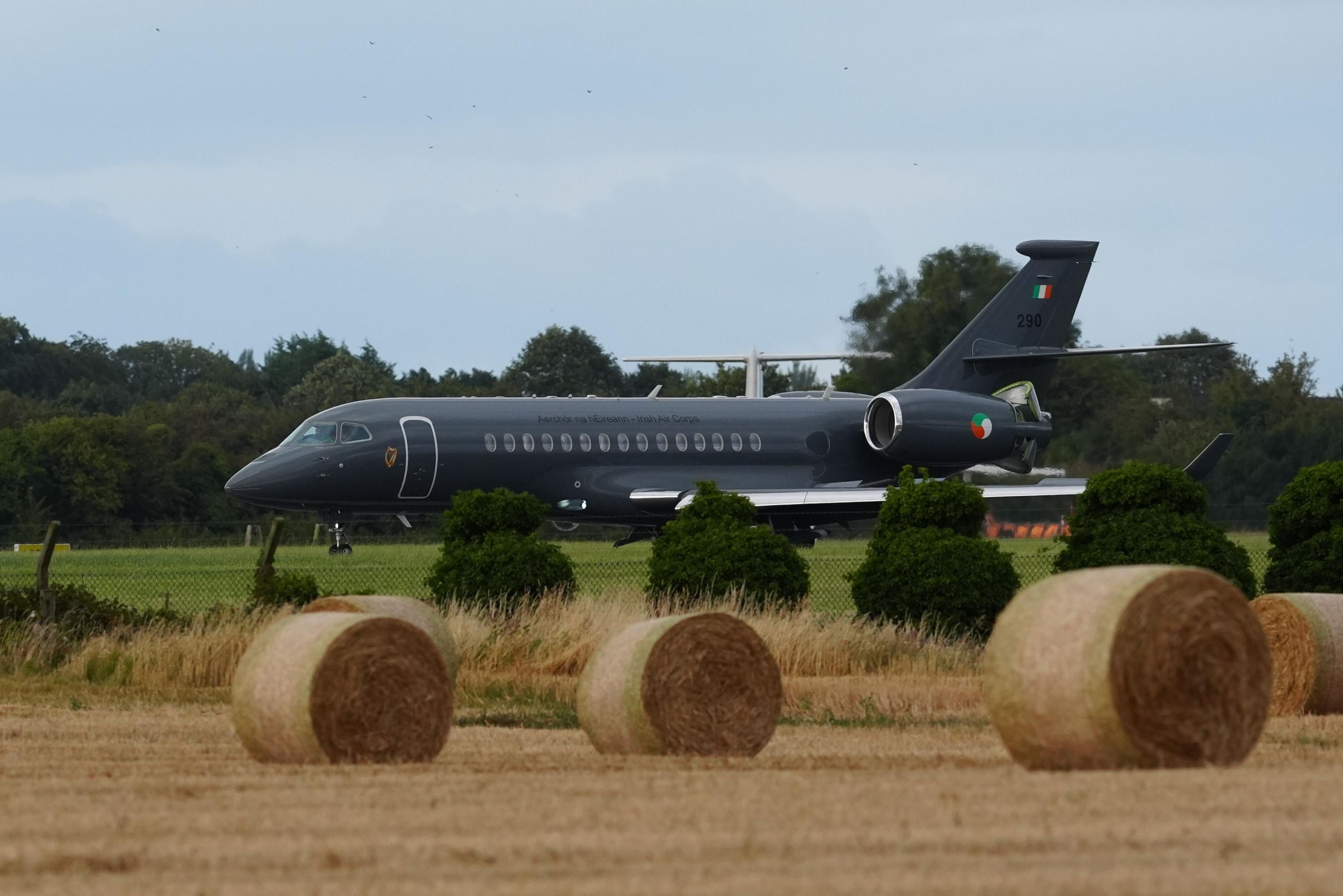
The image of the Irish government jet landing at Casement Aerodrome in Baldonnel, Dublin, on Sunday evening marked a significant moment. Kinahan was immediately taken into custody and transferred, under a substantial security escort, to the Criminal Courts of Justice. The courtroom itself was a scene of intense anticipation, with every bench occupied by journalists, legal representatives from the Director of Public Prosecutions (DPP), members of the public, and court officials. Kinahan, clad in a black hooded top, sat on a wooden bench, rising to his feet as the three judges – Patrick McGrath, Sarah Berkeley, and Fiona Lydon – took their places.
Notably, Kinahan appeared in court without legal representation, citing a lack of time to arrange it. When Judge McGrath suggested proceeding with the charges and arranging legal counsel later, Kinahan responded with a caveat: "If I have time, yes." Detective Sergeant Colm Davison informed the court of Kinahan’s arrest earlier that evening. The judge then outlined Kinahan’s options regarding future court appearances, offering him the choice between appearing in person or via video link. Kinahan inquired if he needed to decide immediately, and was informed he could notify the prison governor of his preference at a later stage. Judge McGrath also explained the process for applying for bail, which would need to be lodged through the High Court. Kinahan’s response, "I think we all know I won’t be getting bail, but thank you for your time," conveyed a stark acknowledgement of the formidable case against him.
The extradition of Daniel Kinahan is being hailed as a significant achievement in international judicial cooperation. The justice ministers of both the UAE and Ireland issued a joint statement expressing their welcome for the extradition. The statement highlighted Kinahan’s status as "one of the most high-profile individuals sought for prosecution in connection with transnational organised crime and is accused of directing an organised crime organisation." Irish Justice Minister Jim O’Callaghan described the event as a "landmark of judicial cooperation between the two countries," commending the "professionalism, efficiency, and diligence demonstrated by the UAE judicial authorities throughout the extradition proceedings." His UAE counterpart, Abdullah bin Sultan bin Awad Al Nuaimi, echoed this sentiment, stating it underscored "the steadfast commitment we have to supporting global efforts to combat transnational organised crime." This robust extradition agreement has previously been invoked to bring other high-ranking members of the Kinahan cartel to justice, including Sean McGovern, a "senior lieutenant" who was sentenced to 24 years in prison in June for directing a criminal organisation.
The Kinahan cartel’s vast criminal empire has been a persistent threat for years. According to former Garda Commissioner Drew Harris, the organisation is estimated to have amassed over €1 billion globally from its illicit activities. The US Treasury Department has drawn parallels between the cartel and notorious international crime syndicates such as Italy’s Camorra, Mexico’s Los Zetas, and Japan’s Yakuza, underscoring its global reach and influence. The US government has also placed significant financial pressure on the cartel, imposing sanctions on Daniel Kinahan and other family members in April 2022. Furthermore, a substantial reward of up to $5 million has been offered by the US for information leading to the arrest of Daniel, his father Christopher Snr, and brother Christopher Jnr, signaling the high priority placed on dismantling this criminal network.
The cartel’s activities have not been confined to drug and arms trafficking. It has been intrinsically linked to a brutal and prolonged gangland feud in Ireland that claimed at least 18 lives, creating a climate of fear and violence. Daniel Kinahan himself became a target of this violence, narrowly escaping an assassination attempt during a fatal shooting at a Dublin hotel in 2016, an event that tragically resulted in the death of another individual. Following this incident, he fled Ireland, spending time in Spain before relocating to Dubai, where he was eventually apprehended.

The logistical challenges of apprehending and extraditing such a high-profile figure were considerable. Ahead of Sunday’s hearing, a large-scale security operation was implemented. The Irish Prison Service reportedly acquired a bulletproof and bombproof van, specifically intended for the secure transportation of high-risk prisoners. Garda Commissioner Justin Kelly emphasized the significance of the arrest, stating it demonstrates the force’s unwavering commitment to "target transnational organised crime groups" in collaboration with international policing partners like the Dubai police. He also highlighted the crucial role of the strong relationship between Irish authorities and their counterparts in the UAE, encompassing judicial and police-to-police cooperation.
The extent of the cartel’s operations is further illuminated by the convictions of other key figures. In 2022, Thomas Kavanagh, identified by the NCA as overseeing the group’s criminal operations in the UK, was sentenced to 21 years in prison. Gary Vickery received a 20-year sentence, and Daniel Canning was handed a sentence of 19 and a half years. Evidence presented in court detailed their involvement in the importation of cocaine valued at an estimated £23.4 million and cannabis imports worth approximately £6.4 million, painting a stark picture of the economic scale of their enterprise.
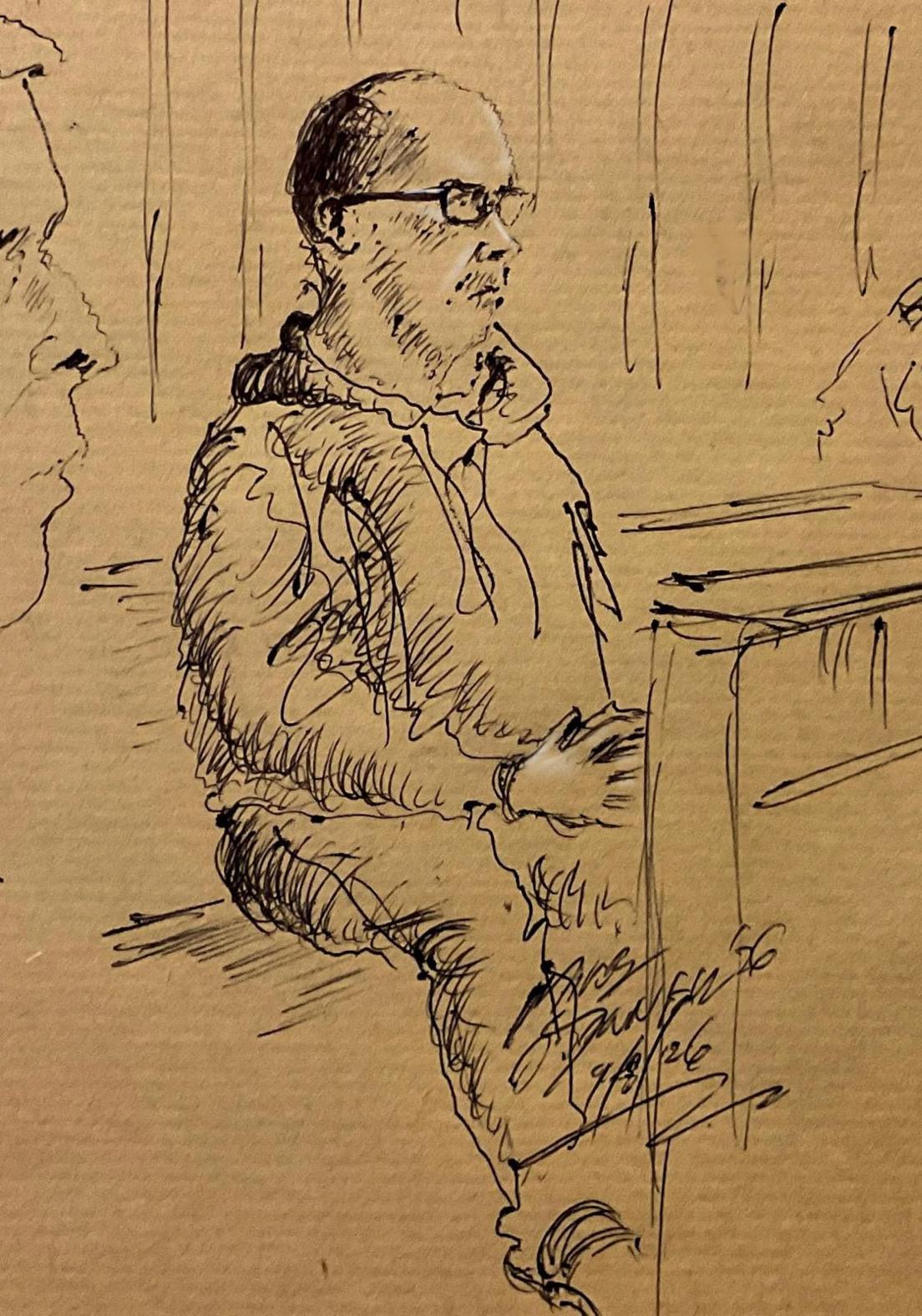
Daniel Kinahan’s legal team has previously maintained his innocence. In an interview with BBC Panorama, his lawyer asserted that Kinahan has no criminal record or convictions and dismissed allegations of him being a crime boss as false and lacking any evidential basis. Despite these assertions, the mounting charges and his extradition to face trial in Ireland represent a significant setback for him and a major victory for international law enforcement agencies determined to dismantle his alleged criminal empire. The ongoing legal proceedings will undoubtedly be closely watched, as they have the potential to significantly impact the future of organized crime in Ireland and beyond. The image of Daniel Kinahan, a figure who had evaded capture for so long, now appearing in a Dublin courtroom, serves as a potent symbol of persistent international cooperation and the relentless pursuit of justice against those who operate outside the law.
