
 By admin
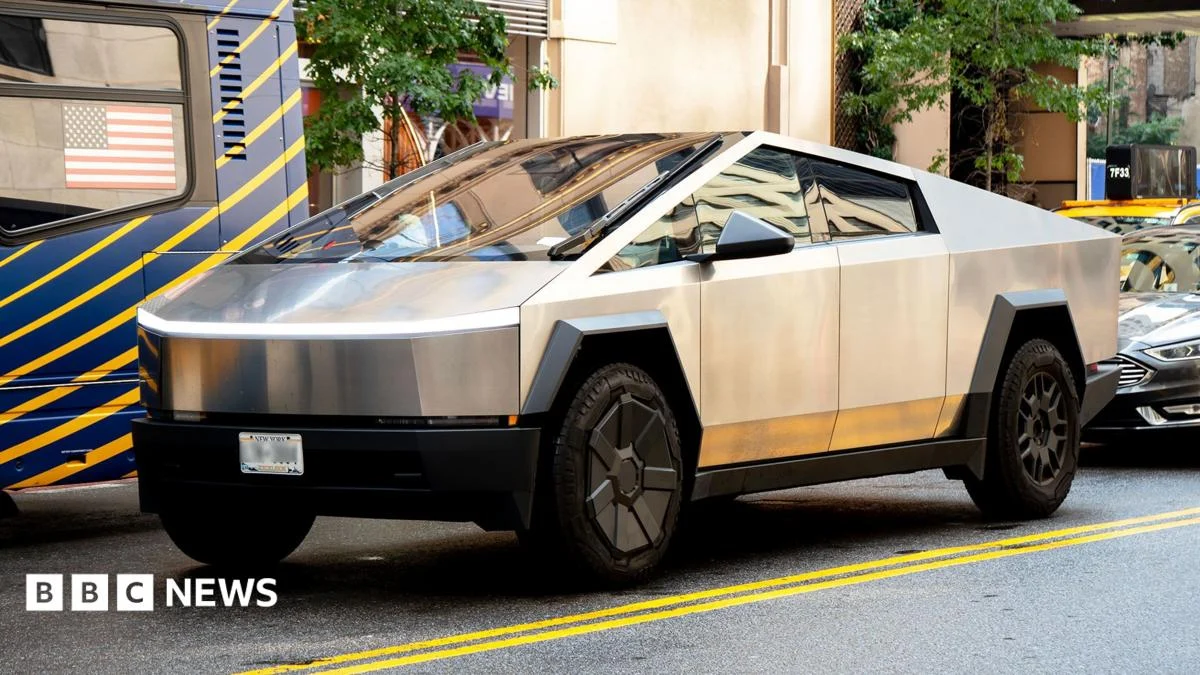
Tesla is set to conclude Cybertruck production at its Gigafactory Texas facility next year, a surprising announcement from CEO Elon Musk that has sent ripples through the automotive world and among the electric vehicle maker’s devoted fanbase. While Musk did not explicitly state whether this signifies a complete discontinuation of the futuristic pickup truck or a relocation of its manufacturing operations, he indicated that the move is a strategic decision to "make room" for the production of Tesla’s self-driving Cybercab vehicles. This pivot, if fully realized, marks a significant turning point for a vehicle that has been both a passion project for Musk and a source of considerable debate since its inception.
Adding to the speculation surrounding the Cybertruck’s future, Wes Morrill, the project’s lead engineer, offered a cryptic statement on the social media platform X. Morrill suggested that the Cybertruck, in its current form, might be phasing out, writing, "Cybertruck was an incredible technology development platform and lives on through Cybercab." This statement has been interpreted by many as confirmation that the Cybertruck, as consumers know it, is being discontinued, with its underlying technology and development expertise being channeled into the new autonomous taxi service.
The Cybertruck, with its radical, angular design and stainless-steel exoskeleton, has been a polarizing figure in the automotive landscape. Launched in 2023 after a series of delays, it garnered a cult following among a segment of car enthusiasts who were captivated by its unconventional aesthetic, often compared to vehicles from science fiction franchises like "Blade Runner." However, the vehicle has struggled with disappointing sales figures since its market debut, failing to meet Musk’s ambitious production and sales targets. Industry analysts have long questioned whether the Cybertruck’s unique appeal could translate into substantial market penetration, particularly within the highly competitive and traditionally conservative American truck market.
News of the potential production halt has elicited strong emotional responses from Tesla’s loyal supporters. Online forums and social media platforms have been abuzz with fans lamenting the perceived demise of the Cybertruck. One particularly vocal fan, whose post was amplified by Musk’s own engagement, described the Cybertruck as "the best vehicle Tesla has ever made," expressing deep disappointment at its reported discontinuation. Musk’s response to this sentiment, a simple yet significant "true," coupled with the reassurance that "the Cybertruck fleet will be around for a long time," has done little to quell the anxieties of those who embraced the vehicle’s avant-garde design.
Adding another layer to the unfolding narrative, Tesla’s stock experienced a notable surge of 4.7% on Friday following Musk’s announcement. This market reaction suggests that investors may view the shift in production priorities as a positive step, potentially signaling a greater focus on more commercially viable ventures like the Cybercab, or perhaps a strategic streamlining of Tesla’s manufacturing operations.
The Cybertruck has always been more than just a vehicle for Elon Musk; it has been a deeply personal endeavor. Throughout its development and early production stages, Musk repeatedly expressed his profound admiration for the truck. In March, he described it as "way more awesome than people realise," and in April, he boldly proclaimed it the "best product Tesla has ever made to date." These strong endorsements from the company’s visionary leader highlighted his unwavering belief in the Cybertruck’s potential and innovative qualities.
However, the reality of consumer adoption has presented a stark contrast to Musk’s personal enthusiasm. The fundamental question that has loomed over the Cybertruck since its unveiling has been whether the broader market would embrace its radical departure from conventional truck design. The lucrative truck market, dominated by established players with decades of brand loyalty and proven product lines, has historically been resistant to such unconventional offerings.
The Cybertruck’s journey has been punctuated by notable stumbles, beginning with its infamous public debut in 2019. During a live demonstration intended to showcase the supposed "unbreakable" nature of the Cybertruck’s armored glass, the window famously shattered when a metal ball was thrown at it, a moment that became an instant internet meme and a symbol of the vehicle’s controversial launch. Despite this inauspicious start, Musk claimed in 2019 that Tesla had already received 146,000 orders for the Cybertruck, a testament to the initial intrigue it generated.
When the Cybertruck finally launched in 2023, it retained its distinctive, angular silhouette and the polished stainless-steel body panels that had defined its concept. However, sales figures have been a significant concern. According to data from Kelley Blue Book, Tesla sold just 20,237 Cybertrucks in 2025, a notable decline from the 38,965 units sold in the preceding year. These figures fall considerably short of Musk’s initial prediction of achieving annual sales of 250,000 units once commercial production commenced in 2023.
While Tesla fans often lauded the Cybertruck’s retro-futuristic aesthetic, with some drawing comparisons to the visual style of "Blade Runner," critics were far less generous. The truck’s polarizing design drew widespread criticism, with many labeling it as "ugly as sin" and a subject of widespread mockery. This negative perception, amplified by its unconventional appearance, likely contributed to its sales challenges.
Furthermore, the Cybertruck has not been immune to manufacturing and quality control issues. Several recalls have been issued, including a significant one in 2025 that affected over 46,000 Cybertrucks due to concerns that parts of the vehicle’s trim could detach, posing a potential safety hazard. Such recalls, while not uncommon in the automotive industry, can further erode consumer confidence in a new and unproven model.
The price point of the Cybertruck has also been a significant factor influencing its market reception. Musk himself acknowledged the need for affordability, stating in 2023 that Tesla needed to produce the truck at a price that consumers could afford. However, the initial pricing, starting at $61,000 (approximately £48,000 at the time) for models equipped with all available options, placed it in a premium segment. The higher-tier "Cyberbeast" model, introduced in 2026, commands an even steeper price of $102,000, positioning it as a niche luxury item rather than a mass-market truck. This pricing strategy, coupled with its polarizing design and performance challenges, has likely contributed to its underperformance in terms of sales volume.
The decision to potentially wind down Cybertruck production in Texas and focus on the Cybercab underscores a broader strategic shift within Tesla. The Cybercab, a fully autonomous electric taxi, represents Tesla’s ambition to lead the burgeoning robotaxi industry. This venture, if successful, could unlock new revenue streams and solidify Tesla’s position as a leader in autonomous vehicle technology. The Cybertruck, while a testament to Tesla’s engineering prowess and willingness to push boundaries, may have proven to be a less commercially viable product in the long run, especially when compared to the potential of a widespread autonomous ride-hailing service.
The future of the Cybertruck remains somewhat ambiguous. Musk’s statement suggests a potential shift rather than an outright elimination, and his acknowledgment of the existing fleet’s longevity offers a glimmer of hope for enthusiasts. However, the emphasis on making space for the Cybercab, coupled with the lead engineer’s comments, points towards a significant reduction in Cybertruck’s prominence within Tesla’s product lineup. The Cybertruck’s legacy may ultimately be that of a groundbreaking experimental platform that paved the way for future innovations, rather than a mass-produced vehicle that reshaped the truck market. The automotive industry will undoubtedly be watching closely to see how this chapter in Tesla’s ambitious and often unpredictable journey unfolds.
