
 By Rifan Muazin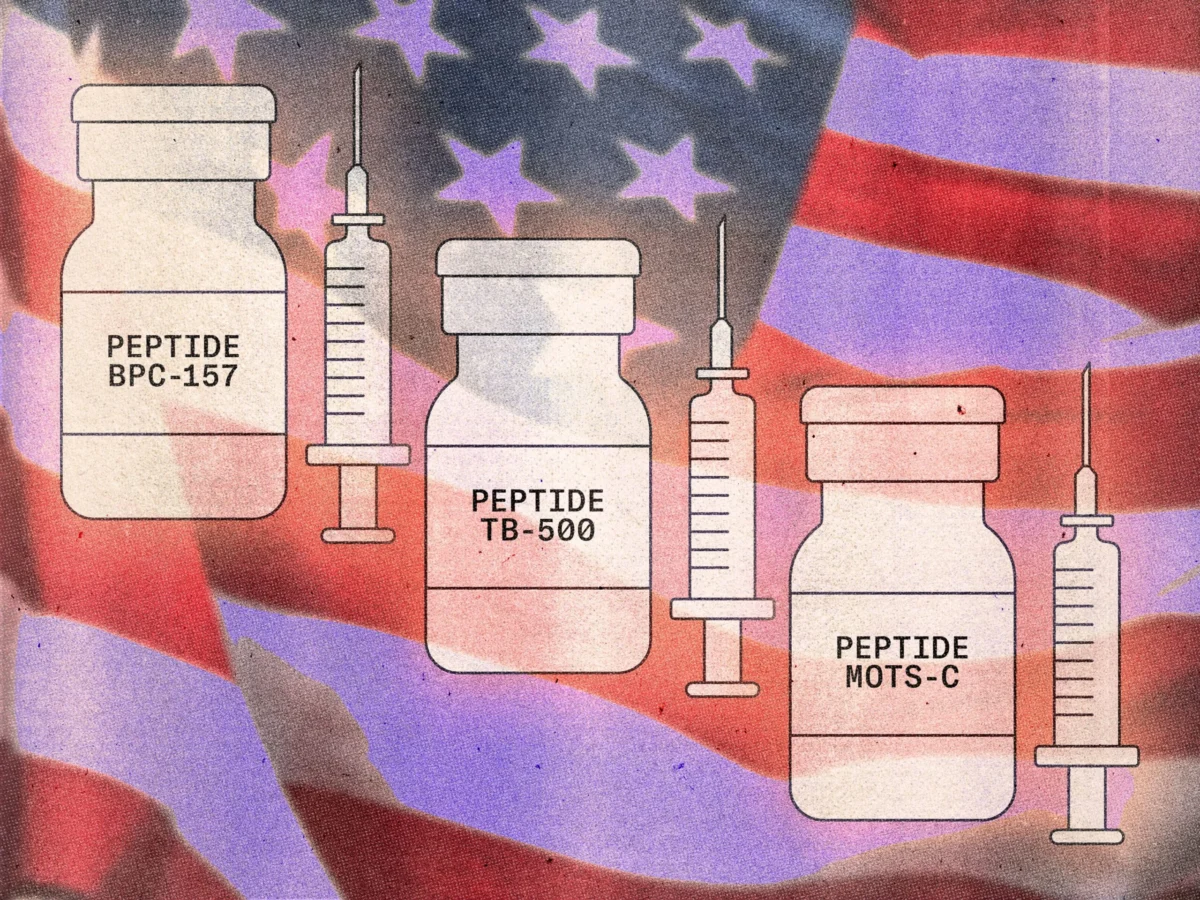
In a high-stakes, two-day marathon hearing that concluded on July 24, the Food and Drug Administration (FDA) signaled a seismic shift in the American medical and wellness landscape. The agency’s Pharmacy Compounding Advisory Committee voted to recommend the approval of six out of seven controversial peptides for human use, effectively reversing a stringent ban established during the Biden Administration. This decision marks a pivotal moment for the burgeoning peptide industry, moving substances that long occupied a legal "gray zone" toward the mainstream pharmaceutical market.
The hearing, which pitted career regulatory scientists against vocal proponents of the peptide industry, concluded with a 14-member panel recommending the reclassification of several highly sought-after compounds. Topping the list of recommendations was the so-called “Wolverine Stack,” a potent combination of BPC-157 and TB-500. These peptides have gained legendary status among biohackers, professional athletes, and "longevity bros" for their purported ability to accelerate the healing of skin, ligaments, muscles, and even bone tissue. Beyond the Wolverine Stack, the panel also recommended approval for KPV, an anti-inflammatory peptide often used for skin conditions; MOTS-c, a mitochondrial-derived peptide hailed as an "exercise mimetic" for metabolic health; Emideltide, a sleep-inducing agent; and Semax, a nootropic developed in Russia and utilized by some for migraine relief and cognitive enhancement.
The only casualty of the hearing was Epitalon. Despite its popularity in anti-aging circles for its alleged role in telomere lengthening and its use as a treatment for insomnia, the panel rejected its recommendation, citing a lack of sufficient safety data and clinical evidence regarding its efficacy.
This regulatory pivot is expected to open the floodgates for a multibillion-dollar industry in the United States. Peptides—short chains of amino acids that act as signaling molecules in the body—have already become a cultural phenomenon. They are the subject of endless discourse among wellness influencers, Hollywood celebrities, and the "manosphere," often marketed as a shortcut to physical optimization and eternal youth. The financial markets reacted swiftly to the news. Hims & Hers, the telehealth giant known for its direct-to-consumer sales of finasteride and GLP-1 weight-loss drugs, saw its stock price surge by 13% following the first day of the panel. The company had already signaled its intentions to dominate this space, having acquired a dedicated peptide manufacturing facility earlier in 2025.
However, the path to this recommendation was fraught with internal discord and allegations of institutional capture. Throughout the spring, reports surfaced—most notably in the Washington Post—suggesting that the then-head of the FDA, Marty Zakary, had intentionally "stacked" the advisory panel with individuals possessing direct ties to the peptide and compounding industries. Career FDA scientists, traditionally the gatekeepers of the agency’s rigorous standards, expressed grave concerns in public memos. They argued that the peptides in question had not undergone the standard Phase I, II, and III clinical trials required to confirm safety and efficacy. In response to the backlash regarding potential conflicts of interest, the FDA added eight additional experts to the panel just days before the hearing, bringing the total number of voting members to 14.
The tension between established regulatory medicine and the disruptive forces of the wellness industry was palpable during the deliberations. The vote for BPC-157, perhaps the most famous of the "healing" peptides, passed by a narrow 8-6 margin. This split reflected a deep divide: on one side, industry representatives and compounding pharmacists argued for patient access; on the other, clinical specialists warned of the dangers of bypassing traditional evidentiary hurdles.
“This is not the traditional way that the FDA goes about doing stuff,” noted Dr. Katie Rizzone, a sports medicine specialist at the University of Rochester. “They typically go through years of phase trials. I just don’t see the evidence at this point to justify a broad recommendation for BPC-157 in humans.” Even within the industry, some admitted the data is thin. Dr. Anant Vinjamoori, Chief Medical Officer at Hims, told the panel during his testimony: “I’m not going to tell you that the evidence for BPC-157 is strong. It isn’t, and I won’t overclaim it.”
The political momentum behind this shift cannot be understated. Health and Human Services Secretary Robert F. Kennedy Jr. has been a vocal advocate for the "unbanning" of peptides. Following a high-profile appearance on The Joe Rogan Experience podcast in February, RFK Jr. criticized the previous administration’s restrictions as overreaching and illegal. Kennedy, who has frequently challenged mainstream medical consensus on vaccines, framed the peptide ban as an infringement on medical freedom, telling Rogan he was a “big fan” of the substances and believed they were being suppressed by "Big Pharma" interests.
The cultural ubiquity of peptides has created a massive, unregulated "gray market" that the FDA’s new stance aims, in part, to neutralize. On platforms like TikTok, young men discuss peptides as part of "looksmaxxing" protocols to improve facial aesthetics, while middle-aged former athletes promote them for joint longevity. Celebrities such as Hailey Bieber have touted peptide-infused skincare, and biohackers like Bryan Johnson incorporate them into rigorous anti-aging regimens.
Currently, many consumers source these compounds through "research chemical" websites, where they are sold with labels stating "not for human consumption." Others turn to massive, encrypted Telegram channels to order directly from overseas manufacturers, primarily in China. This unregulated supply chain poses significant health risks. An investigation by The New Yorker earlier this year revealed that many gray-market peptides were either impure or significantly under-dosed. Most alarmingly, one sample of BPC-157 was found to contain measurable levels of lead.
Proponents of the FDA’s recommendation, like Dr. Carrie Carda of 10X Health, argue that legalization is a matter of public safety. “Thoughtful regulation protects patients far better than driving demand into an unregulated marketplace,” she stated. “I believe many patients will choose physician-supervised care over purchasing products online if given the choice.”
However, critics remain skeptical that reclassification will actually dismantle the gray market. Many veteran peptide users point out that overseas sourcing is significantly cheaper than what a domestic, regulated pharmacy would charge. “It’s like saying Amazon is putting Temu out of business,” one long-time user told GQ. For those accustomed to the "wild west" of biohacking, the high cost of a doctor’s prescription and pharmacy compounding fees may remain a barrier to entry.
The scientific community’s primary concern remains the "market-induced" nature of the decision. Dr. Elizabeth Rebello, a panelist who voiced dissent during the hearings, warned that the agency might be prioritizing consumer demand over rigorous science. While peptides like Insulin and GLP-1s (such as Ozempic and Wegovy) are well-researched and FDA-approved, the "new wave" of peptides lacks the same robust data set. BPC-157, for instance, has shown remarkable results in rat studies for tendon repair, but the leap to human application remains speculative without large-scale controlled trials.
While the panel’s recommendation is a major victory for the peptide industry, it is not the final step. The FDA must now formally decide whether to adopt these recommendations into official policy. Historically, this process can take months or even years. While the agency usually follows the advice of its advisory committees, it is not legally bound to do so and has rejected panel votes in the past when safety concerns were deemed too high.
For now, the "Hot Peptide Summer" remains in a state of anticipatory transition. If the FDA moves forward with the recommendations, 2027 could see the first wave of these substances hitting the shelves of legitimate compounding pharmacies across the United States. Until then, the industry remains in a holding pattern, balanced between the promise of a regulated future and the precarious reality of its unregulated past. As the lines between biohacking, wellness, and traditional medicine continue to blur, the peptide debate serves as a litmus test for the future of American healthcare regulation in an era of unprecedented political and consumer pressure.
