
 By admin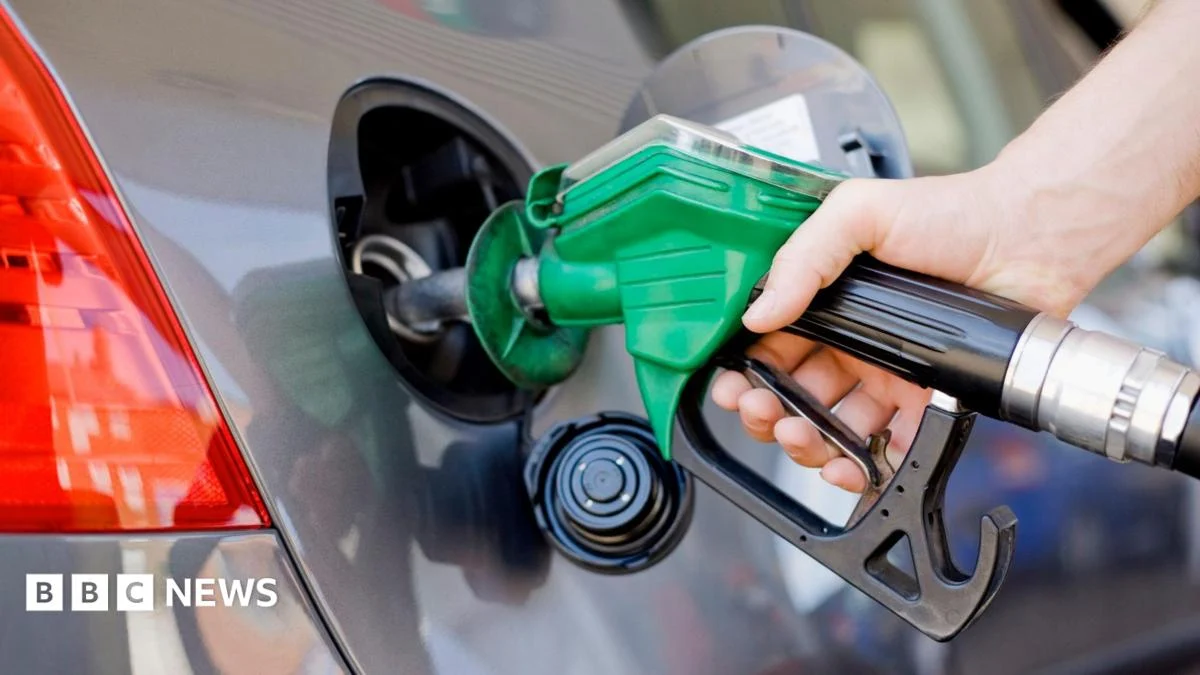
The global oil market experienced a dramatic downturn, with Brent crude, the international benchmark, plummeting over 9% to momentarily dip below $88 a barrel. This sharp reversal marks a significant shift from the preceding week, when prices had surged past the $100 mark. The precipitous fall was directly linked to optimistic signals emerging from the protracted conflict between the United States and Iran, specifically the apparent de-escalation of hostilities. This hopeful development has ignited expectations of a potential diplomatic resolution to the simmering geopolitical crisis.
The catalyst for this market reaction was a statement from the US Ambassador to the United Nations, who indicated that attacks targeting Iran had been suspended for a second consecutive night. This pause, she explained, was a deliberate measure to "give talks some space," signaling a willingness to explore diplomatic avenues rather than military confrontation. In tandem, an Iranian army spokesperson confirmed on Sunday that Tehran had also ceased "retaliatory" attacks within the region. This reciprocal de-escalation, even if temporary, has provided a much-needed respite for global energy markets, which had been on edge due to the escalating conflict.
The outbreak of the Iran war had previously sent shockwaves through the oil industry, triggering a substantial surge in prices. The primary driver of this escalation was the perceived threat to the Strait of Hormuz, a critically important maritime chokepoint. This vital waterway typically handles approximately 20% of the world’s oil and liquefied natural gas (LNG) shipments. The intensification of conflict raised serious concerns about the security of these transit routes, leading to fears of supply disruptions and a subsequent spike in crude oil prices. The potential closure of the Strait of Hormuz, even for a limited period, has profound implications for global energy security and economic stability.
A brief period of optimism had previously emerged in June when Iran and the United States reportedly signed a memorandum of understanding aimed at halting military operations and reopening the Strait of Hormuz. At that time, the market responded favorably, with oil prices retreating to pre-war levels of around $70 a barrel. This demonstrated the market’s sensitivity to developments concerning the Strait and its capacity to absorb supply shocks. However, this fragile peace proved short-lived. The collapse of that ceasefire earlier this month reignited anxieties about the stability of global energy supplies, prompting a renewed upward trajectory in oil prices.
The situation was further exacerbated last week when oil prices breached the $100 a barrel threshold for the first time since May. This resurgence in price was not solely attributable to the US-Iran tensions. Additional concerns were amplified by attacks carried out by Houthi militia in Yemen against oil tankers in the Red Sea. These assaults threatened another crucial export route, one that Saudi Arabia had increasingly utilized as an alternative to bypass the Strait of Hormuz. The dual threats to these key maritime arteries underscored the precariousness of global oil supply chains.
Despite the recent sharp decline in crude prices, market analysts are urging caution. Susannah Streeter, chief investment strategist at Wealth Club, commented that markets are remaining "cautious given the twists and turns during this conflict." She emphasized that "there is still significant uncertainty baked into these prices and a reticence about whether negotiations will lead to a lasting breakthrough." This sentiment reflects the inherent volatility of geopolitical events and their unpredictable impact on commodity markets. The history of the US-Iran relationship is replete with periods of heightened tension followed by diplomatic overtures, making it difficult to ascertain the long-term sustainability of any de-escalation.
The broader economic ramifications of the conflict between the US and Iran, and its direct impact on oil prices, have been far-reaching. The surge in crude oil costs has translated into higher prices for refined fuels such as petrol and diesel in numerous countries. This increase in energy expenses has a ripple effect throughout the economy, impacting the cost of transportation and logistics for businesses. Consequently, many companies have been compelled to pass on these elevated operational costs to consumers in the form of higher prices for goods and services, particularly in sectors reliant on transportation, such as food. This phenomenon is a significant contributor to inflationary pressures.
The sustained increase in inflation, driven in part by energy price volatility, raises the specter of central banks intervening to curb price rises. In an effort to maintain price stability, central monetary authorities may resort to increasing interest rates. This policy tool aims to cool down an overheating economy by making borrowing more expensive, thereby reducing consumer and business spending. The European Central Bank, for instance, took such action in June, raising its key interest rate for the eurozone for the first time in nearly three years. At the time of that decision, the bank explicitly cited the conflict as a factor "generating inflation pressures."
Prior to the escalation of the Iran war, there had been a prevailing expectation that the Bank of England might consider reducing interest rates within the current year. Such a move would have signaled a more optimistic economic outlook, with central banks aiming to stimulate growth. However, the prevailing geopolitical uncertainties and their inflationary consequences have dramatically altered this outlook. Financial markets are now anticipating a potential interest rate hike by the Bank of England towards the end of the year, reflecting concerns about persistent inflation.
The Bank of England is scheduled to hold its latest interest rate-setting meeting this week. Expectations are high that the central bank will opt to maintain its key interest rate unchanged at its current level of 3.75%. This decision would underscore the prevailing cautious approach in the face of ongoing economic uncertainties, particularly those stemming from global energy market volatility. The coming weeks will be crucial in determining whether the current de-escalation in US-Iran tensions proves to be a sustained trend or a temporary lull, with significant implications for both energy markets and broader economic policy. The interconnectedness of global energy supplies, geopolitical stability, and inflationary pressures means that the situation remains under close observation by economists, policymakers, and market participants worldwide. The potential for renewed conflict or unforeseen events in the region continues to cast a shadow of uncertainty over the future trajectory of oil prices and the global economy. The delicate balance of power and diplomacy in the Middle East, therefore, remains a critical factor influencing economic stability on a global scale.
