
 By admin
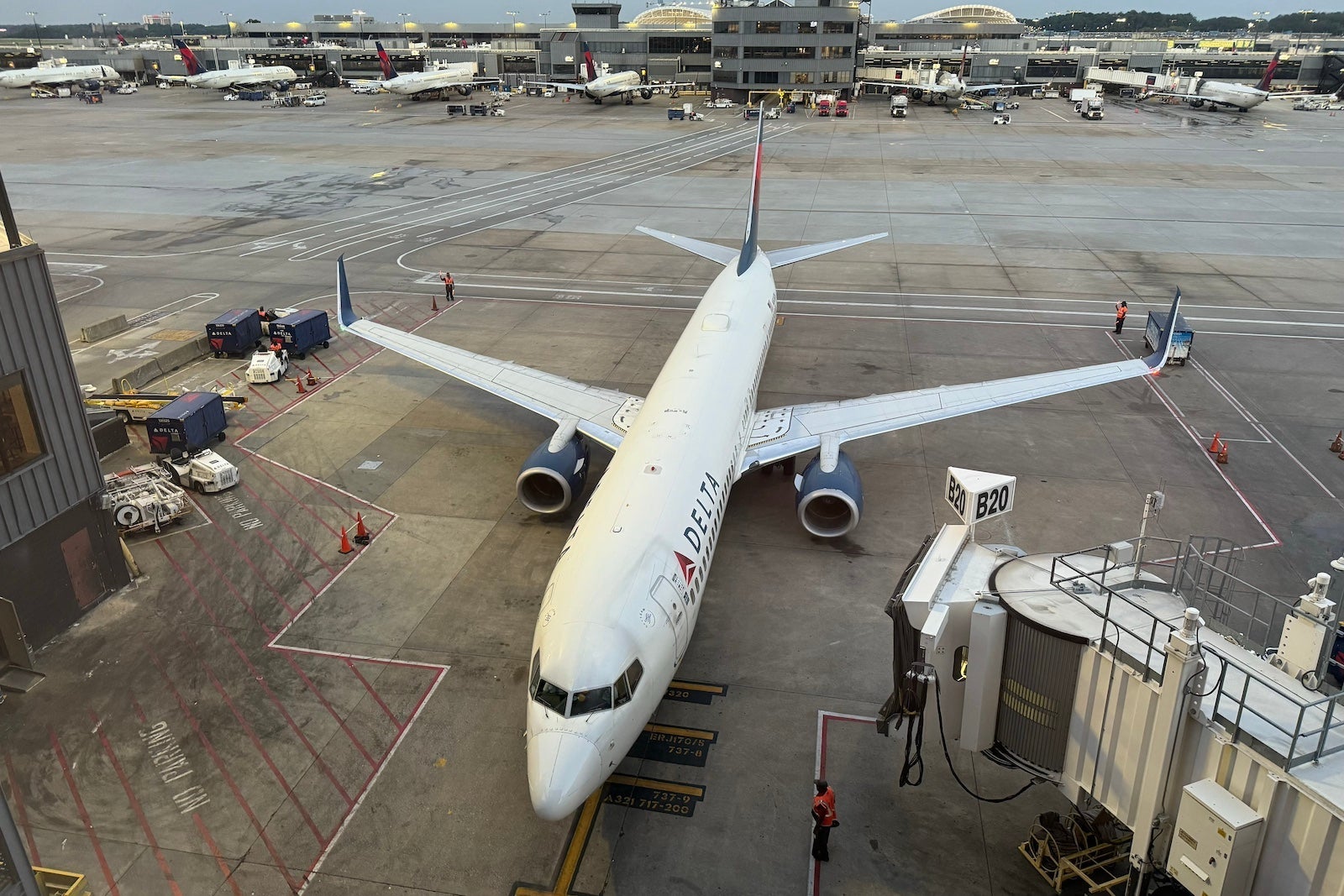
At the pinnacle of this hierarchy stands Hartsfield-Jackson Atlanta International Airport (ATL), which continues its multi-decade reign as the world’s busiest airport. The engine driving this unparalleled volume is Delta Air Lines. For a frequent Delta traveler, the phrase "connecting through Atlanta" is less a possibility and more a mathematical certainty. In 2025, Delta’s Atlanta operation remained the single largest airline hub in the United States by total departures, maintaining a significant lead over its closest competitors.
The dominance of Atlanta is not merely a matter of prestige; it is a masterpiece of logistics. Delta operates a "fortress hub" here, where it controls the vast majority of gates and flight schedules. This concentration allows the airline to offer high-frequency service to nearly every corner of the United States and a robust portfolio of international destinations. The efficiency of the airport’s layout, featuring parallel runways and a linear terminal design connected by an underground "Plane Train," allows Delta to process tens of millions of passengers annually with a level of reliability that has become the benchmark for the industry.
However, the landscape of American aviation is not a Monarchy but a Triumvirate. While Delta rules the Southeast from Atlanta, American Airlines and United Airlines have established their own massive strongholds that rival Atlanta’s scale in terms of complexity and volume.

The Power of American Airlines in the Sunbelt
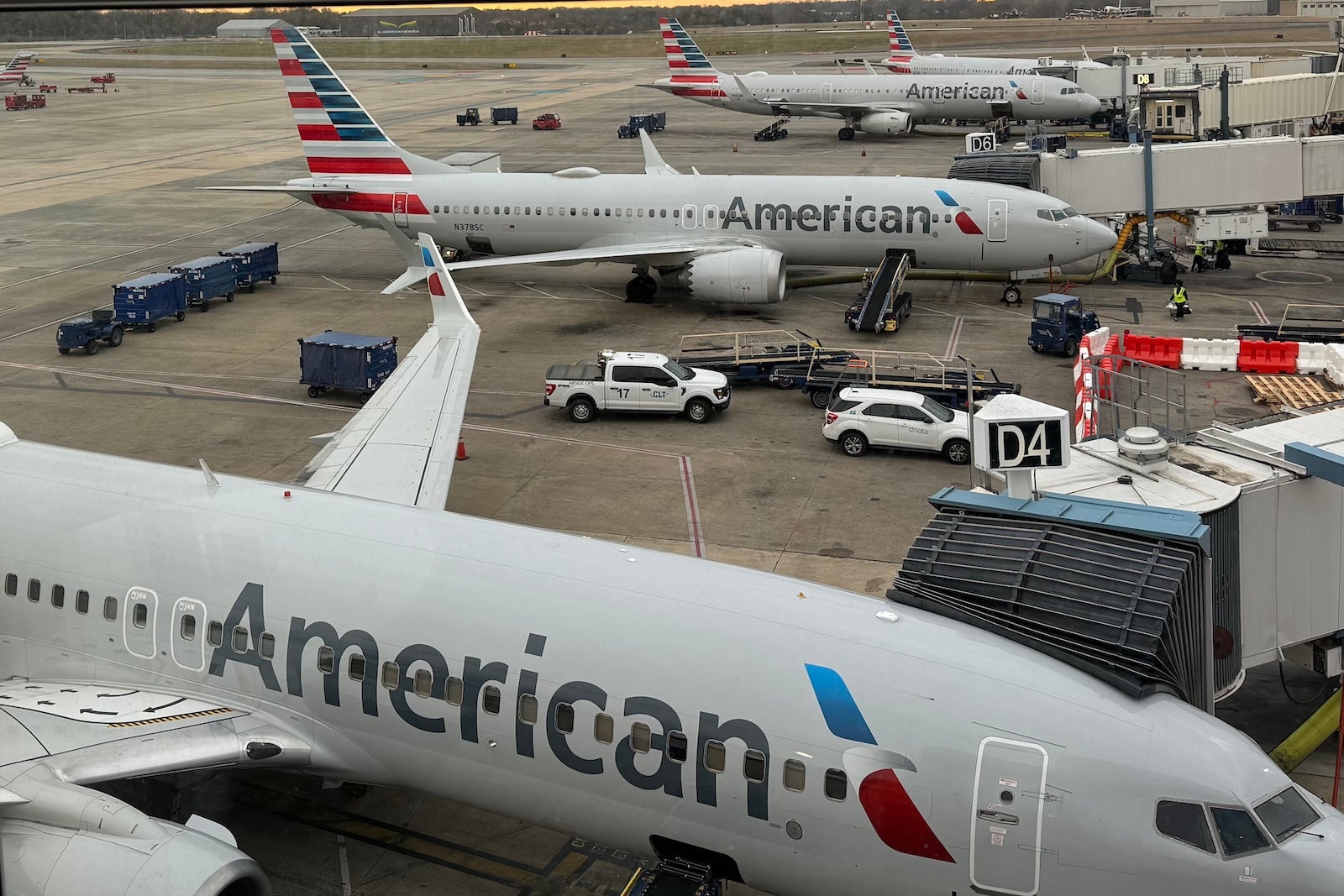
Ranked second and third on the list of busiest hubs by departures are American Airlines’ operations at Dallas Fort Worth International Airport (DFW) and Charlotte Douglas International Airport (CLT). American’s presence at DFW is the spiritual and operational heart of the carrier. As the largest hub for the world’s largest airline by fleet size, DFW serves as the primary gateway for traffic moving between the eastern and western halves of the United States, as well as a critical jumping-off point for Latin American and Pacific routes.
The inclusion of Charlotte as the third-largest hub in the country often surprises casual observers, but its position is a testament to the legacy of the US Airways merger and American’s strategic focus on the Mid-Atlantic. Charlotte serves as a high-efficiency connection point that offloads pressure from the congested Northeast corridor. Unlike the sprawling urban centers of New York or Chicago, Charlotte offers American a lower-cost environment with high gate capacity, allowing for a staggering number of daily departures relative to the city’s actual population.
Further down the list, American’s hub at Miami International Airport (MIA) holds the ninth spot. Miami serves a distinct purpose in American’s network: it is the premier gateway to the Caribbean and Latin America. While it may have fewer total domestic departures than Dallas or Charlotte, its strategic importance for international connectivity is unmatched, serving as the primary link for North American travelers heading to South America.
United Airlines and the Mid-Continent Strategy
United Airlines occupies four of the top ten spots for busiest hubs by departures, showcasing a geographically diverse strategy that spans the heart of the country and the Atlantic coast. Chicago’s O’Hare International Airport (ORD) ranks fourth for United, serving as its primary connecting point for the Midwest. Denver International Airport (DEN) follows at number five, benefiting from its status as the fastest-growing major airport in the country. Denver’s central location makes it an ideal "catch-all" hub for north-south and east-west traffic, and United has invested billions in gate expansions there to capitalize on this geography.
At number six is United’s operation at Houston’s George Bush Intercontinental Airport (IAH). Much like American’s Miami hub, Houston IAH serves as a critical bridge to Mexico and Central America, while also supporting the massive energy-sector travel demand inherent to the Texas economy. Rounding out United’s departure-based dominance is Newark Liberty International Airport (EWR) at number eight. Newark is United’s premier "global gateway," providing a massive footprint in the lucrative New York City metropolitan area while avoiding some of the extreme congestion found at JFK.
The Chicago Turf War and the O’Hare Double-Entry
One of the most striking revelations in the 2025 data is that Chicago O’Hare appears twice in the top ten list. It ranks fourth as a United Airlines hub and seventh as an American Airlines hub. This dual-entry highlights the intense "turf war" that has come to define the Chicago market. While United is the historical market leader in Chicago, American Airlines has aggressively expanded its schedules to compete for the high-yield corporate travelers of the Windy City. This competition has turned O’Hare into a rare "dual-hub" environment where two legacy carriers maintain massive, overlapping operations, providing passengers with an extraordinary number of choices but also contributing to the airport’s reputation for delays and air traffic complexity.
The Scarcity of the Coastal Giants
Notably absent from the top ten list by departures are some of the world’s most famous airports: New York’s John F. Kennedy International (JFK) and Los Angeles International (LAX). While these airports handle massive amounts of total passengers, they do not function as "hubs" for a single airline in the same way Atlanta or Dallas do.
In New York and Los Angeles, the market is highly fragmented. Gate space is limited, and takeoff and landing "slots" are strictly regulated by the Federal Aviation Administration (FAA). At JFK, Delta, American, and JetBlue all maintain significant operations, but no single carrier can achieve the sheer volume of departures required to crack the top ten. Similarly, LAX is a "battleground" airport where Delta, United, American, and Southwest all compete for market share, preventing any one airline from establishing a dominant, high-frequency hub operation.
Departures vs. Capacity: The Seat Count Metric
The rankings shift when the metric changes from the number of departing flights to the number of scheduled seats. This distinction is crucial because it highlights the difference between high-frequency regional operations and high-capacity international operations.
When ranked by total seats, United Airlines’ operation at San Francisco International Airport (SFO) enters the top ten. While SFO may have fewer total daily departures than a regional-heavy hub like Detroit, the planes flying out of San Francisco are significantly larger. As United’s primary transpacific gateway, SFO sees a high volume of widebody aircraft, such as the Boeing 787 Dreamliner and Boeing 777. These aircraft carry three to four times as many passengers as the regional jets that frequent hubs like Charlotte or Detroit. This "heavy" operation reflects a strategy focused on long-haul, high-revenue international flying rather than domestic "spoke" connectivity.
The Delta Strongholds: Detroit and Minneapolis
Delta Air Lines rounds out the top ten list with its hub at Detroit Metropolitan Wayne County Airport (DTW), which holds the tenth spot for departures. Detroit, along with Minneapolis-St. Paul (MSP)—which narrowly missed the top ten—serves as a vital northern anchor for Delta’s network. These hubs are legacy assets from Delta’s merger with Northwest Airlines and provide critical connectivity for the Great Lakes region and the Upper Midwest. Detroit, in particular, is noted for its modern, linear terminal design, which allows for some of the fastest connection times in the country, further reinforcing Delta’s reputation for operational excellence.
Looking Ahead: The Evolution of the Hub
As we look at the data for 2025 and beyond, the future of these airline hubs will be shaped by infrastructure investment and fleet modernization. Airports like Denver and Newark are in the midst of multi-billion dollar "master plan" expansions to add more gates, which will likely see them climb higher in the departure rankings.

Furthermore, the shift away from smaller 50-seat regional jets toward larger "mainline" narrowbody aircraft (like the Airbus A220 and Boeing 737 MAX) means that even if the number of departures remains stable, the number of seats—and therefore the number of passengers—moving through these hubs will continue to grow. The 10 biggest airline hubs in the US remain the indispensable backbone of global travel, proving that in the world of aviation, all roads (or flight paths) eventually lead back to the center.
