
 By admin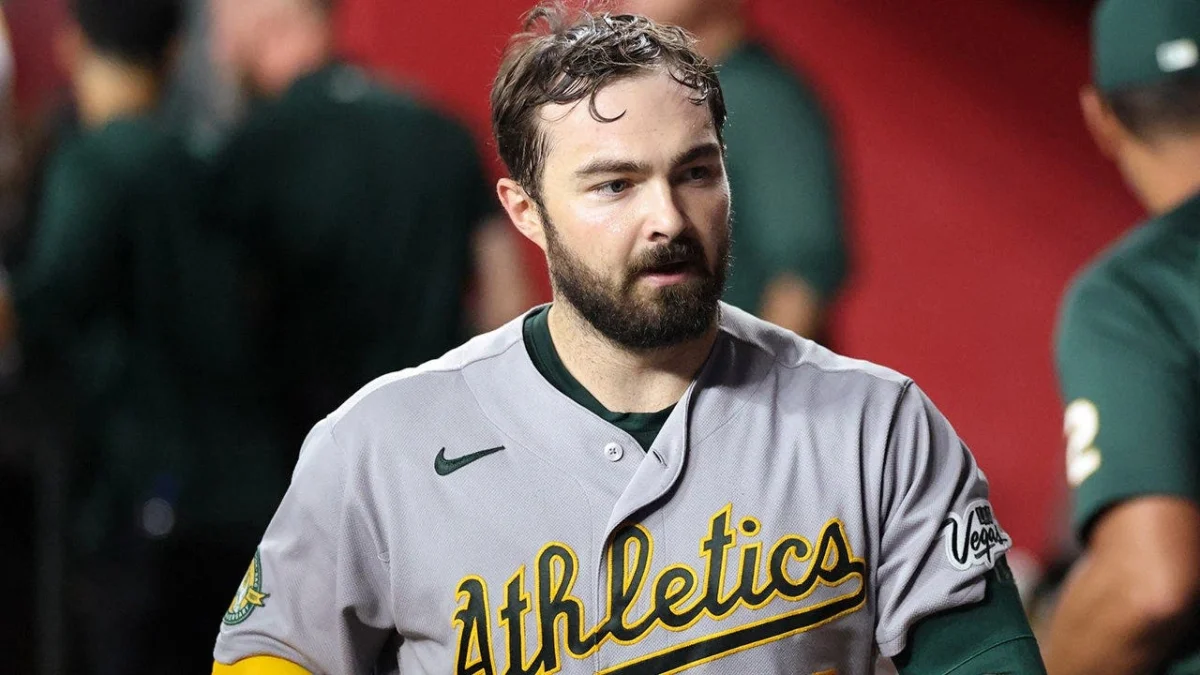
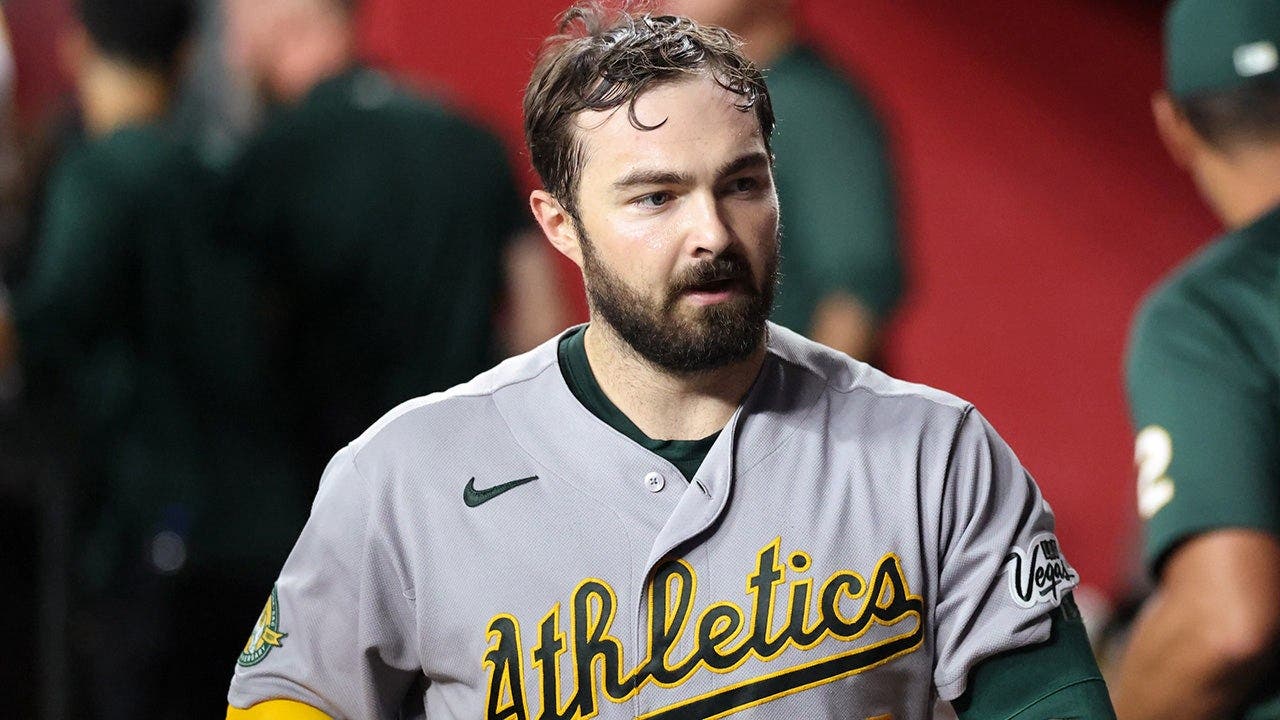
The Major League Baseball landscape has been significantly altered with the news that Shea Langeliers, the standout catcher for the Oakland Athletics and a highly coveted trade candidate, may be sidelined for the remainder of the 2026 season due to a torn meniscus. This devastating blow not only jeopardizes Langeliers’ personal performance goals but also dramatically reshapes the strategic considerations for numerous contending teams eyeing the August 3rd trade deadline.
Langeliers, 28, has been enjoying a career year, excelling both behind the plate as a defensive stalwart and in the batter’s box as a potent offensive force. His impressive offensive statistics this season include a .263 batting average, a .332 on-base percentage, and a formidable .497 slugging percentage, resulting in an .829 OPS. He has already connected for 23 home runs and driven in 51 runs. These numbers represent a significant step forward from his already successful 2025 campaign, where he hit 31 home runs and posted a career-high .861 OPS. His exceptional play earned him his first-ever All-Star selection earlier this month, a testament to his burgeoning status as one of the league’s premier catchers.
The injury occurred while Langeliers was running the bases, a seemingly innocuous part of the game that can sometimes lead to the most serious consequences. According to ESPN, the catcher has a torn meniscus, a cartilage tear in the knee that can range in severity. The decision now rests with Langeliers and the Athletics organization on whether to proceed with surgery to repair the tear. If surgery is indeed the chosen course of action, it would almost certainly mark the premature end of his 2026 season.
This unfortunate turn of events has immediate and far-reaching implications for the MLB trade market. Langeliers had been widely considered one of the top tradeable assets in the league, particularly for teams in need of a significant upgrade at the catcher position. His defensive prowess, combined with his developing offensive game, made him an attractive target for playoff contenders looking to solidify their rosters for a postseason push. Despite the Athletics’ current 44-60 record, which places them outside of playoff contention, the team had reportedly shown no inclination to move Langeliers, recognizing his immense value to the franchise’s future. His injury effectively removes him from any potential trade discussions, leaving a void in the market that other players will now aim to fill.
The timing of this injury is particularly poignant, occurring amidst a season where Langeliers was hitting his stride and demonstrating the kind of all-around game that makes catchers so valuable. He has been a bright spot for an Athletics team that has faced its own share of challenges, with other key players like Nick Kurtz, Brent Rooker, and Jacob Wilson also navigating injury concerns. Langeliers’ performance has been a beacon of hope and a key reason why the Athletics were reluctant to consider trading him, despite their current standing.
For teams that had been monitoring the situation in Oakland, hoping to pry Langeliers away before the deadline, this news is a significant disappointment. The New York Yankees, for instance, are a team widely expected to be active in the catcher market as they seek to bolster their chances of contending for a championship. A move for Langeliers would have been a logical step for the Bronx Bombers. Now, they, along with other interested parties, will need to shift their focus to alternative options.
This development is likely to increase the interest in other available catchers. Players such as Hunter Goodman of the Colorado Rockies and Adley Rutschman of the Baltimore Orioles, who are also considered strong defensive players with offensive capabilities, could see their trade value and the number of suitors increase. The market for quality catchers is often thin, and with Langeliers out of the picture, the demand for remaining available talent will undoubtedly intensify.
The Athletics will now have to rely on Jonah Heim to handle the catching duties for the remainder of the season. Heim, himself a veteran catcher who has been part of trade discussions due to his experience and skill set, now steps into a starting role. While he is a capable player, his increased workload and the potential for him to be traded himself now become added layers of complexity for the Oakland franchise. The team’s strategy for the remainder of the season, particularly concerning player movement and development, will undoubtedly be influenced by Langeliers’ absence.
The torn meniscus is a particularly frustrating injury for a player like Langeliers, who was on a trajectory to set new career highs across multiple statistical categories. His consistent performance, marked by power hitting and strong on-base skills, had made him a cornerstone of the Athletics’ rebuilding efforts and a player many anticipated would anchor a contending team in the future, whether in Oakland or elsewhere. His ability to impact the game both offensively and defensively at such a high level is a rare commodity, and his absence will be felt keenly by the Athletics and potentially by a new team if he were to be traded in the future.
The decision regarding surgery is a critical one, not only for his immediate playing future but also for his long-term health and career trajectory. A meniscus tear can be managed non-surgically, often involving rest, rehabilitation, and physical therapy. However, depending on the severity and location of the tear, surgery may be recommended to ensure full recovery and prevent future complications. The recovery time for meniscus surgery can vary, but it often requires several months of rehabilitation, making a return to play before the end of the current season highly improbable.
The financial implications of such an injury, while not explicitly detailed, are also a consideration for both the player and the team. A significant injury can affect a player’s future contract negotiations and arbitration status. For the Athletics, it means losing a key player who was not only performing well but also generating significant trade interest, potentially impacting their ability to acquire valuable prospects in exchange for him.
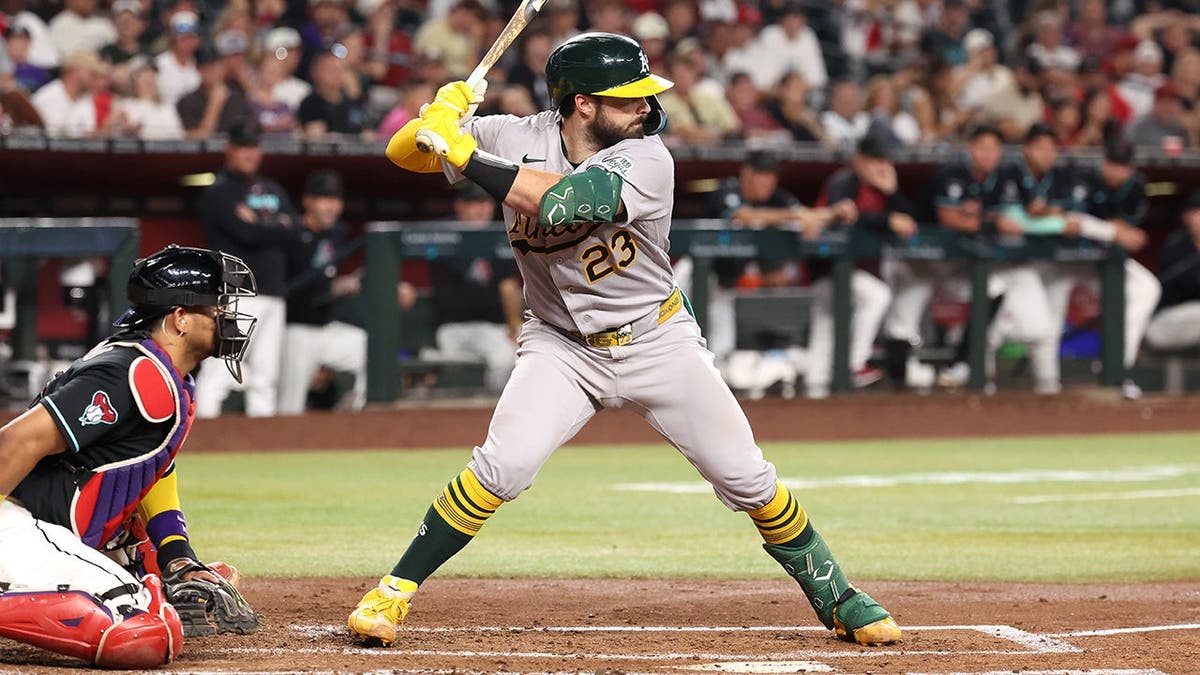
Langeliers’ injury serves as a stark reminder of the inherent risks and unpredictability of professional baseball. Even as players reach peak performance and become focal points of trade rumors and team strategies, a single unfortunate play can alter the course of a season and significantly impact career trajectories. The focus now shifts to Langeliers’ recovery and rehabilitation, with the hope that he can return to his elite level of play in the future. For the Athletics and the broader MLB, the trade deadline landscape has been irrevocably changed, and teams will now be scrambling to adjust their plans in the wake of this significant development. The league watches and waits, hoping for a swift and full recovery for one of its rising stars.
